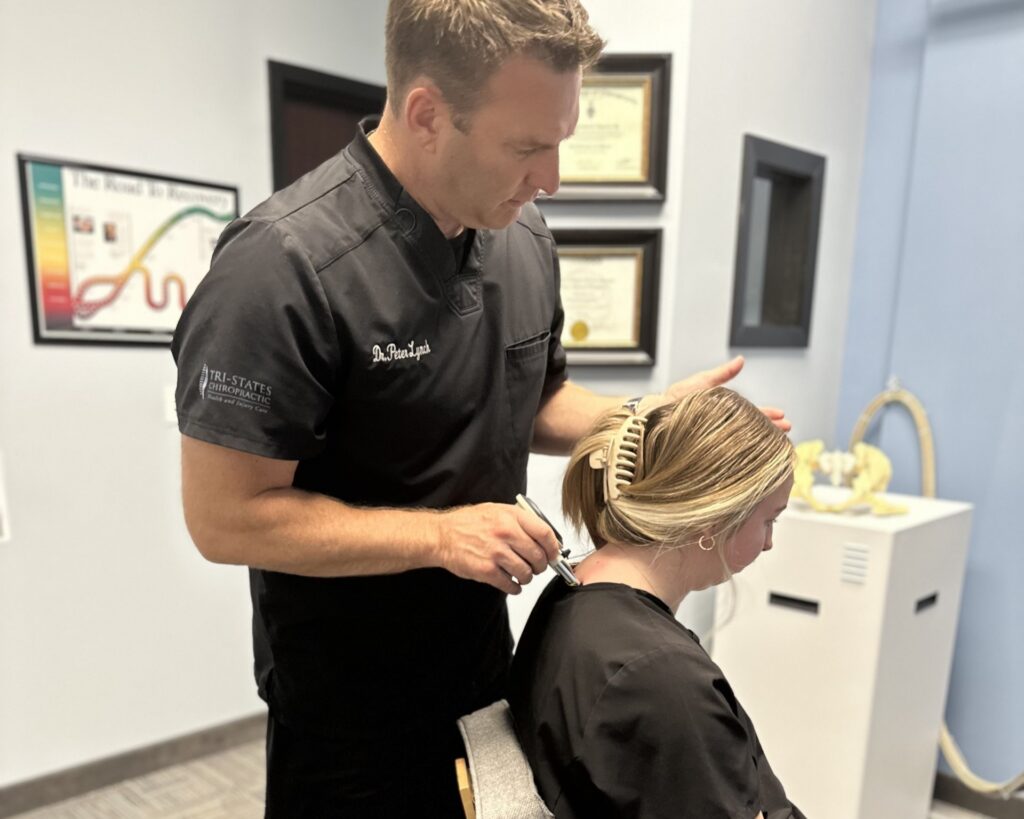
If you suffer from chronic headaches, you’re not alone. Many individuals face the challenge of finding effective relief. Understanding the different types of headaches and their triggers is a vital first step in managing your pain. One of the most effective ways to address chronic headaches is through chiropractic care, which focuses on spinal health and overall wellness.
Chiropractic adjustments can help alleviate tension in the neck and spine, which are often contributors to headache pain. Alongside professional care, there are several strategies you can explore on your own. Staying hydrated is crucial, as dehydration can often trigger headaches. Additionally, making mindful dietary changes, such as reducing processed foods and increasing fruits and vegetables, can promote better health and potentially lessen headache frequency.
Stress management is another key element. Techniques such as deep breathing exercises, meditation, and regular physical activity can help reduce stress levels, ultimately benefiting your overall health and potentially decreasing headache occurrences. Alternative therapies, like massage and acupuncture, may also provide relief and complement chiropractic treatments.
Remember, paying attention to your body and its signals is important. Keeping a headache diary can help you identify patterns and triggers, which can be useful information to share with your chiropractor. By working together with your chiropractic care provider, you can tailor a comprehensive plan that addresses your specific needs and leads you on the path to optimal health and wellness.
Let’s embrace these strategies together and discover what works best for you on your journey to relief!
Key Takeaways
- Start by keeping a headache diary. This simple tool can help you identify what might be triggering your headaches, such as stress or certain foods. By recognizing these patterns, you can make informed choices to avoid these culprits and take control of your health.
- Consider incorporating regular chiropractic care into your wellness routine. Chiropractic adjustments can help correct spinal misalignments that may be contributing to your headaches. By addressing these issues, you can alleviate tension and reduce headache symptoms naturally, making chiropractic a powerful ally in your journey to better health.
- Make mindful dietary choices to support your overall well-being. Try to eliminate processed foods and include magnesium-rich options like leafy greens, nuts, and seeds in your meals. Magnesium can help support nerve function and may even help reduce the frequency of headaches.
- Stress management is crucial for headache relief. Explore techniques like mindfulness, deep breathing, or engaging in hobbies you love. These practices can help promote relaxation and significantly lower the chance of headaches occurring.
- Don’t underestimate the importance of good sleep hygiene. Establishing a consistent sleep routine and creating a calming bedtime environment can enhance your sleep quality. Better sleep can lead to fewer headaches, making it an essential aspect of your daily health practices.
By focusing on these strategies and incorporating chiropractic care, you can pave the way for a healthier, headache-free life. Remember, natural wellness is within your reach!
Understanding Chronic Headaches: Types and Triggers
When dealing with chronic headaches, it’s crucial to understand their different types and triggers, as this knowledge can empower you to manage them more effectively. Chronic headaches primarily fall into two categories: tension-type headaches and migraines. Tension-type headaches often feel like a tight band around your head, while migraines can bring on intense throbbing pain, frequently accompanied by nausea or sensitivity to light.
Identifying your headache triggers is just as important. Common triggers include stress, poor posture, lack of sleep, or certain foods. Keeping a headache diary can be incredibly beneficial. By tracking when your headaches occur and noting potential triggers, you can start to recognize patterns and learn to avoid specific culprits.
Incorporating chiropractic care into your wellness routine can be a game changer for managing chronic headaches. Chiropractors focus on spinal health, which plays a significant role in overall well-being. Misalignments in the spine can contribute to tension and pain, leading to headaches. Regular chiropractic adjustments can help restore proper alignment, reduce tension, and alleviate headache symptoms naturally.
To further support your health, here are some simple tips you can implement:
- Maintain good posture, especially if you’re sitting for long periods.
- Stay hydrated, as dehydration can trigger headaches.
- Practice relaxation techniques, such as deep breathing or meditation, to manage stress effectively.
- Ensure you’re getting enough sleep, as rest is vital for recovery and overall health.
By understanding the types and triggers of your headaches and choosing chiropractic care for relief, you can take proactive steps to reduce their frequency and severity. This approach not only improves your quality of life but also promotes a healthier, more balanced lifestyle.
Take charge of your health today and explore the benefits of chiropractic care for natural pain relief and wellness!
The Role of Hydration in Headache Management
Staying hydrated is a vital part of managing headaches, and as your local chiropractor, I want to emphasize how important it’s for your overall health. When your body is dehydrated, it can lead to increased tension and discomfort, triggering or worsening headaches. By making hydration a priority, you can’t only help prevent those painful episodes but also support your spinal health and overall well-being.
Here are some simple tips to ensure you’re getting enough water throughout the day:
- Carry a Water Bottle: Keep a reusable water bottle with you at all times. This makes it easy to sip throughout the day, whether you’re at home, work, or on the go.
- Set Reminders: Use your phone or a sticky note to remind you to drink water regularly. Small, consistent sips are better than trying to chug a lot at once.
- Flavor Your Water: If plain water doesn’t excite you, try adding slices of lemon, cucumber, or berries for a refreshing twist.
- Eat Water-Rich Foods: Incorporate fruits and vegetables that have high water content, like cucumbers, watermelon, and oranges, into your diet. They can contribute to your hydration levels.
- Listen to Your Body: Pay attention to signs of dehydration, like dry mouth, fatigue, or headaches. These can be indicators that you need to increase your water intake.
Remember, while staying hydrated is crucial, it’s also important to maintain a healthy spine. Regular chiropractic care can help ensure that your nervous system is functioning optimally, which plays a key role in overall health and wellness.
Importance of Water Intake
Staying hydrated is incredibly important for your overall health and can significantly impact how you feel, especially if you suffer from chronic headaches. Even mild dehydration can lead to discomfort, so it’s essential to monitor your water intake throughout the day. Keeping your body well-hydrated supports all your body functions, including maintaining a healthy spine, which is crucial for your overall well-being.
Here’s a simple guide to understanding hydration levels and what actions to take:
| Hydration Level | Symptoms | Recommended Action |
|---|---|---|
| Well-Hydrated | Clear thinking, high energy | Keep drinking fluids regularly |
| Mild Dehydration | Fatigue, slight headache | Drink more water to rehydrate |
| Severe Dehydration | Intense headache, dizziness | It’s best to consult with a healthcare provider for guidance, but chiropractic care can also support your overall wellness during recovery |
Remember, proper hydration is just one aspect of maintaining a healthy lifestyle. Regular chiropractic adjustments can also help alleviate tension and improve your spinal health, which can reduce the frequency and intensity of headaches. By focusing on natural healing methods, you can achieve optimal health without relying on medications or surgeries.
Here are some easy tips to increase your water intake:
- Carry a Water Bottle: Having water readily available makes it easier to stay on track.
- Set Reminders: Use your phone or a timer to remind you to drink water throughout the day.
- Flavor Your Water: If plain water isn’t appealing, try adding slices of lemon, cucumber, or berries for a refreshing taste.
- Eat Water-Rich Foods: Incorporate fruits and vegetables with high water content, like watermelon and cucumbers, into your diet.
Hydration and Headache Prevention
Proper hydration is crucial not just for your overall health, but also for preventing headaches. Did you know that even a small decrease in your water intake can lead to discomfort? When you ensure that your body is well-hydrated, it can function optimally, which can significantly reduce the chances of headaches.
To maintain proper hydration, aim to drink enough water throughout the day. This is especially important if you’re active or spending time in hot weather. A great tip is to keep a water bottle with you as a reminder to sip regularly.
If you start to feel a headache coming on, check in with your hydration levels—dehydration could very well be the cause.
In addition to drinking water, you can enhance your hydration by incorporating water-rich foods into your diet. Fruits and vegetables are excellent choices that not only help with hydration but also provide important nutrients for your body.
Remember, while staying hydrated is important, regular chiropractic care can also play a vital role in your wellness journey. By addressing spinal alignment and overall body function, chiropractic adjustments can help promote better hydration and reduce headache frequency.
Always prioritize your health and consider how natural methods like chiropractic care can support your quest for wellness. Don’t underestimate the powerful combination of proper hydration and chiropractic care in your strategy for headache relief and overall well-being!
Dietary Adjustments for Headache Relief
Making dietary adjustments can significantly affect the frequency and intensity of chronic headaches, and as a chiropractor, I believe that natural approaches like these can complement the benefits of chiropractic care. One of the first steps you might consider is tracking the foods you consume to identify any potential headache triggers. Common offenders include aged cheeses, processed meats, and foods that contain MSG. By eliminating these items for a few weeks, you may notice a decrease in headache occurrences.
In addition, incorporating magnesium-rich foods like spinach, nuts, and whole grains can be beneficial. Magnesium plays a crucial role in muscle function and relaxation, which can help reduce tension that might contribute to headaches.
Staying consistent with your diet by eating regular, balanced meals that include proteins, healthy fats, and complex carbohydrates is also essential for maintaining steady blood sugar levels—this can help prevent headaches as well.
Hydration is another fundamental aspect to consider. Aim for at least eight glasses of water a day, as dehydration is a common headache trigger. Remember, your overall spinal health and well-being can be supported through proper hydration and nutrition.
Lastly, I encourage you to keep a food diary. This will help you pinpoint patterns and make informed choices about your diet, which can work in harmony with your chiropractic care.
Stress Management Techniques to Reduce Headaches
Stress is a significant contributor to chronic headaches, and as a local chiropractor, I want to share some effective stress management techniques to help you find relief naturally. By incorporating these practices into your daily routine, you can support your overall wellness and alleviate the tension that may be causing your headaches.
Start by engaging in mindfulness or meditation for just a few minutes each day. This practice can help clear your mind and reduce tension, bringing a sense of calm to your body.
Deep breathing exercises are another excellent way to quickly soothe your nervous system and lower stress levels. Try taking slow, deep breaths, focusing on the rhythm of your breath to help ground you in the moment.
Make sure to carve out time for hobbies or activities that you enjoy. Engaging in something you love not only provides a mental break but also promotes a positive mindset.
Don’t underestimate the power of a good night’s sleep; prioritizing quality rest is vital for a healthy spine and a well-functioning nervous system, which in turn can help reduce stress and headaches.
Additionally, it’s important to identify and address specific stressors in your life. Whether it’s work-related pressures or personal challenges, recognizing these triggers can empower you to manage them effectively.
As a chiropractor, I often see how addressing physical stress on the spine can lead to significant improvements in overall well-being.
By integrating these techniques into your lifestyle, you can naturally reduce the frequency and intensity of your headaches and support your journey toward optimal health.
The Benefits of Regular Exercise
Regular exercise is a fantastic way to enhance your blood circulation, which can play a key role in alleviating headache symptoms. As a chiropractor, I often see how tension in the body, especially in the spine and neck, can lead to headaches. Engaging in physical activity not only helps to reduce stress but also promotes a healthier spine, which is essential for overall well-being.
When you incorporate regular exercise into your routine, you’re not just improving your physical health; you’re also supporting your body’s natural healing processes. Activities like walking, yoga, or even gentle stretching can help release built-up tension in your muscles, particularly around the neck and shoulders, which are common culprits for headaches.
Here are some simple tips to help you stay active and support your health:
- Start Small: If you’re new to exercise, begin with short sessions, like a 10-minute walk, and gradually increase your time as you feel more comfortable.
- Focus on Posture: Pay attention to your body’s alignment while exercising. Good posture can prevent unnecessary strain on your spine and neck.
- Stay Hydrated: Drinking plenty of water is crucial, especially when you’re active. Dehydration can often lead to headaches, so keep a water bottle handy.
- Listen to Your Body: If you notice any discomfort or pain during exercise, it’s essential to stop and assess. Consulting with a chiropractor can provide insights into proper techniques and adjustments to enhance your practice safely.
- Incorporate Stretching: Adding a few minutes of stretching before and after your workouts can improve flexibility and help prevent injuries.
By making exercise a regular part of your life, not only will you likely notice fewer headaches, but you’ll also be taking proactive steps towards achieving optimal health.
Improved Blood Circulation
When you incorporate consistent exercise into your routine, you not only enhance your overall fitness but also significantly improve blood circulation. This is crucial for reducing chronic headaches. Better circulation ensures that your brain receives the necessary oxygen and nutrients, which can lead to a decrease in the frequency and intensity of headaches. Furthermore, engaging in regular physical activity can help balance hormones that play a role in pain relief, supporting your body’s natural healing processes.
Here’s a quick overview of how improved blood circulation benefits your health:
| Benefit | Description | Example |
|---|---|---|
| Enhanced Oxygen | Increases oxygen supply to the brain | Reduced headache symptoms |
| Nutrient Delivery | Improves nutrient flow to brain cells | Better overall health |
| Hormonal Balance | Helps regulate pain-relief hormones | Fewer headache episodes |
To maximize these benefits, consider incorporating chiropractic care into your wellness routine. Chiropractors focus on aligning your spine, which can improve your overall circulation and nerve function. This natural approach can enhance your body’s ability to heal itself, making it a great option for those seeking relief from headaches.
In addition to chiropractic adjustments, here are some simple tips to improve your circulation:
- Stay Active: Aim for at least 30 minutes of physical activity most days of the week. This can be as simple as walking, stretching, or engaging in your favorite sport.
- Stay Hydrated: Drinking plenty of water helps maintain blood volume and circulation. Aim for at least 8 glasses a day.
- Practice Deep Breathing: This can increase oxygen flow to your brain and help relieve tension, which may reduce headache occurrences.
- Get Regular Adjustments: Regular visits to your chiropractor can help ensure your spine is aligned and your nervous system is functioning optimally, supporting overall wellness.
Stress Reduction Techniques
Incorporating exercise into your daily routine isn’t only beneficial for your physical health but also plays a vital role in reducing stress. As a chiropractor, I understand the importance of managing stress for overall wellness, particularly when it comes to maintaining a healthy spine. Engaging in regular physical activity can help release endorphins—those wonderful hormones that boost your mood and promote relaxation.
Whether you enjoy jogging, practicing yoga, or dancing, finding an activity that you love makes it easier to stick with it. Even short bursts of movement throughout your day can interrupt stress cycles, allowing you to concentrate better and feel more energized. Aim for at least 30 minutes of moderate exercise most days. You might find that this simple habit not only improves your mood but also enhances your spinal health by keeping your body active and flexible.
Remember, exercise isn’t just about fitness; it’s a key strategy for managing stress and alleviating discomfort, including chronic headaches often linked to tension and poor posture. By prioritizing movement, you’re taking a proactive step towards natural wellness and pain relief.
Incorporating stretches and exercises specifically designed to strengthen your back and improve posture can further enhance your well-being. Always listen to your body and consult with your chiropractor for personalized advice on the best exercises for your spine.
Embrace the journey of healthier living through movement, and you’ll likely notice a positive shift in both your mindset and your overall health.
Exploring Natural Remedies and Supplements
If you’re dealing with chronic headaches, exploring natural remedies can be a fantastic way to find relief while prioritizing your overall wellness. As a chiropractor, I believe that understanding the root causes of your discomfort is essential, and incorporating natural approaches can be highly beneficial.
One natural option to consider is magnesium. This important mineral supports nerve function and may help reduce the frequency of headaches. You can easily boost your magnesium intake by enjoying foods like nuts, seeds, and leafy greens. If you feel it might be right for you, I suggest discussing magnesium supplements with your healthcare provider.
Another helpful supplement is riboflavin, or Vitamin B2. Many studies suggest that a daily dose of around 400 mg may lessen headache occurrences. Again, it’s best to talk to your doctor about any new supplements you plan to take.
Herbal remedies such as butterbur and feverfew have also been researched for their potential to ease headache symptoms. If you decide to try these, be sure to pay attention to how your body responds and consult a professional to ensure they align with your health goals.
While these natural options can be effective, it’s essential to remember that chiropractic care can also play a vital role in managing headaches. Regular adjustments can help alleviate tension in the spine and promote overall wellness, potentially reducing the frequency and intensity of headaches.
To support your journey towards better health and headache relief, consider these tips:
- Stay hydrated – Dehydration can trigger headaches, so drink plenty of water throughout the day.
- Maintain good posture – Poor posture can contribute to tension headaches, so be mindful of your sitting and standing positions.
- Get regular chiropractic adjustments – These can help keep your spine aligned and reduce tension that may lead to headaches.
Medical Treatments: Medications and Beyond
While many people seek relief from chronic headaches through various methods, chiropractic care stands out as a natural and effective approach to achieving optimal health and wellness. Unlike medications that can mask symptoms, chiropractic adjustments target the root causes of headaches by aligning the spine and improving nervous system function.
For occasional headaches, simple lifestyle changes and self-care practices can make a significant difference. Staying hydrated, maintaining good posture, and managing stress through relaxation techniques are essential steps toward preventing headaches. Regular exercise and a balanced diet also play crucial roles in supporting overall health.
If headaches are more frequent, it’s important to consider how spinal alignment may be contributing to discomfort. A chiropractor can provide personalized care that focuses on your specific needs, ensuring that your spine is aligned and your body is functioning optimally. This approach not only helps alleviate headaches but can also enhance your overall well-being.
In addition to chiropractic care, consider incorporating practices such as yoga and stretching, which can help relieve tension in the neck and shoulders, common areas where headaches can originate. Prioritizing quality sleep and finding time to unwind can further support your body’s natural healing processes.
Alternative Therapies: Acupuncture and Chiropractic Care
If you’re struggling with chronic headaches, exploring alternative therapies like chiropractic care can be a game-changer for your health and wellness. Chiropractic care focuses on spinal alignment and overall musculoskeletal health, making it a natural and effective option for managing headache pain.
When you visit a chiropractor, they’ll assess your spine and identify any misalignments that may be contributing to your headaches. By correcting these misalignments through gentle adjustments, you can experience significant relief from discomfort.
Regular chiropractic adjustments not only help alleviate headaches but can also enhance your overall well-being by promoting better posture, reducing tension, and improving your body’s function. Unlike other treatments, chiropractic care emphasizes a holistic approach, addressing both your physical and emotional health.
This means that by taking care of your spine, you’re also supporting your entire body. Many patients have reported positive outcomes after incorporating chiropractic care into their headache management routine.
Here are some general tips to complement your chiropractic treatment and help you manage headaches more effectively:
- Stay Hydrated: Dehydration can lead to headaches, so ensure you’re drinking enough water throughout the day.
- Practice Good Posture: Poor posture can contribute to tension in your neck and shoulders, leading to headaches. Be mindful of your posture, especially when sitting for long periods.
- Manage Stress: Techniques such as deep breathing, meditation, or yoga can help reduce stress and tension, which may lessen headache frequency.
- Get Enough Sleep: Aim for a consistent sleep schedule and ensure you’re getting quality rest each night to support your overall health.
- Regular Exercise: Engaging in regular physical activity can improve circulation and reduce muscle tension, helping to prevent headaches.
Before starting any new treatment, it’s always a good idea to consult with a healthcare professional. However, if you’re looking for a natural and effective way to find relief from headaches, chiropractic care is a superior choice that promotes long-term health and wellness.
Embrace the journey towards optimal health with chiropractic care as your foundation!
The Importance of Sleep Hygiene
Are you giving your sleep hygiene the attention it deserves? Quality sleep is crucial for not just overall health but also for alleviating headaches. Establishing a consistent sleep routine can make a world of difference in how you feel. Aim for 7 to 9 hours of restful sleep each night, and try to go to bed and wake up at the same time every day.
Creating a calming bedtime environment is key. Dim the lights and ensure your bedroom is cool and quiet to promote relaxation.
It’s also important to avoid screens at least an hour before bedtime, as the blue light emitted can interfere with your body’s natural melatonin production, which is essential for sleep.
Be mindful of what you consume in the evening. Limiting caffeine and heavy meals can help prevent sleep disruptions. Incorporating relaxation techniques like deep breathing or gentle stretching can also help your body unwind after a long day.
By focusing on your sleep hygiene, you’re not only enhancing your sleep quality but also taking proactive steps toward reducing the frequency and intensity of headaches.
Remember, good sleep supports spinal health, which is where chiropractic care comes into play. Regular chiropractic adjustments can help align your spine, contributing to better sleep and overall wellness.
Prioritize your sleep, and you’ll see a positive impact on your health and well-being.
Keeping a Headache Diary for Better Management
A headache diary can be an invaluable resource for managing chronic headaches naturally and effectively. By documenting your headaches, you can uncover patterns and triggers that may be contributing to your discomfort. This knowledge empowers you and your chiropractor to create a personalized plan to enhance your overall well-being.
Here’s a straightforward way to organize your diary:
| Date | Notes |
|---|---|
| 2023-10-01 | Stressful day at work, tension in neck |
| 2023-10-02 | Skipped breakfast, felt dehydrated, poor posture |
| 2023-10-03 | Weather change, didn’t sleep well, spinal discomfort |
Make sure to record details like the date, how long the headache lasted, its intensity, and any possible triggers, such as food choices, sleep quality, or stress levels. Regularly reviewing your diary can help you identify trends and make better choices for your lifestyle.
In addition, sharing this information with your chiropractor can facilitate more effective natural interventions, such as specific spinal adjustments, lifestyle adjustments, and relaxation techniques. Remember, chiropractic care focuses on restoring balance and function to your spine, which can significantly alleviate headache pain.
Start your headache diary today, and take an active role in your journey toward natural health and wellness!