As a local chiropractor, I understand that dealing with chronic back pain can be a significant challenge that affects many aspects of your life. You may be searching for effective relief strategies tailored to your individual needs.
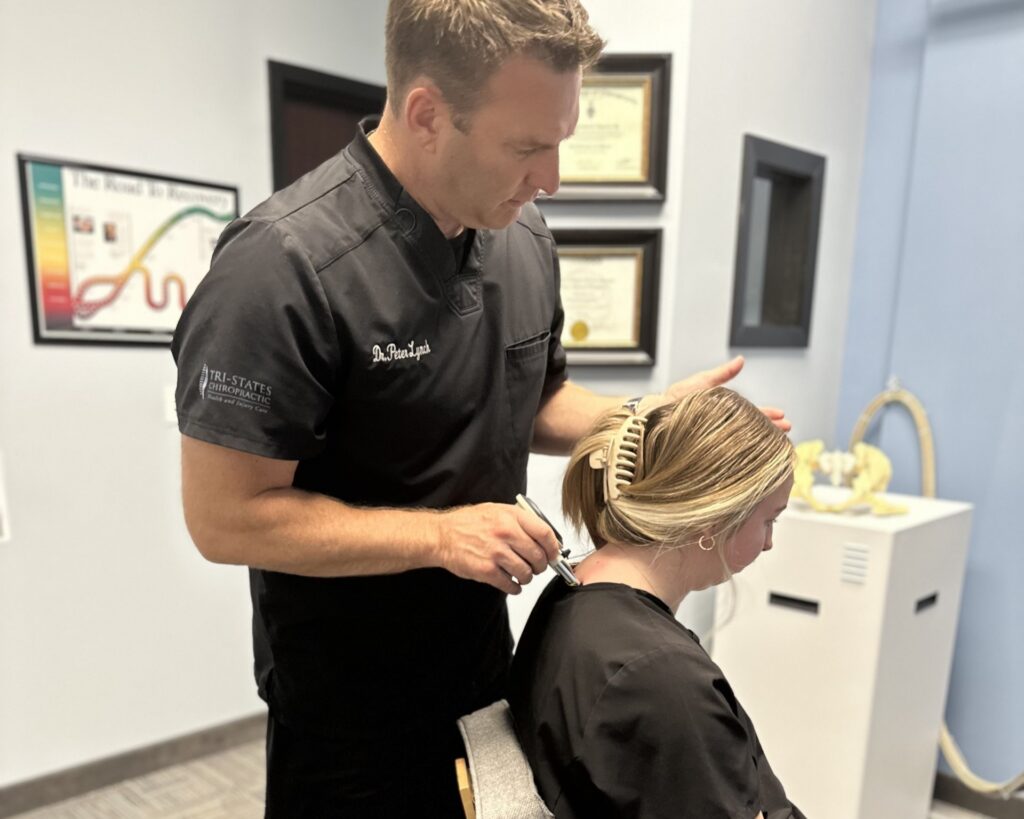
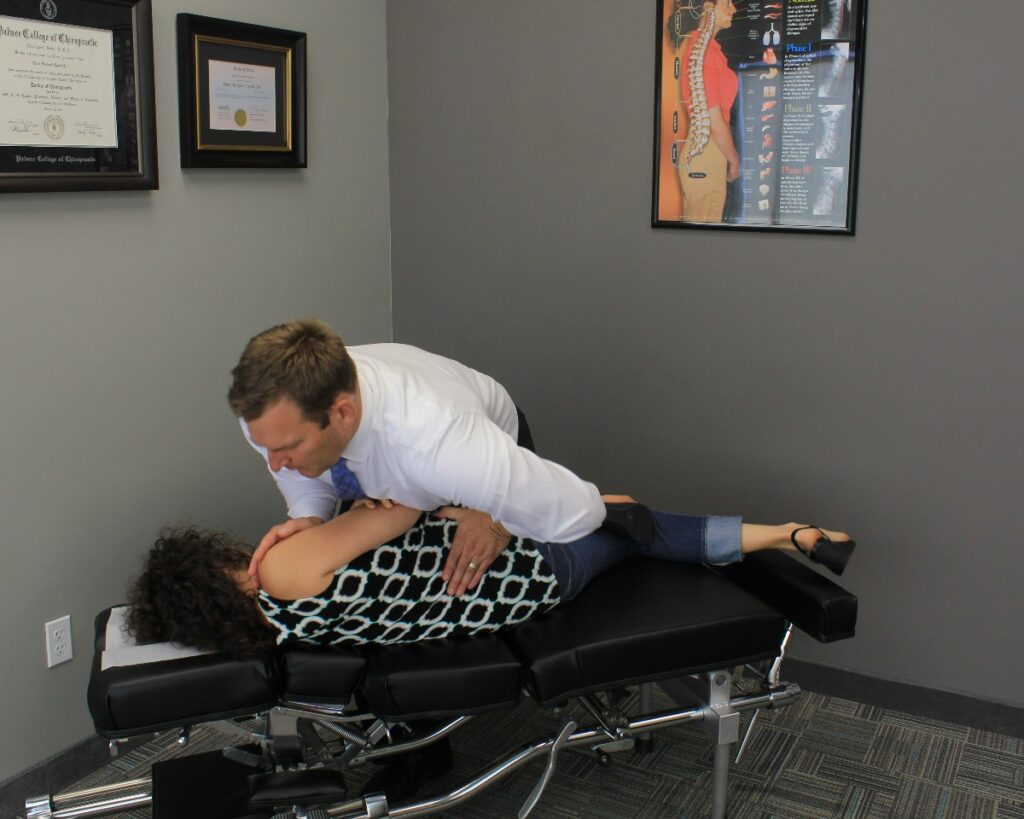
In chiropractic care, we focus on natural healing methods that can help alleviate your discomfort. Our approach includes spinal adjustments, which can realign your spine and relieve pressure on nerves, as well as physical therapy techniques and specific exercises designed to strengthen your back and improve your flexibility.
Additionally, we often incorporate mindfulness practices to help manage pain perception and promote relaxation. Ergonomic adjustments are also crucial; we can guide you on how to set up your workspace or modify your daily activities to reduce strain on your back.
Each of these methods has its own benefits, and when combined thoughtfully, they can lead to significant improvements in your overall comfort and mobility.
Let's work together to find the most effective combination of treatments for you, so you can enjoy a better quality of life free from the limitations of chronic pain.
Understanding Chronic Back Pain
Chronic back pain is a common issue that affects millions of individuals, and as a chiropractor, I see firsthand how it can significantly disrupt your daily life. If you're experiencing this type of pain, you understand how debilitating and frustrating it can be. Chronic back pain typically lasts longer than three months and can arise from various factors, including injuries, degenerative conditions, or even emotional stress. Understanding the origins of your discomfort is critical to discovering effective natural relief strategies.
Patients often describe their pain in different ways, such as a dull ache, sharp discomfort, or stiffness. It's essential to listen to your body and recognize these sensations, as they can help you pinpoint triggers or patterns related to your pain. Factors like poor posture, a sedentary lifestyle, or excess weight can worsen your condition. Additionally, emotional stress can manifest physically, highlighting the importance of considering both your mental and physical health in your healing journey.
As we work together to address your chronic back pain, you may notice that specific activities aggravate your symptoms. Identifying these triggers is crucial in modifying your daily routine to reduce discomfort. For example, if prolonged sitting exacerbates your pain, we can explore strategies like taking regular breaks or using ergonomic furniture to support your spine.
As your chiropractor, I'm here to guide you through natural healing methods tailored to your unique situation, helping you reclaim your quality of life.
Physical Therapy Techniques
As you embark on your journey to alleviate chronic back pain, embracing chiropractic care can be transformative. Chiropractic techniques focus on enhancing your mobility, strengthening your muscles, and improving your overall wellness through natural healing methods. Collaborating with a skilled chiropractor allows you to create a personalized plan that caters to your unique needs.
Here are three effective chiropractic techniques to consider:
- Spinal Manipulation: This hands-on technique involves the chiropractor applying controlled force to specific joints in your spine. It can alleviate pain, improve alignment, and enhance your range of motion. This method not only helps relieve discomfort but also promotes overall spinal health.
- Therapeutic Modalities: Utilizing various therapies, such as heat and ice applications, can significantly enhance your healing process. Heat therapy relaxes tense muscles and boosts blood circulation, while ice therapy can numb sharp pain and reduce swelling. A chiropractor will guide you on how to use these modalities safely for optimal results.
- Postural Education and Ergonomics: A crucial part of chiropractic care is educating you on body mechanics. Your chiropractor will teach you about proper posture and movement strategies to prevent strain on your back during daily activities. This knowledge empowers you to make healthier choices that can help prevent the recurrence of pain.
Exercise and Stretching
As a chiropractor, I often see patients who struggle with chronic back pain, and I want to emphasize the importance of incorporating exercise and stretching into your daily routine as a natural way to alleviate discomfort. Engaging in regular physical activity not only strengthens your core muscles, which play a crucial role in supporting your spine and improving posture, but it also helps to prevent strain during everyday activities.
I recommend starting with low-impact exercises such as walking, swimming, or cycling. These forms of exercise are gentle on your joints and can enhance your overall fitness without putting undue stress on your back. Ideally, aim for at least 30 minutes of moderate exercise most days of the week. Consistency is essential; making this a regular part of your routine can lead to significant improvements over time.
Stretching is just as vital as exercising. It helps maintain flexibility and reduces tension in your back muscles. I suggest focusing on gentle stretches that target areas such as your lower back, hamstrings, and hip flexors. Effective stretches include the cat-cow pose, child's pose, and knee-to-chest stretch. Hold each stretch for 15-30 seconds and repeat several times to reap the benefits.
It's important to listen to your body throughout this process. If you experience any discomfort, don't hesitate to modify your routine. If you're unsure where to start or how to proceed, I encourage you to consult with a healthcare professional, like myself. Remember, every small step you take can lead to meaningful improvements in your back pain. By prioritizing exercise and stretching, you are taking significant strides toward managing your chronic pain in a natural and effective way.
Alternative Therapies
As a local chiropractor, I understand that managing back pain can be challenging, and many people may not be familiar with the benefits of chiropractic care and alternative therapies. These methods can provide significant relief and complement traditional treatments, enhancing your overall well-being. Here are three alternative therapies that I often recommend to my patients:
- Acupuncture: This ancient Chinese technique involves the insertion of thin needles into specific points on the body. Many of my patients have experienced a substantial reduction in pain and an increase in mobility after acupuncture sessions. This treatment is thought to stimulate the body's natural pain relief mechanisms and improve blood circulation, which can accelerate healing.
- Chiropractic Care: As a chiropractor, my primary focus is on diagnosing and treating musculoskeletal disorders through manual adjustments. Regular chiropractic visits can help realign the spine, which alleviates pressure on nerves and reduces pain. Many patients report immediate relief following adjustments, and I often see them benefit from long-term wellness as we work together to maintain spinal health.
- Massage Therapy: Therapeutic massage is another effective approach for managing back pain. It can help relax tight muscles, boost circulation, and decrease inflammation. Techniques such as deep tissue or Swedish massage are tailored to target specific problem areas, providing relaxation and relief from discomfort.
While these alternative therapies might not be suitable for everyone, I encourage my patients to discuss them with me. Together, we can explore which therapies may be the best fit for your unique needs. By incorporating these methods into your routine, you may find a new level of comfort and relief from chronic back pain. Your journey to wellness is important, and I am here to guide you every step of the way.
Mindfulness and Meditation
As a local chiropractor, I want to share with you how mindfulness and meditation can be effective in managing chronic back pain. These practices can complement your chiropractic care and help you gain a deeper understanding of your body and mind. Mindfulness encourages you to focus on the present moment, allowing you to recognize your pain without allowing it to take over your thoughts. This shift in perspective can significantly reduce your emotional response to pain, making it easier to cope with.
To begin incorporating mindfulness into your routine, find a quiet space where you can sit comfortably. Close your eyes and take a few deep breaths to relax your body. When thoughts of pain enter your mind, acknowledge them without judgment, and gently bring your focus back to your breath. This practice not only calms your mind but also helps you become more attuned to your body's signals. Over time, you will gain valuable insights into your pain patterns and triggers.
Additionally, meditation can be a powerful tool in reducing stress, which often worsens chronic pain. By setting aside just a few minutes each day for meditation, you create a mental buffer against daily stressors. Techniques such as guided imagery or body scans can help you visualize relief from pain and encourage relaxation in tense areas.
Incorporating these mindfulness and meditation techniques alongside your chiropractic treatments can enhance your overall well-being and support your journey toward pain management.
Ergonomic Adjustments
As a local chiropractor, I want to emphasize how crucial it is to have an ergonomic workspace, especially if you spend long hours at a desk. A proper setup can significantly impact your back health. By investing in supportive seating and making adjustments to your workstation, you can maintain better posture and alleviate strain on your body.
Let me explain how these ergonomic adjustments can help relieve chronic back pain. When your desk, chair, and computer are aligned correctly, you reduce stress on your spine and surrounding muscles. This can lead to less discomfort and a more productive day.
Incorporating simple changes, like using a chair that promotes good posture or positioning your computer screen at eye level, can make a world of difference. As your chiropractor, I'm here to guide you on how to create a healthier workspace that supports your overall well-being and complements your journey towards natural healing.
Proper Desk Setup
As a local chiropractor, I want to highlight the importance of a well-organized desk setup in reducing chronic back pain. A proper workspace not only encourages good posture but also minimizes strain on your body, which is essential for maintaining overall health. Here are a few key elements to consider for creating an ergonomic environment that promotes comfort and alignment:
- Monitor Height: It's crucial to adjust your monitor so that the top of the screen is at or just below eye level. This positioning helps you maintain a neutral neck posture and prevents slouching, which can contribute to discomfort and pain over time.
- Keyboard and Mouse Position: Ensure that your keyboard and mouse are within easy reach to avoid overreaching. Your elbows should be at a 90-degree angle, and your wrists should remain straight while typing. This setup can significantly reduce strain on your arms and wrists.
- Desk Height: The height of your desk matters. When seated, your feet should rest flat on the floor, with your knees at or slightly below hip level. This alignment helps distribute your weight evenly and keeps your spine in a healthy position, reducing the risk of back pain.
Supportive Seating Options
As a local chiropractor, I want to emphasize the importance of choosing the right seating to help manage chronic back pain effectively. Many of my patients spend long hours sitting, which can exacerbate discomfort if proper seating is not prioritized. It's essential to invest in chairs that provide the necessary support to promote good posture and spinal alignment.
When selecting a chair, look for features like lumbar support, which is designed to maintain the natural curve of your lower back. This support can significantly alleviate pressure on your spine and help reduce discomfort.
Adjustable chairs are also fantastic options. They allow you to customize the height, backrest angle, and armrests to find your most comfortable position. When seated, your feet should rest flat on the floor, and your knees should form a 90-degree angle. If your current chair lacks adequate support, consider using a cushion specifically designed for back pain relief.
Additionally, pay attention to your workspace setup. It's crucial that your chair fits well with your desk height to minimize strain. If possible, opt for a chair with a seat pan that tilts slightly forward to encourage better posture.
Lastly, don't forget the importance of taking breaks and changing your position throughout the day. Implementing these supportive seating options can genuinely enhance your comfort and assist in managing chronic back pain more effectively. Remember, your spinal health is vital, and making mindful choices about your seating can play a significant role in your overall well-being.
Pain Management Medications
As your local chiropractor, I want to help you understand your options for managing chronic back pain. It's important to know that while over-the-counter pain relievers can offer some relief, they may not always address the underlying issues. For more severe discomfort, prescription medications might be necessary, but they often come with side effects and do not promote long-term healing.
I encourage you to consider exploring alternative pain relief methods, such as chiropractic care, which focuses on the body's natural ability to heal itself. By addressing misalignments in the spine and improving overall function, chiropractic adjustments can provide a holistic approach to your pain management strategy. Together, we can create a plan that supports your body's healing process and helps you achieve lasting relief from pain.
Over-the-Counter Options
As a local chiropractor, I often encounter patients who are searching for relief from chronic back pain. While I focus on holistic approaches to healing, I understand that many individuals may initially seek over-the-counter (OTC) pain management options. These medications can provide quick relief and help you carry on with your daily activities while you explore more natural methods of healing. Here are three common OTC options you might consider:
- Acetaminophen: This medication is widely used for mild to moderate pain relief. It is generally gentle on your stomach, making it a suitable option for back pain. However, it's important to adhere to the recommended dosage to avoid any risk of liver damage.
- Nonsteroidal Anti-Inflammatory Drugs (NSAIDs): Medications such as ibuprofen and naproxen are effective for reducing inflammation and alleviating pain. If your back pain is associated with swelling or injury, NSAIDs can be particularly beneficial. Just keep in mind to take them with food to help prevent any stomach irritation.
- Topical Analgesics: Creams and patches containing ingredients like menthol or capsaicin can deliver localized relief when applied directly to the painful area. They are user-friendly and can serve as a great alternative if you prefer to steer clear of oral medications.
While OTC medications can provide temporary relief, I encourage you to explore chiropractic care as a more comprehensive solution to your back pain. Chiropractic adjustments, combined with lifestyle changes and exercises, often address the underlying causes of pain and promote long-term healing. Always consult with a healthcare professional before starting any new medication, and consider discussing your pain management options with me to find the best path forward for your health and well-being.
Prescription Medications Overview
If you're dealing with chronic back pain, it's important to explore all your options, including natural healing methods like chiropractic care. While prescription medications can provide relief, they often come with side effects and risks that might not be necessary for everyone.
As a chiropractor, I emphasize the benefits of non-invasive treatments that address the root causes of your pain. Techniques such as spinal adjustments can help realign your spine and improve mobility, reducing the need for medications. Many people find relief from pain through natural methods, which can include exercise, stretching, and ergonomic adjustments to your daily activities.
When it comes to managing inflammation and pain, we often encourage natural anti-inflammatory approaches, such as diet changes and supplements, rather than relying solely on nonsteroidal anti-inflammatory drugs (NSAIDs). If muscle tension is a factor, we can implement targeted therapeutic exercises or soft tissue therapies to alleviate muscle spasms without the need for prescriptions.
In cases of severe pain, it's crucial to approach treatment holistically. While some may turn to opioids or stronger medications, we focus on enhancing your body's natural healing processes. This might involve a combination of chiropractic adjustments, physical therapy, and lifestyle modifications to address underlying issues rather than just masking the pain.
Additionally, if nerve pain is an issue, we can employ specific chiropractic techniques that target nerve function and spinal health, potentially reducing reliance on medications like anticonvulsants or corticosteroids.
It's vital to maintain open communication with your healthcare providers, including your chiropractor. Share your pain levels and any concerns you may have about medication. Together, we can create a personalized treatment plan that prioritizes your well-being and quality of life, emphasizing natural healing and minimizing reliance on pharmaceuticals.
Alternative Pain Relief
As a local chiropractor, I often see patients who are looking for alternative methods to relieve their pain, particularly when conventional medications aren't providing the relief they need or are causing unwanted side effects. It's important to explore these natural approaches, especially when it comes to managing chronic back pain. Here are three effective options I recommend considering:
- Acupuncture: This ancient technique involves the insertion of thin needles at specific points on the body. Many of my patients report significant pain reduction and an overall improvement in their well-being after receiving acupuncture treatments. It can be a valuable complement to chiropractic care.
- Yoga and Stretching: Incorporating regular yoga or gentle stretching into your routine can greatly enhance your flexibility, strengthen your back muscles, and alleviate tension. These practices not only support physical health but also promote mental wellness. I often encourage my patients to integrate these activities into their daily lives as part of a holistic approach to health.
- Herbal Supplements: Certain herbs, such as turmeric and ginger, are known for their anti-inflammatory properties. You might consider adding these to your diet or taking them in supplement form. However, it's essential to consult with a healthcare professional before starting any new supplement regimen to ensure it's the right fit for you.
Lifestyle Changes
As a local chiropractor, I want to share with you how intentional lifestyle changes can significantly enhance your journey in managing chronic back pain. Embracing healthier habits not only alleviates discomfort but also boosts your overall well-being.
First and foremost, incorporating regular physical activity into your daily routine is essential. Focus on low-impact exercises such as swimming, walking, or yoga. These activities are fantastic for strengthening your back muscles while minimizing the risk of strain.
Another crucial aspect is your posture. Whether you're sitting at a desk or lifting objects, maintaining proper alignment is key to preventing unnecessary stress on your spine. Investing in ergonomic furniture can make a big difference, and don't forget to take breaks to stretch throughout your day.
Nutrition plays a vital role in how we manage back pain. A balanced diet filled with anti-inflammatory foods—think fruits, vegetables, whole grains, and healthy fats—can help reduce inflammation and support healing. Staying hydrated is equally important, as dehydration can lead to muscle cramps and worsen your pain.
Prioritizing sleep is another critical factor. Aim for 7-9 hours of quality rest each night, as sleep is essential for recovery. Creating a restful sleep environment by reducing distractions and keeping your bedroom cool and dark can enhance your sleep quality.
Lastly, I encourage you to explore relaxation techniques such as mindfulness or meditation. Reducing stress can significantly decrease muscle tension and alter your perception of pain. By committing to these lifestyle changes, you can take proactive steps toward managing your chronic back pain and enhancing your quality of life. Remember, consistency is crucial, so stay dedicated to these practices! If you have any questions or need guidance, I'm here to help you on your journey to better health through chiropractic care and natural healing.
When to Seek Professional Help
As a local chiropractor, it's important to help you understand when it's time to seek professional help for chronic back pain. Many people believe they can manage discomfort on their own, but there are specific signs that indicate it's essential to consult a healthcare provider like myself. Ignoring these signs may lead to worsening pain or additional complications.
Here are three key indicators that suggest you should reach out for professional assistance:
- Persistent Pain: If your back pain lingers for more than a few weeks or doesn't improve with home remedies, it's a clear signal that you need a thorough evaluation. Chronic pain often requires specialized treatment strategies, and as a chiropractor, I can offer you natural healing methods to help alleviate your discomfort.
- Radiating Pain: Experiencing pain that travels down your legs or into your arms can indicate nerve involvement. This type of pain often requires medical intervention to prevent further damage or complications. Chiropractic care can address these issues by focusing on spinal alignment and nerve function.
- Accompanying Symptoms: If your back pain comes with unexplained weight loss, fever, weakness, or bladder and bowel dysfunction, it's crucial to seek help immediately. These symptoms may point to underlying conditions that need urgent attention. In my practice, I can work with you to identify the root cause of your pain and provide natural, holistic treatment options.
Recognizing these signs is vital for improving your quality of life. Remember, it's always better to err on the side of caution. Consulting with a chiropractor can provide you with a proper diagnosis and a tailored treatment plan that focuses on natural healing and wellness, ultimately leading to more effective relief from your chronic back pain. Your health is worth it!
Conclusion
As a local chiropractor, I want to share some valuable insights on managing chronic back pain effectively. It's essential to approach this issue with a combination of various strategies to achieve the best outcomes. One of the most beneficial methods is chiropractic care, which focuses on aligning the spine and improving overall function.
In addition to chiropractic adjustments, incorporating physical therapy and regular exercise can significantly enhance your quality of life. Alternative therapies such as acupuncture may also provide relief and support your healing journey.
Moreover, practicing mindfulness and making ergonomic adjustments in your daily life can help protect your spine and reduce discomfort. It's important to stay proactive and consider lifestyle changes that promote long-term relief.
If your pain continues despite your efforts, I encourage you to seek professional help. Together, we can create a personalized plan to address your specific needs and guide you towards a pain-free future. Remember, you don't have to navigate this journey alone!