As a local chiropractor, I understand that many of you may be among the millions who experience the debilitating effects of migraines. These headaches can severely impact your daily life, making it challenging to participate in activities you enjoy. Finding effective relief goes beyond simply managing the pain; it’s about restoring your quality of life.
At our chiropractic practice, we believe that a comprehensive care plan is essential for addressing both the physical and emotional components of migraines. So, what does this holistic approach entail? Let’s delve into the various strategies that can empower you to take control of your migraines and find lasting relief.
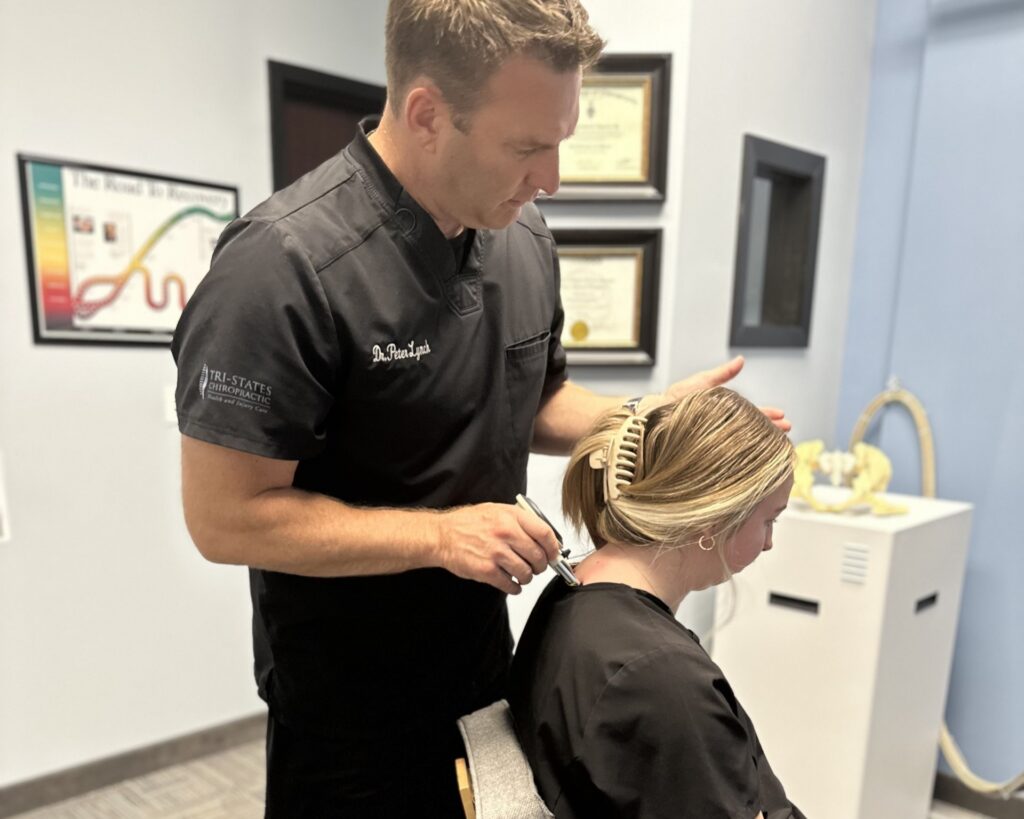
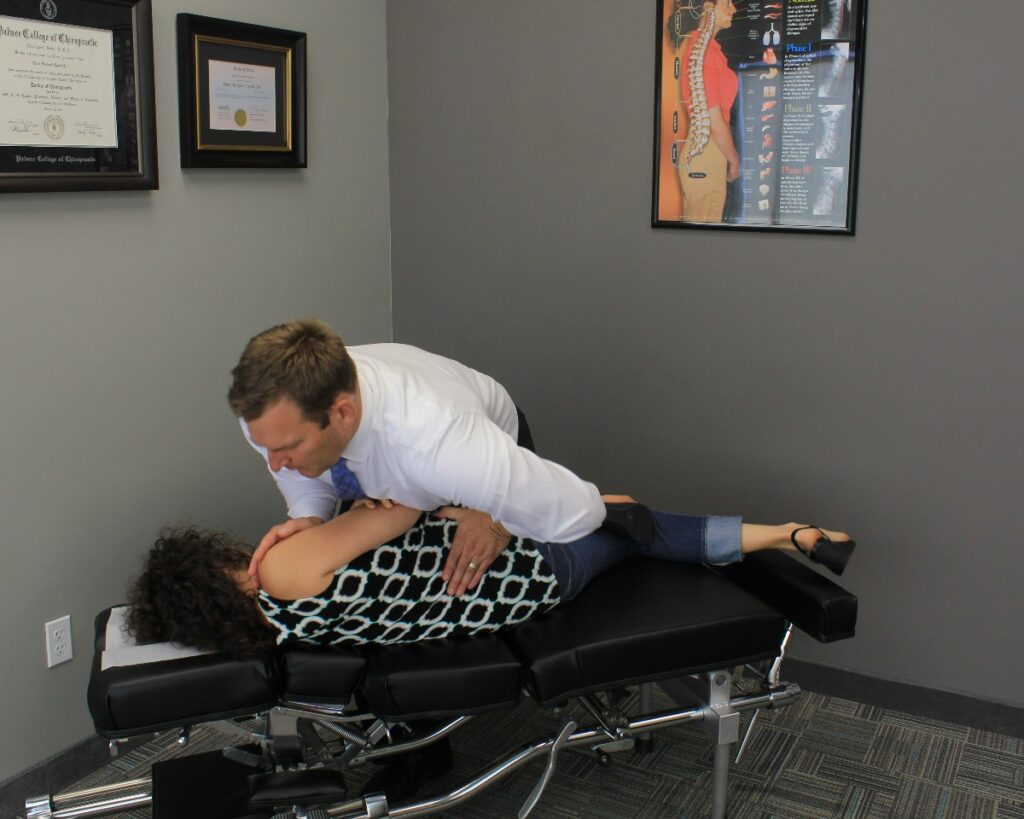
Chiropractic care focuses on the alignment of the spine and how it affects the nervous system. Misalignments can lead to tension and stress, which may contribute to the onset of migraines. Through gentle adjustments and manipulations, we can help restore proper alignment and relieve pressure on your nervous system, potentially reducing the frequency and intensity of your headaches.
Additionally, we emphasize the importance of lifestyle modifications, including nutrition, hydration, and stress management techniques. Incorporating these elements into your daily routine can enhance the effectiveness of chiropractic care and promote overall well-being.
If you’re ready to explore a natural, drug-free approach to managing your migraines, I invite you to schedule a consultation. Together, we can create a personalized care plan that addresses your specific needs and helps you reclaim the vibrant life you deserve.
Understanding Migraines: Causes and Symptoms
As a local chiropractor, I want to help you understand migraines and how they can affect your life. Migraines can be incredibly debilitating, causing a throbbing pain that often occurs on one side of your head. You might also experience nausea, along with heightened sensitivity to light and sound. These episodes can last anywhere from a few hours to several days, significantly impacting your daily activities.
It’s essential to recognize that triggers for migraines can vary widely among individuals. Some common culprits include stress, hormonal changes, specific food sensitivities, and disruptions in sleep. I encourage you to keep a headache diary; this can be a valuable tool in identifying your personal triggers, which will help you manage and potentially reduce the frequency of your migraines.
In addition to the pain, many people experience aura symptoms, such as visual disturbances or tingling sensations, before the headache strikes. Being aware of these early warning signs can help you take proactive measures to address the onset of a migraine.
As a chiropractor, I believe in a holistic approach to health and wellness. By understanding the underlying causes of your migraines and recognizing the associated symptoms, you can work towards finding natural relief and improving your overall quality of life.
Chiropractic care can play a role in this journey by addressing spinal alignment and reducing tension, which may help alleviate migraine symptoms. Together, we can explore natural healing methods that empower you to manage your condition effectively.
The Importance of a Comprehensive Care Plan
As a local chiropractor, I want to emphasize the importance of a comprehensive care plan in managing your migraines effectively.
Understanding that each person’s experience is unique, we focus on individualized treatment approaches that cater specifically to your needs.
By collaborating with various healthcare professionals and integrating natural lifestyle changes, we can help you find relief from your migraines.
Chiropractic care can play a significant role in your overall strategy, as it addresses the root causes of pain and promotes natural healing.
Together, we’ll tailor a plan that aligns with your unique circumstances, guiding you toward a healthier, pain-free life.
Individualized Treatment Approaches
How can a personalized approach to treatment make a significant difference in managing migraines? As a local chiropractor, I believe that understanding your unique symptoms and triggers is essential for effective relief.
An individualized treatment plan tailored to your specific needs, lifestyle, and medical history can greatly enhance your quality of life. Instead of relying on a generic solution, we can explore various natural healing methods that resonate with you, such as chiropractic adjustments, dietary changes, and stress management techniques.
By tracking your migraine patterns, we can work together to identify which strategies are most effective, allowing us to make necessary adjustments along the way. Your active participation in creating a personalized care plan is crucial; it increases the likelihood of finding the relief you seek.
Multidisciplinary Healthcare Collaboration
Managing migraines can often feel daunting, but I want to share how working with a multidisciplinary healthcare team, including chiropractic care, can significantly improve your treatment outcomes.
As a chiropractor, I focus on the musculoskeletal system and how it relates to your overall health, which can play a crucial role in migraine management.
By collaborating with specialists such as neurologists, physical therapists, and nutritionists, we can create a comprehensive care plan that meets your individual needs. Each professional brings valuable insights: for example, I can help identify any spinal misalignments or tension in your body that may contribute to your migraines, while a nutritionist can recommend dietary changes that could lessen the frequency of your attacks.
This teamwork not only addresses the physical symptoms of migraines but also supports your emotional well-being. Regular communication among all healthcare providers ensures that everyone is aligned in your treatment approach, allowing for more effective migraine management.
Embracing a collaborative approach, including the natural healing methods of chiropractic care, can empower you to take control of your health and improve your quality of life.
Let’s work together to find the best solutions for you!
Lifestyle and Wellness Integration
As a local chiropractor, I want to share how integrating lifestyle changes and wellness practices into your migraine management plan can greatly enhance your overall health and well-being.
It’s not just about treating the symptoms; a holistic approach can make a significant difference. By focusing on nutrition, regular exercise, and effective stress management, you can work towards reducing both the frequency and intensity of your migraines.
Let’s start with nutrition. Consuming balanced meals that are rich in magnesium, omega-3 fatty acids, and staying well-hydrated is essential for your body’s functionality and can help mitigate migraine triggers.
Incorporating regular physical activity, such as yoga or even a simple daily walk, can significantly alleviate stress and promote better sleep—two crucial factors in migraine management.
Also, don’t overlook the power of mindfulness. Techniques like meditation and deep breathing exercises can empower you to manage your triggers more effectively.
It’s important to prioritize self-care and establish a consistent routine. As your chiropractor, I encourage you to combine these wellness practices with chiropractic care, which focuses on aligning your spine and improving your nervous system function.
This all-encompassing approach addresses multiple aspects of your well-being and can lead to lasting relief from migraines. Remember, your journey to better health is a partnership, and I’m here to support you every step of the way!
Medications for Migraine Management
When it comes to managing migraines, it’s important to understand that there are various types of medications available, but as a local chiropractor, I want to emphasize the benefits of exploring natural healing methods alongside or instead of traditional medications.
Both preventive and acute treatments exist, each offering unique advantages and potential side effects.
In our practice, we focus on holistic approaches that can complement your migraine management. Techniques such as spinal adjustments, lifestyle modifications, and dietary recommendations may provide relief without the need for medication.
It’s crucial to consider how these natural methods can work alongside any treatments you may already be using or considering.
Let’s discuss how chiropractic care can play a role in your journey toward finding relief from migraines.
Types of Migraine Medications
As a local chiropractor, I want to help you understand the different approaches to managing migraines, especially if you’re not yet familiar with chiropractic care and natural healing.
There are generally two main categories of migraine treatments: acute and preventive.
Acute treatments, such as over-the-counter pain relievers or prescription medications like triptans, are designed to provide quick relief during a migraine attack. These are typically taken as soon as you notice the onset of symptoms.
However, while these medications can be effective, they may come with side effects and don’t address the root cause of the problem.
On the other hand, preventive treatments focus on reducing the frequency and intensity of migraines over time. These may include lifestyle changes, dietary adjustments, and even chiropractic adjustments, which can help alleviate tension and improve spinal health.
Other preventive methods might involve stress management techniques, physical therapy, or nutritional supplements.
It’s important to have a conversation with your healthcare provider about all available options, including natural and holistic treatments like chiropractic care.
By exploring these alternatives, you can take a more proactive approach to managing your migraines and improving your overall well-being.
Preventive vs. Acute Treatments
As a local chiropractor, I want to help you understand the different approaches to managing migraines, particularly through natural healing methods.
When it comes to migraine management, you have two primary options: preventive and acute treatments.
Preventive treatments, such as daily chiropractic adjustments and lifestyle changes, aim to reduce the frequency and severity of migraines over time. By addressing underlying issues in your spine and nervous system, we can help you experience fewer migraines and improve your overall quality of life. This approach is especially beneficial for those who suffer from frequent attacks.
On the other hand, acute treatments focus on providing immediate relief during a migraine episode. In our practice, we might use techniques such as manual therapy, physical therapy modalities, or specific exercises to alleviate pain and associated symptoms when you feel an attack coming on. Many patients find these natural methods effective for occasional migraines as they seek quick relief.
Ultimately, the best approach to managing your migraines depends on your individual situation, how often you experience them, and your personal preferences for treatment.
I encourage you to consult with me or another healthcare provider to explore the most effective strategy tailored to your needs. Together, we can work towards a healthier, more balanced life free from the burden of migraines.
Side Effects and Considerations
As a chiropractor, I want to emphasize that while medications can provide relief from migraines, there are important considerations to keep in mind, especially when exploring natural healing options.
Many individuals experience side effects from these medications, such as dizziness, nausea, and fatigue. Additionally, some may notice changes in mood or have trouble concentrating.
It’s crucial to take a holistic approach to your health. I encourage you to discuss your complete medical history with your healthcare provider, as certain medications may interact with others you’re taking, heightening the risk of complications.
Moreover, relying too heavily on acute treatments can sometimes lead to rebound headaches.
Chiropractic care focuses on aligning the spine and improving overall body function, which can help alleviate migraine symptoms naturally.
It’s important to pay attention to how your body responds to different treatments, whether they’re pharmaceutical or natural. If you notice any concerning symptoms, please communicate this with your healthcare team.
Finding the right balance between effective relief and tolerability is essential for managing your migraines.
I encourage open dialogue with both your chiropractor and healthcare provider to achieve the best outcomes for your health. Together, we can explore the best strategies to support your well-being and reduce migraine occurrences naturally.
Lifestyle Adjustments for Prevention
As a local chiropractor dedicated to your well-being, I want to share some simple lifestyle adjustments that can significantly help in reducing the frequency and intensity of migraines.
One of the first steps is to establish a consistent sleep routine. Aim for 7-9 hours of restorative sleep each night, and try to maintain the same bedtime and wake-up time daily. Quality rest is crucial for your overall health.
Hydration is equally important. Make it a goal to drink at least eight glasses of water per day. Staying well-hydrated can help prevent dehydration-related headaches.
Next, let’s talk about diet. Eating regular meals filled with whole foods can help keep your blood sugar levels stable, which is essential in preventing migraines. Avoid skipping meals and be mindful of your caffeine and alcohol intake, as both can act as triggers for some individuals.
Incorporating regular exercise into your daily routine is also key. Moderate activities, such as walking or practicing yoga, can significantly reduce stress and promote relaxation, which may help alleviate migraine symptoms.
Lastly, I encourage you to explore relaxation techniques like meditation or deep breathing exercises. These practices can be very effective in managing stress levels.
The Role of Alternative Therapies
As a local chiropractor, I want to share how alternative therapies can significantly enhance your approach to managing migraines. Many of my patients have found relief through treatments such as chiropractic care, acupuncture, and mindfulness practices.
Chiropractic care focuses on spinal alignment, which can alleviate tension in the body and reduce headache symptoms. By ensuring that your spine is properly aligned, we can help relieve pressure that might be contributing to your migraines.
Acupuncture is another effective option that targets specific pressure points in the body. This ancient practice can help reduce both the frequency and intensity of migraines, offering a natural approach to pain management.
Additionally, incorporating meditation and mindfulness techniques into your daily routine can be incredibly beneficial. Stress is a common trigger for migraines, and taking just a few minutes each day for deep breathing or mindfulness exercises can help manage that stress.
You might also want to explore herbal supplements like butterbur or feverfew, but it’s essential to consult with your healthcare provider before trying any new treatments.
By integrating these alternative therapies into your migraine management plan, you can take a more comprehensive approach to finding relief and improving your overall well-being.
I’m here to guide you through these options and help you navigate your journey toward a pain-free life.
The Impact of Nutrition on Migraine Relief
As a local chiropractor, I want to emphasize the importance of nutrition in managing migraines and enhancing your overall well-being. Many patients are surprised to learn that what you eat can significantly influence the frequency and severity of headaches.
Here are three dietary strategies to consider for migraine relief:
- Prioritize Hydration: One of the most common triggers for migraines is dehydration. It’s crucial to drink plenty of water throughout the day to support your body’s natural functions. Staying well-hydrated not only helps prevent headaches but also contributes to your overall health.
- Recognize Trigger Foods: Some foods can provoke migraines in certain individuals. Common offenders include aged cheeses, processed meats, and items high in additives. By keeping a food diary, you can track your diet and identify specific foods that may lead to migraines for you. This awareness can empower you to make better dietary choices.
- Add Magnesium-Rich Foods: Research suggests that magnesium can play a role in preventing migraines. Consider incorporating magnesium-rich foods like spinach, nuts, and whole grains into your meals. Boosting your magnesium intake may help reduce the frequency of your headaches and improve your overall health.
As we work together on your chiropractic care, remember that nutrition is a vital component of your journey to wellness. By making informed dietary choices, you can take significant steps toward alleviating your migraine symptoms naturally.
Supportive Treatments: Therapy and Counseling
As a local chiropractor, I want to emphasize that while nutrition is important in managing migraines, it’s just one piece of the puzzle. Supporting your overall well-being through treatments like therapy and counseling can be incredibly beneficial.
Many people may not realize that stress and emotional factors play a significant role in triggering migraines, so it’s vital to address these components as part of your healing journey.
Cognitive-behavioral therapy (CBT) can be particularly effective. It helps you recognize negative thought patterns and equips you with coping strategies to manage stress. A skilled therapist can also teach you relaxation techniques that may help reduce stress levels, potentially leading to fewer migraine episodes.
Additionally, consider joining support groups where you can share your experiences and connect with others who are navigating similar challenges.
Understanding that you’re not alone in this journey can provide both empowerment and encouragement, making the path to relief feel more achievable.
Tracking Triggers and Symptoms for Better Outcomes
Understanding your migraine triggers is a crucial step in achieving relief and enhancing your overall well-being. As a chiropractor, I believe that by tracking your symptoms and triggers, you can uncover valuable insights that will empower you to manage your migraines more effectively.
Here are three key strategies I encourage you to consider:
- Maintain a migraine diary: Document the date, time, and duration of each migraine. Also, record any potential triggers such as dietary choices, stress levels, or changes in your sleep routine. This practice can provide clarity on what may be contributing to your discomfort.
- Look for patterns: Regularly review your diary to identify any recurring triggers. By recognizing these patterns, you can better anticipate and avoid situations that could lead to a migraine, allowing for a more proactive approach to your health.
- Collaborate with a healthcare professional: Bring your findings to your chiropractor or healthcare provider. Together, we can develop a tailored treatment plan that addresses your specific triggers and symptoms. Natural healing approaches, including chiropractic adjustments, may help alleviate tension and improve your overall health, potentially reducing the frequency and intensity of your migraines.