When it comes to managing back pain, understanding the various techniques for wellness is crucial. As a chiropractor, I see firsthand how simple changes in your daily routine can lead to significant improvements in your well-being. From being mindful of your posture to incorporating targeted exercises, there are reliable strategies that can help alleviate pain and promote overall health.
One of the key factors to consider is ergonomics. Ensuring that your workspace is set up correctly can make a world of difference. This means having your computer screen at eye level, using a chair that supports your lower back, and taking regular breaks to stretch and move around.
Mindfulness is another often-overlooked aspect of pain relief. Practicing mindfulness techniques, such as deep breathing or meditation, can help reduce stress and tension in your body, which in turn can ease back pain.
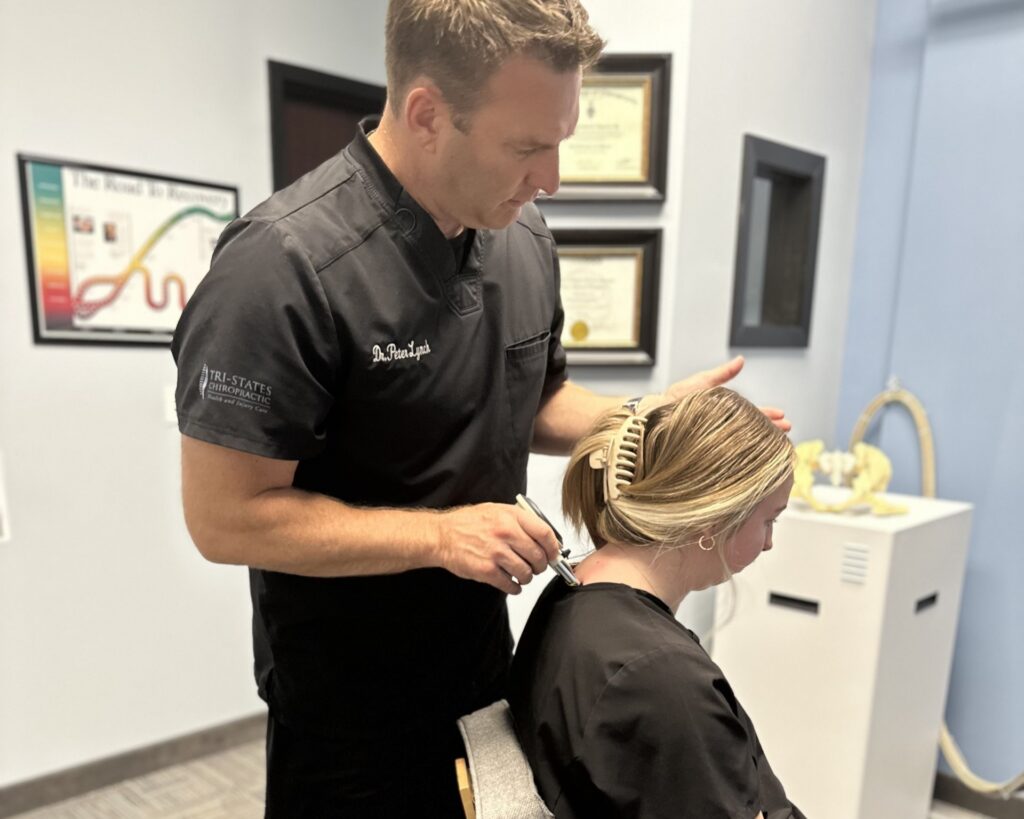
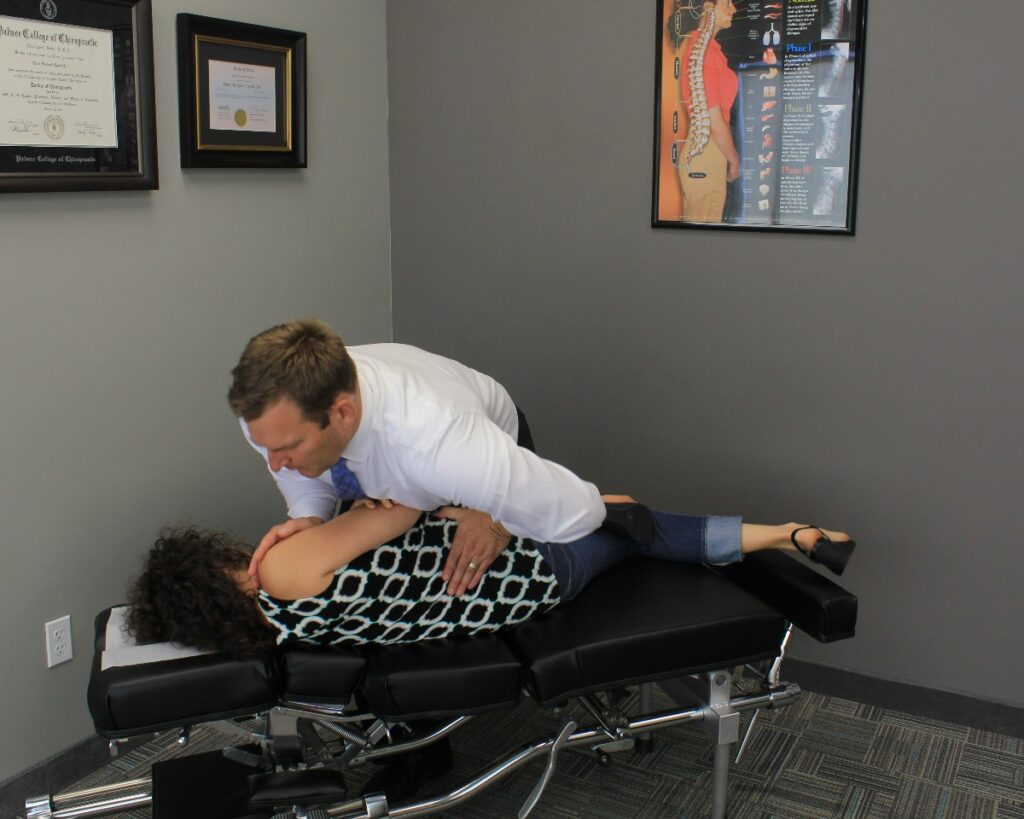
Chiropractic care is an excellent choice for achieving optimal health and pain relief. By focusing on spinal health, we can address the root causes of pain rather than just masking the symptoms. Regular chiropractic adjustments can help keep your spine aligned, improve your posture, and enhance your overall function.
Here are some general tips you can incorporate into your daily routine for better back health:
- Maintain Good Posture: Be conscious of your posture whether sitting, standing, or walking. Keeping your spine aligned can help prevent pain.
- Stay Active: Engage in low-impact exercises like walking, swimming, or yoga. These activities can strengthen your back muscles and improve flexibility.
- Use Supportive Furniture: Invest in a chair that offers good lumbar support and makes sure your workspace is ergonomically friendly.
- Take Breaks: If you sit for long periods, make it a habit to stand, stretch, and move around every hour.
- Listen to Your Body: If you feel discomfort, don’t ignore it. Pay attention to what your body is telling you and take action to address any issues.
By following these tips and considering chiropractic care as a primary approach to wellness, you can take significant steps toward alleviating back pain and enhancing your quality of life. Remember, a healthy spine equals a healthy you!
Key Takeaways
- One of the simplest ways to support your back health is by maintaining proper posture and spine alignment throughout your daily activities. Whether you’re sitting, standing, or lifting, being mindful of your posture can significantly reduce strain on your back.
- Engaging in regular low-impact exercises like walking or swimming is not only enjoyable but also essential for strengthening your back and core muscles. These activities can help create a strong foundation for your spine and enhance overall wellness.
- Incorporating gentle stretching techniques such as Cat-Cow and Child’s Pose into your routine can work wonders for improving flexibility and relieving tension in your back. These stretches can help keep your spine limber and reduce discomfort.
- You can also benefit from simple at-home remedies like heat and cold therapy. Applying heat can relax tight muscles, while cold therapy can help reduce swelling and numb pain, especially after physical activity or adjustments.
- If you’re experiencing persistent or severe pain, numbness, or any changes in your body that self-care doesn’t alleviate, it’s important to seek professional help. As a chiropractor, I can provide the necessary care to address these issues and guide you towards a path of natural healing and optimal health.
By prioritizing chiropractic care, you can take proactive steps towards a healthier spine and overall wellness. Remember, small changes can lead to significant improvements in your quality of life!
Understanding the Causes of Back Pain
When it comes to back pain, understanding its various causes is crucial, as they can differ greatly from one individual to another. Many people experience discomfort from muscle strains, which often happen due to heavy lifting or awkward movements. Herniated discs can also be a source of pain, as they press on nerves and can lead to sharp sensations. If you’ve been sedentary, weak core muscles might result in instability, increasing your risk of injury.
Conditions like arthritis or scoliosis can contribute to chronic pain, making daily activities challenging. It’s important to remember that stress and anxiety can also play a significant role in back pain, as they often lead to muscle tension. Additionally, your sleeping position can greatly impact how your back feels upon waking.
Chiropractic care is an excellent approach to address these issues naturally. By working with a chiropractor, you can identify the specific cause of your back pain and receive a tailored treatment plan that promotes healing and restores your body’s optimal function.
Here are some general tips for managing back pain:
- Stay Active: Engage in low-impact exercises like walking or swimming to strengthen your back and core muscles.
- Maintain Good Posture: Whether sitting at your desk or lifting objects, proper posture can help prevent strain.
- Stretch Regularly: Incorporate stretching into your daily routine to improve flexibility and reduce tension.
- Create a Supportive Sleep Environment: Ensure your mattress and pillows support a neutral spine position while you sleep.
- Manage Stress: Practice relaxation techniques such as deep breathing or yoga to reduce muscle tension caused by stress.
The Importance of Posture in Pain Management
Maintaining good posture is crucial in managing back pain and promoting overall spinal health. When your spine is aligned properly, it reduces strain on the muscles and ligaments, allowing for better movement and less discomfort. Whether you’re sitting, standing, or walking, proper posture helps distribute your body weight evenly, easing pressure on your back.
To start, be mindful of your posture throughout the day. Keep your shoulders back, align your head with your spine, and ensure your feet are flat on the ground when seated. If you catch yourself slumping or leaning, take a moment to adjust your position. Regularly checking in with your posture can help prevent bad habits from forming and keep discomfort at bay.
Incorporating ergonomic furniture into your workspace can also support your posture, especially if you spend long hours at a desk. A good chair that supports your lower back and a desk at the right height can make a significant difference. Remember, prioritizing your posture is a proactive step toward alleviating back pain and enhancing your overall well-being.
As a chiropractor, I emphasize the importance of spinal health in achieving optimal wellness. Regular chiropractic adjustments can help maintain proper alignment, reduce pain, and improve your overall quality of life. By choosing chiropractic care, you’re opting for a natural approach to healing that focuses on your body’s ability to heal itself. Embrace these tips, and take charge of your health today!
Stretching Techniques for Flexibility and Relief
Stretching plays a crucial role in enhancing flexibility and alleviating back pain. Incorporating effective stretching exercises into your daily routine can significantly improve your mobility and help you feel more comfortable in your body. As a chiropractor, I want to emphasize that natural methods, such as stretching and chiropractic care, are your best options for achieving optimal health without the need for surgeries or medications.
Here are some simple yet effective stretching techniques that can make a meaningful impact on your wellness journey:
- Cat-Cow Stretch: This gentle stretch helps increase flexibility in the spine and can relieve tension in your back. Start on all fours, arch your back upward like a cat (Cat pose) and then lower your belly while lifting your head and tailbone (Cow pose). Repeat this sequence several times to ease stiffness.
- Child’s Pose: This restorative pose stretches the back and hips. Kneel on the floor, sit back on your heels, and extend your arms forward as you lower your torso. Hold this position for a few deep breaths to relax your spine and release tension.
- Seated Forward Bend: Sit with your legs extended in front of you and gently reach toward your toes. This stretch targets the lower back and hamstrings, promoting flexibility and reducing discomfort.
- Torso Twist: While sitting or standing, gently twist your torso to one side and hold for a few breaths, then switch sides. This movement helps improve spinal mobility and can alleviate tightness in your back.
Incorporating these stretches into your daily routine can enhance your overall wellness and support your chiropractic care.
Remember, flexibility and spinal health go hand in hand. Regular chiropractic adjustments can complement your stretching routine, ensuring your spine is aligned and functioning optimally.
For the best results, listen to your body and avoid pushing yourself too hard. Consistency is key, and with time, you’ll likely notice an improvement in your flexibility and a reduction in discomfort. Embrace these natural methods and consider chiropractic care as an integral part of your path to wellness.
Importance of Stretching
How often do you take a moment to stretch your muscles? As a chiropractor, I can’t stress enough how vital stretching is for maintaining flexibility and preventing injuries. Regular stretching enhances your range of motion, making daily activities easier and more enjoyable. Plus, it promotes blood circulation, which not only aids in recovery but also helps reduce tension in your muscles—key components for a healthy spine.
Here’s a quick overview of the benefits of stretching:
| Benefit | Description |
|---|---|
| Increased Flexibility | Improves overall mobility, allowing your body to function better. |
| Injury Prevention | Reduces the risk of muscle strains, helping you stay active and pain-free. |
| Enhanced Circulation | Promotes blood flow and nutrient delivery, supporting your body’s natural healing processes. |
| Stress Relief | Eases tension and promotes relaxation, contributing to overall wellness. |
Incorporating stretching into your daily routine can significantly improve your overall health, including relief from back pain. Remember, chiropractic care is an excellent way to address any pain or discomfort you may be experiencing. It supports natural healing and helps maintain a healthy spine.
To get started, try these simple stretching tips:
- Set a Routine: Dedicate a few minutes each day to stretch, especially after sitting for long periods.
- Listen to Your Body: Stretch gently and never push yourself to the point of pain.
- Focus on Major Muscle Groups: Target areas like your neck, shoulders, back, and legs for the best results.
- Breathe Deeply: Inhale deeply as you stretch to enhance relaxation and blood flow.
Effective Stretching Exercises
Incorporating effective stretching exercises into your daily routine can greatly enhance your flexibility and provide much-needed relief from pain, especially in your back. These stretches are a fantastic way to improve your range of motion and alleviate tension, which is crucial for maintaining a healthy spine.
As a chiropractor, I want to share some simple techniques that can help you feel better and promote natural healing:
- Cat-Cow Stretch: This gentle movement is excellent for warming up your spine. It helps to ease tension in your back and can be done easily at home.
- Child’s Pose: This calming stretch allows your spine to lengthen while relaxing your muscles. It’s perfect for relieving stress and tension.
- Seated Forward Bend: This stretch targets your hamstrings and lower back, helping to alleviate tightness. It’s a great way to unwind after a long day.
- Kneeling Hip Flexor Stretch: Opening up your hips can help reduce strain on your back. This stretch is especially beneficial if you spend a lot of time sitting.
- Torso Twist: This movement increases spinal mobility and helps relieve tension in your back. It’s a simple way to keep your spine healthy.
Regularly practicing these stretches can significantly improve your overall wellness and complement the benefits of chiropractic care. Remember, chiropractic adjustments focus on aligning your spine, which can enhance the effectiveness of your stretching routine.
Strengthening Exercises for Back Support
Strengthening your back is crucial for maintaining good posture and preventing pain, and chiropractic care can play a key role in achieving optimal back health. By incorporating targeted exercises into your routine, you can enhance your back support and overall well-being.
Start with planks, which engage your core and lower back. Aim for three sets of 30 seconds, gradually increasing the duration as you build strength. This exercise not only stabilizes your spine but also helps in preventing injuries.
Next, try bridges to activate your glutes and lower back muscles. Lie on your back with your knees bent, then lift your hips towards the ceiling, holding for a few seconds before lowering down. Perform three sets of 10 to 15 repetitions. This simple exercise can help alleviate lower back pain and strengthen the supporting muscles.
Don’t overlook the benefits of rows, whether using dumbbells or resistance bands. This exercise strengthens your upper back, which is essential for promoting better posture. Aim for three sets of 10 to 12 reps. A strong upper back can greatly reduce strain on your spine and help you maintain an upright position throughout your day.
Additionally, consider incorporating yoga or Pilates into your wellness routine. These practices not only strengthen your back but also enhance flexibility and balance, creating a well-rounded approach to back health. Plus, they can be a great complement to your chiropractic care, as they focus on proper alignment and body awareness.
Remember, chiropractic care is a natural and effective way to support your spine and overall health. Regular adjustments can help ensure your spine is properly aligned, which allows these strengthening exercises to be more effective. Always listen to your body and consult with your chiropractor about the best exercises for your specific needs.
Prioritize your back health, and you’ll be on your way to a pain-free and active life!
The Role of Mindfulness and Meditation
Mindfulness and meditation can be powerful tools for managing back pain, and as a chiropractor, I encourage you to consider these practices alongside regular chiropractic care.
By incorporating mindfulness into your daily routine, you can become more aware of your body and its signals, helping to identify areas of tension or discomfort. This awareness can reduce stress, which is often a key factor that makes back pain worse.
Let’s look at some simple meditation techniques that can complement your chiropractic treatments and enhance your overall well-being:
- Breathing Exercises: Begin by finding a comfortable seated position. Close your eyes and take deep, slow breaths. Focus on your breath as you inhale and exhale. This can help calm your mind and relieve tension in your back.
- Body Scan: Lie down in a quiet space and slowly bring your attention to each part of your body, starting from your toes and moving up to your head. Notice any areas of discomfort and practice relaxing them. This technique can help you become more in tune with your body and promote relaxation.
- Guided Visualization: Picture a peaceful place where you feel safe and comfortable. Imagine the sights, sounds, and sensations of this place. This form of meditation can help distract you from pain and promote a sense of well-being.
In addition to these meditation techniques, maintaining a healthy lifestyle is vital for spinal health. Regular chiropractic adjustments can help align your spine, reducing pain and improving your overall function.
Remember to stay active with gentle exercises, maintain good posture, and listen to your body’s signals.
Benefits of Mindfulness Practice
While back pain can be a significant challenge, incorporating mindfulness and meditation into your daily routine can provide a natural avenue for relief and improved well-being. As a chiropractor, I believe that these practices, when combined with chiropractic care, can enhance your overall quality of life and help you achieve optimal health.
Here are some key benefits of mindfulness that can complement your chiropractic treatments:
- Reduces stress and anxiety: Stress can exacerbate back pain, so learning to manage it through mindfulness can create a more conducive environment for healing.
- Enhances body awareness: Mindfulness helps you tune into your body’s signals, making it easier to recognize when something feels off and communicate that with your chiropractor.
- Improves emotional regulation: Managing your emotions can lead to a more positive outlook on recovery and the healing process.
- Promotes relaxation and better sleep: Quality sleep is crucial for healing. Mindfulness practices can help calm your mind, allowing for deeper, restorative sleep.
- Increases resilience to pain: By cultivating mindfulness, you may find that your perception of pain shifts, making it easier to cope with discomfort.
When you practice mindfulness, you become more aware of your body and how it feels. This awareness can help you respond to discomfort with a sense of ease rather than stress.
As you build this skill, you may notice a decrease in your pain levels and an increase in mental clarity.
Remember, embracing mindfulness isn’t just about managing pain—it’s about achieving a balanced and healthy lifestyle. Here are some simple tips to get started:
- Set aside a few minutes each day: Find a quiet space and focus on your breath. This can help center your mind and reduce stress.
- Practice body scanning: Lie down comfortably and focus on each part of your body, noting any tension or discomfort. This can enhance your body awareness.
- Incorporate mindfulness into your daily activities: Whether you’re eating, walking, or even stretching, try to be fully present in the moment. This can make everyday tasks more enjoyable and reduce stress.
Combining mindfulness practices with regular chiropractic care can lead to a holistic approach to your health and well-being. Together, they create a powerful synergy that can help you manage pain naturally and promote a healthier, more vibrant life.
Meditation Techniques for Pain
When it comes to managing pain, especially back pain, incorporating meditation techniques can be a valuable complement to chiropractic care. As a chiropractor, I believe that focusing on holistic methods can enhance your healing process, reduce stress, and improve your overall well-being. Here are some simple meditation techniques you can try that work hand-in-hand with chiropractic treatments:
| Technique | Description |
|---|---|
| Deep Breathing | Inhale deeply through your nose, and exhale slowly through your mouth. Focus on the rhythm of your breath to help calm your mind and body. |
| Body Scan | Lie down comfortably and mentally scan your body from head to toe. Notice areas of tension and consciously relax them. This awareness can help you identify where your pain may be stemming from. |
| Guided Imagery | Picture a peaceful scene, like a beach or a forest, in your mind. Engaging your imagination helps distract you from pain and fosters relaxation, which is essential for your healing journey. |
| Loving-Kindness | Spend a few moments sending thoughts of compassion to yourself and others. This practice can promote emotional healing and strengthen your mind-body connection. |
Incorporating these techniques into your daily routine can significantly improve your pain management and support the chiropractic adjustments you receive. Remember, meditation is not a replacement for chiropractic care, but rather a wonderful way to enhance your healing process naturally. By embracing these practices, you can cultivate a deeper sense of well-being and resilience against pain. Give it a try, and see how it complements your path to optimal health!
Heat and Cold Therapy for Pain Relief
For those experiencing back pain, incorporating heat and cold therapy can be a transformative approach to finding relief. These natural methods can help reduce inflammation, ease muscle tension, and promote healing—essential components of a healthy spine.
Here’s how to effectively weave them into your daily routine while complementing your chiropractic care:
- Heat therapy: Try applying a warm towel or heating pad to relax tight muscles. This method can enhance blood flow and provide soothing relief to areas affected by tension.
- Cold therapy: An ice pack can be your best friend when dealing with sharp pain. It helps to numb discomfort and reduce swelling, making it a great tool to use after a chiropractic adjustment.
- Timing: Consider alternating between heat and cold. Start with cold therapy to minimize inflammation right after any strain, then switch to heat to help relax your muscles. This combination can enhance the benefits of your chiropractic treatments.
- Duration: Limit each session to 15-20 minutes. This is important to avoid skin damage and ensure you’re getting the most effective treatment without any adverse effects.
- Listen to your body: Pay attention to how your body responds. If either method seems to worsen your pain, stop using it. Always consult your chiropractor for personalized advice on your pain management journey.
Incorporating these methods into your routine, alongside regular chiropractic care, can lead you to optimal health and wellness.
Ergonomic Adjustments in Daily Life
Finding relief from back pain goes beyond just heat and cold therapy; it involves making simple ergonomic adjustments in your daily life that can significantly enhance your comfort and well-being. As a chiropractor, I want to guide you in creating a supportive environment that helps alleviate pain naturally, promoting a healthier lifestyle.
Start by evaluating your workspace. Your chair should offer proper support to your lower back, which is essential for maintaining good spinal health. Position your computer screen at eye level to prevent unnecessary neck strain. When sitting, ensure that your feet are flat on the floor; if not, consider using a footrest to help maintain proper posture.
In your kitchen, maintaining a comfortable posture while cooking is crucial. Keep frequently used items within easy reach to minimize bending and stretching, which can exacerbate back pain. If you spend a lot of time driving, adjust your car seat to sit upright with your knees slightly lower than your hips, promoting spinal alignment during your travels.
When lifting objects, remember to bend at the knees and keep the load close to your body to protect your spine. These simple adjustments not only support better posture but also contribute to your overall health and wellness.
Incorporating chiropractic care into your routine can further enhance these benefits. Regular adjustments help keep your spine aligned and functioning optimally, allowing your body to heal naturally and effectively. By focusing on these ergonomic practices and committing to chiropractic care, you’re taking proactive steps towards a pain-free life.
The Benefits of Regular Physical Activity
Engaging in regular physical activity is vital for your overall health and can greatly help alleviate back pain. As a local chiropractor, I want to emphasize how staying active complements chiropractic care in promoting a healthier spine.
When you incorporate physical activity into your routine, you not only strengthen your core muscles but also enhance your flexibility and posture. These factors play a crucial role in supporting a healthy spine and preventing discomfort.
Here are some key benefits you’ll notice when you stay active:
- Increased blood flow to your back muscles, which helps in healing and nourishment.
- Reduced muscle tension and stiffness, leading to greater comfort and mobility.
- Improved mood and reduced stress levels, which are essential for overall well-being.
- Enhanced mobility and range of motion, making daily activities easier.
- Better sleep quality and recovery, allowing your body to heal and rejuvenate.
To maximize these benefits, consider incorporating simple exercises like walking, stretching, or yoga into your daily routine. These activities can easily fit into your lifestyle and complement the adjustments you receive through chiropractic care.
Exploring Alternative Therapies
When it comes to managing back pain, many people are seeking effective and natural solutions outside of traditional treatments. As a chiropractor, I believe that chiropractic care stands out as one of the best ways to achieve optimal health and relief from pain. With a focus on spinal health, chiropractic adjustments can improve mobility, alleviate discomfort, and enhance overall wellness without the need for medications or invasive procedures.
While there are various alternative therapies available, I encourage you to consider the unique benefits of chiropractic care. Here’s a brief overview of how chiropractic can support your journey to better health:
| Therapy Type | Benefits | Considerations |
|---|---|---|
| Chiropractic | Restores spinal alignment, reduces pain, improves mobility | Safe and suitable for most people |
Chiropractic care focuses on the body’s natural ability to heal itself. By aligning the spine and ensuring that the nervous system functions optimally, you may experience significant relief from back pain and other related issues. It’s a holistic approach that emphasizes wellness and prevention, so you can enjoy a healthier, more active lifestyle.
In addition to chiropractic adjustments, here are some general tips to help manage your back pain:
- Maintain Good Posture: Be mindful of how you sit, stand, and move throughout your day. Good posture can reduce strain on your back and improve alignment.
- Stay Active: Gentle exercises, like walking or stretching, can help keep your muscles strong and flexible. Regular movement is crucial for back health.
- Apply Heat or Cold: Using a heating pad or ice pack can provide temporary relief from pain and inflammation. Just be sure to wrap it in a cloth to protect your skin.
- Stay Hydrated: Drinking plenty of water supports overall health and can help maintain the elasticity of spinal discs.
- Consider Regular Chiropractic Visits: Making chiropractic care a part of your routine can help you stay aligned and prevent future pain.
Exploring chiropractic care could be a significant step in your back pain management plan. Remember, everyone’s body is different, so it’s essential to find what works best for you. By prioritizing spinal health and embracing a natural approach, you can pave the way for a healthier, pain-free life.
When to Seek Professional Help
Although many individuals dealing with back pain may attempt to alleviate their discomfort at home, it’s crucial to recognize when it’s time to seek professional assistance for effective recovery.
If your pain lingers or intensifies, don’t hesitate to consult a chiropractor. Here are some signs that indicate it might be time to reach out for support:
- You experience severe pain that doesn’t improve with rest or simple home remedies.
- You’re feeling numbness, tingling, or weakness in your legs.
- You notice any changes in your bowel or bladder function.
- Your pain originated after an injury or accident.
- You develop a fever, experience unexplained weight loss, or have ongoing fatigue.
Listening to your body is essential. If you’re encountering any of these symptoms, connecting with a chiropractor can help you explore natural treatment options that promote healing and overall wellness.
Chiropractic care focuses on spinal health, enabling your body to function optimally and recover naturally.
In addition to seeking professional help, here are some general tips to support your back health:
- Maintain Good Posture: Be mindful of your posture while sitting, standing, and lifting. Keeping your spine aligned can help reduce strain.
- Stay Active: Engage in regular physical activity to strengthen your back muscles and improve flexibility.
- Practice Stress Management: Techniques such as deep breathing, meditation, or yoga can help relieve tension that may contribute to back pain.
- Use Ergonomic Furniture: Invest in chairs and workspaces that support your spine, especially if you spend long hours at a desk.
- Stay Hydrated: Drinking plenty of water supports overall health and helps maintain the elasticity of your spinal discs.
Early intervention through chiropractic care often leads to better outcomes, so trust your instincts and prioritize your health.
Your journey towards optimal wellness starts with taking proactive steps to care for your spine!