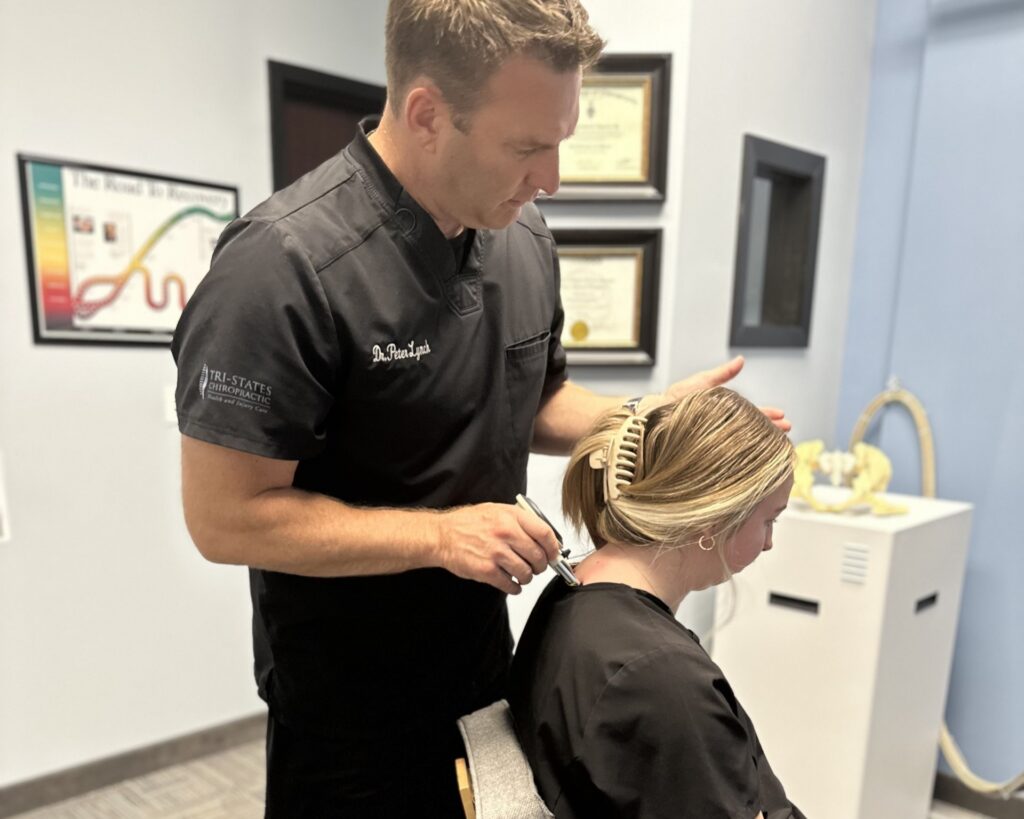
If you're dealing with back pain, I want you to know that you're not alone, and I'm here to help you navigate the path to relief.
Many of my patients come to me after trying various remedies without finding lasting results, but I assure you there are proven techniques that can truly make a difference in your life.
As a chiropractor, I focus on natural healing methods that address the root causes of pain rather than just masking the symptoms.
Simple stretching exercises can often provide immediate relief, while more comprehensive approaches such as heat therapy and core strengthening can contribute to long-term health and stability.
It's important to understand which techniques are best suited for your specific situation, and I encourage you to explore the benefits of chiropractic care.
You may be pleasantly surprised by the positive changes you can experience through these natural healing practices.
Let's work together to find the right solutions for your back pain and improve your overall well-being.
Understanding Back Pain
As a local chiropractor, I want to shed some light on back pain, something many of you may have experienced at one point in your lives. It's a prevalent issue that can really disrupt your daily routine. Understanding the nature of this pain is essential for finding effective relief, especially through natural healing methods.
Back pain can arise from a variety of sources, such as muscle strain, injury, or underlying health conditions. You might feel sharp, shooting pain, a dull ache, or stiffness, and the intensity of these sensations can differ from person to person. Your back is a complex structure made up of bones, muscles, nerves, and discs, all working in harmony to support your movements. However, when you overexert yourself or maintain poor posture, you can put undue stress on these components. Even something as simple as bending over to pick something up can cause discomfort.
It's crucial to listen to your body and recognize patterns associated with your pain. Many of my patients find that emotional factors, like stress, can also play a significant role in their back pain. When you're stressed, tension often builds in your muscles, which can intensify discomfort. You might notice that during high-pressure situations, your back feels tighter than usual.
Identifying the triggers and symptoms of your back pain can help you explore effective management strategies. If you're experiencing persistent pain, I encourage you to seek guidance from a healthcare professional, like a chiropractor. We can work together to understand the underlying causes of your discomfort and recommend suitable treatment options. These might include chiropractic adjustments, physical therapy, or lifestyle changes that promote better spinal health.
Taking charge of your back health is the first step toward relief. Remember, natural healing approaches can be powerful allies in your journey to a pain-free life.
Importance of Good Posture
As a local chiropractor, I often find myself asking patients how much attention they pay to their posture throughout the day. You may not realize it, but your posture is incredibly important for your overall health, particularly when it comes to preventing and alleviating back pain. Good posture helps to evenly distribute your body weight, which reduces stress on your spine and surrounding muscles. When you slouch or hunch over, it creates imbalances that can lead to discomfort or pain over time.
Maintaining proper posture goes beyond just standing tall; it also encompasses how you sit, walk, and even sleep. For instance, when you're sitting at your desk, ensure that your back is straight, your shoulders are relaxed, and your feet are flat on the floor. If you're standing, distribute your weight evenly across both feet. These minor adjustments may seem insignificant, but they can make a substantial difference in how your back feels.
Furthermore, good posture has the added benefit of enhancing your breathing and circulation. When your spine is properly aligned, your lungs have more room to expand, allowing for deeper breaths. This can lead to increased energy levels and improved focus throughout your day. In contrast, poor posture can contribute to muscle fatigue and tension, making you feel more exhausted than necessary.
Incorporating good posture habits into your daily routine is essential for achieving long-term relief from back pain. So, I encourage you to take a moment right now to assess your posture. It's a simple yet powerful way to invest in your health and well-being. Remember, your back will thank you for making these conscious efforts! If you have any concerns or are experiencing pain, please don't hesitate to reach out for a consultation. Together, we can work towards a healthier, pain-free life through proper alignment and posture.
Stretching Exercises for Relief
As a local chiropractor, I want to emphasize the importance of stretching exercises in relieving back pain and enhancing your overall flexibility. Many individuals are unaware that incorporating a consistent stretching routine can significantly alleviate tension, improve your range of motion, and increase your comfort in everyday activities. By focusing on the muscles in your back, hips, and legs, you can effectively reduce tightness and help prevent future discomfort.
I recommend starting with gentle stretches that specifically target your lower back and hamstrings. One of the most effective stretches is the knee-to-chest stretch. To perform this, lie on your back and gently pull one knee toward your chest while keeping the other leg extended. Hold this position for 15-30 seconds before switching legs. This simple movement can help to relax your lower back and enhance your flexibility.
Another stretch that I find beneficial for my patients is the cat-cow stretch. Begin on all fours, ensuring your wrists are directly beneath your shoulders and your knees are under your hips. Inhale deeply as you arch your back, lifting your head and tailbone towards the ceiling. Then, exhale as you round your spine, tucking your chin to your chest. Repeat this sequence several times to help release any tension along your spine.
You might also consider the seated forward bend. Sit with your legs extended in front of you and gradually reach for your toes, all while keeping your back straight. Hold this stretch for 15-30 seconds. This exercise not only stretches your lower back but also effectively targets your hamstrings.
It's essential to listen to your body during these stretches; never push yourself into pain. Regular stretching is a simple yet powerful tool in your back pain relief strategy. As your chiropractor, I'm here to guide you through these natural healing techniques and support your journey toward a healthier back.
Strengthening Your Core
As a chiropractor, I often emphasize the importance of a strong core for maintaining a healthy back and preventing pain. When you strengthen your core muscles, you create a solid foundation that supports your spine, which can significantly reduce the risk of injury and discomfort. It's a common misconception that core strength solely pertains to achieving a six-pack; in reality, it encompasses all the muscles in your abdomen, back, and pelvis. By focusing on these areas, you can enhance your overall stability and posture, which is crucial for your well-being.
Here are some effective exercises I recommend to strengthen your core:
- Planks: Holding a plank position for 30 seconds to a minute activates multiple core muscles, providing excellent stability.
- Bridges: Lying on your back with your knees bent, lift your hips and squeeze your glutes. This exercise effectively targets your lower back and glutes, promoting strength in those areas.
- Russian Twists: While sitting on the floor with your knees bent, lean back slightly and twist your torso side to side. This movement engages the obliques and improves rotational strength.
- Bird-Dogs: On all fours, extend one arm and the opposite leg while maintaining stability. This exercise enhances balance and coordination, which are vital for overall movement.
- Dead Bugs: Lying on your back with your arms and legs elevated, lower opposite limbs while keeping your core engaged. This exercise reinforces core stability and coordination.
I encourage you to incorporate these exercises into your routine, aiming for at least two to three sessions a week. As you develop your core strength, you may notice improved balance and a reduction in back pain. Remember, consistency is essential, so stay committed to your core-strengthening journey for long-lasting health benefits. If you have any questions or need guidance on how to perform these exercises safely, feel free to reach out during your next visit!
Heat and Cold Therapy
As a local chiropractor dedicated to helping you manage your back pain effectively, I want to highlight the powerful benefits of heat and cold therapy. These natural methods can significantly enhance your healing process.
Heat therapy is excellent for loosening tight muscles and boosting blood circulation, which can promote healing and alleviate discomfort. On the other hand, cold therapy is beneficial for reducing inflammation and numbing any sharp pain you may be experiencing. Understanding how to properly utilize these therapies can empower you to make informed choices tailored to your specific needs. Let's explore how incorporating heat and cold therapy into your routine can support your recovery and overall well-being.
Benefits of Heat Therapy
As your local chiropractor, I want to share with you the benefits of heat therapy, especially if you're dealing with back pain. Many of my patients find heat therapy to be a soothing and effective way to alleviate discomfort and support the healing process. When you apply heat to the affected area, it can enhance blood circulation, relax tight muscles, and reduce stiffness, which in turn can provide significant relief and help you engage in your daily activities more comfortably.
Here are some important benefits of heat therapy that I encourage you to consider:
- Enhanced Blood Circulation: Applying heat increases blood flow to the injured area, allowing vital nutrients and oxygen to reach the tissues that need healing.
- Muscle Relaxation: Heat has a wonderful way of relaxing tense muscles, which not only helps reduce pain but also improves your overall mobility.
- Pain Relief: The warmth can interrupt pain signals being sent to your brain, providing a calming effect that can make a difference in how you feel.
- Improved Flexibility: The heat increases the elasticity of your tissues, making it easier to stretch and move without discomfort.
- Stress Reduction: The gentle warmth can also help reduce stress levels, contributing to your overall sense of well-being.
Incorporating heat therapy into your routine can be a valuable part of managing your back pain. Just remember to use it safely—avoid applying heat for extended periods or at excessively high temperatures to prevent any skin irritation. If you have any questions about how to integrate heat therapy with your chiropractic care, feel free to ask during your next visit!
Advantages of Cold Therapy
As your local chiropractor, I want to share with you the incredible benefits of cold therapy in managing back pain, especially if you're new to chiropractic care and natural healing. While many may think of heat therapy for soothing relief, cold therapy, also known as cryotherapy, plays a crucial role in reducing inflammation and numbing the affected area, which can provide immediate comfort.
When you apply a cold compress or ice pack to your back, it constricts blood vessels, thereby decreasing swelling and alleviating pain. This is particularly effective after an injury or during flare-ups of discomfort. Cold therapy works by slowing down nerve conduction, which can help lessen the sensation of pain and promote mobility.
I often recommend applying cold for about 15-20 minutes at a time, several times a day, for optimal results. Just make sure to wrap your ice packs in a cloth to protect your skin from frostbite.
One of the great things about cold therapy is how easily accessible it is. You can purchase ice packs or simply grab a bag of frozen vegetables from your freezer. This makes it a convenient option for managing back pain, no matter where you are.
Massage and Manual Therapy
As a local chiropractor, I want to share how massage and manual therapy can be incredibly beneficial for those dealing with back pain. These therapies promote relaxation and enhance blood circulation, which are essential for healing. There are a variety of techniques available that focus on specific muscle groups, helping to relieve tension and discomfort. By understanding these advantages, you can make informed decisions about the right treatment options for your unique situation. Embracing chiropractic care and natural healing can be a transformative step towards a pain-free life.
Benefits of Massage Therapy
As you seek ways to alleviate back pain, I want to introduce you to the benefits of massage therapy, which can complement chiropractic care and significantly enhance your overall well-being. Massage therapy not only targets the muscles and tissues in your back but also promotes relaxation and stress relief. Here are some key benefits that you may experience:
- Reduced Muscle Tension: Massage therapy effectively releases tight muscles, leading to improved movement and flexibility, making it easier for you to perform daily activities.
- Improved Circulation: By increasing blood flow, massage aids in the healing process and delivers essential nutrients to the affected areas, which is crucial for recovery.
- Pain Relief: Many of my patients find that regular massage sessions can significantly reduce their pain levels and discomfort, making it a valuable addition to their treatment plan.
- Enhanced Mental Well-being: The relaxation you experience during a massage can help alleviate anxiety and elevate your mood, contributing to a more positive outlook on life.
- Better Sleep: With reduced pain and stress, you may discover that falling asleep and staying asleep becomes easier, leading to better overall health.
Incorporating massage therapy into your wellness routine can be a powerful step toward achieving lasting relief and improved quality of life. If you're curious about how massage can work alongside chiropractic care, I encourage you to ask questions during your next visit.
Techniques in Manual Therapy
As a local chiropractor dedicated to helping you find relief from back pain, I want to introduce you to some effective techniques within manual therapy that can support your healing journey. Manual therapy involves hands-on methods aimed at reducing pain and enhancing mobility, and it can be a powerful complement to your overall wellness.
One widely used technique is deep tissue massage. This method focuses on the deeper layers of muscle and connective tissue, helping to release chronic tension and those pesky knots that may be contributing to your discomfort. Many patients find that this targeted approach provides significant relief.
Another valuable technique is myofascial release. This involves applying gentle, sustained pressure to the fascia—the connective tissue that surrounds your muscles. By doing so, we can help release restrictions and improve your overall movement, which is essential for long-term healing.
You may also benefit from trigger point therapy. This technique specifically targets tight areas within your muscles that can cause referred pain in other parts of the body. By addressing these trigger points, we can alleviate discomfort and enhance your quality of life.
In addition to these techniques, spinal manipulation is a cornerstone of chiropractic care. By realigning the vertebrae in your spine, we can potentially reduce pain and improve your overall function. Many patients find that a combination of these manual therapy techniques, along with stretching and strengthening exercises, yields the best results.
It's important for you to communicate openly with me about your pain levels and any concerns you may have. The more involved you are in your manual therapy sessions, the more effectively we can work together to achieve lasting relief from your back pain. Remember, your path to wellness is a collaborative effort, and I am here to guide you every step of the way.
Alternative Treatments
As a local chiropractor, I understand that many individuals dealing with back pain are often looking for effective and natural alternatives to conventional treatments. At our clinic, we believe in a holistic approach that considers the whole person, not just the symptoms. If you're curious about how chiropractic care and other alternative treatments can help alleviate your back pain, here are some options you may want to explore:
- Chiropractic Care: This is where my expertise lies. Through gentle adjustments, I can help align your spine and improve your mobility. Many patients find that this not only relieves tension and discomfort but also enhances their overall health and well-being.
- Acupuncture: While I primarily focus on chiropractic adjustments, I often recommend acupuncture as a complementary treatment. This ancient practice involves placing thin needles in specific areas to promote natural healing and reduce pain.
- Massage Therapy: Therapeutic massage can be incredibly beneficial for those with back pain. It helps relax tight muscles and improves circulation, providing immediate relief. I often collaborate with skilled massage therapists to ensure our patients receive comprehensive care.
- Herbal Remedies: I encourage patients to consider incorporating certain herbs, like turmeric and ginger, into their diets. These have anti-inflammatory properties that can support pain relief and enhance recovery.
- Yoga and Pilates: These practices are fantastic for improving flexibility, strength, and posture. I often recommend them to my patients as they can significantly alleviate back pain while also promoting mindfulness and relaxation.
Integrating these alternative treatments alongside chiropractic care can provide a well-rounded approach to healing. However, it's essential to consult with me or another healthcare professional before embarking on any new treatment to ensure it aligns with your specific needs. By exploring these options, you may find the relief you've been searching for, leading to a healthier, pain-free life. Let's work together on your journey to wellness!
Lifestyle Changes for Prevention
As a local chiropractor, I want to emphasize the importance of making lifestyle changes to prevent back pain and maintain a healthy spine. One of the most effective strategies for protecting your back is to stay active. Regular exercise is key; it strengthens the muscles that support your spine, enhances flexibility, and minimizes the risk of injury. I recommend focusing on low-impact activities such as walking, swimming, or cycling. These exercises are gentle on your back while still providing significant benefits.
Another crucial factor in spinal health is posture. It's essential to be aware of how you sit, stand, and lift objects. If you spend long hours at a desk, consider using ergonomic furniture to promote better alignment. When lifting heavy items, remember to bend at your knees and keep the load close to your body. These simple adjustments can have a profound impact on preventing strain and discomfort.
Additionally, maintaining a healthy weight is vital. Excess weight can place unnecessary stress on your spine and joints. A balanced diet, rich in fruits, vegetables, lean proteins, and whole grains, can support your weight management goals. Don't forget about hydration; drinking enough water is crucial for keeping your intervertebral discs healthy.
Finally, I cannot stress enough the importance of quality sleep. Ensure you are getting restorative rest on a supportive mattress that aligns your spine properly. By adopting these lifestyle changes, you can not only reduce the risk of back pain but also improve your overall well-being. Remember, proactive prevention is far easier than addressing pain after it has developed. If you have any questions or need guidance on these practices, feel free to reach out to my office. Your spinal health is worth investing in!
When to Seek Professional Help
As a local chiropractor, I understand that back pain can often feel like an overwhelming burden. Knowing when to seek professional help is crucial for your recovery, and I want to help you recognize the signs that indicate it's time to consult a healthcare professional like me. Ignoring persistent pain can lead to more serious complications, so it's important to reach out for assistance when you need it.
Here are some key indicators that suggest you should come in for a consultation:
- You have pain that lasts longer than a few weeks.
- Your pain is severe and does not improve even with rest or over-the-counter medications.
- You experience numbness, tingling, or weakness in your legs.
- Pain radiates down your leg or is accompanied by issues with bladder or bowel control.
- You have recently suffered an injury or trauma to your back.
As a chiropractor, I can help you identify the root cause of your pain and create a personalized treatment plan tailored to your needs. Chiropractic care focuses on natural healing and can include spinal adjustments, therapeutic exercises, and lifestyle recommendations. I'm here to provide valuable insights and support, guiding you through your recovery journey.
Don't hesitate to seek help; addressing your back pain sooner rather than later can significantly improve your quality of life. Remember, you don't have to face this challenge alone—my practice is dedicated to helping you find relief and regain your health through natural and effective chiropractic care.
Conclusion
As a local chiropractor, I want to share with you some proven techniques for relieving back pain that can truly enhance your day-to-day life. Understanding the root cause of your discomfort is essential, and I'm here to guide you through that process. Maintaining proper posture is crucial, as it can significantly alleviate strain on your back. I also encourage you to incorporate regular stretching and strengthening exercises into your routine, which can help fortify your back and reduce pain.
Don't overlook the benefits of heat and cold therapy—these simple methods can work wonders in easing tension and inflammation. Additionally, massage therapy and alternative treatments can complement your recovery journey wonderfully. I often see how small lifestyle adjustments can make a big difference in preventing future back issues.
If your pain continues despite trying these techniques, please feel free to reach out for professional help. I am dedicated to providing you with the best care for your back, and together we can develop a plan that fits your needs. Remember, your back deserves the utmost attention and care!