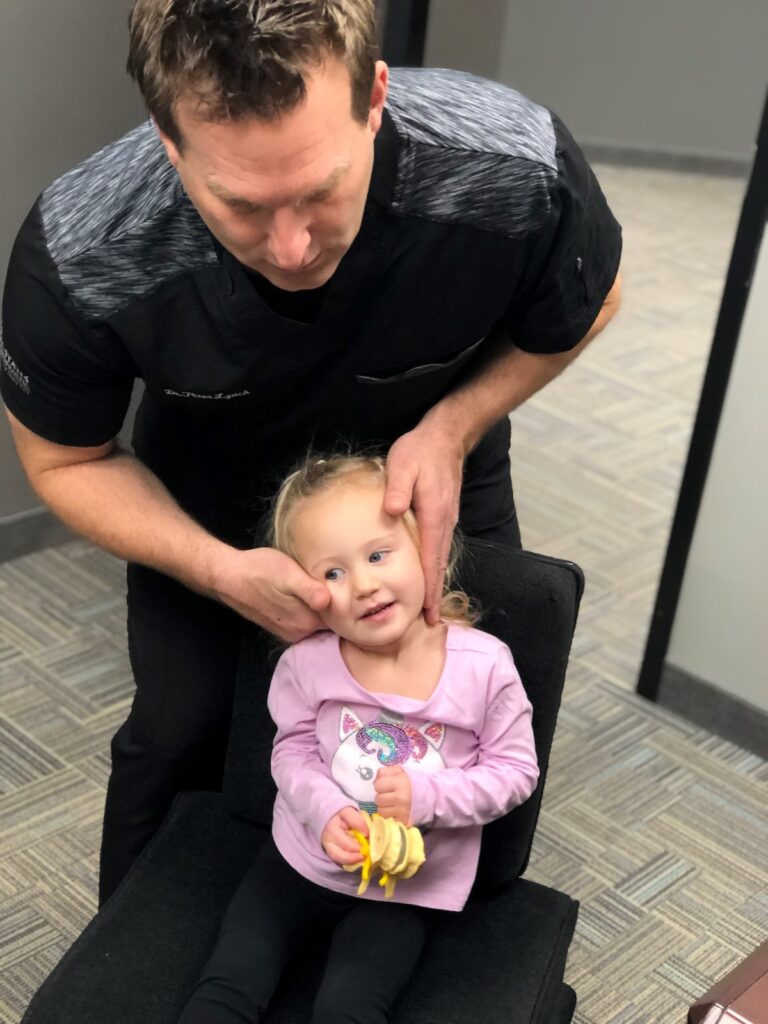
If you’ve recently suffered a whiplash injury, it’s important to understand the best ways to support your recovery. Early diagnosis plays a crucial role in your healing journey, and as a local chiropractor, I want to emphasize the importance of addressing your injury with a comprehensive treatment plan tailored to your unique needs. This often includes physical therapy and chiropractic care, both of which can help restore function and alleviate pain.
However, recovery goes beyond just clinical treatments. There are several supportive practices that can enhance your healing process. For instance, incorporating gentle exercises, proper nutrition, and stress management techniques can significantly benefit your overall well-being. Additionally, utilizing modalities like heat or ice therapy, along with adequate rest, can further aid your recovery.
By combining chiropractic care with these holistic approaches, you can foster a more effective healing journey. If you have any questions or would like to learn more about how chiropractic care can assist in your recovery from whiplash, feel free to reach out!
Understanding Whiplash Injuries
As a local chiropractor, I want to help you understand whiplash injuries and how they can affect your body. Whiplash typically occurs when your head is suddenly jerked backward and then forward, often due to car accidents. This rapid movement can put stress on your neck muscles and ligaments, resulting in pain, stiffness, and limited mobility.
You may also experience headaches, dizziness, or fatigue as your body responds to the trauma. It’s important to note that the severity of whiplash can vary from person to person. Some individuals may feel symptoms right away, while others mightn’t notice them until days later.
Being in tune with your body and recognizing these signs is crucial for your recovery. In chiropractic care, we focus on natural healing methods to help you manage and recover from whiplash. Treatment options may include rest, ice application, and specialized physical therapy designed to restore function and strengthen your neck.
Additionally, consider how your everyday activities can influence your healing process. Avoiding any movements that strain your neck and maintaining good posture can significantly aid your recovery.
The Importance of Early Diagnosis
As a local chiropractor, I want to emphasize the critical importance of early diagnosis when it comes to whiplash injuries.
Recognizing the symptoms promptly can significantly impact your recovery journey. By seeking chiropractic care at the first signs of injury, you can help prevent long-term complications that might disrupt your daily activities.
Our natural healing methods focus on addressing the root of the issue rather than just masking the pain.
If you experience any symptoms of whiplash, don’t hesitate to reach out for help. Your health and well-being are our top priority!
Identifying Symptoms Quickly
As a local chiropractor, I want to help you understand the early signs of whiplash and how to recognize them.
If you’ve been in a collision or experienced a sudden impact, be mindful of symptoms such as neck pain, stiffness, and headaches. You may also feel discomfort in your shoulders or find it hard to move your head. Additionally, tingling or numbness in your arms can indicate nerve involvement, which is something we take very seriously in chiropractic care.
Recognizing these symptoms early is crucial, as it allows for prompt action that can significantly enhance your recovery process.
If you experience any of these signs, I encourage you to reach out to a healthcare professional—like myself—who can assess your condition and guide you through natural healing options. An early diagnosis not only helps in creating a tailored treatment plan but also aids in getting you back to your normal activities sooner.
Your well-being is our priority, and together we can work towards restoring your health effectively.
Preventing Long-term Complications
As a local chiropractor, I want to emphasize the importance of recognizing the signs of whiplash early on, especially if you’re unfamiliar with chiropractic care and natural healing.
If you find yourself experiencing neck pain, stiffness, or headaches following an accident, it’s crucial to seek medical attention without delay. Early intervention can significantly reduce the risk of developing chronic pain or mobility issues down the line.
In our practice, we often recommend specific assessments and may utilize imaging tests to get a clearer picture of your condition.
Physical therapy and chiropractic adjustments tailored to your unique needs can play a vital role in your recovery process. Following the treatment plan we create together is essential for enhancing your healing and helping you regain optimal function.
I encourage you to keep a close watch on your symptoms. If they start to worsen or if you notice new symptoms emerging, please don’t hesitate to reach out to me.
Taking these proactive steps not only supports your immediate recovery but also helps protect your long-term health and well-being. Investing in your health now will pay off in the future—your future self will certainly appreciate it!
Evidence-Based Treatment Options
As a local chiropractor, I want to help you understand the evidence-based treatment options available for whiplash. Many patients seek relief through various methods, but I believe that natural healing approaches can be particularly effective.
One valuable option is cognitive-behavioral therapy (CBT), which can help you manage pain and develop better coping strategies. Research has shown that CBT not only addresses the physical aspects of your condition but also helps with the emotional challenges that come with recovery.
In addition, I often recommend non-steroidal anti-inflammatory drugs (NSAIDs) to help reduce pain and inflammation. However, I also encourage my patients to explore natural methods, such as heat or cold therapy. These techniques can provide immediate relief and are easy to integrate into your daily routine.
It’s important to maintain gentle activity as well. Studies suggest that staying active, rather than resting too much, can actually speed up your recovery. I can guide you on appropriate exercises and movements tailored to your needs.
Lastly, understanding your condition is key to your recovery. Educational interventions can empower you to take control of your healing process.
The Role of Physical Therapy
Incorporating chiropractic care into your whiplash recovery can significantly improve your healing journey. As a local chiropractor, I take the time to assess your condition thoroughly and develop a personalized treatment plan that caters to your specific needs.
Our approach focuses on restoring proper alignment and function to your spine and surrounding structures, which is crucial for your recovery. You can expect to engage in a variety of gentle adjustments and exercises aimed at enhancing your range of motion, strengthening your neck and shoulder muscles, and alleviating pain.
These techniques not only help to relieve tightness but also promote better circulation in the affected areas. Additionally, I’ll guide you on proper posture and body mechanics, which are essential for preventing future injuries and ensuring long-term well-being.
Regular chiropractic sessions won’t only enhance your physical strength but also boost your confidence in daily activities. As you progress, I’ll continually adapt your treatment plan to ensure optimal recovery.
Self-Care Practices for Pain Management
As a local chiropractor, I’d like to share some effective self-care practices that can greatly assist you in managing pain from whiplash.
Many people may not be familiar with how chiropractic care can support natural healing, but simple methods can make a significant difference.
One effective technique is heat therapy, which can help soothe sore muscles and promote relaxation. Applying heat can increase blood flow to the affected area, aiding in recovery.
Additionally, incorporating gentle stretching exercises into your daily routine can enhance flexibility and reduce tension in your neck and shoulders.
By prioritizing these self-care practices, you’re taking proactive steps toward your recovery journey.
Remember, chiropractic care can complement these methods by addressing any underlying issues and restoring proper alignment.
If you’re interested in learning more about how we can work together to manage your pain and improve your overall well-being, feel free to reach out!
Heat Therapy Benefits
As a local chiropractor, I often see patients who are unfamiliar with the benefits of natural healing methods, particularly when it comes to managing discomfort from whiplash. One effective remedy I recommend is heat therapy.
Applying heat to your neck can significantly enhance your recovery process by increasing blood flow. This rise in circulation helps to relax tight muscles and alleviate pain, making you feel more comfortable.
You can easily incorporate heat therapy into your routine using a warm towel, heating pad, or a hot water bottle. Just be cautious to ensure that the heat isn’t too intense to avoid any burns. I suggest aiming for sessions of about 15 to 20 minutes, allowing your muscles to gradually loosen up.
Additionally, heat therapy can improve your range of motion, which is crucial for performing daily activities with ease. By embracing this simple self-care practice, you can greatly enhance your overall recovery experience.
It’s an excellent way to support your healing journey and promote a more comfortable lifestyle. Remember, I’m here to guide you through various natural healing techniques to help you feel your best!
Gentle Stretching Exercises
As a local chiropractor, I want to emphasize the importance of gentle stretching exercises in your recovery journey, especially if you’ve experienced whiplash.
While heat therapy can offer immediate comfort, incorporating these exercises into your daily routine is crucial for long-term healing. They help maintain flexibility in your neck and reduce stiffness, ultimately enhancing your mobility.
Here are some gentle stretching exercises that I recommend:
- Neck Tilts: Take your time to slowly tilt your head toward each shoulder. This movement can help soothe tightness in your neck.
- Chin Tucks: Gently draw your chin toward your chest while keeping your shoulders relaxed. This exercise promotes better posture and alignment.
- Shoulder Rolls: Roll your shoulders forward and backward. This simple action can release built-up tension in your upper back and neck.
- Side Stretches: Raise one arm overhead and gently lean to the opposite side. This helps stretch the muscles along your sides and improves flexibility.
- Gentle Rotation: Turn your head side to side, pausing at each end. This movement encourages a full range of motion in your neck.
Before starting any new exercise routine, it’s always a good idea to consult with a healthcare provider.
I’m here to support you on your path to recovery and help you understand the benefits of chiropractic care and natural healing.
The Benefits of Chiropractic Care
As a local chiropractor, I want to share with you the incredible benefits of chiropractic care, especially for those who are recovering from whiplash. Our primary focus is on restoring spinal alignment, which plays a crucial role in enhancing your overall function and well-being.
When you come in for treatment, we provide targeted adjustments that can help alleviate pain, reduce inflammation, and improve mobility in your neck and back. These adjustments are designed to realign misaligned vertebrae—something that often occurs due to whiplash injuries.
But chiropractic care goes beyond just physical adjustments. We also offer valuable guidance on postural correction and ergonomic practices to help you avoid further strain on your body.
Many of our patients find that regular visits not only relieve their discomfort but also facilitate long-term healing. You might be pleasantly surprised to know that many individuals report a significant reduction in symptoms and an overall improvement in their quality of life after starting chiropractic care.
Plus, our approach is drug-free, allowing you to steer clear of potential side effects associated with medications. Embracing chiropractic care could be a vital step on your journey to full recovery and regaining your active lifestyle.
If you have any questions or want to learn more about how we can help you, don’t hesitate to reach out!
Integrating Mind-Body Techniques
Recovering from whiplash involves more than just the physical adjustments you might receive in my office; it can be greatly enhanced by incorporating mind-body techniques.
These holistic approaches can help you manage pain, alleviate stress, and promote overall healing, leading to a more comprehensive recovery experience. By focusing on both your body and mind, you can create a more effective recovery plan.
Here are some valuable mind-body techniques I recommend for my patients:
- Mindfulness Meditation: This practice helps you stay grounded in the present moment and can significantly reduce anxiety related to your recovery process.
- Deep Breathing Exercises: Engaging in deep breathing can lower your stress levels and promote relaxation, which is crucial for your body’s healing capabilities.
- Gentle Yoga: Incorporating gentle movements can enhance your flexibility and help relieve tension in your muscles, supporting your recovery.
- Visualization: Take time to visualize your recovery journey; this mental imagery can foster a positive mindset and boost your motivation.
- Progressive Muscle Relaxation: This technique encourages you to systematically release physical tension throughout your body, promoting a deeper sense of calm and relaxation.
By integrating these mind-body techniques into your recovery routine, you can significantly enhance your journey towards healing from whiplash.
Nutrition and Its Impact on Recovery
As a local chiropractor, I want to emphasize the vital role nutrition plays in your recovery from whiplash. The right foods can significantly support your healing process and help reduce inflammation. I encourage you to focus on incorporating anti-inflammatory foods into your diet. Foods like fatty fish, leafy greens, nuts, and berries are excellent choices, as they’re rich in omega-3 fatty acids, vitamins, and antioxidants that can combat inflammation and promote tissue repair.
It’s also crucial to stay well-hydrated. Drinking enough water is essential for your body’s overall function and recovery. I recommend aiming for at least eight glasses a day, but remember to adjust this based on your activity level and the climate you live in.
Additionally, I suggest limiting processed foods, added sugars, and excessive alcohol consumption, as these can worsen inflammation and hinder your healing journey. Instead, prioritize whole foods, lean proteins, and healthy fats to nourish your body.
Lastly, I encourage you to consult with a healthcare professional or a nutritionist who can provide personalized dietary recommendations tailored to your unique needs and recovery goals.
Embracing good nutrition can truly make a significant difference in your path to recovery, and as your chiropractor, I’m here to support you every step of the way.
Long-Term Strategies for Prevention and Wellness
As your local chiropractor, I want to emphasize that while recovering from whiplash is crucial, it’s equally vital to adopt long-term strategies for prevention and wellness to ensure you stay healthy and pain-free.
By embracing certain healthy habits, you can significantly lower your risk of recurrence and enhance your overall well-being. Here are some effective strategies I encourage you to consider:
- Regular Exercise: Engaging in strength training and flexibility exercises can greatly benefit your neck and back. These activities help build resilience and support the structures that keep your spine aligned.
- Posture Awareness: Being mindful of your posture during everyday tasks is essential. Proper alignment reduces unnecessary strain on your neck, which can prevent discomfort and injuries.
- Stress Management: Incorporating relaxation techniques such as yoga or meditation into your routine can help alleviate muscle tension. Managing stress is a crucial part of maintaining a healthy body.
- Adequate Sleep: Prioritizing restorative sleep is key for your body’s healing processes. A good night’s sleep supports recovery and ensures that your muscles and joints are in optimal condition.
- Routine Check-Ups: Regular visits to me or another healthcare provider are important for monitoring your musculoskeletal health. These check-ups allow us to catch any issues early and keep you on track for long-term wellness.
By integrating these strategies into your lifestyle, you can pave the way for a healthier future and enjoy a more active, pain-free life.