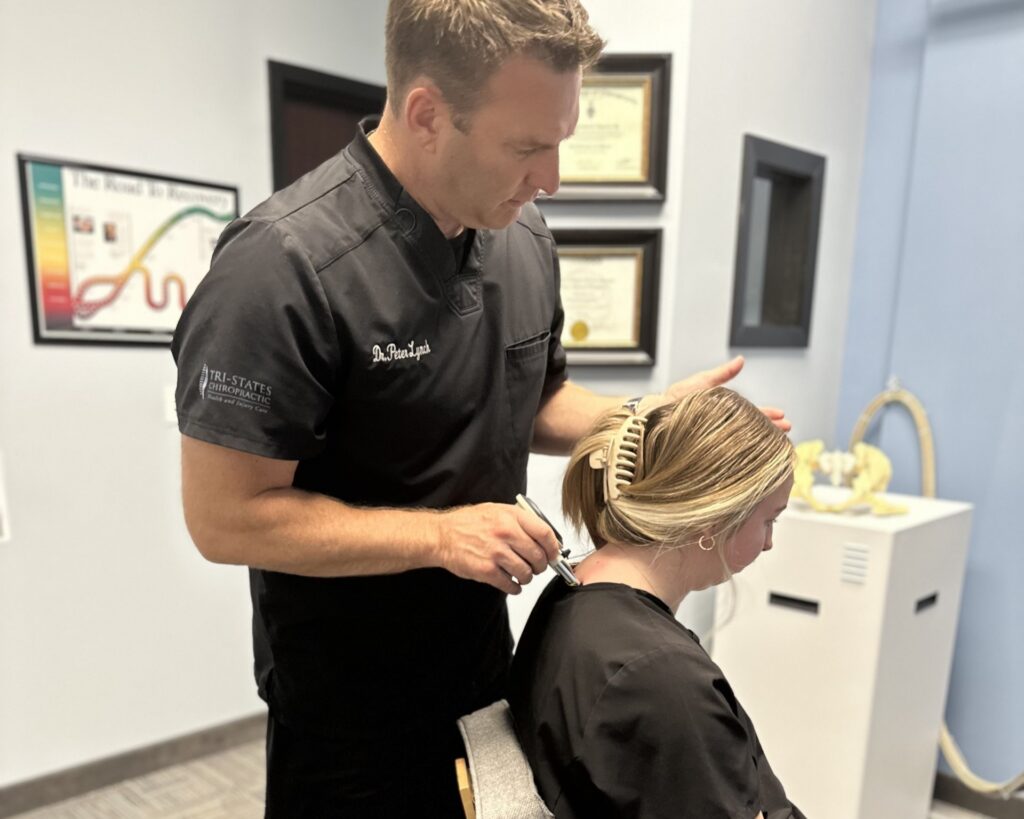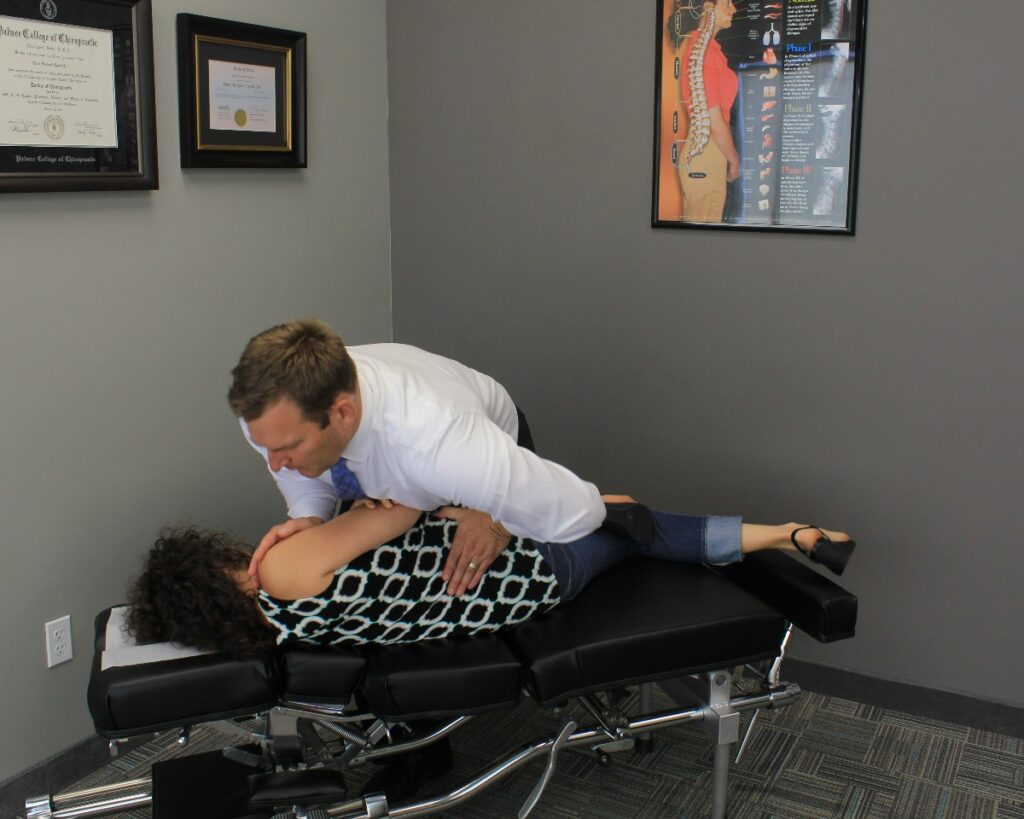
As a local chiropractor, I want to share with you how natural techniques can play a significant role in managing back pain. Many people are often surprised by the effectiveness of these methods. For instance, gentle stretching exercises can help alleviate discomfort, while mindfulness practices can enhance your overall sense of well-being.
In addition to these techniques, I encourage you to consider dietary adjustments and maintaining proper posture, as they can significantly improve your results. You might be wondering what specific techniques are the most effective and how to seamlessly integrate them into your daily routine. Together, we can explore these options, leading you toward a more comfortable and pain-free life. Remember, chiropractic care is about more than just adjustments; it's about empowering you with the knowledge and tools to take charge of your health.
Gentle Stretching Exercises
As a local chiropractor, I often encounter patients who are unfamiliar with the benefits of gentle stretching exercises for alleviating back pain and enhancing flexibility. You may be surprised to learn that simple movements can significantly improve your comfort level.
By incorporating these stretches into your daily routine, you can effectively ease tension in your muscles and promote better posture.
Let's start with a foundational stretch known as the cat-cow stretch. Position yourself on your hands and knees, and gently alternate between arching your back upward toward the ceiling and allowing your belly to drop toward the floor. This flowing motion mobilizes your spine and helps relax tight muscles.
Remember to hold each position for a few seconds, taking deep breaths as you transition between movements.
Next, I recommend trying the child's pose. Kneel on the floor, sit back on your heels, and extend your arms forward while lowering your torso toward the ground. This gentle stretch targets your back and hips, providing soothing relief.
Aim to hold this position for about 30 seconds, concentrating on your breathing to enhance relaxation.
Another effective stretch is the seated forward bend. Sit on the floor with your legs extended straight in front of you, and reach forward toward your toes while maintaining a straight back. This stretch not only targets your lower back but also your hamstrings, helping to release tension in both areas.
Lastly, don't overlook the standing side stretch. Stand tall, extend your arms overhead, and lean to one side, feeling the stretch along your torso.
Remember to switch sides to ensure balanced flexibility.
By regularly incorporating these gentle stretching exercises into your routine, you can greatly improve your flexibility and significantly reduce back pain.
As your chiropractor, I encourage you to embrace these natural healing practices to help you move through life with greater ease and comfort.
Strengthening Core Muscles
As a local chiropractor dedicated to promoting natural healing and overall wellness, I want to emphasize the importance of strengthening your core muscles. A strong core is fundamental not only for supporting your back but also for enhancing your overall stability and posture. When your core muscles are well-developed, they help reduce strain on your spine, which can lead to relief from back pain.
To effectively target your core, it's crucial to engage not just your abdominal muscles, but also your obliques, lower back, and pelvic floor. I recommend starting with fundamental exercises that are both accessible and beneficial. Planks are a fantastic way to build endurance in your core, while bridges are excellent for strengthening your glutes and lower back. Aim to hold a plank for about 20-30 seconds, gradually increasing the duration as your strength improves. For bridges, strive for 10-15 repetitions, and remember to squeeze your glutes at the top of the movement for maximum benefit.
As you become more comfortable with these exercises, you can introduce more challenging variations such as dead bugs and bird-dogs. The dead bug exercise is particularly effective because it engages your entire core while also enhancing coordination. To perform it, lie on your back with your arms extended towards the ceiling, and alternate lowering opposite arms and legs, all while keeping your torso stable.
Bird-dogs, on the other hand, require you to get on all fours and extend one arm and the opposite leg at the same time, promoting balance and core strength.
For those looking to further enhance their workouts, consider incorporating stability balls or resistance bands. These tools can activate deeper core muscles, making your exercises even more effective.
Mindfulness and Meditation
As a chiropractor, I want to emphasize that while strengthening your core is crucial for providing physical support to your back, it's equally important to consider the profound benefits of mindfulness and meditation in managing back pain.
These practices can play a significant role in your overall well-being by helping you become more aware of your body and mind, ultimately reducing the stress and tension that can worsen your discomfort.
When you practice mindfulness, you train yourself to remain present in the moment. This allows you to tune into your physical sensations without judgment, making it easier to identify areas of tension in your back.
By recognizing these sensations, you can promote relaxation and potentially alleviate some of your pain.
Meditation serves as a crucial mental break from the cycle of chronic pain. Just a few minutes each day dedicated to sitting quietly and focusing on your breath can create a sanctuary of calmness and healing.
Many of my patients report that with consistent practice, their pain either diminishes or becomes more manageable. Techniques such as guided imagery or body scan meditation can further enhance your awareness of your body, making it easier to release tightness and discomfort.
Moreover, incorporating mindfulness into your daily routines—whether it's during a walk or while eating—can turn ordinary moments into valuable opportunities to connect with your body.
This heightened awareness often leads to improved posture and movement, which can significantly reduce strain on your back.
Incorporating these holistic practices alongside chiropractic care can provide a more comprehensive approach to managing and alleviating back pain.
Together, we can work towards a healthier, pain-free lifestyle.
Hot and Cold Therapy
As a local chiropractor, I often emphasize the importance of hot and cold therapy in managing back pain. Many patients may not be familiar with how these techniques can complement their healing journey.
Applying heat can be incredibly beneficial as it helps to relax tense muscles and increases blood circulation, which is essential for healing. On the other hand, cold therapy is effective in reducing inflammation and numbing sharp pain, providing immediate relief during flare-ups.
Incorporating these therapies into your daily routine doesn't have to be complicated. For instance, you can apply a heating pad or take a warm bath to soothe your muscles, especially after a long day.
Conversely, using an ice pack wrapped in a cloth can help manage acute pain and swelling.
Understanding how to effectively use these techniques can enhance your overall wellness and support your chiropractic care. If you have any questions or need guidance on how to integrate hot and cold therapy into your treatment plan, don't hesitate to reach out.
Your comfort and recovery are our top priorities!
Benefits of Heat Application
As a local chiropractor, I want to share with you the benefits of heat therapy for managing back pain. Many of my patients have found that applying heat can be an effective and natural way to alleviate discomfort while promoting relaxation.
When you apply heat to the affected area, it boosts blood flow, which is essential for delivering nutrients and oxygen to your muscles and tissues. This increased circulation can help reduce stiffness and promote healing in your back.
Heat therapy is also great for relieving muscle tension, allowing your back muscles to relax. You might consider options like a heating pad, warm compress, or a soothing hot bath. The gentle warmth not only provides immediate comfort but also helps calm nerve endings and encourages the release of endorphins—your body's natural pain relievers.
For optimal results, I recommend using heat therapy for about 15 to 20 minutes at a time. It's important to ensure that your heat source isn't too hot to prevent burns, and always pay attention to how your body feels. If you experience any discomfort, it's wise to discontinue use.
Cold Therapy Techniques
As a local chiropractor, I want to share with you the benefits of cold therapy in managing back pain, especially when used alongside heat therapy.
When you apply cold to your back, it can effectively reduce inflammation and numb any sore areas you may be experiencing. I often recommend starting with an ice pack, a bag of frozen vegetables, or a cold compress wrapped in a cloth. Aim for 15-20 minutes of cold application, and remember to give your skin some time to warm up between sessions.
If you have a specific injury, such as a strain or sprain, cold therapy is particularly beneficial within the first 48 hours. It works by constricting blood vessels, which can help minimize swelling and alleviate pain. However, it's important to never apply ice directly to your skin; always use a barrier to prevent frostbite.
For even greater relief, I encourage you to alternate between cold and heat therapy. After you finish with cold therapy, switching to heat can promote blood flow and help relax tight muscles.
This combination can be incredibly effective for managing back pain. Always listen to your body; if something doesn't feel right, please don't hesitate to reach out to a healthcare professional for guidance. Your well-being is our priority, and we're here to support your journey to natural healing.
Dietary Adjustments
As your local chiropractor, I want to emphasize how crucial dietary adjustments can be in managing your back pain effectively. The foods you choose to eat have a significant impact on inflammation levels in your body, which can directly influence the amount of pain you experience. By incorporating anti-inflammatory foods into your diet, you can help alleviate discomfort and support your overall well-being.
Focus on adding plenty of fruits and vegetables to your meals, especially options like berries, oranges, spinach, and kale. These are rich in antioxidants that combat inflammation. Additionally, consider including omega-3 fatty acids in your diet, which you can find in fatty fish such as salmon and mackerel. These healthy fats are known for reducing joint stiffness and pain. If fish isn't your preference, plant-based sources like walnuts, flaxseeds, and chia seeds are excellent alternatives.
Don't forget about spices! Turmeric and ginger aren't just flavorful additions to your meals; they also possess natural anti-inflammatory properties. So, feel free to sprinkle them generously in your cooking.
On the other hand, it's essential to be mindful of certain foods that can worsen inflammation. Processed foods, sugary snacks, and excessive alcohol consumption can contribute to increased pain levels. I encourage you to reduce these items and replace them with whole, nutrient-dense foods that nourish your body.
Staying hydrated is equally important; drinking plenty of water not only helps maintain spinal health but can also ease discomfort.
Lastly, I want to highlight the importance of portion control. Overeating can lead to weight gain, which adds extra pressure on your back. By making thoughtful dietary adjustments, you can create a supportive environment for your back and manage pain more effectively.
Proper Posture Techniques
As a local chiropractor, I want to share some insights on the importance of maintaining proper posture, especially for those of you who may not be familiar with chiropractic care and natural healing. Proper posture might seem straightforward, but it's crucial for managing back pain and preventing future discomfort. Good posture helps align your body, which in turn reduces stress on your muscles and ligaments.
To start, regardless of whether you're sitting, standing, or walking, it's vital to keep your shoulders back and relaxed. Your ears should be in line with your shoulders, and your head should remain level—not jutting forward. This alignment is key to reducing strain on your spine and surrounding tissues.
When sitting, opt for a chair that provides support for your lower back. Your feet should be flat on the floor or on a footrest, with your knees positioned at or slightly below hip level. It's important to avoid crossing your legs, as this can lead to misalignment over time.
If you spend a lot of time at a desk, make sure your computer screen is at eye level to prevent neck strain.
If you're standing, distribute your weight evenly across both feet. Keep your knees slightly bent to avoid locking them, and engage your core muscles to provide support for your spine.
When lifting objects, remember to bend at your knees instead of your waist. Always hold items close to your body and use your legs to lift, as this will help protect your back.
I encourage you to be mindful of your posture throughout the day. You might find it helpful to set reminders on your phone or place sticky notes in visible areas to prompt you to check in with your body.
Alternative Therapies
As your local chiropractor, I want to share some valuable insights on managing back pain through alternative therapies.
Many patients have found relief through acupuncture, which can effectively alleviate pain by targeting specific points in the body. Chiropractic adjustments are also crucial; they focus on aligning your spine, which can significantly improve your overall posture and reduce discomfort.
Additionally, I encourage you to consider herbal remedies as a natural way to support your back's healing process. These approaches can complement your chiropractic care and contribute to your overall wellness.
I'm here to guide you through these options and help you find the best solutions for your back pain.
Acupuncture for Pain Relief
Many patients find that chiropractic care is an effective method for relieving back pain. This holistic approach focuses on diagnosing and treating musculoskeletal issues, particularly those related to the spine. By using hands-on manipulation and adjustments, chiropractic care aims to restore proper alignment, promote healing, and improve overall function.
Research indicates that chiropractic adjustments can stimulate the release of endorphins, your body's natural painkillers, which may help to alleviate your pain perception. During treatment, spinal adjustments can enhance blood circulation and reduce inflammation, contributing to relief from back pain.
In a typical chiropractic session, a licensed chiropractor will assess your specific condition and determine the appropriate adjustments needed. Many patients report feeling a sense of relaxation during their treatment and often experience immediate relief after just one visit.
However, for lasting benefits, you may find it helpful to attend multiple sessions.
As with any form of alternative therapy, it's crucial to consult with your healthcare provider before starting chiropractic care. They can assist in determining if it's a suitable option for your individual situation.
If you're open to exploring a natural approach to pain relief, chiropractic care might just be the solution you've been looking for.
Chiropractic Adjustments Benefits
As a local chiropractor, I want to share with you the incredible benefits of chiropractic adjustments and how they can enhance your overall well-being. Our primary focus is on realigning your spine, which can significantly alleviate pain and improve your mobility. When your spine is properly aligned, your body can function more efficiently, often leading to a noticeable reduction in discomfort.
Many of our patients experience immediate relief after a session, as chiropractic care effectively addresses tension in your muscles and joints. Unlike conventional treatments that may only mask symptoms, we aim to tackle the root causes of your back pain, promoting long-term healing.
Regular visits to our clinic can also help prevent future issues, ensuring that your spine remains in optimal condition.
In addition to pain relief, chiropractic care can greatly enhance your posture. Good posture is essential for minimizing strain on your back, and it not only improves how you feel physically but can also significantly boost your confidence.
Many of our patients report better sleep quality and increased energy levels after incorporating chiropractic adjustments into their wellness routine.
One of the best aspects of chiropractic care is that it's a drug-free approach to pain management. This means you can avoid the potential side effects associated with medications.
Herbal Remedies for Healing
As a local chiropractor, I want to share some insights on natural pain relief options, particularly when it comes to healing back pain. Herbal remedies can be a powerful addition to your wellness routine, and I encourage you to consider them as part of your overall approach to health.
One herb that I often recommend is turmeric, celebrated for its anti-inflammatory properties. Incorporating turmeric into your daily meals or taking it as a supplement can significantly help reduce inflammation and alleviate pain. It's a simple yet effective way to support your body's healing process.
Another herb worth exploring is ginger. Known for its soothing effects, ginger can be enjoyed in the form of tea or even used in a massage with ginger essential oil. This can provide comforting relief from discomfort.
You may also come across willow bark, often referred to as "nature's aspirin." This herb can be found in tea or capsule form, making it a convenient option to assist with pain management.
Additionally, don't overlook devil's claw, an herb that's gaining recognition for its pain-relieving qualities. It may be particularly beneficial for those dealing with chronic back pain and can be taken as a supplement.
However, it's crucial to remember that before starting any herbal treatment, especially if you're taking other medications, you should consult with a healthcare provider.
At our clinic, we believe in a holistic approach to health. By integrating these herbal remedies into your lifestyle alongside chiropractic care, you can take significant strides toward managing your back pain naturally and effectively.
Your journey to wellness is important, and we're here to support you every step of the way.
Lifestyle Modifications
As a local chiropractor, I understand that many of my patients may not be familiar with the benefits of chiropractic care and natural healing. One of the most effective ways to alleviate back pain and enhance your overall well-being is through simple lifestyle modifications.
You don't need to overhaul your life; even small changes can lead to significant improvements. Here are three key adjustments I recommend:
1. Posture Awareness: Being mindful of your posture throughout the day is crucial. Whether you're sitting at a desk or walking, maintaining proper alignment can significantly reduce the stress on your back.
I encourage you to use ergonomic furniture and ensure that your feet remain flat on the ground when seated. Good posture is foundational to spinal health.
2. Regular Exercise: Engaging in regular, low-impact activities is vital for your back health. Activities like walking, swimming, or practicing yoga can strengthen your core and back muscles while enhancing flexibility.
I suggest aiming for at least 30 minutes of these exercises most days of the week. This not only helps in alleviating pain but also promotes overall physical health.
3. Balanced Diet: Nutrition plays a significant role in how your body feels and functions. Focus on consuming a diet rich in anti-inflammatory foods, such as colorful fruits, vegetables, whole grains, and lean proteins.
Staying well-hydrated is equally important as it supports spinal disc health and helps reduce inflammation. I also recommend limiting processed foods and sugars, as they can worsen pain and discomfort.
By incorporating these lifestyle changes, you can support your chiropractic care and foster a healthier, pain-free life.
Conclusion
As a local chiropractor, I want to share some valuable insights on how you can effectively manage your back pain using natural techniques. Incorporating gentle stretching and core strengthening exercises into your daily routine can significantly enhance your body's ability to heal itself. Additionally, practicing mindfulness and making thoughtful dietary adjustments can support your overall health.
It's essential to be mindful of your posture throughout the day, as this can greatly influence your back pain. I also encourage you to explore alternative therapies, which can provide added relief and complement the care you receive in my office. By committing to these lifestyle modifications and maintaining consistent effort, you can enjoy a more comfortable, pain-free existence.
Take charge of your well-being today! By embracing these holistic approaches, you can discover the path to a healthier back and a better quality of life. If you have any questions about how chiropractic care can support you on this journey, please don't hesitate to ask.