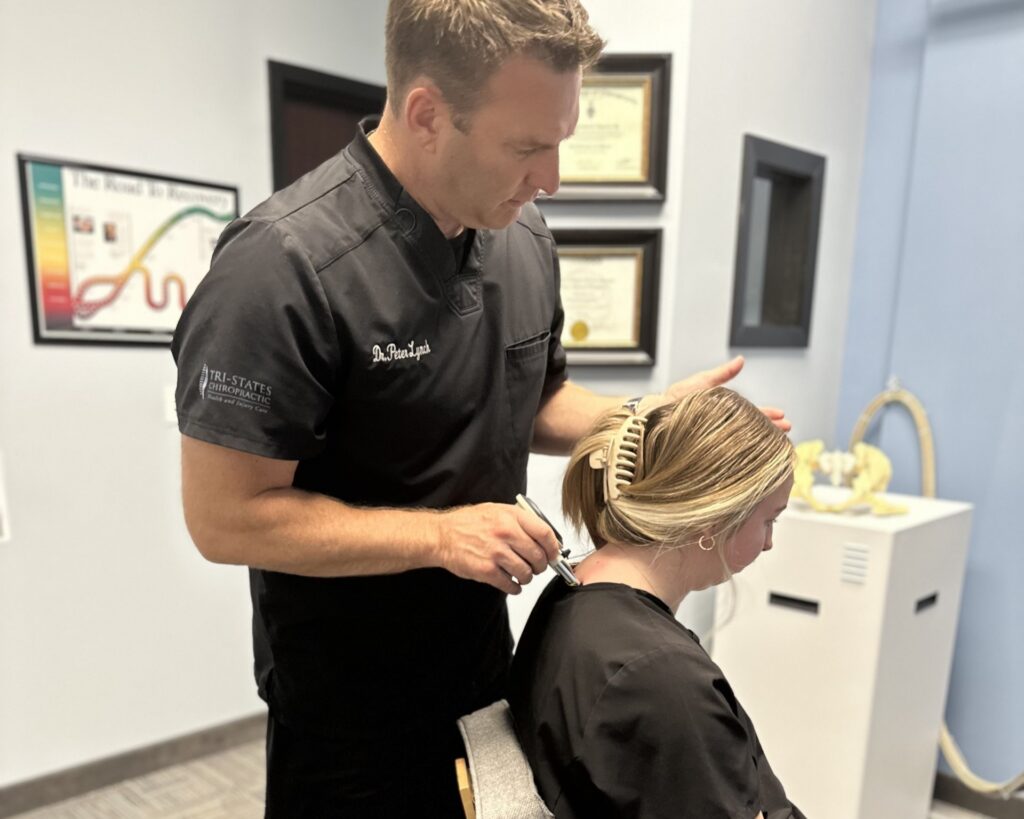
As a local chiropractor dedicated to helping you understand the benefits of natural healing, I want to share how effective management of back pain goes beyond a single treatment approach. Many people discover that a one-size-fits-all solution simply doesn't meet their needs. By integrating various therapies—such as chiropractic adjustments, acupuncture, and mindfulness practices—we can develop a comprehensive strategy that addresses both the physical and emotional aspects of your pain.
This holistic approach not only targets your symptoms but also promotes your overall well-being, helping you to feel better both physically and mentally. If you're curious about how to combine these therapies effectively to create a personalized plan tailored specifically for you, I invite you to join me in exploring the possibilities. Together, we can find the best path to your healing and relief from back pain.
Understanding Back Pain
As a local chiropractor, I understand that experiencing back pain can be daunting, impacting your daily life and overall health. The first step in managing your back pain is to understand its nature. Back pain can arise from a variety of sources, such as muscle strain, ligament sprain, herniated discs, or even conditions like arthritis. Each of these causes has distinct characteristics, and recognizing these can help you identify potential triggers in your life.
You may notice that your pain falls into one of two categories: acute or chronic. Acute pain often appears suddenly, typically lasting from a few days to a few weeks, and is frequently the result of an injury or overexertion. Chronic pain, however, persists for months or longer and often requires a deeper investigation into underlying issues.
It's also important to pay attention to where you feel the pain; while lower back pain is common, you might also experience discomfort in your upper back or neck.
Your lifestyle plays a crucial role in back pain as well. Factors such as poor posture, a sedentary lifestyle, and lack of exercise can contribute significantly to your discomfort. Understanding your body mechanics is key. You might find that certain movements—like bending or lifting—exacerbate your pain. Keeping track of these patterns helps us work together to make informed decisions about your daily activities and personalized care.
By recognizing the factors that contribute to your back pain, you empower yourself to take proactive steps toward relief. With chiropractic care, we focus on understanding the root causes of your pain, allowing us to explore effective natural therapies tailored to your needs.
Together, we can develop a plan that not only addresses your current discomfort but also promotes long-term wellness.
Traditional Treatment Options
As a local chiropractor, I want to share with you how traditional treatment options can play a vital role in managing your back pain.
While medication can provide temporary relief from discomfort, it's important to consider holistic approaches that address the root causes of your pain. Through chiropractic care, we focus on aligning your spine and enhancing your body's natural ability to heal itself.
In addition to spinal adjustments, physical therapy techniques can strengthen your back muscles and improve flexibility, which are key components in preventing future pain.
By exploring these natural healing methods, you can't only find greater relief but also enhance your overall function and quality of life.
Let's work together to pave the way toward a healthier, pain-free you!
Medication and Pain Management
Managing back pain is a journey that often begins with understanding how chiropractic care and natural healing methods can complement traditional medication options. If you're facing persistent discomfort, it's essential to explore various approaches that can provide lasting relief and improve your mobility. Here are some common options you might consider alongside chiropractic treatments:
- Nonsteroidal Anti-Inflammatory Drugs (NSAIDs): Over-the-counter medications like ibuprofen or naproxen can help reduce inflammation and alleviate pain. However, it's important to know that while these can offer temporary relief, they don't address the underlying issues.
- Acetaminophen: This is another over-the-counter option that can help manage pain, although it doesn't specifically target inflammation. It can be useful in conjunction with other treatments.
- Muscle Relaxants: If you're experiencing muscle spasms, a healthcare provider might prescribe muscle relaxants. While these can help reduce tension, chiropractic adjustments often address the root cause of muscle tightness for more sustainable relief.
- Topical Analgesics: Creams or patches with pain-relieving ingredients can be applied directly to the affected area for localized relief. These can be a great addition to your chiropractic care regimen.
Before starting any medication, I encourage you to consult with your healthcare provider to ensure it's suitable for your specific situation.
At our chiropractic clinic, we emphasize a holistic approach to pain management, combining these medications with chiropractic adjustments, physical therapy, and lifestyle modifications to enhance your healing process.
Physical Therapy Techniques
As a local chiropractor, I'm here to help you understand how chiropractic care can effectively address back pain and enhance your overall mobility. Our approach focuses on improving your strength, flexibility, and posture—key components for achieving long-term relief.
Each treatment plan is personalized to meet your unique needs, incorporating specific exercises that target the muscles supporting your spine.
In our sessions, you'll experience a variety of techniques aimed at alleviating tension and improving your range of motion. Chiropractic adjustments are a cornerstone of our practice, helping to realign your spine and restore function.
Additionally, we may incorporate manual therapy, including gentle massage and mobilization techniques, to ease pain and promote healing. We also utilize natural modalities like heat and cold therapy, which can reduce inflammation and aid in recovery.
Education is a vital part of our care. I'll teach you about proper body mechanics and ergonomics to help you avoid unnecessary strain during your daily activities.
This knowledge empowers you to take an active role in your recovery process and significantly reduce the risk of future back pain episodes.
By committing to your chiropractic care, you're making a valuable investment in your health and well-being. This journey will lead to improved mobility and a better quality of life.
Chiropractic Care Benefits
As a local chiropractor dedicated to promoting natural healing, I want to share with you the transformative benefits of chiropractic care and how it can significantly enhance your quality of life.
If you're dealing with back pain, integrating chiropractic adjustments into your wellness journey can bring you remarkable relief. Here are some key advantages you can expect:
- Pain Relief: One of the primary goals of chiropractic adjustments is to correct misalignments in your spine. By doing so, we can relieve pressure on your nerves, which often leads to a reduction in pain. Many of my patients notice immediate improvements after their first session.
- Improved Mobility: Regular chiropractic visits can greatly enhance your range of motion. This is particularly helpful for those whose back pain has hindered their ability to carry out daily activities, allowing you to move more freely and comfortably.
- Enhanced Posture: Did you know that poor posture can contribute significantly to back pain? As your chiropractor, I can help identify any postural issues you may have and provide corrective exercises. This can lead to better alignment and less discomfort in your day-to-day life.
- Holistic Approach: Our practice emphasizes a holistic approach to health, focusing on treating the whole person rather than just masking symptoms. In addition to adjustments, I may offer lifestyle advice, nutritional support, and stress management techniques. Together, these elements can contribute to your overall well-being.
Incorporating chiropractic care into your routine can truly be a game changer for managing back pain.
It's not merely about finding temporary relief; it's about fostering long-term wellness. If you're ready to experience these benefits for yourself, I invite you to schedule an appointment with me.
You deserve a life free from pain, and I'm here to help you achieve that through chiropractic care.
Acupuncture for Pain Relief
As a local Chiropractor, I want to introduce you to an effective option for managing back pain that you may not be familiar with: acupuncture.
This natural healing technique involves stimulating specific points on your body, promoting your body's innate ability to heal itself. Research has provided encouraging evidence about its effectiveness, which might come as a surprise to many.
Let's delve into how acupuncture works and what studies reveal about its role in pain relief, especially in conjunction with chiropractic care.
Mechanism of Action
As a local chiropractor, I often see patients seeking relief from back pain through various methods, and one approach that has gained popularity is acupuncture, a practice rooted in traditional Chinese medicine.
This ancient technique involves the insertion of thin needles into specific points on the body, which can stimulate the nervous system and promote natural healing.
Let me explain how acupuncture can be beneficial for pain relief:
- Endorphin Release: When the needles are inserted, your body responds by releasing endorphins—these are your body's natural pain relievers. This can help alleviate discomfort and improve your overall sense of well-being.
- Enhanced Blood Circulation: Acupuncture can improve blood flow to the affected areas of your back. This increased circulation helps deliver essential nutrients and oxygen while flushing out toxins, supporting your body's healing processes.
- Nerve Stimulation: The process of needle insertion stimulates nerve endings, which can help modulate the pain signals that are sent to your brain. As a result, you may experience a reduction in your perception of pain.
- Inflammation Reduction: Acupuncture also encourages the release of anti-inflammatory substances in your body, which can help decrease swelling and discomfort in your back.
As you consider your treatment options for back pain, keep in mind that acupuncture could be a valuable complementary therapy to chiropractic care.
It's all about finding the right balance to support your body's natural healing abilities.
Evidence and Research
As a local chiropractor, I want to share some important information about how acupuncture can be a valuable part of your back pain relief journey. Research has consistently shown that acupuncture is an effective treatment for alleviating back pain. Numerous studies highlight that this ancient technique can significantly reduce pain and enhance function in individuals dealing with chronic back issues.
In fact, systematic reviews and meta-analyses indicate that acupuncture often leads to better outcomes than standard care or no treatment at all.
During an acupuncture session, fine needles are carefully inserted into specific points on your body. This process activates your nervous system and encourages the release of endorphins, which serve as your body's natural pain relievers. Clinical trials have shown that many patients who undergo acupuncture report noticeable improvements in their pain levels and overall quality of life.
Additionally, acupuncture is regarded as a safe treatment option with minimal side effects, making it an attractive alternative or complement to traditional chiropractic care. As your chiropractor, I can work with you to create a personalized treatment plan that incorporates acupuncture if it aligns with your healing goals.
Integrating acupuncture into your back pain management strategy can significantly enhance your recovery. By understanding the solid evidence backing this therapy, you can make informed decisions about your treatment options and take proactive steps towards achieving better health and well-being.
Let's work together to explore how this natural healing approach can benefit you!
Role of Physical Therapy
Incorporating chiropractic care into your back pain relief plan can significantly enhance your journey to recovery. Chiropractic treatment offers a range of benefits that can help you effectively manage and alleviate pain. By working with a licensed chiropractor, you can develop a personalized approach tailored to your specific needs.
Here are four essential roles chiropractic care plays in your recovery:
- Spinal Adjustments: A chiropractor will perform specific adjustments to realign your spine and optimize its function. This alignment can help reduce pressure on nerves, alleviate pain, and promote better overall mobility.
- Enhancing Flexibility: Chiropractors often incorporate stretching and mobilization techniques into your treatment plan. These methods can improve your flexibility, increase your range of motion, and decrease stiffness, making daily activities more comfortable.
- Posture Improvement: Poor posture can lead to significant back pain and discomfort. Your chiropractor can assess your posture and provide guidance on corrective measures, helping you maintain better alignment throughout your daily activities.
- Natural Pain Relief Techniques: Chiropractors utilize various natural healing modalities such as massage, heat therapy, and rehabilitation exercises to help manage your pain. These techniques can provide immediate relief and support your body's natural healing processes, making it easier to engage in your recovery.
Mindfulness and Stress Reduction
As a local chiropractor, I want to share some insights on how mindfulness and stress reduction can play a vital role in managing back pain naturally. Many of my patients come to me seeking relief, and I often emphasize the importance of mindset in the healing process. When you practice mindfulness, you learn to focus on the present moment, which allows you to observe your thoughts and feelings without judgment. This awareness can help you recognize the stressors in your life that may be contributing to your discomfort.
Incorporating mindfulness into your daily routine can significantly enhance your recovery. Simple practices like deep breathing exercises or short meditation sessions can make a world of difference. Just dedicating a few minutes each day to these techniques can foster a sense of calm and help alleviate anxiety, both of which are crucial for effective pain management.
As you become more attuned to your body and its sensations, you might find it easier to release tension in areas that feel tight or strained.
In addition to mindfulness, I highly recommend engaging in physical activities such as yoga or tai chi. These practices not only improve your flexibility and strength but also promote a mindful approach to movement. By becoming more connected with your body, you may experience a reduction in pain and an overall enhancement of your well-being.
It's essential to understand that managing back pain goes beyond just physical treatments. Your mental and emotional health is equally important in the healing journey.
Combining Therapies Effectively
As a local chiropractor, I believe that effective pain management often relies on the combination of various therapies working in harmony. When you integrate different treatment approaches, you can develop a comprehensive strategy for relieving back pain.
Here are some effective ways to blend therapies that I recommend:
1. Chiropractic Care and Exercise: Working with a chiropractor can help align your spine and improve your overall musculoskeletal health. Coupling this with specific exercises tailored to strengthen your back muscles can enhance flexibility and posture.
This dual approach not only alleviates pain but also helps prevent future issues.
2. Pain Relief Medications and Natural Therapies: While over-the-counter pain relievers can offer immediate relief, incorporating natural therapies such as acupuncture or chiropractic adjustments can significantly boost their effectiveness.
This multifaceted approach addresses pain from various angles, leading to more sustainable results.
3. Mindfulness and Movement Practices: Integrating mindfulness techniques, like meditation or yoga, with movement therapies can empower you to manage stress and improve your body's response to pain.
This combination fosters relaxation and enhances the connection between your mind and body, which is vital for healing.
4. Heat and Cold Therapy: Alternating between heat and cold can be a powerful way to reduce inflammation and soothe sore muscles.
Use heat to relax and loosen tissues, while applying cold can help numb sharp pain and decrease swelling.
By combining these therapies, we can create a personalized treatment plan that addresses your unique needs and helps you on the path to recovery.
Your journey to better health starts with understanding and embracing these holistic approaches!
Creating a Personalized Plan
Creating a personalized plan for back pain relief is an essential step towards a more effective healing journey, and as a chiropractor, I'm here to guide you through this process. The first thing we need to do is identify the specific causes of your pain. Is it linked to poor posture, muscle tension, or perhaps an underlying condition? Understanding what triggers your discomfort is key to tailoring a plan that works for you.
Next, let's explore the various therapies available to you. Chiropractic care is a fantastic option, focusing on spinal alignment and overall body function. Alongside chiropractic adjustments, we can consider other therapies such as physical therapy, acupuncture, and massage therapy. Each of these options has its own benefits, and it's important to find the ones that resonate with you.
For example, if you prefer a hands-on approach, chiropractic care might be your best fit, while acupuncture could be ideal for those who enjoy a more subtle, holistic method.
It's also beneficial to combine different therapies in your plan. For instance, we can integrate exercises from physical therapy with relaxation techniques from yoga to enhance your results. Setting realistic goals is crucial; instead of striving for complete pain elimination, let's focus on achievable milestones, like minimizing discomfort during daily activities.
Don't overlook the importance of lifestyle changes in your recovery. Regular exercise, a balanced diet, and staying hydrated will contribute significantly to your overall well-being. Additionally, make sure to prioritize rest and recovery, as these elements are vital for healing.
Finally, remember that your plan should be adaptable. As we work together and you gain more insight into your body and what methods are most effective for you, be open to making adjustments.
Monitoring Progress and Adjustments
As a local chiropractor, I want to emphasize the importance of regularly monitoring your progress when it comes to managing back pain and ensuring that your personalized treatment plan is effective.
Keeping track of your improvements not only boosts your motivation but also allows us to make necessary adjustments to your care. Here are some key strategies to help you effectively monitor your progress on this journey to better health:
- Keep a Pain Journal: I encourage you to document your daily pain levels, activities, and any factors that may influence your discomfort. This journal can help us identify patterns and triggers together, giving us valuable insights into your condition.
- Set Specific Goals: It's essential to establish clear, measurable goals for your recovery. Whether it's increasing your physical activity or reducing pain intensity, these benchmarks will guide us in evaluating your progress during our sessions.
- Schedule Regular Check-ins: I recommend that we meet regularly so that we can assess your progress together. These check-ins allow me to offer professional insights and modify your treatment plan based on your feedback and the results we observe.
- Use Technology: Consider utilizing apps or wearable devices to track your activity levels, sleep patterns, and pain ratings. The data collected can provide a comprehensive view of your recovery journey, allowing us to make more informed decisions about your care.
Conclusion
As a local chiropractor, I want to share with you the benefits of incorporating a variety of therapies into your back pain relief journey. It's important to understand that chiropractic care is just one piece of the puzzle. By combining our traditional treatments with complementary methods like acupuncture and mindfulness practices, we can not only target your pain but also enhance your overall well-being.
Together, we can create a personalized plan that caters to your specific needs, ensuring you are on the path to sustainable recovery. I encourage you to track your progress and be open to making adjustments along the way. By embracing this holistic approach, many of my patients have experienced improved mobility and an overall better quality of life. Remember, healing is a journey, and I'm here to support you every step of the way.