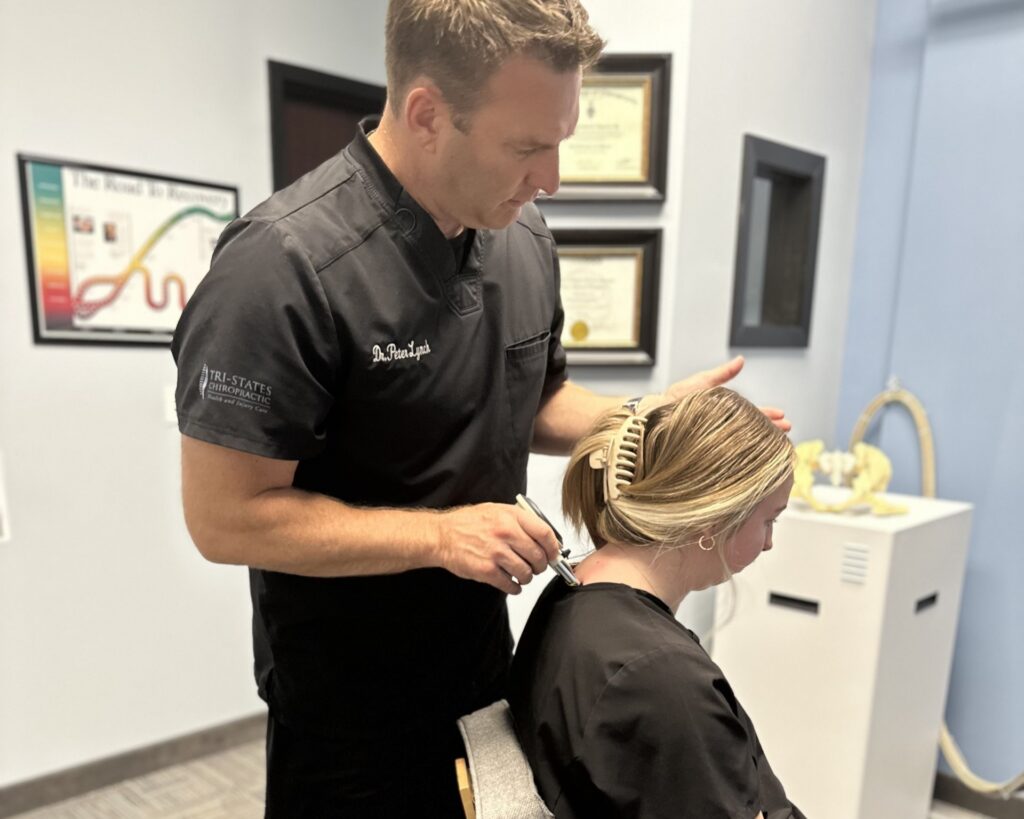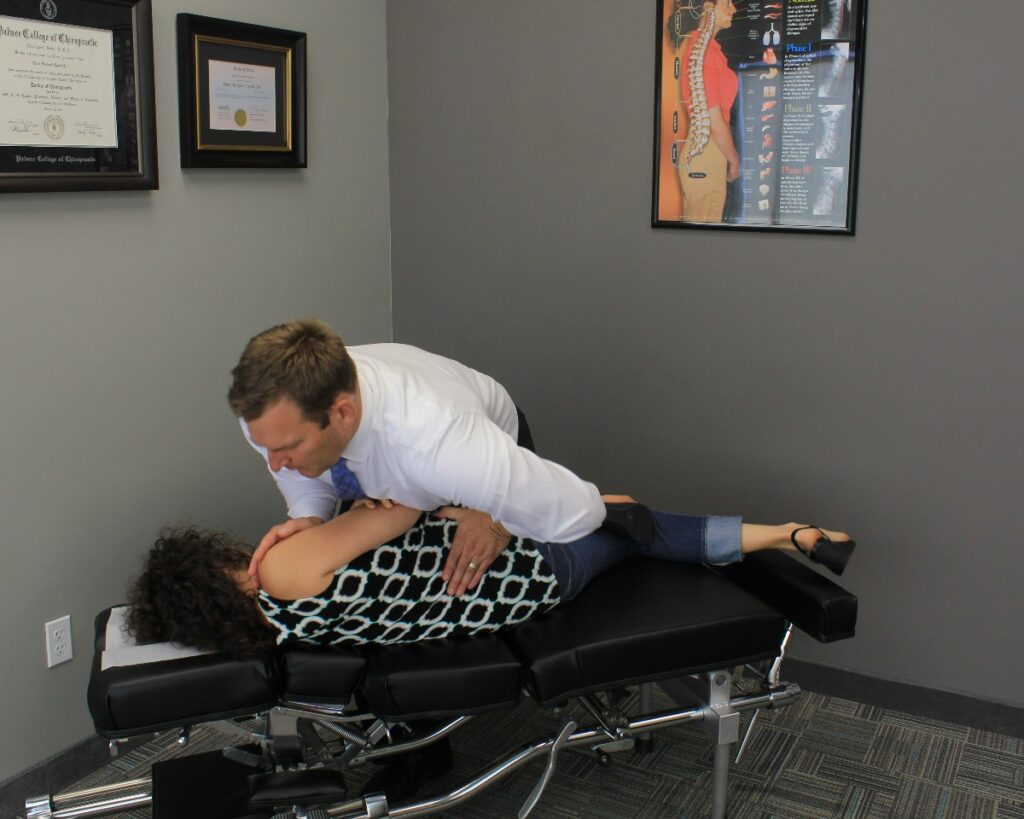
As your local chiropractor, I want to share with you how the integration of adjustments and exercise therapy in chiropractic care has significantly evolved over the years. In the late 19th century, chiropractic began with simple spinal manipulations aimed at relieving discomfort. However, as we've gained a deeper understanding of the body, practitioners like Dr. James Cyriax and Dr. Ida Rolf recognized the vital role of movement and tailored exercise in promoting recovery.
Today, we embrace a more holistic approach that combines these techniques to enhance your healing journey. By incorporating specific exercises alongside adjustments, we can improve your overall well-being and empower you to take an active role in your health. This evolution in chiropractic care not only transforms how we treat conditions but also enriches your experience as a patient.
I encourage you to think about how this integrated approach can benefit you and what it means for your overall health in a world that increasingly values natural healing methods.
Early Practices of Manual Adjustments
In the early days of chiropractic care, practitioners like myself relied heavily on intuition and careful observation to guide our techniques. We evaluated each patient's unique needs by closely examining their posture, movement, and muscle tension.
We recognized that every body has its own rhythm and patterns, which helped us develop a sensitive touch to identify areas needing attention. This hands-on approach allowed us to connect with our patients' discomfort and adjust our methods accordingly.
As you learn more about these foundational practices, you'll see that the focus was often on realigning the spine and restoring balance to the body. We employed various techniques, such as gentle thrusts and stretches, to address misalignments.
Imagine a chiropractor confidently using their skills to alleviate pain, relying on their training and instincts to guide them in the healing process.
Interestingly, many of these early techniques were influenced by cultural practices from around the world. Stories of ancient healers using similar methods highlight a shared understanding of the body's mechanics across different societies.
As you dive into this history, consider how these early practices laid the groundwork for the advancements we see in chiropractic care today.
Ultimately, the early days of chiropractic were defined by a strong connection between practitioner and patient. This relationship fostered an environment where healing could truly flourish, paving the way for the integration of new techniques and therapies that continue to evolve in our practice.
If you're curious about how chiropractic care can benefit you, I invite you to explore this journey with us!
Emergence of Exercise Therapy
As a local chiropractor, I want to share with you how exercise therapy has become an essential part of our approach to healing and wellness. In the past, chiropractic care mainly focused on spinal manipulation and adjustments. However, we've learned that incorporating exercise therapy can significantly enhance the benefits of these treatments. This shift is rooted in the growing understanding of how movement and physical activity can support your recovery and improve your overall health.
By integrating exercise into our chiropractic care, we empower you to take an active role in your healing journey. It's not just about alleviating symptoms; it's about addressing the underlying causes of musculoskeletal issues. We've developed specific exercise programs tailored to your individual needs, allowing for a more comprehensive and holistic approach to your care.
You might be surprised to learn that exercise therapy can improve your flexibility, strength, and coordination, all of which contribute to better overall function. With this combination of adjustments and exercise, many of our patients experience better outcomes as they engage more fully in their recovery process.
Whether you're dealing with chronic pain, postural issues, or simply seeking to enhance your well-being, this integrated approach can make a significant difference.
As you learn more about chiropractic care and the emergence of exercise therapy, I want you to know that this evolution reflects a broader movement toward patient-centered healthcare. It's all about encouraging your active participation in your own healing journey, and I'm here to guide you every step of the way.
Key Pioneers in Integration
As a local chiropractor, I want to share with you the fascinating journey of how adjustments and exercise therapy have come together to enhance our approach to healing.
There have been remarkable pioneers throughout history who played a crucial role in shaping this field. Their innovative research and practices have led to significant changes in how we provide therapy today.
By understanding the contributions of these key figures, you can gain valuable insight into the natural healing methods we use and how they work hand in hand to promote your well-being.
Together, adjustments and exercise therapy form a powerful combination that can help you achieve better health and vitality.
Notable Historical Figures
As your local chiropractor, I want to take a moment to share the incredible journey of how adjustments and exercise therapy have evolved, thanks to some remarkable pioneers in the field. Their insights and methods continue to influence our approach to healing today, and understanding their contributions can help you appreciate the value of chiropractic care.
One of the most influential figures is Dr. James Cyriax. He highlighted the importance of combining manual therapy with exercise in rehabilitation. Dr. Cyriax believed that a deep understanding of the body's mechanics is vital for effective treatment, which is a principle we embrace in our practice.
Another trailblazer is Dr. Ida Rolf, the founder of Rolfing Structural Integration. Her work centered on the idea that proper alignment through movement and adjustments can significantly enhance overall health. She taught us how crucial posture is and how it impacts our well-being, which is something we address in our chiropractic sessions.
We also draw inspiration from Dr. Moshe Feldenkrais, who developed methods that promote awareness through movement. His approach merges physical adjustments with a focus on mental clarity, showing us that healing isn't just physical but also involves our mindset.
In the chiropractic community, Dr. B.J. Palmer is a cornerstone figure. He championed the connection between spinal adjustments and general health. His vision laid the foundation for integrating exercise into chiropractic care, something we actively practice to ensure comprehensive healing for our patients.
Lastly, we can't forget Dr. Kenneth Cooper, often called the father of aerobics. He advocated for the essential role of physical activity in maintaining health and well-being. His influence encourages us to incorporate exercise into our treatment plans, helping you achieve optimal health.
Each of these pioneers has left an indelible mark on how we approach adjustments and exercise therapy today. By understanding their contributions, you can see how chiropractic care is more than just adjustments—it's a holistic approach to health that empowers you to take charge of your well-being.
Milestones in Therapy
As your local chiropractor, I want to share how adjustments and exercise therapy have transformed modern chiropractic care, making it more effective and holistic. Many pioneering figures have shaped this evolution, and I believe it's important for you to understand their contributions.
One significant pioneer is Dr. James Cox, who introduced the Cox Flexion-Distraction technique. This innovative approach combines spinal adjustments with therapeutic exercises, allowing us to treat your condition from multiple angles. It's not just about adjusting your spine; it's about helping you engage in exercises that support your overall healing.
Another influential figure is Dr. John Sarno, who emphasized the connection between the mind and body. His insights have led therapists like myself to integrate physical activity into recovery plans. By educating patients and focusing on self-management, Dr. Sarno has inspired many of us to incorporate exercise as a crucial component of your chiropractic care.
Additionally, Dr. Len Press has made great strides in functional rehabilitation, helping us combine adjustments with personalized exercise programs. His focus on biomechanics and movement patterns allows us to create treatment strategies that truly work for you, leading to better outcomes.
These pioneers have laid a strong foundation for what you experience in today's chiropractic practices. By blending adjustments with exercise therapy, we can enhance your recovery and promote your overall well-being. Understanding their contributions helps you appreciate the depth and effectiveness of the chiropractic care you receive here.
Influential Research Studies
As your local chiropractor, I want to share with you some important research that highlights the benefits of combining chiropractic adjustments with exercise therapy. Many studies have shown how these two approaches work well together, and I'd like to discuss a few that stand out.
One significant study by Goerl and colleagues in 2006 focused on patients dealing with chronic low back pain. They found that when spinal manipulations were paired with specific exercise routines, patients experienced much better outcomes. This research encouraged many chiropractors, including myself, to incorporate personalized exercise plans into our treatment strategies to help you achieve optimal results.
Another important study conducted by Hurwitz and his team in 2002 looked at the long-term benefits of combining chiropractic care with exercise therapy. They discovered that addressing both spinal adjustments and physical activity is crucial for achieving sustained pain relief and improving overall health. This means that simply coming in for adjustments is only part of the journey; incorporating movement into your routine is equally vital.
Additionally, the work of McMorland and his colleagues in 2012 examined how spinal adjustments and rehabilitative exercises work together. Their findings revealed that using both approaches can significantly enhance your recovery process.
These studies provide solid evidence supporting the integration of adjustments and exercise therapy, and they inspire me to offer you a more holistic treatment plan. By understanding the benefits of these combined approaches, you can better appreciate how we can work together to improve your health and well-being.
Development of Chiropractic Care
As a local chiropractor, I want to share with you the remarkable journey of chiropractic care, which has significantly evolved since its beginnings in the late 19th century. What started as a somewhat misunderstood practice has now transformed into a respected and widely accepted form of alternative medicine.
In the early days, practitioners like myself faced a fair amount of skepticism, but thanks to continuous advancements in research, education, and clinical practice, chiropractic care has solidified its place in the broader healthcare landscape.
You may be interested to learn that chiropractic care is now recognized for its effectiveness in treating a variety of musculoskeletal conditions, such as back pain, neck pain, and headaches.
Here are a few key milestones that have shaped the development of chiropractic care that I believe are important for you to know:
- Foundational Principles: The vertebral subluxation theory, which focuses on the misalignment of the spine and its impact on overall health, serves as the cornerstone of chiropractic philosophy and practice. Understanding how the spine influences your nervous system can open the door to natural healing.
- Professionalization: The establishment of accredited chiropractic colleges has been crucial in standardizing education for practitioners. This means that when you visit a chiropractor, you can trust that they're well-trained in anatomy, spinal health, and effective treatment techniques.
- Research Advancements: A wealth of studies has emerged, validating the effectiveness of chiropractic techniques. These studies demonstrate our ability to not only manage pain but also enhance your overall well-being.
- Integration into Healthcare: There's been a growing trend of collaboration between chiropractors and medical professionals, leading to greater acceptance of chiropractic care in conventional healthcare settings. This teamwork fosters a more holistic approach to your health, as various practitioners work together to address your unique needs.
Today, you can find chiropractic care in hospitals, clinics, and wellness centers, often as part of a team alongside other healthcare providers.
This collaborative model not only improves patient outcomes but also promotes a more comprehensive view of health and wellness.
As you take the time to explore chiropractic care, I hope you gain an appreciation for how far it has come and its ongoing evolution in the context of modern healthcare challenges.
Together, we can work towards achieving your health goals through natural healing.
Evolution of Rehabilitation Techniques
As you delve into the history of rehabilitation techniques, it's fascinating to see how early practices have shaped what we now recognize as modern chiropractic care.
One of the pivotal developments was the introduction of exercise therapy, which revolutionized our understanding of recovery by highlighting the importance of movement in healing.
Here at our clinic, we focus on integrating these time-tested strategies into a holistic approach to rehabilitation.
This means that alongside chiropractic adjustments, we emphasize exercises and techniques that promote overall wellness and empower you in your healing journey.
Early Rehabilitation Practices
As a local chiropractor, I want to take a moment to educate you about the evolution of rehabilitation practices and how they relate to our approach to recovery through chiropractic care.
Over the years, the way we help people heal from injuries and illnesses has changed dramatically. In ancient times, the focus was primarily on rest and allowing the body to heal naturally. But as we learned more about human anatomy and physiology, our methods for rehabilitation advanced as well.
Early rehabilitation techniques laid the groundwork for what we practice today, and they included several key elements that are still relevant in our approach:
- Manual Therapy: This involves hands-on techniques to gently manipulate muscles and joints. The goal is to reduce pain and improve mobility, which is something we incorporate into our chiropractic treatments.
- Hydrotherapy: The use of water for healing has been recognized for centuries. By leveraging water's buoyancy and resistance, patients can move more freely and support their recovery, a principle that aligns with our holistic approach to care.
- Therapeutic Exercises: These are simple yet effective movements tailored to strengthen muscles and enhance flexibility. We often recommend specific exercises to support your recovery and overall wellness.
- Assistive Devices: In the early days, crutches, braces, and supports were used to aid in mobility and prevent further injury. While we still use some modern variations of these tools, our focus is on restoring your body's natural function.
While these early practices may seem basic compared to the advanced techniques we've today, they were crucial in recognizing the importance of structured recovery.
At our chiropractic office, we build on these foundations to provide you with comprehensive care that promotes natural healing and supports your journey to better health.
I'm here to help you understand how chiropractic care can be a vital part of your recovery process.
Emergence of Exercise Therapy
As a local chiropractor, I want to share with you an important development in rehabilitation techniques: the emergence of exercise therapy. This approach emphasizes the vital role of movement in the recovery process. It's becoming increasingly clear that physical activity isn't just beneficial—it's essential for healing and restoring function.
In the early 20th century, especially in the aftermath of war, exercise therapy began to gain recognition. It wasn't just about physical recovery; it also acknowledged the psychological benefits of involving patients in their own healing journey. When you take an active role in your recovery, it can lead to better outcomes and a more positive mindset.
As you consider the possibilities of exercise therapy, think about how it opens doors for addressing a wide range of conditions, from musculoskeletal injuries like back pain to neurological disorders. By prioritizing movement, we can create tailored exercise regimens that cater to your individual needs. This empowers you as a patient and lays the groundwork for more integrated rehabilitation methods.
Ultimately, the rise of exercise therapy represents a significant moment in our understanding of health and recovery. It highlights how crucial movement is to overall well-being.
As your chiropractor, I'm here to support you in this journey, helping you harness the power of exercise as part of your healing process.
Modern Integration Strategies
As a local chiropractor, I want to emphasize the significance of exercise therapy within the realm of natural healing.
However, it's essential to understand how modern integration strategies are transforming rehabilitation techniques. Rehabilitation today transcends the mere focus on physical strength; it embraces a holistic approach that weaves together various modalities to support comprehensive recovery. Our goal is to provide individualized care that aligns with the unique needs of each patient.
Here are some key modern integration strategies that I believe can greatly benefit your healing journey:
- Multidisciplinary Collaboration: By collaborating with a team of healthcare professionals, we ensure that you receive well-rounded care that addresses not only your physical health but also your mental well-being.
- Technology Utilization: The use of innovative tools, like wearable devices and telehealth services, can significantly boost your engagement in the healing process and offer you real-time feedback on your progress.
- Functional Training: We focus on exercises that mimic your daily activities, helping you regain independence and enhancing your overall quality of life.
- Mental Health Integration: Understanding the psychological aspects of recovery is crucial. By incorporating mental health support into your rehabilitation, we aim for better outcomes and a more fulfilling recovery experience.
I encourage you to explore these strategies as part of your journey toward better health through chiropractic care and natural healing.
Research Supporting Combined Approaches
As a local chiropractor, I want to share some important insights about how combining chiropractic adjustments with exercise therapy can significantly enhance your health and well-being. Recent studies have shown that this integrated approach can lead to better mobility, pain relief, and overall improved wellness.
For example, a clinical trial published in the Journal of Physical Therapy found that patients who received both chiropractic adjustments and prescribed exercises experienced greater reductions in pain compared to those who received just one type of treatment.
Another insightful study in the Journal of Manipulative and Physiological Therapeutics revealed that patients suffering from lower back pain saw notable improvements in their functional abilities when both therapies were utilized. This combination not only addresses your immediate discomfort but also promotes long-term physical health by empowering you to take an active role in your recovery journey.
Additionally, research suggests that this combined approach can enhance muscle strength and flexibility, which are crucial for preventing future injuries. A meta-analysis in the Journal of Rehabilitation Research and Development concluded that incorporating both therapies can boost patient satisfaction and adherence to treatment plans.
Many patients also report feeling more engaged in their recovery when they experience the benefits of both adjustments and exercise therapy. This dual strategy encourages a comprehensive approach to healing, addressing both the structural and functional aspects of your health.
Modern Applications in Healthcare
As your local chiropractor, I want to take a moment to educate you about the transformative benefits of integrating chiropractic adjustments with exercise therapy in your healthcare journey. This combination is more than just a treatment; it's a comprehensive approach to enhancing your musculoskeletal health.
By addressing both the structural and functional aspects of your body, we can achieve better outcomes together.
When we combine chiropractic care with tailored exercise therapy, we can significantly improve the effectiveness of your treatments, speed up your recovery process, and help prevent future injuries.
Here are some key benefits you might experience as we work together:
- Enhanced Pain Relief: Chiropractic adjustments are designed to alleviate pain in a natural way, while exercise therapy focuses on strengthening the affected areas to promote long-term relief from discomfort.
- Improved Range of Motion: Through adjustments, we can help restore joint mobility, and with specific exercises, we can maintain and even enhance your flexibility over time.
- Increased Strength and Stability: Exercise therapy is essential for building muscle strength, which supports your joints and significantly reduces the risk of re-injury during everyday activities.
- Holistic Health Benefits: Our integrated approach doesn't just tackle physical symptoms; it also aims to improve your overall wellness and quality of life, addressing both body and mind.
I invite you to consider how this holistic approach can benefit you.
Together, we can create a personalized treatment plan that empowers you to take charge of your health and well-being.
Future Trends in Therapy Integration
As a local chiropractor, I want to share with you the exciting developments in healthcare that are making a real difference in how we approach wellness. The integration of chiropractic adjustments with exercise therapy is just the tip of the iceberg.
In the future, we'll see a significant shift towards holistic healthcare solutions that focus on the vital connection between body mechanics and overall well-being. This approach goes beyond chiropractic care and exercise; it encompasses nutrition, mental health, and alternative therapies like acupuncture and massage.
You may notice that healthcare providers are beginning to work together more closely than ever. This means that as your chiropractor, I may collaborate with physical therapists, dietitians, and mental health professionals to develop personalized treatment plans tailored specifically for you.
This teamwork ensures that we address every aspect of your health, which leads to more effective outcomes.
Technology is also transforming the future of therapy integration. For instance, wearable devices can track your physical activity and health metrics in real-time. This data allows us to adjust your treatment plan based on concrete information, ensuring that you receive the best possible care.
Additionally, telehealth services are making it easier for you to connect with a variety of specialists, breaking down any geographical barriers to comprehensive care.
As you navigate this evolving landscape, I want you to remember that the future of integrated therapy revolves around you. Your active involvement in your health journey—through self-advocacy and informed choices—will greatly enhance the effectiveness of the services we provide.
Embrace these changes, and look forward to a healthcare experience designed to support you in every dimension of wellness. Together, we can work towards a healthier, happier you!
Conclusion
As your local chiropractor, I want to share with you how the combination of adjustments and exercise therapy has revolutionized the way we approach chiropractic care. This integration makes our treatments not only more effective but also more holistic, focusing on the entire body and its needs.
Understanding the history behind these practices and the key figures who contributed to their development helps to illustrate how far we've come. This evolution is designed to empower you, our patients, by providing you with tools for lasting pain relief and improved well-being.
Research continues to support the benefits of combining these approaches, and as we move forward, we can anticipate even more innovative therapies that will enhance your overall health. I encourage you to embrace this journey with us, as we work together to optimize your natural healing process.