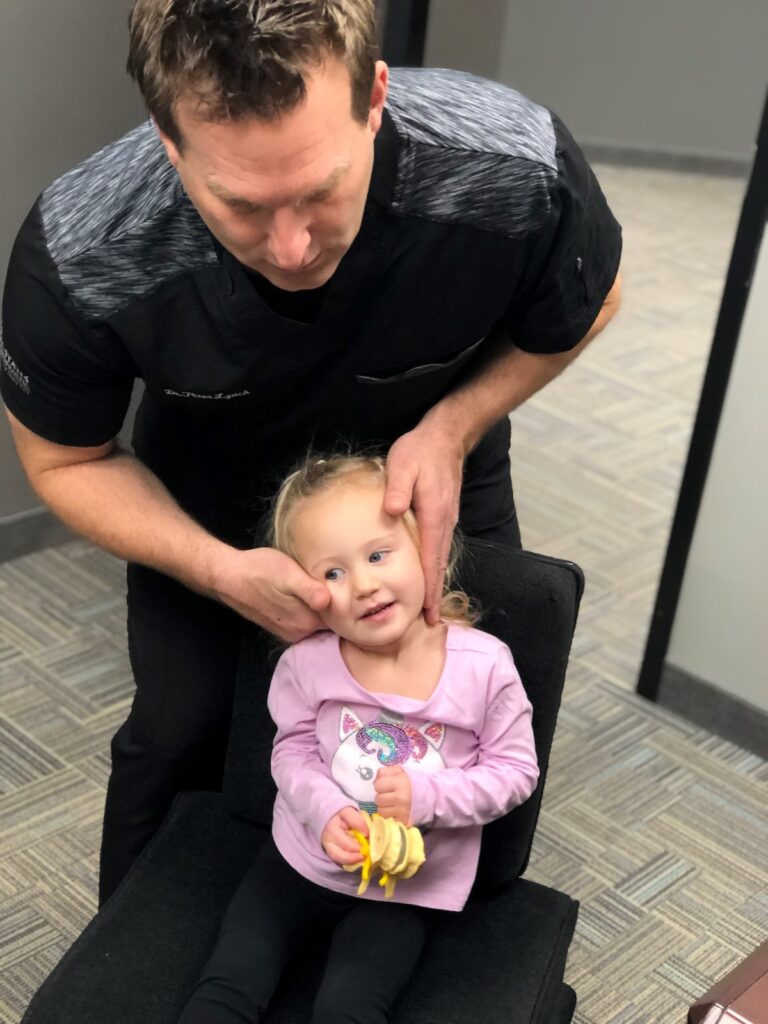
If you're dealing with chronic back pain, it's important to recognize how it can impact your daily life and overall well-being. As a chiropractor, I want to share with you some effective techniques that can help manage this pain naturally. Chiropractic care focuses on restoring proper alignment and function to the spine, which can alleviate discomfort and promote healing.
Incorporating specific exercises tailored to your needs, along with ergonomic adjustments, can significantly enhance your quality of life. These strategies not only help in reducing pain but also empower you to take control of your health. Understanding which chiropractic methods and lifestyle changes work best for you can be crucial, especially given the variety of approaches available. So, let's explore some of the most suitable strategies that can support your unique situation and help you on your journey to better health.
Understanding Chronic Back Pain
Chronic back pain is a common issue that affects many individuals, often making daily activities feel daunting. Simple movements like bending down, lifting objects, or sitting for extended periods can become sources of discomfort. Unlike temporary pain, chronic back pain can linger for weeks, months, or even longer, significantly affecting your overall quality of life.
As your local chiropractor, it's essential to help you understand chronic back pain and its potential causes. This type of pain can arise from various factors, including past injuries, poor posture, or underlying conditions such as arthritis or disc degeneration.
Additionally, lifestyle choices, such as obesity, lack of physical activity, and stress, can play a significant role in exacerbating back pain. By gaining insight into these factors, you can better equip yourself to manage and alleviate your discomfort.
Listening to your body is crucial when dealing with back pain. Pay attention to what activities may trigger flare-ups. Were you lifting something heavy, or did you find yourself sitting in an awkward position for too long? Recognizing these triggers can help you avoid them in the future.
Moreover, creating a supportive environment is vital. Investing in a comfortable mattress, ergonomic chairs, and appropriate footwear can lead to significant improvements in your back health.
It's also important to understand that chronic back pain is often multifaceted. As a chiropractor, I believe in addressing not only the physical aspects of your pain but also the emotional and psychological components that may be contributing to your discomfort.
By understanding your pain and its root causes, you can take the first step toward effective management and healing.
If you're struggling with chronic back pain, consider exploring chiropractic care as a natural healing option. Together, we can work towards restoring your body's balance and helping you regain control over your life.
Physical Therapy Options
As a local chiropractor, I want to share how exploring chiropractic care can significantly impact your journey in managing chronic back pain.
Our approach focuses on natural healing methods that can truly be transformative. We utilize manual therapy techniques to address misalignments in the spine, which can alleviate pain and improve function.
Additionally, we offer structured exercise rehabilitation programs tailored to your specific needs, helping you strengthen muscles and enhance mobility.
We also incorporate various natural modalities designed to relieve discomfort and promote healing.
Each of these options provides unique benefits, and together, they can help you regain control over your health and well-being.
Manual Therapy Techniques
As a local chiropractor, I want to share how manual therapy techniques can play a vital role in alleviating chronic back pain through natural healing. These hands-on methods focus on the manipulation of muscles and joints, which can enhance your mobility and significantly reduce pain, allowing you to enjoy daily activities with greater ease.
One of the primary techniques we use is soft tissue mobilization. This approach targets the muscles, tendons, and ligaments around your spine. By applying specific pressure and stretching these areas, we can relieve tension and promote blood circulation, which is essential for healing.
Another valuable technique is joint mobilization. This involves gently moving the joints of your spine to restore their normal range of motion. By doing so, we can decrease stiffness and alleviate discomfort, helping you feel more comfortable in your own body.
We also utilize myofascial release, which focuses on relieving tightness in the fascia—the connective tissue that envelops your muscles. By applying sustained pressure to certain points, we can release restrictions, which enhances flexibility and reduces pain.
It's important to collaborate with a qualified chiropractor who can customize these techniques to suit your specific needs. During your consultation, we'll assess your condition and develop a personalized treatment plan aimed at empowering you to manage your chronic back pain effectively and naturally.
Embracing chiropractic care can be a transformative step towards better health and well-being.
Exercise Rehabilitation Programs
As a local chiropractor, I want to share with you how exercise rehabilitation programs can be a vital part of managing chronic back pain.
These programs focus on strengthening the muscles that support your spine and enhancing your overall mobility, which can significantly improve your quality of life.
Here's how they can make a difference for you:
- Strengthening Exercises: We incorporate targeted exercises that help build core strength. A strong core is essential for stabilizing your spine and alleviating pain, allowing you to move with greater ease.
- Flexibility Training: Stretching routines are an integral part of our programs. They enhance your flexibility, making everyday activities more manageable and reducing discomfort during movement.
- Posture Correction: Our approach includes educating you about proper posture and providing exercises aimed at correcting any imbalances. Maintaining good posture can relieve unnecessary strain on your back, promoting long-term relief from pain.
- Aerobic Conditioning: We often recommend low-impact aerobic activities, such as walking or swimming. These exercises not only improve your overall fitness but also support pain management by increasing blood flow to your muscles, helping them recover and function better.
By incorporating these elements into your rehabilitation, you can experience a more natural and holistic approach to managing your back pain.
Let's work together to create a plan that suits your specific needs and helps you regain control of your life.
Modalities for Pain Relief
As a local chiropractor, I want to share with you some effective ways to manage chronic back pain that can complement your rehabilitation journey. Chiropractic care focuses on natural healing and offers a variety of modalities that not only alleviate discomfort but also enhance overall function.
One of the foundational techniques we use is manual therapy, where I apply hands-on adjustments to align your spine and manipulate surrounding tissues. This method helps to reduce pain, improve mobility, and restore proper function to your body.
In addition to adjustments, we often incorporate modalities such as heat and cold therapy. Utilizing heat can help relax tight muscles and increase blood flow, while cold therapy is great for numbing acute pain and reducing inflammation.
Electrical stimulation, like TENS (Transcutaneous Electrical Nerve Stimulation), is another tool we frequently employ. It sends gentle electrical currents to the painful area, helping to block pain signals and promote healing.
Similarly, ultrasound therapy harnesses sound waves to generate deep tissue warmth, providing relief and aiding muscle relaxation.
I also emphasize the importance of education and specific stretching exercises, which I can guide you through. By integrating these techniques into your daily routine, you can empower yourself in your recovery and take more control over your pain management journey.
Remember, it's always essential to consult with your healthcare provider before beginning any new treatment. This ensures that the approach is tailored to your unique condition and needs.
Together, we can work towards achieving a pain-free and healthier lifestyle through chiropractic care and natural healing methods.
Exercise and Stretching Techniques
As a local chiropractor, I want to emphasize the importance of incorporating regular movement and stretching into your daily routine to help alleviate chronic back pain. Engaging in specific exercises not only strengthens your back but also enhances flexibility, which can significantly reduce the likelihood of future discomfort.
Here are four effective techniques I recommend for your daily regimen:
- Cat-Cow Stretch: Begin by getting on all fours. Arch your back upward, mimicking a cat stretching, and then dip it down while lifting your head and tailbone. This gentle movement helps stretch and mobilize your spine, promoting better spinal health.
- Child's Pose: Kneel on the floor, sit back on your heels, and extend your arms forward while lowering your torso. This soothing stretch relaxes both your back and hips, effectively relieving tension and contributing to overall relaxation.
- Pelvic Tilts: Lie flat on your back with your knees bent. Engage your abdominal muscles and press your lower back into the floor while tilting your pelvis. This exercise not only strengthens your core but also stabilizes your spine, which is crucial for maintaining proper posture and alignment.
- Walking: Aim for a brisk 20-30 minute walk each day. Walking is a low-impact activity that promotes movement, enhances blood circulation, and supports overall back health.
Before embarking on any exercise program, I strongly advise consulting with your healthcare provider, especially if you're experiencing severe back pain.
By regularly practicing these exercises, you can regain control over your back pain and enhance your quality of life. Remember, consistency is key; the more you commit to these techniques, the greater your results will be.
Together, we can work towards a healthier, pain-free future!
Mindfulness and Relaxation Practices
As a local chiropractor, I want to share some valuable insights on how mindfulness and relaxation techniques can complement your journey in managing chronic back pain. Many of my patients are surprised to learn that focusing on the mind-body connection can significantly enhance their healing process.
By practicing mindfulness, you can acknowledge your pain without judgment, allowing yourself to respond with awareness rather than letting discomfort control your life.
One of the simplest yet most effective techniques I recommend is deep breathing exercises. When you engage in deep breathing, you activate your body's natural relaxation response, which can help alleviate tension and stress—both of which can exacerbate back pain.
Start by inhaling deeply through your nose, holding your breath for a few seconds, and then exhaling slowly through your mouth. Repeat this process several times to help ground yourself and reduce discomfort.
In addition to deep breathing, meditation and guided imagery can be incredibly beneficial. I suggest setting aside just a few minutes each day to sit quietly and visualize a peaceful scene. Imagine yourself in a tranquil environment, consciously releasing any tension in your back.
There are several apps and online resources that offer guided sessions to help you stay focused and engaged in this practice.
I also encourage incorporating gentle yoga or tai chi into your routine. These practices not only promote relaxation but also enhance flexibility and strength, which are crucial for alleviating back pain.
By embracing mindfulness and relaxation techniques alongside your chiropractic care, you can take proactive steps towards managing your chronic back pain and improving your overall well-being.
Medication and Pain Management
As a local chiropractor, I want to emphasize the importance of a holistic approach to managing chronic back pain. While medication can be a part of the solution, exploring natural healing methods alongside is vital for long-term relief and wellness.
Here are four common types of medications that some may consider, but remember, there are also effective non-pharmaceutical options that we can discuss:
- Over-the-Counter Pain Relievers: Many people turn to nonsteroidal anti-inflammatory drugs (NSAIDs) like ibuprofen or naproxen to help reduce inflammation and manage pain. These medications can be a first step, but I encourage you to also consider natural alternatives that promote healing without the side effects.
- Prescription Medications: In cases where over-the-counter options aren't sufficient, stronger pain relievers such as opioids may be prescribed. However, I caution you to be aware of the potential risks associated with these medications, and I invite you to explore chiropractic adjustments and other therapies that can address the root cause of your pain without relying solely on prescriptions.
- Muscle Relaxants: If you experience muscle spasms with your back pain, muscle relaxants might be suggested. While they can provide temporary relief, they're usually prescribed for short-term use due to their sedative effects. Chiropractic care, including adjustments and therapeutic exercises, can often alleviate muscle tension and reduce the need for such medications.
- Topical Analgesics: Creams or patches with pain-relieving ingredients can be applied directly to the affected area, providing localized relief without systemic side effects. However, I encourage you to explore natural topical treatments, such as essential oils or herbal remedies, which can also support healing.
At our chiropractic practice, we focus on treating the underlying causes of pain through natural methods, such as spinal adjustments, therapeutic exercises, and lifestyle modifications.
Let's work together to find the best approach for your unique situation, combining the benefits of chiropractic care with any necessary medications to help you achieve optimal health and comfort.
Alternative Therapies
As a local chiropractor, I want to share with you the valuable options available for managing chronic back pain through alternative therapies, which can often complement traditional treatments. These approaches not only help alleviate pain but also enhance your overall well-being.
One of the key methods we utilize in our practice is chiropractic care. This involves focusing on spinal alignment and employing hands-on techniques to relieve pressure on nerves and restore proper function. Many of our patients experience significant improvements in their discomfort and posture after regular visits. It's a natural, non-invasive way to support your body's healing process.
In addition to chiropractic adjustments, I encourage exploring massage therapy. This technique can effectively reduce muscle tension and boost blood circulation. Working with a skilled massage therapist can help you relax and target specific areas of pain, offering you personalized treatment that aligns with your needs.
Yoga and Pilates are also fantastic options we recommend for strengthening your core and enhancing flexibility. Both practices promote mindfulness and body awareness, empowering you to manage pain more effectively. By incorporating these exercises into your routine, you can build resilience against chronic pain and improve your overall physical health.
Finally, consider the potential benefits of herbal remedies and supplements. For example, turmeric is known for its anti-inflammatory properties, which may help reduce discomfort. However, it's crucial to consult with a healthcare professional before trying any new supplements to ensure they're safe and suitable for you.
At our practice, we believe in a holistic approach to health, and we're here to support you on your journey to pain relief and improved wellness.
Ergonomic Adjustments
As a local chiropractor, I understand the impact that ergonomic adjustments in your workspace can have on managing chronic back pain. By optimizing your work environment, you not only enhance your comfort but also reduce strain on your spine, which is crucial for maintaining overall health.
Here are four essential adjustments you can make today:
- Chair Height: It's important to ensure your chair is set so that your feet can rest flat on the floor, with your knees at or slightly below hip level. This adjustment promotes proper posture and helps alleviate pressure on your spine. A well-adjusted chair supports your body's natural alignment, which can significantly reduce discomfort.
- Desk Setup: Your desk should be at a height that allows your elbows to rest comfortably at a 90-degree angle while typing. This prevents overreaching, which can lead to tension not just in your back but also in your shoulders and neck. Maintaining a neutral wrist position while you work is also key to avoiding strain.
- Monitor Placement: Position your computer monitor about an arm's length away, with the top of the screen at or just below eye level. This setup will keep your neck in a neutral position, discouraging slouching—a common culprit in back pain. When your monitor is properly aligned, you're less likely to lean forward, which can exacerbate discomfort.
- Use a Lumbar Roll: I recommend considering a lumbar roll or cushion to support the natural curve of your lower back while sitting. This simple tool can help alleviate discomfort and encourage you to maintain proper posture throughout your workday, allowing your spine to remain in a healthy alignment.
By making these ergonomic adjustments, you can take proactive steps towards better back health.
Lifestyle Modifications
As a local chiropractor, I want to help you understand how your lifestyle choices can significantly impact your chronic back pain and overall well-being. While ergonomic adjustments are important, integrating regular physical activity into your daily routine is crucial for long-term relief.
I recommend focusing on low-impact exercises such as walking, swimming, or cycling. These activities not only strengthen your back muscles but also improve flexibility and enhance your overall fitness without putting excessive strain on your body.
It's equally important to be mindful of your posture throughout the day. Whether you're sitting at a desk or standing, maintaining a neutral spine is essential for reducing tension in your back. I often suggest investing in supportive chairs and using cushions to provide lumbar support.
Nutrition is another key aspect of managing pain. A balanced diet that includes plenty of anti-inflammatory foods—like fruits, vegetables, and whole grains—can help alleviate discomfort. Staying hydrated is also vital, as proper hydration supports muscle health and overall function.
Additionally, don't overlook the importance of stress management. Chronic stress can lead to muscle tension, which can worsen your pain. I encourage you to engage in relaxation techniques such as mindfulness, yoga, or deep breathing exercises. These practices can help reduce stress and improve your pain levels.
Lastly, prioritize your sleep. A restorative night's sleep is essential for your body's recovery and healing process. Aim for 7-9 hours of quality sleep each night and create a sleep-friendly environment.
When to Seek Professional Help
If you've been experiencing ongoing back pain for a while, I encourage you to consider visiting a chiropractor.
It's important to be aware of additional symptoms such as numbness or weakness, as these can indicate a more serious condition that requires attention.
Moreover, if your pain is affecting your daily activities, please don't hesitate to consult with a healthcare professional like a chiropractor.
We specialize in natural healing methods that can help alleviate your discomfort and improve your overall well-being.
Your health is important, and seeking guidance can be the first step towards relief.
Persistent Pain Duration
As a local chiropractor, I understand how frustrating and overwhelming persistent back pain can be. Many of my patients often find themselves unsure about when to reach out for professional help.
It's crucial to recognize the signs that indicate it's time to consult a healthcare provider like myself. Ignoring prolonged pain can lead to further complications, so here are some key indicators to consider:
- Duration: If your back pain has lasted longer than three days without any improvement, I encourage you to seek help. Early intervention can make a significant difference in your recovery.
- Intensity: When your pain becomes more intense and starts to interfere with your daily activities or disrupts your sleep, it's a strong signal that professional advice is needed.
- Impact on Mobility: If you're experiencing difficulty standing up straight, bending, or carrying out your normal tasks, it's time to reach out to a specialist like me. Mobility is essential for a good quality of life.
- Previous Treatments: If you've tried various home remedies or over-the-counter medications without finding relief, it may be time for a professional evaluation. Chiropractic care offers a natural approach to healing that can be quite effective.
Recognizing these signs is your first step toward finding effective treatment and improving your quality of life.
Don't let persistent pain dictate your daily routine; take action by reaching out for professional help when needed. Your back deserves the attention it needs to heal, and I'm here to support you on your journey to wellness through chiropractic care.
Associated Symptoms Present
As a local chiropractor, I want to emphasize the importance of recognizing associated symptoms when dealing with chronic back issues. Identifying these symptoms is crucial, as they can provide valuable insights into your condition and guide you on when it's necessary to seek professional help.
If you experience tingling or numbness in your legs or feet, it's essential to take notice. These sensations may indicate nerve involvement, which is something we can address through chiropractic care. Additionally, if you notice any weakness in your limbs, don't disregard it. This could point to a more serious underlying issue that we can help assess and manage.
You should also be aware of other concerning signs. If your back pain is accompanied by unexplained weight loss, fever, or any changes in bowel or bladder function, it's crucial to consult with a healthcare professional immediately. These symptoms could be indicative of infections, tumors, or other serious conditions that require prompt attention.
Furthermore, pay attention to how your pain affects your overall health. If you find that it disrupts your sleep, daily activities, or mental well-being, it's a clear indication that it's time to seek help. Addressing these issues early on can lead to better outcomes and improved quality of life.
Impact on Daily Life
As a local chiropractor, I want to share with you how chronic back pain can significantly affect not just your physical health, but your whole daily life. Many of my patients come in feeling overwhelmed, as simple tasks transform into daunting challenges.
It's crucial to recognize when it's time to seek professional help, and I'm here to guide you through that process. Here are some signs that indicate you might benefit from chiropractic care:
- Struggles with Everyday Tasks: If you find that routine activities such as dressing, cooking, or even walking are causing you pain, it's time to consider a consultation. Chiropractic adjustments can alleviate discomfort and make these tasks manageable again.
- Ongoing Pain: If your back pain persists for several weeks despite trying home remedies, don't hesitate to reach out for help. Chiropractic care addresses the root causes of pain and can provide long-lasting relief.
- Mobility Issues: Stiffness or decreased flexibility in your back can limit your movement. If you're experiencing these symptoms, it's a clear sign that you should visit a chiropractor. We can help restore your range of motion through targeted treatments.
- Emotional Well-being: Chronic pain can take a toll on your mental health, leading to feelings of anxiety or depression. Addressing both the physical and emotional aspects of your pain with a professional can significantly enhance your overall well-being.
Listening to your body is key. Seeking chiropractic care can lead to effective, natural treatment options that help you reclaim your life and enjoy greater health and happiness.
Don't wait—take action for your well-being today!
Conclusion
As a local chiropractor, I want to share with you the importance of a holistic approach to managing chronic back pain. It's essential to understand that various techniques can be tailored to your individual needs for optimal results. By incorporating chiropractic care, physical therapy, targeted exercises, mindfulness practices, and ergonomic adjustments into your daily routine, you can significantly enhance your quality of life.
Chiropractic care focuses on aligning your spine and improving your overall function, which can alleviate pain and promote healing. I encourage you to listen to your body and make necessary adjustments along the way. If you find that your pain persists or worsens, it's crucial to seek professional guidance. Remember, taking proactive steps today can pave the way for a healthier, more comfortable tomorrow. Embrace the journey towards natural healing and let us help you along the way!