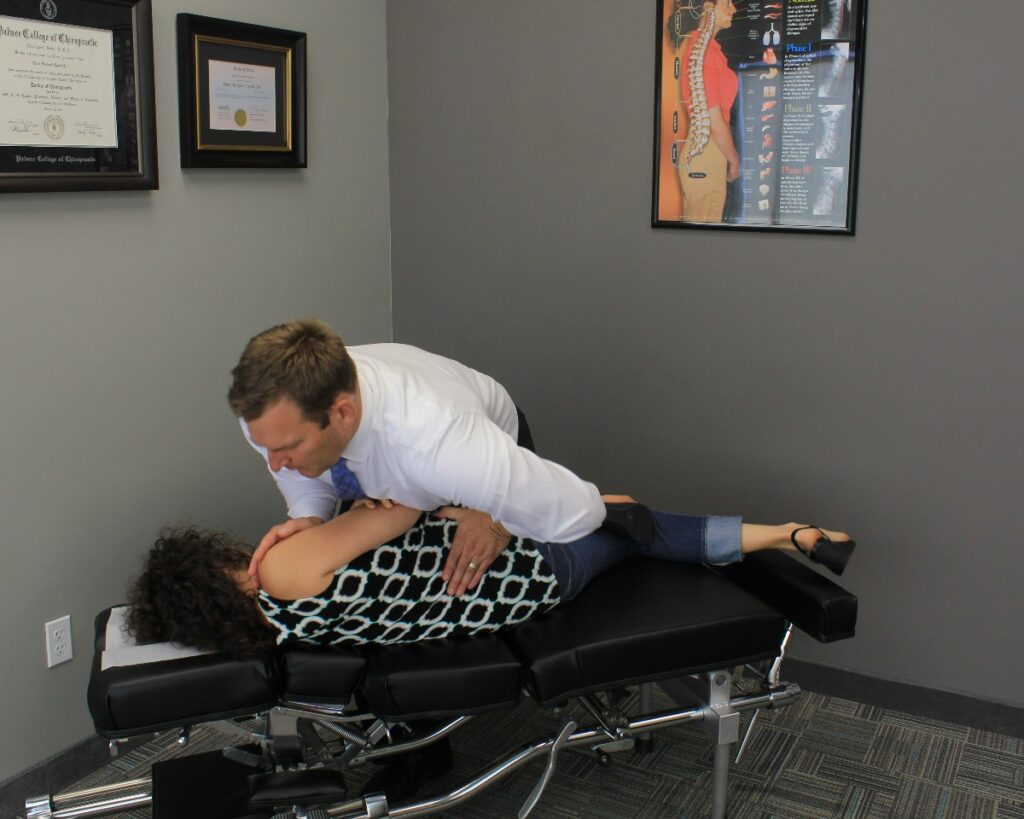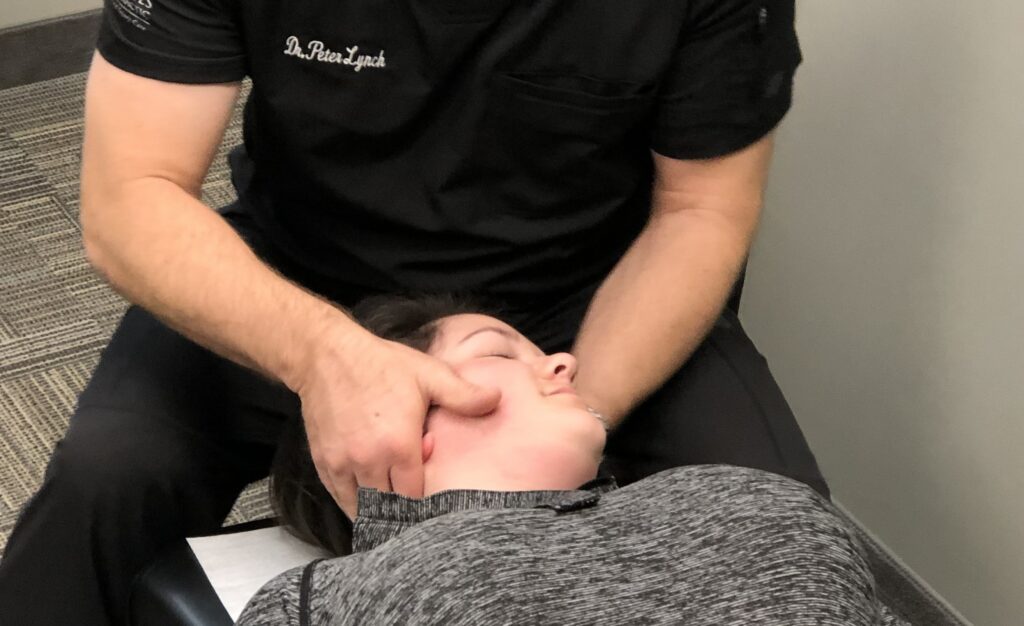
As a local chiropractor, I want to share some insights on relieving back pain that may not be immediately obvious. Many people think a quick fix, like a painkiller, is the solution, but true and lasting relief often requires a more comprehensive approach. In my practice, I emphasize the importance of integrating lifestyle changes, specific exercises, and alternative therapies to address back pain from multiple angles.
For example, maintaining good posture is crucial, and I often recommend gentle, low-impact workouts that are tailored to your individual needs. However, there's so much more to consider. What if the key to your relief is in a combination of chiropractic adjustments, therapeutic exercises, and perhaps even nutritional support? Together, we can explore these various avenues to help you achieve the comfort and pain relief you deserve. Let's work together to uncover the best approach for your unique situation and get you back to enjoying life without the burden of back pain.
Understanding Back Pain Causes
As a local chiropractor, I want to help you understand the various causes of back pain and how we can work together towards finding relief.
One of the most common issues I see in my practice is muscle strain. This often happens when people lift heavy objects or make sudden awkward movements—activities that may seem routine but can easily lead to pulled muscles. It's important to be mindful of how you engage in everyday tasks, as this can make a significant difference in your back health.
Another significant contributor to back pain is herniated discs. This occurs when the cushioning between your vertebrae shifts out of position, putting pressure on nearby nerves and resulting in pain. If you've noticed numbness or tingling in your legs, this could be a sign that your discs are out of alignment.
Arthritis is another condition that I frequently encounter in my patients. The inflammation it causes in your joints can lead to stiffness and discomfort, making everyday movements more challenging.
It's also crucial to recognize the impact of emotional stress on your back health. When you're under stress, your muscles tend to tense up, leading to discomfort and pain in your back. Understanding the connection between mental well-being and physical health is essential for comprehensive care.
Lastly, lifestyle choices such as a lack of physical activity or being overweight can worsen back pain. By incorporating regular exercise into your routine, you can strengthen your core and back muscles, offering better support to your spine.
By identifying the root causes of your back pain, we can create a tailored treatment plan that addresses these issues naturally, helping you move towards a pain-free life.
I'm here to guide you through this journey and support your path to recovery.
Importance of Physical Therapy
Many individuals experiencing back pain often turn to medication or rest for quick relief, but I want to emphasize the significant benefits of incorporating chiropractic care into your treatment plan. Chiropractic care offers a holistic approach that not only addresses your current discomfort but also focuses on preventing future issues. By working with a licensed chiropractor, you'll receive personalized strategies designed specifically for your unique needs and condition.
One of the primary advantages of chiropractic care is the emphasis on understanding your body mechanics. During your initial assessment, I'll evaluate your posture, flexibility, and strength to identify any imbalances or weaknesses that may be contributing to your pain. With this knowledge, you'll learn how to move safely and efficiently, which can significantly reduce strain on your back.
In addition, chiropractic adjustments and techniques can help alleviate pain by restoring proper alignment and function to your spine. These adjustments can enhance circulation, reduce inflammation, and promote healing throughout your body. I'll also provide you with guidance on how to modify daily activities and ergonomics to avoid exacerbating your condition.
Moreover, I believe in empowering you with knowledge about your back pain. I'll teach you how to recognize early signs of discomfort and provide you with strategies to address them proactively before they escalate into more significant issues.
Integrating chiropractic care into your recovery plan not only helps you find relief but also equips you with the tools and understanding necessary to maintain a healthier back for the long term.
Don't underestimate the importance of chiropractic care; it's a crucial step toward achieving lasting relief and enhancing your overall well-being.
Role of Exercise and Stretching
As a local chiropractor, I want to share how incorporating regular exercise and stretching into your daily routine can significantly help manage back pain. Engaging in physical activity not only enhances your overall health but also strengthens the muscles that support your spine. When these muscles are strong, they can alleviate the strain on your back, leading to reduced pain and discomfort.
For those new to exercise, I recommend starting with low-impact activities like walking, swimming, or cycling. These forms of exercise promote blood flow and facilitate healing while minimizing stress on your joints. Aim for at least 150 minutes of moderate aerobic activity each week, and break this down into shorter, manageable sessions. Consistency in your exercise routine will build your endurance and strength over time, which is crucial for back health.
Stretching is equally vital in this journey. Establishing a daily stretching routine can enhance your flexibility and relieve muscle tension. Focus on stretches that target the back, hips, and legs, as these areas often contribute to back pain. Simple movements such as the cat-cow, child's pose, or hamstring stretch can be particularly effective. Hold each stretch for 15 to 30 seconds, and repeat several times for optimal results.
It's important to listen to your body during these exercises and stretches. If you experience pain or discomfort, consider modifying the movement or seeking guidance from a healthcare professional. The key is to find a routine that works best for you.
Benefits of Proper Posture
As a local chiropractor, I want to share how proper posture can significantly benefit your health.
Maintaining good posture is crucial for enhancing spinal alignment and reducing muscle tension. When you sit or stand correctly, your body operates more efficiently, which can help prevent discomfort and pain.
By being mindful of your posture, you can't only improve your overall well-being but also alleviate issues like back pain.
Enhances Spinal Alignment
As a local chiropractor, I want to emphasize the vital connection between good posture and spinal alignment. Many people may not realize that maintaining proper posture is crucial for allowing your spine to effectively support your body's weight. This can significantly reduce stress on your spinal structures, leading to a multitude of benefits for your overall health.
Here's how good posture can positively impact you:
- Improved Balance: When you stand tall with proper posture, your body can distribute weight evenly across your spine. This leads to better balance and stability, helping to prevent falls and injuries.
- Increased Energy Levels: Proper spinal alignment minimizes fatigue by allowing your muscles to function efficiently. This means you'll have more energy for your daily activities and less strain on your body.
- Enhanced Breathing: Good posture opens up your chest and lungs, facilitating deeper breaths. With increased oxygen flow, you can improve your overall vitality and wellness.
- Boosted Confidence: Adopting an upright posture not only helps your physical health but also enhances your self-image. You may find that standing or sitting tall can make you feel more confident in both social and professional interactions.
If you're looking to improve your posture and spinal alignment, I encourage you to consider chiropractic care. Together, we can work towards a healthier, more aligned you!
Reduces Muscle Tension
As a local chiropractor, I want to share with you the importance of maintaining an aligned posture for reducing muscle tension throughout your body. When your posture is aligned, your weight is distributed evenly, preventing some muscles from becoming overworked while others are left underused. This balance helps minimize strain in common areas like your neck, shoulders, and lower back.
If you find yourself slouching or hunching over frequently, you may be placing unnecessary stress on your muscles. Over time, this tension can lead to discomfort and even pain. By consciously working on your alignment, you not only relieve this tension but also enhance your circulation. Improved blood flow means your muscles receive the oxygen and nutrients they need to function optimally.
It's essential to be mindful of your posture not only while sitting or standing but also during activities such as lifting and exercising. By focusing on your alignment, you can help prevent injuries and maintain muscle balance.
Consider incorporating simple reminders into your daily routine, such as using ergonomic chairs or posture-correcting devices, to help you stay aligned throughout the day.
Lifestyle Modifications for Relief
As a local chiropractor dedicated to your well-being, I want to share some simple yet effective lifestyle modifications that can help alleviate back pain and enhance your overall health. You don't have to overhaul your entire routine; instead, consider these practical adjustments that can make a significant difference:
1. Prioritize Good Posture: Being mindful of your posture is crucial for spinal health. Whether you're working at a desk or waiting in line, keep your back straight and shoulders relaxed.
I often recommend ergonomic furniture that supports your spine, which can greatly reduce discomfort over time.
2. Stay Active: Engaging in regular physical activity is essential for strengthening the muscles that support your back. Incorporate low-impact exercises like walking, swimming, or yoga into your routine.
Movement is key, so find ways to be active throughout your day.
3. Manage Your Weight: Carrying extra weight can place additional stress on your back. Focus on a balanced diet that includes plenty of fruits, vegetables, lean proteins, and whole grains.
Maintaining a healthy weight not only benefits your spine but also your overall health.
4. Ensure Quality Sleep: Restorative sleep is vital for your body's recovery processes. Invest in a supportive mattress and pillow that suit your sleeping style, and try to maintain a consistent sleep schedule.
Aim for 7-9 hours of restorative sleep each night to promote healing.
Alternative Therapies and Treatments
As a local chiropractor, I want to help you understand how alternative therapies and treatments can significantly aid in your journey toward back pain relief. While lifestyle changes form a crucial base for recovery, exploring these natural approaches can complement conventional methods and promote holistic healing.
One of the most effective alternative therapies is acupuncture. This ancient technique involves the insertion of thin needles into specific points on the body, which helps to release blocked energy and foster healing. Many of my patients have reported remarkable pain relief and improved mobility following acupuncture sessions.
Chiropractic care, of course, is my specialty. We focus on spinal alignment to restore normal function to the body. By addressing misalignments in the spine, I can help alleviate pain and enhance your overall physical health, allowing you to move more freely and comfortably.
Massage therapy is another valuable option that we frequently recommend. Therapeutic massages target muscle tension and improve circulation, which can speed up the healing process. Regular sessions not only help to diminish pain but also contribute to a greater sense of relaxation and well-being.
In addition to these therapies, yoga and meditation are beneficial practices for managing back pain. They encourage flexibility, strength, and mindfulness, which can bolster your body's ability to cope with discomfort. Incorporating gentle stretches and deep breathing into your routine can create a sense of balance and control over your pain.
Lastly, I encourage you to explore the use of herbal remedies or essential oils. Many people find relief from natural anti-inflammatories like turmeric or through the use of essential oils such as peppermint or lavender in their massages. However, it's essential to consult with me or another healthcare professional before starting any new treatment to ensure it's safe and tailored to your unique needs.
Together, we can develop a comprehensive plan that incorporates these alternative therapies, promoting a natural and effective path to healing your back pain.
Nutrition's Impact on Back Health
As your local chiropractor, I want to emphasize how crucial your diet is for maintaining a healthy back. The foods you choose can significantly impact your spinal health.
By incorporating anti-inflammatory foods and ensuring you stay hydrated, you can effectively reduce pain and enhance your body's natural healing processes. A diet rich in essential nutrients not only boosts your overall health but also fortifies the muscles and structures that support your back.
Making mindful food choices is a vital step towards achieving and maintaining a strong, resilient spine. Let's work together to explore how nutrition can complement your chiropractic care and promote lasting wellness.
Anti-inflammatory Foods
As your local chiropractor, I want to emphasize the significant role that nutrition plays in your spinal health and overall well-being. Incorporating anti-inflammatory foods into your diet can be a game-changer when it comes to alleviating back pain and enhancing your mobility.
By choosing the right foods, you're not only nourishing your body but also supporting the healing process.
Here are four anti-inflammatory foods I recommend including in your meals for better back health:
- Fatty Fish: Fish like salmon, mackerel, and sardines are excellent sources of omega-3 fatty acids. These healthy fats are well-known for their anti-inflammatory properties, which can help reduce pain and inflammation in your spine.
- Leafy Greens: Vegetables such as spinach, kale, and Swiss chard are loaded with antioxidants and essential vitamins. These nutrients are vital for promoting healing and minimizing inflammation, making them a fantastic addition to your diet.
- Berries: Fruits like blueberries, strawberries, and raspberries are rich in antioxidants that combat oxidative stress and inflammation in the body. Including these in your diet can provide a delicious way to support your health.
- Turmeric: This vibrant spice contains curcumin, a potent anti-inflammatory compound. Not only does turmeric add flavor to your meals, but it can also play a supportive role in maintaining your back health.
By making these mindful dietary choices, you can empower your body to heal naturally and improve your quality of life.
Hydration Importance
As your local chiropractor, I want to emphasize the importance of staying hydrated for not just your overall wellness, but specifically for your back health.
Water is vital for the optimal functioning of your body, particularly when it comes to the intervertebral discs in your spine. These discs serve as shock absorbers, and when you're not drinking enough water, they can lose their cushioning ability. This can lead to discomfort and pain in your back.
Proper hydration is also crucial for lubricating your joints, which helps to reduce stiffness and promote flexibility. This is especially important for your spine; a well-hydrated system allows for better movement and can help your body handle daily stressors more effectively.
It's important to understand that dehydration can also lead to muscle cramps and fatigue. When your muscles are worn out, they struggle to provide adequate support to your spine, which can heighten your risk of injury and exacerbate back pain.
To ensure you're staying properly hydrated, I recommend aiming for at least eight 8-ounce glasses of water a day, but be sure to adjust this based on your activity level and the climate you're in.
Additionally, incorporating hydrating foods like fruits and vegetables into your diet can significantly enhance your fluid intake.
By prioritizing hydration, you're not just addressing back pain; you're taking an essential step toward improving your overall health and well-being.
Nutrient-Rich Diet
As a local chiropractor, I'm here to emphasize the vital role that a nutrient-rich diet plays in supporting your back health and overall well-being. Many patients may not realize that what you eat can significantly impact inflammation, muscle strength, and your body's natural healing processes.
By prioritizing certain nutrients, you can make a notable difference in how your back feels and functions.
Here are four key components to incorporate into your diet for enhanced back health:
- Omega-3 Fatty Acids: These beneficial fats, found in fish like salmon and nuts such as walnuts, are known for their anti-inflammatory properties. Reducing inflammation is crucial in alleviating back pain and promoting recovery.
- Calcium: Strong bones are essential for a healthy spine. You can obtain calcium from dairy products, leafy greens, and fortified foods. Ensuring adequate calcium intake supports your skeletal structure and helps prevent issues like osteoporosis, which can lead to back problems.
- Vitamin D: This vitamin is essential for the proper absorption of calcium. You can get vitamin D naturally from sunlight exposure, as well as from foods like fatty fish and egg yolks. Adequate levels of vitamin D are crucial for maintaining strong bones and overall health.
- Magnesium: Important for proper muscle function, magnesium helps prevent muscle cramps and supports muscle relaxation. You can find magnesium in nuts, seeds, and whole grains. A diet rich in magnesium can contribute to a healthier spine and reduce the likelihood of muscle tension that can affect your back.
By incorporating these nutrients into your daily diet, you can support your chiropractic care and promote a healthier, more resilient back.
Mindfulness and Stress Management
As a local chiropractor, I want to emphasize the vital role that mindfulness and stress management play in alleviating back pain. When you practice mindfulness, you become more attuned to your body and its sensations. This heightened awareness can help you identify tension and discomfort before they escalate into pain. By focusing on the present moment, you can effectively release stress that often manifests physically, contributing to your back pain.
Incorporating techniques such as meditation, deep breathing, or yoga into your daily life can greatly enhance your mindfulness practice. These methods teach you to observe your thoughts and feelings without judgment, which can help reduce anxiety and promote relaxation. When your body is relaxed, your muscles can release tension, potentially leading to decreased pain in your back.
Equally important are stress management techniques. High levels of stress can cause muscle tightness, worsening back pain. I encourage you to identify the stressors in your life and develop effective coping strategies, such as prioritizing your time or setting healthy boundaries.
Engaging in regular physical activity is also a fantastic way to manage stress and improve your overall well-being.
I recommend keeping a journal to monitor your stress levels and note how mindfulness practices impact your back pain. Reflecting on these experiences can deepen your understanding of the mind-body connection.
Conclusion
As a local chiropractor, I want to share how a comprehensive approach to back pain relief can truly transform your life. Many people are unaware of the underlying causes of their discomfort, but understanding these factors is the first step toward recovery. By committing to chiropractic care, we can work together on a personalized treatment plan that includes physical therapy and exercises designed to strengthen your spine.
It's crucial to recognize the importance of proper posture and making lifestyle changes that support your back health. Many patients find that incorporating alternative therapies, such as acupuncture or massage, can complement their chiropractic adjustments and enhance their healing process.
Don't forget that nutrition plays a vital role in overall wellness, including back health. A balanced diet can reduce inflammation and improve your body's ability to heal. Additionally, managing stress through mindfulness techniques can greatly impact your pain levels and overall well-being.
Embrace these strategies, and let's work together to guide you toward a healthier, pain-free back. Remember, chiropractic care is about more than just alleviating pain; it's about fostering a holistic approach to your health.