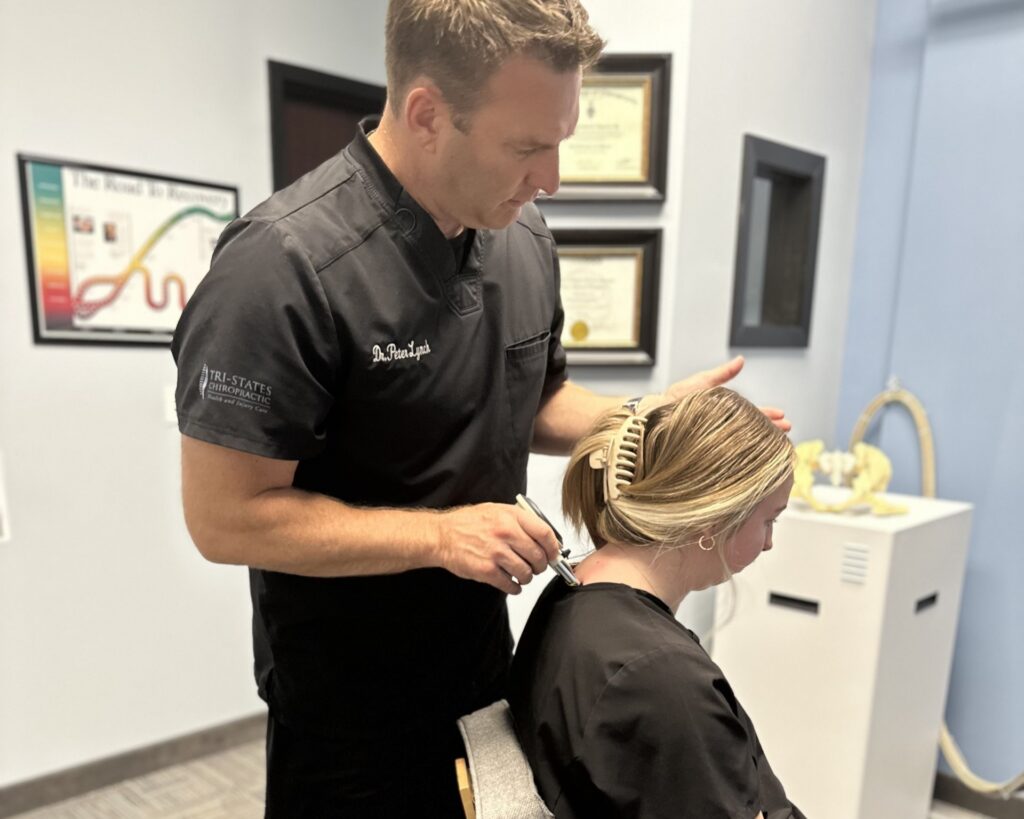
As a local chiropractor, I want to help you understand the various treatment options available for managing migraines and chronic pain. Many people are not familiar with chiropractic care and how it can play a role in your healing journey. While over-the-counter medications and alternative therapies can provide some relief, chiropractic care focuses on addressing the root cause of your pain through natural means.
Our approach involves spinal adjustments, which can help restore proper alignment and function of your nervous system, potentially reducing the frequency and intensity of migraines and chronic pain episodes. It’s important to recognize that each treatment method has its own advantages and potential drawbacks.
Finding the right solution for you is crucial, as what works for one person may not work for another. By exploring chiropractic care and its benefits, you may discover a holistic path to relief and improved quality of life. Let’s work together to find the best approach for your health and well-being.
Understanding Migraine and Chronic Pain
As a local chiropractor, I want to share some insights about migraines and how they relate to chronic pain, particularly from a natural healing perspective.
Migraines aren’t just severe headaches; they’re complex neurological events that can significantly disrupt your daily life. Many of my patients describe experiencing intense pain, heightened sensitivity to light and sound, and even visual disturbances during a migraine attack.
Understanding how migraines work is key to managing them effectively. They often arise from changes in brain activity, which can lead to inflammation and disruptions in nerve signals. Through chiropractic care, we can address some of the underlying issues contributing to migraines, such as spinal misalignments or tension in the neck and shoulders.
Chronic pain associated with migraines can create a cycle of anxiety and stress, which may intensify the headaches. I’ve noticed that many patients have specific triggers that worsen their symptoms, including lack of sleep, certain foods, or poor posture.
By identifying these triggers, we can make proactive adjustments in your daily routine and overall lifestyle. Recognizing the connection between migraines and chronic pain is vital for seeking effective treatments and developing personalized coping strategies.
In our practice, we focus on holistic approaches that consider the whole body, helping you to find relief and improve your quality of life. By understanding the complexities of migraines and utilizing natural healing methods, you can better navigate your journey towards wellness.
Over-the-Counter Medications
As a local chiropractor, I want to help you understand how to manage migraines with a focus on natural healing methods. While over-the-counter (OTC) medications can offer quick relief, it’s crucial to consider the underlying causes of your migraines and explore holistic options.
When facing a migraine, many people reach for OTC pain relievers, but it’s essential to be informed about your choices. Common OTC options include ibuprofen and acetaminophen, but understanding the right dosage and potential side effects is vital. These medications can sometimes mask symptoms rather than address the root cause of your migraines.
In our chiropractic practice, we emphasize the importance of treating the body as a whole. We consider factors like spinal alignment, tension in the muscles, and lifestyle habits that can contribute to your discomfort.
By incorporating chiropractic adjustments, stress-reduction techniques, and nutritional guidance, we aim to not only alleviate your migraine symptoms but also enhance your overall well-being.
Let’s work together to explore natural, effective options for managing your migraines, so you can experience relief without solely relying on medications. Your health journey is uniquely yours, and we’re here to support you every step of the way.
Common OTC Options
As a local chiropractor, I often encounter patients seeking relief from migraine pain, and I want to share some insights on common over-the-counter (OTC) medications that can be a convenient option.
While chiropractic care focuses on natural healing and addressing the root causes of pain, understanding these OTC choices can be beneficial as part of your overall approach to wellness.
Here are three widely used OTC medications that you might consider for migraine relief:
- Ibuprofen: This nonsteroidal anti-inflammatory drug (NSAID) is effective in reducing inflammation and alleviating pain. It can be a good option if you’re experiencing acute discomfort.
- Aspirin: Known for its effectiveness against headaches, aspirin can help diminish pain. Sometimes, it may be combined with other medications for enhanced relief, but it’s essential to consult with a healthcare professional about your specific needs.
- Acetaminophen: This medication is well-regarded for its pain-relieving properties and is a gentler alternative for those who may be sensitive to NSAIDs. It can provide relief without the potential gastrointestinal side effects associated with some other options.
While these OTC medications can offer temporary relief, I encourage you to consider chiropractic care as a holistic approach to managing migraines.
By addressing spinal alignment, muscle tension, and overall health, we can work together to find long-lasting solutions.
Always remember to follow the instructions on any medication packaging, and feel free to reach out if you have questions about integrating these options into your wellness journey!
Dosage Considerations
As a local Chiropractor, I want to share some important information about managing migraines through natural healing methods. Many people turn to over-the-counter medications like ibuprofen or acetaminophen for relief, but it’s crucial to understand the appropriate dosages to ensure safety and effectiveness.
For ibuprofen, adults typically can take it every six to eight hours, but it’s important not to exceed 1,200 mg in a 24-hour period without consulting a healthcare provider. On the other hand, acetaminophen should be limited to a maximum of 3,000 mg per day to avoid potential health risks.
If you opt for combination products, be aware of the total dosage of each active ingredient to prevent any complications. I always recommend starting with the lowest effective dose and adjusting as necessary, as this approach can help minimize side effects.
If you find that your symptoms persist even after following these guidelines, it may be beneficial to consider natural alternatives or consult with a healthcare professional who can provide personalized treatment options tailored to your needs.
Side Effects Overview
As a local chiropractor, I want to help you understand the options available for managing migraines, especially if you’re considering natural healing approaches.
While many people turn to over-the-counter medications like ibuprofen and acetaminophen for quick relief, it’s important to be informed about the potential side effects that can accompany these treatments.
- Gastrointestinal Issues: Some individuals may experience stomach discomfort, ulcers, or nausea, particularly with extended use of ibuprofen. This is something to consider if you’re looking for long-term relief.
- Liver Damage: Acetaminophen, especially in high doses, can pose risks to liver health, particularly if combined with alcohol consumption. Understanding these risks can help you make more informed choices about your health.
- Allergic Reactions: Although rare, some people may experience allergic reactions to these medications, which can manifest as rashes or swelling and may require immediate medical attention.
As a chiropractor, I encourage you to explore natural alternatives and holistic approaches to manage migraines.
Techniques such as spinal adjustments, nutritional guidance, and stress management can often provide relief without the side effects associated with medications.
Always feel free to discuss any concerns or questions about side effects and treatment options with your healthcare provider. Your health and well-being are our top priorities!
Prescription Medications
As a chiropractor, I want to help you understand that when it comes to managing migraines, there are natural approaches that can be highly effective.
While many people turn to prescription medications for relief, it’s worth considering alternative methods that focus on holistic healing and the body’s natural ability to heal itself.
Chiropractic care can play a significant role in alleviating migraine symptoms by addressing the underlying issues related to spinal alignment and nervous system function.
Rather than relying solely on medications, which often come with potential side effects, we can explore gentle adjustments and lifestyle modifications that may provide relief.
Let’s work together to identify the best strategies for managing your migraines naturally, ensuring that you feel empowered and informed about your treatment options.
Your well-being is our priority, and we’re here to support you on your journey to better health.
Common Prescription Options
Migraines can be incredibly challenging to deal with, and while many people turn to prescription medications for relief, there are natural approaches that might help you manage your symptoms more effectively.
As a local chiropractor, I want to share some insights into how chiropractic care can play a role in alleviating migraines:
1. Chiropractic Adjustments: Spinal adjustments can help restore proper alignment in the spine, which may reduce tension and pressure that contribute to migraine headaches.
By addressing misalignments, we can improve overall nervous system function and potentially decrease the frequency and severity of migraines.
2. Lifestyle and Nutritional Guidance: Alongside adjustments, we can discuss lifestyle changes and dietary choices that may trigger migraines.
Understanding your body’s responses to certain foods and stressors is crucial for prevention. Natural remedies, such as hydration and appropriate nutrition, can also support your overall health.
3. Stress Management Techniques: Stress is a common trigger for migraines.
Techniques such as deep breathing, meditation, and physical activity can help manage stress levels. Our chiropractic practice often incorporates holistic approaches that focus on the mind-body connection, promoting relaxation and well-being.
It’s important to explore all avenues of treatment, including chiropractic care, to find what works best for you.
Always consult with your healthcare provider to discuss how integrating chiropractic care into your migraine management plan can be beneficial.
Together, we can work toward a more natural and effective approach to handling migraines.
Side Effects Considerations
As a local chiropractor, I want to share some insights about managing migraines, particularly for those of you who mightn’t be familiar with chiropractic care and natural healing approaches.
While many individuals often turn to prescription medications for relief, it’s crucial to consider the potential side effects that come with these treatments.
In my experience, common side effects from medications can vary significantly. Some people may experience mild effects like dizziness and fatigue, while others might face more serious reactions, such as an increased heart rate or gastrointestinal issues.
It’s also worth noting that certain medications can lead to dependency or withdrawal symptoms.
My goal is to ensure you feel supported in your health journey, so I encourage open communication with your healthcare provider about any concerns you might’ve regarding medications.
It’s important to weigh the effectiveness of any treatment against its side effects for your overall well-being.
In addition to discussing medications, I’d love to introduce you to chiropractic care as a natural alternative for managing migraines.
Many patients find that regular chiropractic adjustments can help alleviate tension and improve overall spinal health, which may contribute to reduced migraine frequency and severity.
If you decide to explore new treatment options, such as chiropractic care, always pay attention to how you feel after starting.
And remember, if you experience any undesirable effects from your current medication or treatment, don’t hesitate to ask for alternatives or discuss your options with your healthcare provider.
Your health and comfort are our top priorities!
Preventive Therapies
As a local chiropractor, I want to share with you the importance of preventive therapies in managing migraines, particularly for those who endure frequent episodes.
These natural treatments are designed to diminish the frequency and intensity of migraines, helping you to take back control of your life. Here are three effective approaches to consider:
- Chiropractic Adjustments: Regular spinal adjustments can improve your nervous system function and help alleviate migraine triggers related to spinal misalignments. Many patients find that consistent chiropractic care reduces the frequency of their migraine attacks.
- Lifestyle Modifications: Embracing a healthier lifestyle through regular physical activity, a nutritious diet, and adequate hydration can significantly influence how often you experience migraines. As a chiropractor, I can guide you in implementing changes that support your overall well-being.
- Stress Relief Techniques: Incorporating stress management practices like mindfulness, yoga, or breathing exercises can be incredibly beneficial. These techniques help to ease tension in your body, which is a common trigger for migraines.
I often recommend these holistic approaches to my patients as part of their treatment plan.
Alternative Treatments
As a local chiropractor, I want to share with you some alternative treatments that can complement your journey towards migraine relief. Beyond traditional medications, many patients have experienced positive outcomes through various natural therapies.
One approach we often recommend is acupuncture. This ancient practice may help reduce both the frequency and intensity of migraine attacks by promoting balance within the body.
You might also explore herbal supplements like butterbur or feverfew, which have shown promise in preventing migraines for some individuals.
In addition, incorporating mindfulness techniques such as meditation and yoga can be incredibly beneficial. These practices help manage stress, a common trigger for migraines, and promote relaxation.
We also utilize biofeedback therapy, which empowers you to gain control over certain physiological functions, potentially alleviating pain and reducing the likelihood of future migraines.
Essential oils, particularly lavender and peppermint, are another natural option many find soothing. You can inhale these scents or apply diluted versions to your temples for a calming effect.
While these alternative treatments can be effective, I encourage you to consult with me or your healthcare provider to ensure they align with your overall wellness plan.
Together, we can explore an integrated approach to help you find the relief you deserve.
Lifestyle Modifications
As a local chiropractor dedicated to promoting natural healing, I understand that managing migraines can be a significant challenge for many. Incorporating certain lifestyle modifications can play a crucial role in alleviating the frequency and intensity of your headaches. Here are three essential adjustments I recommend:
- Identify Your Triggers: One effective way to manage migraines is by keeping a migraine diary. This tool allows you to record your meals, sleep patterns, and stress levels. By pinpointing specific triggers—whether they be certain foods, lack of sleep, or heightened stress—you can take proactive steps to avoid these factors in the future.
- Stay Hydrated: Did you know that dehydration is a common trigger for migraines? It’s vital to ensure you’re drinking enough water throughout the day. I suggest carrying a reusable water bottle with you as a reminder to stay hydrated. This simple practice can make a significant difference in preventing headaches.
- Prioritize Quality Sleep: Sleep is essential not just for overall health, but also for migraine management. Establishing a consistent sleep schedule—going to bed and waking up at the same time each day—can greatly reduce the likelihood of experiencing migraines. Quality sleep contributes to your body’s ability to heal and cope with stress.
By embracing these lifestyle changes, you can take an active role in managing your migraines and enhancing your overall well-being.
If you have further questions or need personalized guidance, feel free to reach out to my office. Together, we can explore natural healing methods to improve your quality of life.
Physical Therapy Options
As a local Chiropractor, I want to share how chiropractic care can play a significant role in managing migraines.
Many patients are often surprised to learn that manual therapy techniques, commonly used in chiropractic treatment, can help alleviate tension in the neck and spine, which may be contributing to your migraine symptoms.
Additionally, we often implement specific exercise regimens tailored to strengthen your body and improve overall posture, potentially reducing the frequency and intensity of your migraines.
Manual Therapy Techniques
As a local chiropractor, I want to share some valuable insights about manual therapy techniques that can provide relief for those suffering from migraines.
These hands-on methods focus on alleviating tension and enhancing circulation, which can be incredibly beneficial for migraine sufferers. Here are a few techniques you might consider:
- Trigger Point Therapy: This technique involves applying targeted pressure to specific tight areas within your muscles. By doing so, we can help reduce pain and improve your overall mobility, making it easier for you to manage your migraine symptoms.
- Cervical Mobilization: Gentle movements of the neck are another effective approach. These adjustments help relieve stiffness and improve blood flow, which can potentially lower the frequency of your migraines.
- Myofascial Release: This technique focuses on the fascia, the connective tissue surrounding your muscles. By releasing tension in this area, we can promote relaxation throughout your body, which may contribute to reducing migraine intensity.
If you’re new to chiropractic care and natural healing, I encourage you to explore these techniques, as they might provide the relief you’ve been looking for.
Your well-being is our priority, and we’re here to support you on your journey to feeling better.
Exercise Regimens Benefits
As a local chiropractor, I want to emphasize the importance of exercise as a natural treatment for migraines. Many individuals may not realize that a structured exercise routine can significantly improve their condition. Engaging in regular physical activity not only enhances blood circulation but also promotes the release of endorphins, which serve as your body’s natural painkillers.
I often recommend activities such as yoga, swimming, or brisk walking to my patients. These exercises can help relieve tension and improve your overall sense of well-being.
Furthermore, exercise plays a crucial role in managing stress, which is a common trigger for migraines. By establishing a consistent exercise routine, you may also notice improvements in your sleep quality, which is another key factor in migraine prevention.
It’s important to choose activities you genuinely enjoy; this will help you stay motivated and make exercise a seamless part of your daily life.
Neuromodulation Techniques
As your local chiropractor, I’m excited to share some innovative options for managing migraines that go beyond traditional treatments.
Neuromodulation techniques focus on the nervous system to help alleviate pain and reduce the frequency of migraine attacks. Here are three popular methods that might be beneficial for you:
- Transcranial Magnetic Stimulation (TMS): This is a non-invasive treatment that uses magnetic fields to stimulate nerve cells in the brain. Many patients have reported a reduction in the severity and frequency of their migraines after undergoing TMS.
- Cervical Vagal Nerve Stimulation (cVNS): In this technique, we apply electrical stimulation to the vagus nerve. This can help modulate pain pathways in the body, providing relief from migraine symptoms and improving overall well-being.
- Occipital Nerve Stimulation (ONS): This method involves the implantation of a small device near the occipital nerves located at the back of your head. It delivers gentle electrical impulses that may inhibit pain signals, potentially leading to significant relief from migraines.
These neuromodulation techniques represent a promising approach for those who’ve been struggling with migraines.
As your chiropractor, I’m here to discuss these options further and help you explore natural healing methods that suit your needs.
Psychological Approaches
As a local chiropractor, I want to share with you how managing migraines can often benefit from a holistic approach, incorporating both physical and psychological strategies. Many people may not realize that psychological techniques can play a crucial role in alleviating migraine symptoms.
One effective method is cognitive-behavioral therapy (CBT), which helps individuals identify and shift negative thought patterns that might be contributing to their migraines. By learning to manage stress effectively, you can potentially reduce the frequency and intensity of your migraine episodes.
In addition to chiropractic adjustments that focus on spinal alignment and muscle tension, I recommend exploring mindfulness and relaxation techniques. Practices such as meditation and deep breathing exercises can help you maintain a sense of calm during stressful situations, which may, in turn, lower your chances of experiencing a migraine.
Another valuable tool is biofeedback, which teaches you how to gain control over certain physiological functions like muscle tension and heart rate. This empowers you to manage your pain more effectively and make informed choices about your health.
By integrating these psychological approaches with chiropractic care, you can enhance your ability to cope with migraines and improve your overall quality of life.
If you’re interested in exploring these strategies further, I encourage you to reach out to a mental health professional or discuss it with me during your next visit. Together, we can create a comprehensive plan that addresses your needs and promotes natural healing.
Evaluating Treatment Effectiveness
As a local chiropractor dedicated to helping patients manage their migraines through natural healing methods, it’s important to evaluate how various treatment options can affect your symptoms and overall quality of life.
Here are three key aspects to consider when exploring chiropractic care for migraines:
- Symptom Relief: One of the primary goals of chiropractic treatment is to help alleviate your migraine symptoms. We encourage you to monitor how quickly and effectively you feel relief after an adjustment or therapy session. Are your headaches diminishing within a reasonable timeframe after your visits?
- Side Effects: Unlike many conventional treatments, chiropractic care often has minimal side effects. However, it’s still important to pay attention to how your body responds. Are you experiencing any discomfort following an adjustment, or do you find that the relief outweighs any temporary sensations?
- Long-term Management: Think about how chiropractic care fits into your lifestyle. Is it something you can easily incorporate into your routine, or do you find it challenging to maintain regular visits? Sustainable treatment is key to long-term relief from migraines, and we aim to create a plan that works for you.