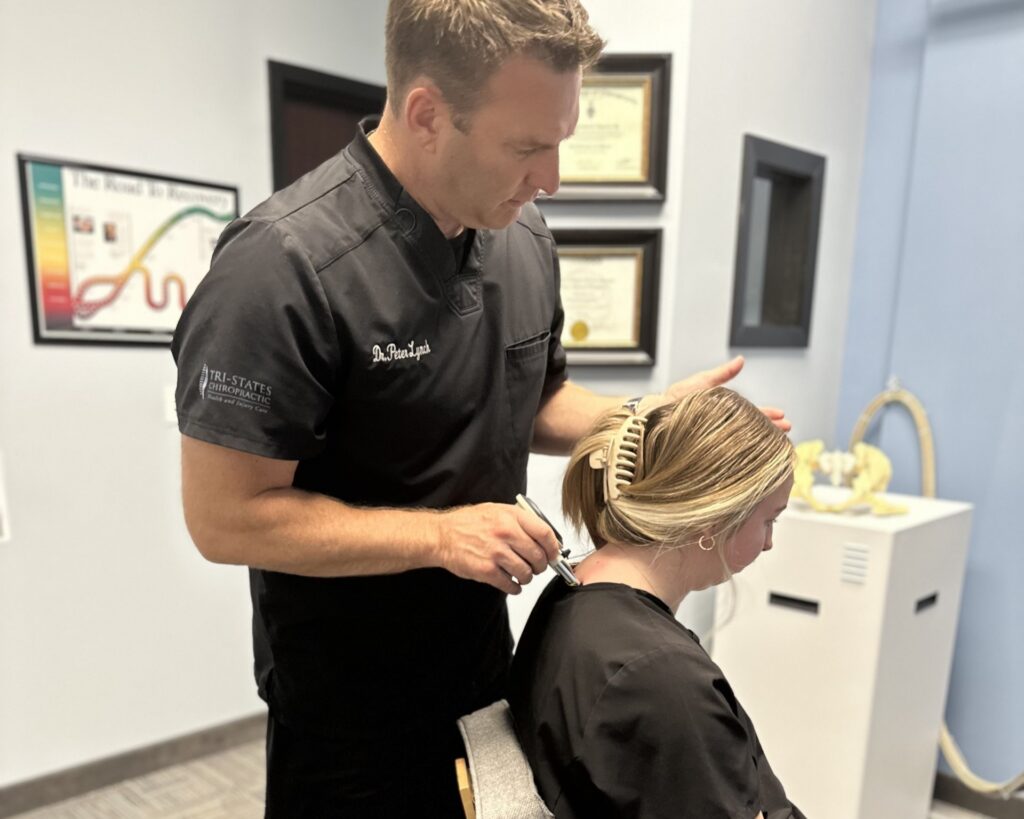
When it comes to managing headaches, many people find themselves considering chiropractic adjustments as a natural and effective alternative to medications. Both approaches have their benefits, but they fundamentally differ in how they treat headaches. Chiropractic adjustments aim to identify and address the root causes of your headaches, such as misalignments in the spine and tension in the neck and shoulders. In contrast, medications often merely mask the symptoms without addressing the underlying issues.
As a chiropractor, I believe that spinal health plays a crucial role in overall wellness. By focusing on realigning the spine and improving nervous system function, chiropractic care not only helps in alleviating headaches but also promotes long-term health and vitality. This holistic approach can lead to fewer headaches over time, empowering you to live a healthier, pain-free life.
To help manage and prevent headaches naturally, here are some simple tips you can incorporate into your daily routine:
- Stay Hydrated: Dehydration can often trigger headaches. Make sure to drink enough water throughout the day.
- Practice Good Posture: Pay attention to your posture, especially if you spend long hours at a desk. Keep your shoulders back and your head aligned with your spine.
- Manage Stress: Engage in relaxation techniques such as deep breathing, yoga, or meditation to reduce tension that could lead to headaches.
- Get Regular Exercise: Physical activity can improve circulation and reduce stress, both of which can help prevent headaches.
- Schedule Regular Chiropractic Visits: Regular adjustments can help maintain spinal alignment and overall health, reducing the frequency and intensity of headaches.
By choosing chiropractic care, you are investing in a natural and effective way to not only relieve your headaches but also enhance your overall wellness. Let’s work together towards achieving optimal health!
Key Takeaways
Chiropractic adjustments are designed to address the root causes of headaches, rather than just masking the symptoms as medications often do. By focusing on the spine and nervous system, regular spinal manipulation can significantly reduce the frequency and intensity of headaches, helping you achieve long-term wellness.
Using over-the-counter (OTC) medications may provide temporary relief, but they can also lead to unwanted side effects and even rebound headaches, where the pain returns stronger than before. In contrast, chiropractic care offers a non-invasive approach that prioritizes your body’s natural healing abilities.
One of the great benefits of chiropractic treatment is the personalized care you receive. Your chiropractor will work with you to create a tailored treatment plan that includes lifestyle changes to address common headache triggers like poor posture and stress management. Simple adjustments in your daily routine, like sitting up straight and taking breaks to stretch, can make a big difference.
It’s essential to be mindful that relying on pain medications can lead to dependency, while chiropractic care promotes overall health and well-being without the need for drugs. By choosing chiropractic adjustments, you’re investing in a path to optimal health that empowers your body to heal itself naturally.
Remember, if you’re struggling with headaches, consider reaching out to a chiropractor for a consultation. Together, you can explore effective, drug-free solutions that can help you feel better and live healthier.
Understanding Headaches: Types and Triggers
When you experience a headache, it’s important to understand the different types and their triggers to find the best relief. Tension headaches are often linked to stress, poor posture, or muscle strain. You may notice a dull ache around your forehead or temples that can last for hours or even days.
Fortunately, chiropractic care can help alleviate tension by addressing spinal misalignments and improving posture, leading to reduced headache frequency and intensity.
Migraines, on the other hand, can be more intense and may come with symptoms like nausea or sensitivity to light and sound. These headaches can be triggered by certain foods, hormonal changes, or even disruptions in your sleep patterns.
By incorporating chiropractic adjustments, you can promote better nervous system function, which may help minimize migraine occurrences. Additionally, keeping a journal to track when and where your headaches happen, along with potential triggers, can be very beneficial. This information is valuable for you and your chiropractor to create a personalized plan to manage your headaches.
Cluster headaches are less common but can be incredibly painful, typically occurring in cycles. While chiropractic care may not directly treat cluster headaches, maintaining overall spinal health can contribute to better overall well-being and potentially lessen the severity of headache episodes.
Empower yourself in your journey towards natural wellness by considering these general tips: maintain good posture, stay hydrated, practice relaxation techniques, and get regular chiropractic adjustments.
This holistic approach can help you achieve optimal health and find relief from headaches in a natural way. Remember, your chiropractor is here to support you in living a healthier, pain-free life!
Overview of Chiropractic Adjustments
Chiropractic adjustments are a vital part of achieving and maintaining optimal health, focusing on restoring proper alignment and function to your spine and nervous system. These gentle manual techniques specifically address misalignments in your spine, known as subluxations, which can lead to discomfort and various health issues, such as headaches.
Here are three key aspects of chiropractic adjustments that highlight their importance in your journey toward better health:
- Spinal Manipulation: This technique involves applying safe and controlled pressure to specific joints in your spine. This manipulation helps improve mobility, relieve pain, and enhance your overall well-being. By restoring proper alignment, you can enjoy greater range of motion and reduced discomfort.
- Holistic Approach: As a chiropractor, I take into account your total health picture—your lifestyle, daily activities, and posture. This allows me to create a personalized treatment plan that fits your unique needs. By addressing the root causes of your discomfort and not just the symptoms, you can experience lasting relief and improved health.
- Non-Invasive Therapy: Chiropractic adjustments are drug-free and non-surgical, making them a safe and appealing option for those looking for natural relief from pain. Unlike medications that only mask symptoms, chiropractic care focuses on healing your body from within, promoting long-term wellness.
Tips for Optimal Health:
- Maintain Good Posture: Be mindful of your posture while sitting, standing, or using electronic devices. Good posture can prevent misalignments and reduce strain on your body.
- Stay Active: Regular physical activity is essential for spinal health. Simple exercises, like walking or stretching, can help keep your body mobile and prevent stiffness.
- Mind Your Sleep: Ensure you have a supportive mattress and pillow to maintain proper spinal alignment while you sleep. Quality rest is crucial for healing and overall health.
Chiropractic care is a powerful tool for pain relief and achieving a healthier lifestyle. By prioritizing your spinal health, you can enhance your quality of life and enjoy the benefits of natural wellness.
How Adjustments Alleviate Headaches
Headaches can often be linked to misalignments in the spine, and chiropractic adjustments provide a natural and effective solution to relieve this discomfort. When you visit a chiropractor, they’ll gently realign your spine, enhancing your body’s overall function and promoting better health.
This realignment reduces tension and stress on the surrounding muscles and nerves, which are often major contributors to headaches.
In addition to chiropractic adjustments, there are a few simple tips you can incorporate into your daily routine to further support your health and prevent headaches. Staying hydrated is essential, as dehydration can trigger headaches. Make sure to drink plenty of water throughout the day.
Regular physical activity, even light exercises like walking or stretching, can help keep your muscles relaxed and improve your posture, which is vital for spinal health.
Practicing good ergonomics at your workspace is also important. Ensure that your chair and desk are set up to support a healthy posture, keeping your spine aligned while you work. Taking frequent breaks to stretch and move around can further alleviate tension that may lead to headaches.
By prioritizing chiropractic care and adopting these healthy habits, you can achieve optimal wellness and enjoy a life with fewer headaches and more vitality.
Benefits of Chiropractic Care for Headaches
When it comes to managing headaches, chiropractic care truly shines with its holistic approach. Unlike other treatments that may simply mask your symptoms, chiropractic care goes straight to the source of the problem. Here are three significant benefits of choosing chiropractic care for headache relief:
- Better Spinal Alignment: One of the core principles of chiropractic care is spinal alignment. Regular adjustments help correct misalignments in your spine, which can significantly reduce tension and stress—common triggers for headaches. By ensuring your spine is aligned, you’re not just alleviating pain; you’re promoting overall well-being.
- Improved Blood Flow: Chiropractic adjustments can enhance circulation throughout your body, including your brain. When blood flow is optimal, your brain receives the oxygen and nutrients it needs to function properly, which can help ease headache symptoms. This natural improvement in circulation supports your body’s healing processes.
- Personalized Treatment Plans: Every person is unique, and so are their headaches. Chiropractors develop customized treatment plans that cater to your specific needs and health goals. This personalized approach isn’t only more effective but also helps you achieve lasting relief from headaches, empowering you to live a healthier life.
Tips for Managing Headaches Naturally:
- Stay Hydrated: Dehydration can often lead to headaches, so make sure to drink plenty of water throughout the day.
- Maintain Good Posture: Poor posture can strain your neck and back, contributing to headaches. Be mindful of your posture, especially if you spend long hours sitting.
- Practice Stress-Relief Techniques: Incorporating breathing exercises, meditation, or gentle stretching into your routine can help reduce stress and tension, which are often headache triggers.
Chiropractic care is a natural, effective, and non-invasive way to achieve optimal health and relieve headaches. By choosing this path, you’re not only addressing your headaches but also investing in your overall wellness.
Overview of Medications for Headache Relief
When you’re experiencing headaches, it’s important to understand that there are natural ways to find relief that don’t rely on medications. While over-the-counter pain relievers like ibuprofen or acetaminophen can offer quick fixes for mild headaches, they often only mask the symptoms rather than address the underlying causes.
Chiropractic care is a fantastic alternative for headache relief. Many headaches are linked to tension in the neck and spine, and a chiropractor can help align your spine and ease that tension. This not only helps alleviate headache pain but can also prevent future occurrences by addressing the root of the problem.
In addition to chiropractic adjustments, consider incorporating some lifestyle changes to support your overall wellness. Staying hydrated, practicing good posture, and managing stress through techniques like deep breathing or yoga can all contribute to reducing headache frequency and intensity.
If you find that headaches affect your daily life, consulting with a chiropractor can provide personalized strategies that cater to your body’s specific needs.
Types of Medications: OTC vs. Prescription
Understanding the differences between over-the-counter (OTC) and prescription medications is important, but I want to share with you an even better approach to managing headaches: chiropractic care.
While OTC medications like acetaminophen or ibuprofen might temporarily relieve mild to moderate headaches, they often don’t address the underlying causes of your discomfort.
Chiropractic care offers a natural and holistic way to manage headaches by focusing on spinal health and alignment. Poor posture, tension in the neck and shoulders, and misalignments in the spine can all contribute to headache pain.
By visiting a chiropractor, you can receive personalized adjustments and treatments that can help alleviate the tension and restore proper alignment, leading to more effective and lasting relief from headaches.
Here are some key points to consider about choosing chiropractic care for headache relief:
- Natural Healing: Chiropractic care focuses on treating the root causes of headaches rather than just masking the symptoms with medications.
- Spinal Health: Maintaining a properly aligned spine can significantly reduce the frequency and intensity of headaches.
- Lifestyle Tips: Incorporating good posture, regular exercise, and stress-reduction techniques can complement your chiropractic care and enhance your overall well-being.
Instead of relying solely on medications, consider making chiropractic care a part of your health routine.
It not only addresses headaches but also promotes overall wellness and helps your body function at its best.
Effectiveness and Side Effects of Medications
When you’re looking for relief from headaches, it’s important to consider all your options for achieving optimal health. While many people turn to over-the-counter pain relievers or prescription medications, these can come with side effects and mightn’t address the root cause of your discomfort.
As a chiropractor, I believe that exploring natural healing methods can be a more effective and holistic approach to headache relief. Chiropractic care focuses on aligning the spine and improving nervous system function, which can help reduce the frequency and intensity of headaches. By addressing misalignments in the spine, we can promote better circulation, reduce tension, and enhance overall wellness.
Here are some tips for managing headaches naturally:
- Stay Hydrated: Dehydration can often trigger headaches. Make sure to drink plenty of water throughout the day.
- Practice Good Posture: Poor posture can lead to tension in the neck and shoulders, contributing to headaches. Be mindful of your posture, especially if you sit for long periods.
- Regular Chiropractic Adjustments: Regular visits to your chiropractor can help maintain proper spinal alignment and prevent headaches from recurring.
- Stress Management: Techniques such as deep breathing, meditation, or yoga can help reduce stress, a common headache trigger.
- Get Enough Sleep: Adequate rest is crucial for overall health and can help prevent headaches.
- Limit Screen Time: Prolonged exposure to screens can lead to eye strain and tension headaches. Take regular breaks to rest your eyes.
By focusing on these natural methods and considering chiropractic care, you can find effective pain relief without relying on medications.
Common Medications for Headaches
When it comes to managing headaches, many people often turn to medications for quick relief. However, as a chiropractor, I want to emphasize that there are natural, holistic approaches to addressing headaches that can lead to long-term wellness. Chiropractic care focuses on the spine and nervous system, which play a significant role in overall health, including headache relief.
Here are some insights into how chiropractic care can help with headaches and some general tips to consider:
- Chiropractic Adjustments – Many headaches are linked to tension in the neck and spine. By realigning the spine through gentle adjustments, a chiropractor can alleviate tension and promote better blood flow, which may reduce headache frequency and intensity.
- Posture Awareness – Poor posture can contribute to headaches. Being mindful of your posture while sitting, standing, or working can help prevent tension buildup. Consider ergonomic adjustments to your workspace to support a healthier spine.
- Hydration and Nutrition – Dehydration can often trigger headaches. Ensure you’re drinking enough water throughout the day. Additionally, a balanced diet rich in fruits, vegetables, and whole grains can support overall health and reduce headache occurrences.
- Stress Management Techniques – Stress is a common headache trigger. Incorporating relaxation techniques such as deep breathing, yoga, or meditation can be beneficial. Regular chiropractic visits can also help reduce stress by promoting relaxation and well-being.
- Regular Exercise – Engaging in regular physical activity can help reduce tension and improve circulation, which may help prevent headaches. Aim for activities that you enjoy, whether it’s walking, cycling, or yoga.
Remember, while over-the-counter medications may provide temporary relief, they don’t address the root cause of headaches. By choosing chiropractic care and adopting these healthy habits, you can work towards a more holistic approach to headache management and overall wellness.
Always consult with your chiropractor to find the best course of action tailored to your specific needs.
Potential Side Effects Explained
Many people seek relief from headaches through medications, but it’s crucial to understand the potential side effects that can come with these treatments. Common issues like dizziness, nausea, and fatigue can sometimes make your headache worse instead of better. Additionally, relying too heavily on pain relievers can lead to rebound headaches, creating a frustrating cycle of discomfort.
Instead of turning to medications, consider exploring natural methods for headache relief. Chiropractic care is an excellent option for tackling headaches at their root. By focusing on spinal health and alignment, chiropractors can help relieve tension and improve overall wellness, often resulting in fewer headaches and better management of pain.
Incorporating lifestyle changes can also make a significant difference. Staying hydrated, maintaining a balanced diet, and practicing relaxation techniques such as deep breathing or meditation can help reduce headache frequency and intensity. Regular exercise and proper sleep hygiene are also essential for overall health.
Always remember, each person’s body is different, and what works for one individual may not work for another. If you’re struggling with headaches, consider consulting a chiropractor who can offer a personalized approach to your health and wellness journey.
Who Should Consider Adjustments or Medications?
If you frequently experience headaches that interfere with your daily life, it may be time to consider natural adjustments that can help alleviate your discomfort. Many individuals find relief through chiropractic care, which not only addresses the underlying causes of headaches but also promotes overall wellness.
Here are three groups who might particularly benefit from chiropractic adjustments:
- Chronic Headache Sufferers: If you’re experiencing headaches more than 15 days a month, chiropractic care can help reduce their frequency and intensity. A chiropractor can assess your spine and nervous system, making adjustments that may relieve tension and improve your overall health.
- Those with Specific Triggers: If you notice that certain activities or stressors consistently lead to headaches, lifestyle adjustments recommended by your chiropractor can be beneficial. They can provide tailored advice on posture, ergonomics, and stress management techniques to help mitigate these triggers naturally.
- Individuals Seeking Preventative Care: If you’ve found that over-the-counter pain relievers aren’t providing the relief you need, it may be time to explore preventive chiropractic treatments. Regular adjustments can help keep your spine aligned, improving your body’s function and potentially preventing headaches before they start.
In addition to seeking chiropractic care, here are some general tips that may help:
- Stay Hydrated: Dehydration can lead to headaches, so make sure you’re drinking enough water throughout the day.
- Practice Good Posture: Be mindful of your posture, especially if you spend long hours sitting at a desk. Proper alignment can help minimize tension in your neck and shoulders.
- Manage Stress: Incorporate relaxation techniques such as deep breathing, meditation, or gentle yoga into your routine to help reduce stress levels.
Making an Informed Choice for Headache Management
Choosing the right approach for managing headaches can significantly enhance your quality of life. As a chiropractor, I encourage you to explore natural healing methods, starting with understanding your headache triggers and symptoms. Keeping a headache diary is a great way to track when and how often your headaches occur, as well as any potential triggers. This information can be beneficial when discussing your situation with a healthcare provider.
Chiropractic care offers a holistic approach to pain relief without the side effects associated with medications. By focusing on spinal health and alignment, chiropractic adjustments can alleviate tension in your neck and back, which may be contributing to your headaches. Additionally, incorporating physical therapy exercises can strengthen your muscles and improve posture, providing further relief.
Here are some general tips to help manage headaches naturally:
- Stay Hydrated: Make sure to drink plenty of water throughout the day, as dehydration can trigger headaches.
- Maintain Good Posture: Pay attention to your posture while sitting and standing. Poor posture can lead to tension headaches.
- Manage Stress: Engage in relaxation techniques such as deep breathing, yoga, or meditation to reduce stress levels that may contribute to headaches.
- Get Adequate Sleep: Ensure you’re getting enough restful sleep, as sleep deprivation can often lead to headaches.
- Limit Screen Time: Take regular breaks from screens to reduce eye strain, which can be a headache trigger.
Consulting with a chiropractor can provide you with personalized guidance tailored to your specific needs. It’s important to consider the benefits of chiropractic care and how it aligns with your lifestyle and wellness goals.
Trust your instincts, and remember that finding the right solution may take time, but natural healing through chiropractic care can lead you to optimal health.