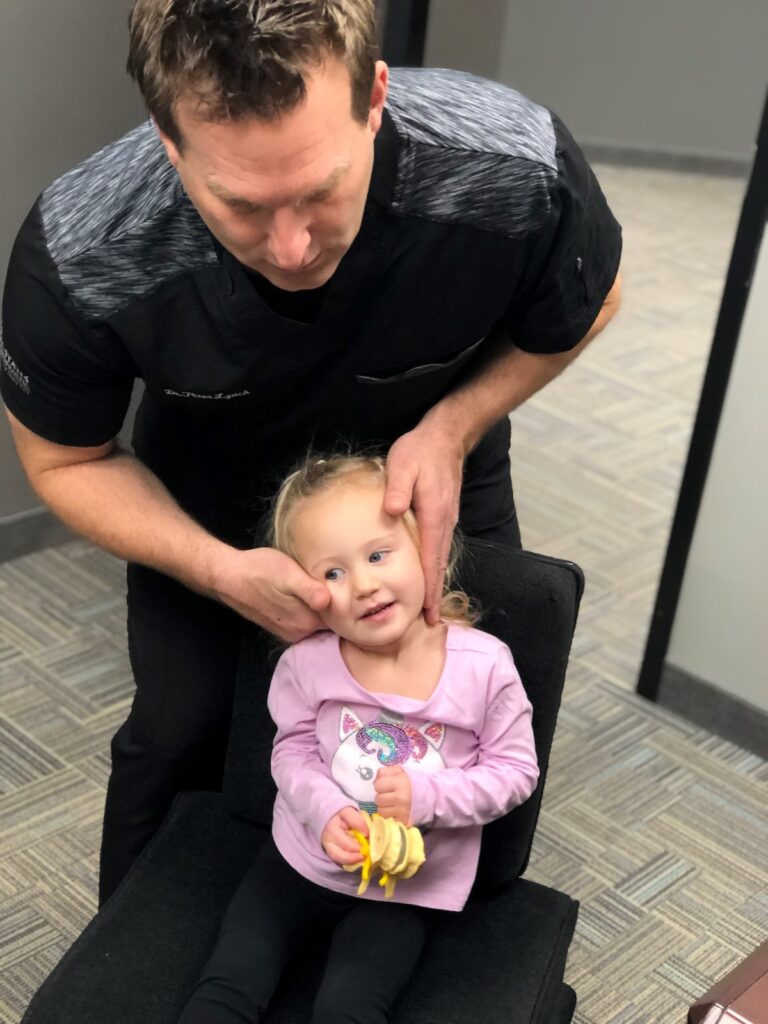
As you consider ways to support children with ADHD, it's important to recognize that a holistic approach can truly make a difference.
In my practice as a chiropractor, I've seen how creating a structured environment, along with natural healing techniques, can enhance their ability to focus and thrive.
By understanding the unique needs of these children and integrating effective chiropractic care, we can assist them in their journey toward wellness and success.
So, what specific strategies can we implement to empower these kids and help them uncover their strengths?
The answers may be more transformative than you realize.
Understanding ADHD in Children
What does it truly mean for a child to have ADHD? When we talk about Attention-Deficit/Hyperactivity Disorder, we're referring to challenges that affect a child's ability to focus, control impulses, and manage hyperactivity. These behaviors aren't just issues to correct; they stem from unique differences in brain function. As a chiropractor, I often see how these challenges can impact overall well-being. You might observe your child struggling to pay attention in school, frequently misplacing items, or interrupting others during conversations. It's important to understand that these behaviors do not reflect their intelligence or potential; rather, they are part of how their brain processes information.
ADHD can present itself in various forms. Some children may exhibit high levels of hyperactivity, constantly on the move and finding it difficult to sit still. Others may seem more daydreamy, lost in their thoughts while their surroundings continue without them. As a parent, understanding these differences is crucial. It allows you to respond with empathy and support rather than frustration.
Recognizing ADHD as a neurodevelopmental disorder can help shift your perspective. It's not merely about discipline or willpower; it's indicative of a different way of thinking and interacting with the world. Many children with ADHD possess vibrant imaginations, immense energy, or the ability to hyper-focus on topics that truly interest them. As a chiropractor, I believe in the power of natural healing and holistic approaches, which can support children with ADHD in achieving balance and improving their overall well-being. By understanding and embracing these differences, we can create a supportive environment for our children to thrive.
Creating a Supportive Environment
Creating a nurturing environment can greatly benefit children with ADHD, and as a chiropractor, I want to emphasize the importance of holistic health in supporting your child's journey. A supportive atmosphere can enhance their ability to manage symptoms more effectively and thrive in their daily lives.
Start by establishing a consistent routine. Predictability helps reduce anxiety, allowing your child to feel more secure. Setting regular times for homework, meals, and bedtime can provide them with a comforting structure that fosters stability.
Next, consider creating a designated workspace for your child. This area should be free from distractions and equipped with all necessary supplies. A clean, organized environment can aid in their focus, while tools like visual aids—charts or checklists—can assist them in staying organized. These resources not only serve as reminders but also promote a sense of accomplishment as they complete their tasks.
Open communication is crucial. Encourage your child to express their feelings and frustrations in a safe, non-judgmental space. When they feel understood, it fosters a sense of belonging and enhances their confidence. Celebrating their achievements, no matter how small, through positive reinforcement can motivate them to keep striving.
Additionally, ensure your child has ample time for physical activity. Regular exercise plays a pivotal role in improving focus and mood, making it an essential part of their daily routine. As a chiropractor, I believe that physical well-being is interconnected with mental health, and promoting an active lifestyle can lead to better outcomes.
Innovative Learning Techniques
Creating a supportive environment for children with ADHD is essential, and as a local chiropractor, I believe in the power of innovative techniques that align with natural healing principles. Engaging children through hands-on activities can significantly enhance their learning experience. Instead of relying solely on traditional methods, consider project-based learning, where children address real-world challenges. This approach not only captures their interest but also highlights the importance of their studies.
Incorporating technology into learning can be transformative. Educational apps and interactive games can make the process enjoyable and cater to diverse learning preferences. Visual aids, such as charts or videos, can simplify complex concepts, making them more accessible.
Movement plays a crucial role in enhancing focus and retention, and it's something I often emphasize in my practice. Integrating physical activity into lessons can be beneficial. For example, incorporating short movement breaks or designing lessons that encourage active participation can help children maintain attention.
Collaborative learning is another highly effective strategy. Group activities can nurture social skills while allowing children to learn from one another. Encouraging discussions and teamwork can keep them engaged and motivated.
Finally, regular feedback is key in fostering a growth mindset. Providing specific praise for efforts, not just outcomes, can build confidence and encourage children to stay focused on their learning journey. When they realize that their progress is recognized and valued, they are more likely to remain committed.
Tools for Enhanced Focus
To support your child in enhancing their focus, I recommend utilizing visual timers and structured schedules. These tools can help make time management more concrete and understandable, which is vital for maintaining attention. Additionally, incorporating sensory tools and fidget items can offer the necessary stimulation to keep their hands occupied while their minds concentrate. It's also important to include structured break activities; these pauses can refresh attention spans and ultimately boost productivity. As a chiropractor, I can also guide you on how proper spinal alignment and posture contribute to overall well-being, which can further aid in your child's ability to focus and thrive.
Visual Timers and Schedules
Visual timers and schedules can be a game-changer for children with ADHD, especially when it comes to managing their time and maintaining focus. Just like chiropractic care helps individuals align their physical health, these tools help align your child's daily activities with their ability to concentrate. By providing a visual representation of time, your child can better grasp how long they have for each task, empowering them to take charge of their day in a way that enhances their well-being.
Here are three effective ways to incorporate visual timers and schedules into your child's routine:
- Set Clear Goals: Just as we at the clinic set specific health goals for our patients, break tasks into manageable segments for your child and assign time limits for each. This clarity not only reduces feelings of overwhelm but also helps them understand what is expected of them.
- Use Color-Coding: Similar to how we use different modalities in chiropractic care to address various issues, you can utilize different colors for various activities on a schedule. This visual cue can assist your child in remembering what comes next, which in turn enhances their focus and engagement.
- Regular Check-Ins: Just as we encourage patients to monitor their progress throughout their treatment, encourage your child to check their progress with the timer or schedule regularly. This practice fosters a sense of accountability and self-awareness, allowing them to make necessary adjustments to their efforts, much like adjusting their approach to health.
Sensory Tools and Fidgets
As a local chiropractor, I want to share how sensory tools and fidgets can play a beneficial role in enhancing your child's focus and overall well-being. These tools provide essential tactile stimulation that can help keep your child engaged and attentive. For children with ADHD, having something to fidget with can be a productive outlet for their excess energy, allowing them to channel it in a way that supports their concentration. Items like stress balls, fidget spinners, or textured sensory pads can keep their hands busy, which can facilitate better focus on their tasks.
Moreover, sensory tools can significantly reduce feelings of anxiety and restlessness. When your child feels overwhelmed, manipulating a fidget can act as a soothing mechanism, fostering a calmer and more focused mindset. This practice also encourages self-regulation, teaching your child to identify when they need a break or a moment to re-center themselves.
Incorporating sensory tools into your child's daily routines is not merely about enjoyment; it's a strategic approach to enhance their learning and productivity. I encourage you to allow your child to use fidgets during homework or while listening in class. You may find that their attention and engagement improve as a result. Remember, the right sensory tool can be transformative, aiding your child's academic and social development. So, take the time to explore various options and see which tools resonate best with your child. Embracing these natural methods can contribute to their overall health and wellness.
Structured Break Activities
As a local chiropractor, I want to emphasize the importance of incorporating structured break activities into your child's daily routine. These activities not only support their physical health but also enhance their focus and productivity. By allowing your child essential downtime, they can recharge and return to their tasks with renewed vigor. Here are three effective structured break activities that can benefit your child's well-being and overall performance:
- Movement Breaks: Encourage your child to participate in quick physical activities, such as jumping jacks or a brief dance session. This not only gets their blood circulating but also helps release any pent-up energy, which is crucial for maintaining proper spinal health and overall bodily function.
- Mindfulness Moments: Introducing short mindfulness exercises, like deep breathing or guided imagery, can be incredibly beneficial. These techniques help children center themselves, reduce stress, and improve concentration, which is essential for both their mental and physical health.
- Creative Expression: Allowing your child to engage in creative activities during breaks, such as drawing, coloring, or crafting, can provide a much-needed mental reset. This not only stimulates their imagination but can also alleviate stress, which is important for maintaining a healthy spine and body.
Success Stories of Thriving Kids
As a local chiropractor, I often encounter inspiring stories that reflect the incredible potential of children, particularly those with ADHD. These narratives not only motivate parents and educators but also highlight the importance of holistic approaches to health and wellness.
Take Max, for example. He struggled to focus in class, facing challenges that many children with ADHD experience. After engaging in chiropractic care, combined with mindfulness exercises and hands-on activities, Max saw a remarkable transformation. Not only did his concentration improve, but he also became a more engaged learner. His teachers noted significant progress in both his grades and overall enthusiasm for school. This illustrates how addressing physical well-being can lead to enhanced mental focus and academic success.
Then there's Lily, a budding artist who initially found it difficult to concentrate in traditional learning environments. With a shift towards project-based learning and support from a chiropractor who emphasized body awareness and posture, Lily discovered her passion for art. This creative outlet allowed her to express herself and stay focused for longer periods. Today, her artwork is showcased in local galleries, showcasing how a supportive environment, combined with natural healing practices, can unlock hidden talents.
Another remarkable story is that of Jake, who learned to harness his energy through sports. After starting chiropractic care, he joined a local soccer team, where he built confidence and teamwork skills. The physical activity, combined with adjustments that improved his overall health, helped him manage his impulses and sharpen his focus in school. Jake's experience underscores the importance of balancing academics with physical activities and how chiropractic care can enhance this balance.
These success stories highlight the potential for children with ADHD to thrive when provided with the right tools and support, including chiropractic care. They emphasize the significance of understanding individual needs and creating nurturing environments where every child can flourish. As you reflect on these examples, remember that each child's journey is unique. With perseverance, encouragement, and a holistic approach to health, they can achieve great things.
Expert Insights and Tips
Understanding the unique challenges faced by individuals, including children with ADHD, can empower parents and educators to implement effective strategies for improvement. As a local chiropractor, I believe that a holistic approach to health can play a significant role in enhancing focus and learning. Here are some insights and recommendations to help guide you:
- Establish Routines: Just like spinal health benefits from consistent care, children with ADHD often thrive on predictable daily routines. Setting clear times for homework, chores, and bedtime can create a sense of stability that reduces anxiety and distractions, allowing for better focus.
- Break Tasks into Manageable Steps: Large assignments or overwhelming tasks can lead to frustration. By breaking them down into smaller, manageable steps, you can help your child tackle challenges without feeling daunted. This method not only makes tasks feel more achievable but also helps them experience frequent successes, boosting motivation.
- Use Visual Aids: Visual aids can be particularly beneficial for children with ADHD. Consider implementing color-coded charts, checklists, or timers. These tools serve as effective reminders and can make tasks feel more engaging, providing clear visual cues that enhance their ability to stay on track.
Additionally, maintaining open communication with your child is crucial. Encourage them to express their feelings and challenges, fostering a supportive environment where they feel comfortable seeking help. Remember, patience is key. Progress may take time, but with consistent effort and the right strategies, you're likely to observe improvements in focus and behavior.
As a chiropractor, I also focus on the importance of overall wellness through natural healing methods. Regular chiropractic adjustments can support the nervous system, which may improve attention and reduce stress. By integrating these expert tips and exploring natural healing approaches, you're not only setting the stage for your child's success but also helping them thrive on their unique journey.
Building Resilience and Confidence
As a local chiropractor, I understand that navigating the challenges of ADHD can be overwhelming for both children and their families. One of the key aspects of fostering growth and development in children with ADHD is building resilience and confidence. Chiropractic care can play a significant role in this journey by promoting overall well-being and supporting your child's physical health.
By establishing a routine of regular chiropractic adjustments, we can help your child face life's obstacles with a clearer mind and a positive attitude. Just as we break down larger tasks into manageable steps, chiropractic care can help alleviate physical discomfort, allowing your child to focus on their goals and celebrate their successes, no matter how small.
Encouragement is essential in nurturing resilience. When your child faces setbacks, it's important to remind them that challenges are part of the learning process. I often share stories of how chiropractic care has helped my patients overcome obstacles, reinforcing the idea that persistence and support can lead to positive outcomes.
Creating an environment where mistakes are seen as opportunities for growth is crucial. In our practice, we emphasize the importance of effort and progress, not just the end result. By celebrating your child's hard work and resilience, we can help build a strong foundation of confidence that will benefit them in all areas of life.
Additionally, fostering social connections is vital for resilience. I encourage parents to facilitate friendships that uplift and support their child's self-esteem. Engaging in group activities, such as sports or community events, can enhance teamwork and create a sense of belonging, all of which contribute to emotional well-being.
Lastly, teaching your child coping strategies for managing stress and anxiety is important for their overall development. Incorporating chiropractic care alongside mindfulness practices, deep-breathing exercises, or even journaling can empower your child to navigate life's ups and downs more effectively. By actively supporting your child's journey through chiropractic care, you're helping to lay the groundwork for a resilient and confident future.
Conclusion
As a local chiropractor, I want to share how a supportive environment and holistic approaches can significantly benefit children with ADHD. By integrating chiropractic care and natural healing methods into their routines, we can enhance their focus and well-being. It's essential to recognize and celebrate their achievements, no matter how small, as this fosters resilience. With the right chiropractic adjustments and complementary strategies, you'll notice improvements not only in their ability to concentrate but also in their overall confidence and unique talents. Together, we can empower these children to navigate challenges and reach their goals, transforming their ADHD into a strength in both their educational and personal journeys.