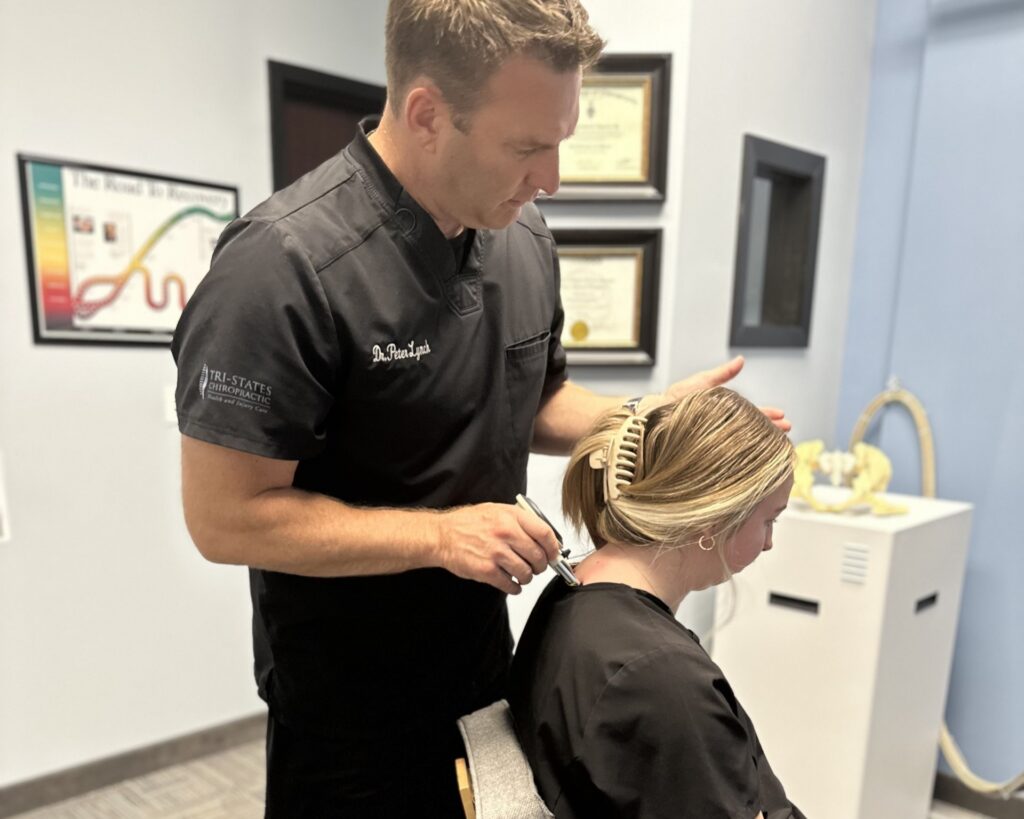
Tension headaches can really take a toll on your daily life. But the good news is that simple changes can lead to significant relief. As a chiropractor, I believe that addressing the underlying causes of these headaches is key, and chiropractic care plays a vital role in achieving optimal health and wellness. If you’re looking to alleviate that nagging discomfort, here are seven practical methods that can help you feel better naturally.
- Chiropractic Adjustments: Regular visits to a chiropractor can help realign your spine and relieve tension in your neck and shoulders, which are common culprits of tension headaches. By restoring proper function to your nervous system, you can experience lasting relief.
- Stay Hydrated: Dehydration can contribute to headaches, so make sure you’re drinking plenty of water throughout the day. Aim for at least eight glasses, and increase your intake if you’re active or in a warm environment.
- Practice Relaxation Techniques: Incorporating relaxation techniques such as deep breathing, meditation, or gentle yoga can help reduce stress and tension in your body, ultimately leading to fewer headaches.
- Maintain Good Posture: Poor posture can strain your neck and upper back muscles, leading to tension headaches. Be mindful of your posture, especially when sitting at a desk or using your phone. Keeping your spine aligned can make a big difference.
- Take Breaks from Screens: If you spend long periods in front of a computer or phone, remember to take regular breaks. Every hour, step away for a few minutes to stretch and give your eyes a rest.
- Get Enough Sleep: Quality sleep is essential for overall health. Aim for 7-9 hours of restful sleep each night to help your body recover and reduce the likelihood of headaches.
- Incorporate Regular Exercise: Engaging in regular physical activity can help reduce tension and stress, which are significant contributors to headaches. Aim for at least 30 minutes of moderate exercise most days of the week.
By implementing these strategies, you can effectively manage tension headaches and improve your overall well-being. Remember, chiropractic care is a fantastic option for natural healing and pain relief. If you’re struggling with headaches, consider reaching out to your local chiropractor for personalized care that can help you achieve optimal health.
Key Takeaways
- Consider incorporating relaxation techniques such as deep breathing and progressive muscle relaxation into your daily routine. These practices can help alleviate tension and reduce the frequency of headaches, promoting overall wellness and relaxation.
- Good posture is essential for spinal health. Make sure your workspace is ergonomically set up, and take time to stretch regularly. This not only supports proper spinal alignment but also helps prevent tension headaches caused by muscle strain.
- Staying hydrated is crucial for your overall health and can help prevent headaches. Drink plenty of water throughout the day and include hydrating foods in your diet. Proper hydration supports your body’s natural functions and can reduce headache occurrences.
- Essential oils like peppermint and lavender can be beneficial for relaxation and muscle tension relief. When you feel a headache coming on, consider using these oils to enhance your relaxation efforts.
- Regular exercise and sufficient sleep are vital components of a healthy lifestyle. Engaging in physical activity can reduce the intensity and frequency of tension headaches, while quality sleep helps your body recover and maintain balance.
By focusing on these natural approaches and considering chiropractic care, you can achieve optimal health and wellness while effectively managing tension headaches. Remember, a well-aligned spine is key to a healthy life!
Practice Relaxation Techniques
When you start to feel a tension headache coming on, practicing relaxation techniques can be a true relief. First, find a quiet space where you can take a moment for yourself without interruptions. Close your eyes and take deep, slow breaths. Inhale deeply through your nose, allowing your abdomen to expand fully, and then exhale slowly through your mouth. This calming exercise not only soothes your mind but also helps to ease muscle tension, which is often a contributor to headaches.
Next, you might want to try progressive muscle relaxation. Focus on tensing each muscle group for a few seconds before relaxing them, beginning with your toes and moving up to your head. As you release the tension, visualize the stress melting away. This technique can help you connect with your body and promote relaxation.
Consider incorporating guided imagery into your routine as well. Imagine a peaceful setting that brings you comfort—perhaps a serene beach or a tranquil forest. Visualizing these calming places can significantly lower stress levels and enhance your overall sense of well-being.
Lastly, don’t overlook the benefits of gentle stretching or yoga. These practices can help release tightness in your body and promote relaxation.
Regular chiropractic adjustments can also play a crucial role in maintaining spinal health, which is vital for preventing headaches and enhancing your overall wellness. By aligning your spine and relieving pressure on the nerves, chiropractic care can provide long-term relief and support a healthier lifestyle.
Maintain Good Posture
Maintaining good posture is crucial for keeping your spine aligned and can significantly help reduce tension headaches. As a chiropractor, I want to emphasize how small changes in your daily routine can lead to remarkable improvements in your overall well-being.
One effective way to support your body is by setting up an ergonomic workspace. Ensure that your chair supports your lower back, your feet are flat on the ground, and your computer screen is at eye level. These simple adjustments can prevent strain on your spine and help you maintain good posture throughout the day.
Incorporating regular stretching exercises into your routine is another excellent way to alleviate discomfort. Simple stretches can relieve tension in your muscles and promote better spinal health. Consider including neck rolls, shoulder shrugs, and gentle back twists in your daily activities.
Additionally, chiropractic care is a fantastic option for achieving optimal health. A trained chiropractor can help correct misalignments in your spine, which not only relieves pain but also enhances your overall health. Regular chiropractic adjustments can keep your spine in check and support your body’s natural healing processes.
Importance of Spinal Alignment
Good posture is crucial for maintaining proper spinal alignment, and it can significantly influence the occurrence of tension headaches. When you sit or stand correctly, it minimizes strain on your muscles and ligaments, helping to relieve unnecessary tension. Conversely, slouching or hunching can compress your spine, resulting in discomfort and headaches. You may not be aware, but your everyday habits play a vital role in how your spine aligns.
To promote better spinal health, focus on keeping your shoulders back and your head level. This helps distribute your body weight evenly and supports a healthy spine. Engaging in regular stretches and strengthening exercises can further bolster your posture. Simple activities like neck stretches, shoulder rolls, and core strengthening can make a big difference.
Chiropractic care is an excellent option for achieving optimal spinal alignment and overall wellness. A chiropractor can provide personalized adjustments that help correct misalignments and reduce tension, making a positive impact on your daily comfort and focus.
Ergonomic Workspace Setup
Creating a well-designed ergonomic workspace is crucial for promoting good posture and reducing the risk of tension headaches, which can be a sign of spinal misalignment. As a chiropractor, I understand how important it’s to support your spine and overall health while you work.
Start by adjusting your chair to ensure that your feet rest flat on the floor and your knees form a right angle. This helps maintain proper spinal alignment. Your chair should also support your lower back, encouraging the natural curve of your spine.
Next, position your computer monitor at eye level. This will help prevent neck strain, which can lead to discomfort and headaches. Keep your keyboard and mouse close so that your elbows can remain at a comfortable angle, minimizing stress on your shoulders and neck.
When taking calls, use a headset instead of cradling the phone between your shoulder and ear. This simple change can help avoid unnecessary strain on your neck.
Additionally, ensure that your workspace is well-lit to reduce eye strain, which can contribute to headaches.
By optimizing your workspace in these ways, you can support your posture and overall comfort throughout your workday.
Regular Stretching Exercises
As a local chiropractor, I want to emphasize the importance of incorporating regular stretching exercises into your daily routine for optimal health and wellness. Stretching isn’t just about flexibility; it plays a vital role in enhancing your posture and significantly reducing the likelihood of tension headaches.
Often, tightness in the muscles of your neck and shoulders can contribute to headache tension. By dedicating just a few minutes each day to stretch these areas, you can experience relief and improve your overall well-being. Simple stretches like neck rolls, shoulder shrugs, and upper back stretches can work wonders.
In addition to stretching, maintaining good posture is crucial. Make sure to keep your shoulders back and your head aligned over your spine, avoiding slouching. This alignment helps support your spine and prevents unnecessary strain on your muscles.
Remember, chiropractic care is a fantastic option for achieving optimal health. Regular visits to your chiropractor can help address any underlying issues and provide personalized advice on stretching and posture techniques.
Stay Hydrated
Staying hydrated is crucial for preventing tension headaches, a common issue many face. As a local chiropractor, I want to emphasize how important it’s to keep your body well-hydrated, not just for headache relief, but for overall spinal health and wellness.
When you don’t drink enough water, you may experience signs of dehydration like fatigue and dizziness, which can intensify your headache and affect your body’s alignment.
To help you maintain optimal hydration levels, here are some simple tips and tricks:
- Set a Routine: Make it a habit to drink a glass of water first thing in the morning and before each meal. This can help you keep track of your intake throughout the day.
- Flavor it Up: If plain water doesn’t excite you, try adding slices of fruits like lemon, lime, or cucumber. This not only enhances the taste but also provides extra vitamins.
- Use a Hydration App: Consider using a smartphone app that reminds you to drink water regularly. Keeping it top-of-mind can make a big difference.
- Eat Water-Rich Foods: Incorporate fruits and vegetables with high water content into your diet, such as cucumbers, oranges, and watermelon. These can help with hydration and provide essential nutrients for your spine.
- Listen to Your Body: Pay attention to signs of dehydration. If you’re feeling thirsty or experiencing headaches, it’s time to drink up!
By staying hydrated, you not only support your body’s functions but also play a vital role in maintaining a healthy spine.
Remember, chiropractic care is an excellent natural approach to managing pain and promoting overall wellness. Regular adjustments can help keep your body functioning at its best, ensuring that you feel good inside and out.
Importance of Water Intake
Hydration is crucial for overall wellness and can play a significant role in preventing tension headaches. Even mild dehydration can lead to discomfort, as your body struggles to function optimally without enough water. When you’re not properly hydrated, it can increase tension in your muscles and contribute to pain. By prioritizing your water intake, you’re not just supporting your health; you’re also actively reducing the chances of experiencing headaches.
As a chiropractor, I emphasize the importance of a holistic approach to health, which includes staying hydrated. Aim for at least eight 8-ounce glasses of water each day, but feel free to adjust this based on your activity level and the climate you live in.
It’s important to sip water consistently throughout the day, particularly during times of stress or busyness. Incorporating hydrating foods, like fruits and vegetables, can also be beneficial. Foods high in water content not only contribute to your hydration needs but also provide essential nutrients that support your body’s functions.
Remember, maintaining proper hydration can support your chiropractic care by enhancing your body’s natural healing processes. Together with regular chiropractic adjustments, proper hydration can help alleviate pain and improve your overall well-being.
Make it a habit to keep a water bottle handy, and take small sips throughout the day—your body will thank you!
Signs of Dehydration
Staying hydrated is key not only for your overall health but also for preventing tension headaches, which can be related to spinal health. When your body is dehydrated, it sends out signals that you should pay attention to. One of the first signs you may notice is thirst. If you’re feeling thirsty, that’s a clear indication that your body needs more fluids, and it’s essential to respond to that signal.
Dry mouth and fatigue can also occur when you’re not getting enough water, and these symptoms can impact your focus and mood, making it harder for you to engage in daily activities. Keep an eye on the color of your urine; dark yellow urine or infrequent urination are clear signs that you need to hydrate. Remember, headaches can also be a warning sign of dehydration, so be mindful of how your body feels.
If you find yourself feeling dizzy or lightheaded, that’s another indicator that your hydration levels may be off. By staying alert to these symptoms, you can take proactive steps to hydrate before tension headaches escalate.
Incorporating regular water intake into your daily routine is simple and effective. You might carry a water bottle with you, set reminders to drink, or even infuse your water with fruits for added flavor. These small changes can make a big difference in how you feel.
Chiropractic care plays a vital role in maintaining your overall wellness. When your spine is aligned and functioning well, it supports your body’s natural ability to stay hydrated and manage stress, which can directly affect tension headaches.
Consider visiting your chiropractor for a check-up to ensure your spine is in optimal condition, which can enhance your body’s healing processes and keep you feeling your best. Remember, taking care of your spine is just as important as staying hydrated!
Hydration Tips and Tricks
When you make a conscious effort to drink enough water throughout the day, you’ll not only support your overall health but also help reduce the risk of tension headaches that can arise from dehydration.
Staying hydrated is vital for maintaining optimal spinal health and ensuring your body functions at its best. Remember, hydration isn’t just about drinking when you feel thirsty; it’s about creating a consistent habit that benefits your wellbeing.
Here are three simple tips to help you stay on track with your hydration:
- Set reminders: Utilize your phone or a hydration app to alert you throughout the day. Regular reminders can keep you focused on drinking water, which in turn supports your spinal health by maintaining proper fluid balance in the body.
- Infuse your water: Enhance the taste by adding fruits or herbs to your water. This not only makes drinking water more enjoyable but also encourages you to consume more, which is essential for your overall wellness and vitality.
- Carry a reusable bottle: Keep a water bottle with you wherever you go. Having easy access to water can make a significant difference in your hydration levels, allowing your body and spine to function optimally.
By making hydration a priority, you can take a proactive step toward better health and wellness.
Apply Cold or Warm Compresses
Applying cold or warm compresses can be a simple yet effective way to alleviate tension headaches, complementing the benefits of chiropractic care.
Cold compresses, such as ice packs or a bag of frozen vegetables wrapped in a cloth, can help numb the pain and reduce inflammation. By placing the cold compress on your forehead or the back of your neck for about 15-20 minutes, you can help constrict blood vessels and ease your headache naturally, without the need for medications.
Alternatively, warm compresses can be beneficial for relaxing tense muscles and promoting better blood flow. A warm washcloth or heating pad can be applied to the same areas for similar durations. The warmth can soothe discomfort and support your body’s natural healing processes.
Choose the option that feels best for you—sometimes alternating between cold and warm compresses can provide maximum relief and enhance your overall wellness. Listening to your body and adjusting the temperature to your comfort level is key.
Incorporating this simple technique into your routine can greatly enhance your relief from tension headaches, especially when combined with chiropractic adjustments that focus on spinal health and overall wellness.
Try Essential Oils
In addition to using compresses, exploring essential oils can provide a natural way to relieve tension headaches. While chiropractic care is a powerful approach to addressing the root causes of headaches by promoting spinal health and proper alignment, incorporating essential oils can enhance your overall wellness routine.
Here are three essential oils known for their headache-relieving properties:
- Peppermint Oil: When diluted and applied to your temples, peppermint oil offers a refreshing cooling sensation that can help improve blood flow and ease muscle tension. This can complement the benefits of chiropractic adjustments by further relaxing the muscles around your head and neck.
- Lavender Oil: The calming scent of lavender oil can promote relaxation and help reduce headache frequency. Inhaling its aroma or adding a few drops to your bath can create a soothing atmosphere that supports recovery. Coupling this with regular chiropractic visits can enhance your body’s ability to manage stress and tension.
- Eucalyptus Oil: Known for its ability to open up the sinuses, eucalyptus oil can be diffused in your space or mixed with a carrier oil for a gentle massage. This can be particularly helpful if tension headaches are related to sinus issues. Chiropractic care can also address any underlying structural problems that may contribute to sinus pressure.
Remember, while essential oils can be a great addition to your wellness toolkit, they work best alongside chiropractic care, which aims to restore alignment and support your body’s natural healing processes.
Always dilute essential oils properly before use, and consider how they can complement your journey toward optimal health and pain relief. Embrace these natural solutions as part of a holistic approach to wellness!
Engage in Regular Exercise
Regular exercise is essential for reducing the frequency and intensity of tension headaches, and it complements chiropractic care perfectly. When you engage in physical activity, your body releases endorphins—natural painkillers that help ease stress and tension.
You don’t have to be a marathon runner; even simple activities like walking, swimming, or practicing yoga can make a significant difference in how you feel. Aim for at least 30 minutes of exercise on most days. Not only will this help with headaches, but it also boosts your overall mood and energy levels, supporting the benefits of your chiropractic treatments.
Additionally, incorporating stretching exercises can help relieve muscle tightness, especially in the neck and shoulders, which often trigger tension headaches. Chiropractic adjustments can further enhance this by improving spinal alignment and relieving nerve pressure.
Good posture is crucial, and regular exercise can help with that too, reducing strain on your head and neck.
So, lace up your sneakers, find an activity you enjoy, and make it part of your routine—your body will thank you! By taking these proactive steps, you won’t only reduce those pesky headaches but also promote your overall well-being in conjunction with your chiropractic care.
Get Adequate Sleep
After incorporating exercise into your routine, don’t underestimate the vital role of sleep in managing tension headaches. Quality sleep is essential for your overall well-being and can significantly reduce the frequency and intensity of headaches. When you’re well-rested, your body is better equipped to handle stress and tension, which are common triggers for headaches.
To enhance your sleep quality and promote natural healing, here are some simple tips:
- Stick to a Schedule: Make it a habit to go to bed and wake up at the same time every day, even on weekends. This helps regulate your body’s internal clock, allowing for deeper, more restorative sleep.
- Create a Relaxing Bedtime Routine: Wind down with calming activities like gentle stretching, reading a book, or enjoying a warm bath. This signals to your body that it’s time to relax and prepares you for a restful night.
- Limit Screen Time: Try to reduce exposure to screens at least an hour before bed. The blue light emitted by phones, tablets, and computers can interfere with melatonin production, making it harder to fall asleep. Instead, opt for more tranquil activities that promote relaxation.
By prioritizing sleep, you can support your body’s natural healing processes and enhance the benefits of chiropractic care.