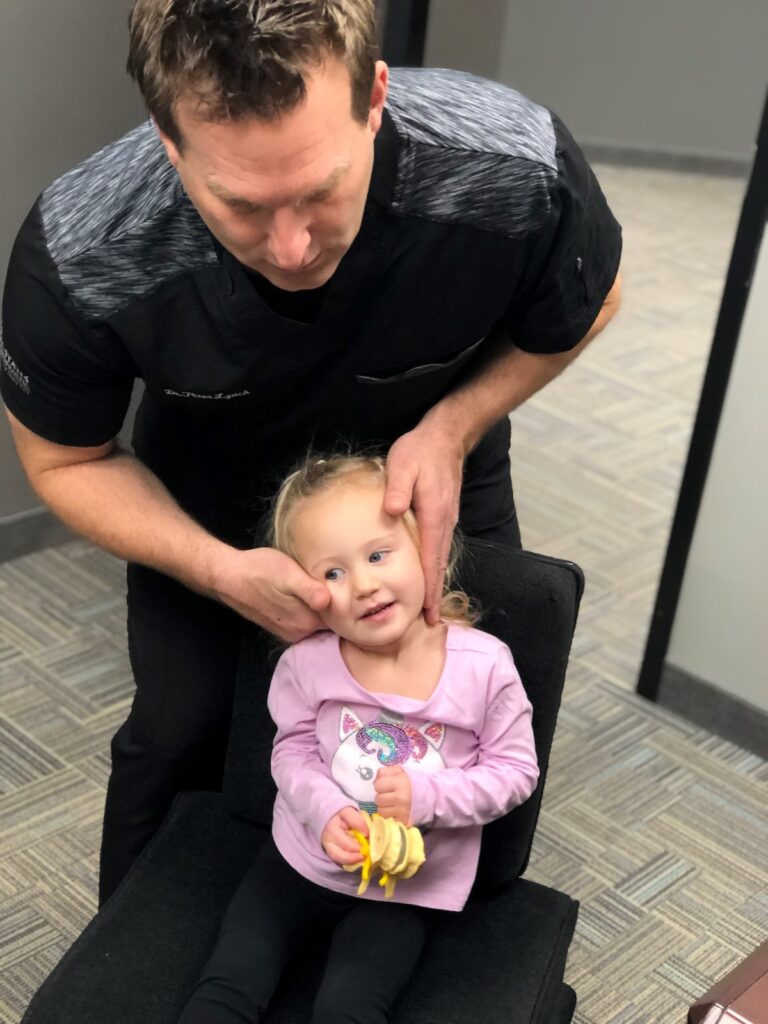
As a local chiropractor, I understand that many of you may not be familiar with the benefits of chiropractic care and natural healing when it comes to preventing pain. It’s fascinating how making a few simple adjustments in your daily routine can lead to significant improvements in your overall well-being. For instance, maintaining good posture and staying active are fundamental practices that can help you avoid discomfort and promote a healthier lifestyle.
If you’re curious about specific strategies to enhance your health and prevent pain, I’m here to share ten effective tips that can truly transform how you feel. These practical recommendations are designed to empower you to take charge of your health and embrace a pain-free life. Let’s dive into these tips together!
Maintain Good Posture
As a local chiropractor, I want to emphasize the importance of maintaining good posture for your overall health and well-being. Many people may not realize that the way you sit, stand, or walk significantly impacts your body’s alignment and how your muscles and joints function. Poor posture, such as slouching or leaning, can lead to strain, discomfort, and even long-term health issues.
To help you improve your posture, it’s essential to become aware of your body’s alignment. Make a conscious effort to keep your shoulders back and your spine straight. When standing, distribute your weight evenly on both feet. If you’re seated, choose a chair that supports your lower back and allows your feet to rest flat on the ground.
Incorporating short breaks into your daily routine can also be beneficial. Use these moments to stretch and reset your posture. I recommend setting up reminders, like sticky notes, in your workspace or home to encourage good habits.
Over time, these small adjustments can significantly reduce tension and enhance your comfort, leading to a more active and pain-free lifestyle.
Prioritizing good posture is crucial, and as your chiropractor, I’m here to support you on this journey. Your body will thank you for the positive changes you make!
Stay Active and Exercise Regularly
As a local chiropractor, I want to emphasize the importance of staying active and exercising regularly for your overall health and well-being. Engaging in physical activity is crucial, especially as we age, to prevent pain and maintain a healthy body.
When you incorporate movement into your daily routine, you strengthen your muscles, improve your flexibility, and enhance circulation—all of which are vital in preventing discomfort and pain.
I recommend aiming for at least 150 minutes of moderate aerobic activity each week. This could be something as simple as brisk walking or cycling. Additionally, it’s beneficial to include strength training exercises at least twice a week to support your musculoskeletal system.
You don’t have to commit to a gym membership or strenuous workouts every day. Find activities that you genuinely enjoy—whether it’s dancing, swimming, or hiking—because enjoying what you do will make it easier to stay consistent.
Remember, consistency is key in any exercise regimen, so try to make physical activity a regular part of your lifestyle.
It’s also important to listen to your body and adjust the intensity of your workouts as needed, particularly if you’re new to exercising. As your chiropractor, I encourage you to incorporate a variety of activities to engage different muscle groups and prevent boredom.
Stretch Daily
As a local chiropractor, I want to emphasize the importance of incorporating daily stretching into your wellness routine. Stretching plays a crucial role in enhancing your flexibility and minimizing the risk of injury, which can be particularly beneficial for those who may not be familiar with chiropractic care and natural healing.
When you engage in stretching exercises, you promote increased blood flow to your muscles. This not only aids in recovery but also improves overall muscle performance—something I often encourage my patients to prioritize. I recommend dedicating just a few minutes each day to stretch key muscle groups such as your back, legs, and shoulders.
You don’t need to complicate things; simple stretches—like toe touches or shoulder rolls—can be incredibly effective. To help you develop this healthy habit, consider setting reminders or incorporating stretching into your morning or evening routine. Making stretching a consistent part of your day will help it feel natural and beneficial.
It’s also important to listen to your body. If you notice any tightness or discomfort in certain areas, give those muscles some extra attention. The goal here is to maintain your range of motion and prevent stiffness, which can lead to further issues down the road.
Use Ergonomic Furniture
As a chiropractor, I want to emphasize the importance of daily stretching for maintaining your body’s flexibility. However, it’s equally crucial to pay attention to your workspace, as it significantly impacts your overall comfort and health. Incorporating ergonomic furniture into your office setup can be a game changer for your well-being.
Consider investing in a chair that provides ample support for your lower back and promotes good posture. This is vital in preventing discomfort and protecting your spine. An adjustable desk is another excellent option, allowing you to alternate between sitting and standing throughout the day, which can help reduce strain on your body.
Make sure your monitor is positioned at eye level to avoid unnecessary neck strain, and keep your feet flat on the ground to enhance circulation. Additionally, using an ergonomic keyboard and mouse can greatly reduce wrist discomfort, which is often a result of improper positioning.
By making these adjustments in your workspace, you can create an environment that supports your body’s natural alignment and overall health—key elements we focus on in chiropractic care.
Practice Proper Lifting Techniques
As a local chiropractor, I often see patients who suffer from injuries related to improper lifting techniques. It’s crucial to understand that the way we lift objects can significantly impact our spinal health and overall well-being. To safeguard your back and minimize discomfort, I recommend following these essential lifting techniques.
First, always position yourself close to the object you intend to lift. This helps maintain balance and reduces strain. Bend your knees instead of your back, ensuring that your spine remains straight throughout the process. Engaging your core muscles is vital for providing additional support to your lower back.
When you grasp the object, do so firmly. Lift using your legs rather than your arms, as your legs are stronger and better equipped for heavy lifting. It’s also important to keep the load close to your body; this minimizes the strain on your back and reduces the risk of injury.
If you encounter an item that feels too heavy or awkward to lift safely, please don’t hesitate to ask for assistance or consider using tools such as dollies or lifts. Remember, prioritizing safety over convenience can prevent future pain and complications.
Stay Hydrated
As a local chiropractor, I want to emphasize the importance of staying hydrated for your overall health, particularly for the well-being of your spine. Water is crucial in keeping your spinal discs healthy and functioning optimally. When you’re not adequately hydrated, these discs can struggle to absorb shock, which can lead to increased pressure on your vertebrae and potential discomfort.
I recommend aiming to drink at least eight 8-ounce glasses of water each day, but it’s important to adjust this based on your activity level and the climate you live in. If you engage in exercise or spend time outdoors, you should increase your fluid intake to replenish what you lose through sweat.
Don’t forget about hydrating foods, such as fruits and vegetables, which can also contribute to your hydration goals. Keeping a water bottle with you throughout the day can serve as a great reminder to take regular sips.
Get Adequate Sleep
As a local chiropractor dedicated to enhancing your overall health and well-being, I want to emphasize the crucial connection between hydration, sleep, and your body’s ability to heal.
When you don’t get enough sleep, your body struggles to recover, which can lead to increased pain and discomfort.
Here are some practical tips to help you achieve the quality rest you deserve:
- Stick to a Schedule: Establishing a consistent bedtime and wake-up time can help regulate your body’s internal clock, making it easier for you to fall asleep and wake up refreshed.
- Create a Relaxing Environment: Your bedroom should be a sanctuary for rest. Dim the lights, minimize noise, and maintain a comfortable temperature to promote a calming atmosphere.
- Limit Screen Time: The blue light emitted by screens can disrupt your sleep cycle. I recommend avoiding screens for at least an hour before bedtime to help your body wind down naturally.
- Watch Your Diet: Pay attention to what you eat and drink in the hours leading up to bedtime. Heavy meals, caffeine, and alcohol can interfere with your sleep quality, so try to avoid them close to bedtime.
By prioritizing these practices, you can enhance your sleep quality and support your body’s natural healing processes.
Manage Stress Effectively
As a local chiropractor, I want to share with you how effectively managing stress can significantly enhance your well-being and even reduce pain. Many people don’t realize that stress can cause muscle tension, particularly in the back and neck, leading to discomfort and pain. The first step in addressing this issue is to identify the specific triggers that cause you stress.
Once you understand what stresses you, you can take proactive measures to minimize these influences. Incorporating relaxation techniques into your daily routine is crucial. Practices such as deep breathing, meditation, and yoga can help you unwind and release the tension that builds up in your muscles.
Additionally, regular physical activity is key; even a brisk walk can boost your mood and lower stress levels, contributing to a healthier spine and body. It’s also important to connect with supportive friends or family. Sharing your feelings can offer relief and a fresh perspective on your stressors.
Another effective strategy is journaling, which allows you to process your thoughts and emotions in a constructive way. By managing your stress effectively, you’re not only preventing pain but also improving your overall quality of life.
As your chiropractor, I’m here to support you on your journey to wellness through natural healing practices that address both your physical and emotional health.
Schedule Regular Chiropractic Visits
As your local chiropractor, I want to emphasize the importance of scheduling regular chiropractic visits as part of your wellness routine. Many people aren’t fully aware of how chiropractic care can benefit their overall health, so let me explain.
By prioritizing these appointments, you allow us to closely monitor your progress and make any necessary adjustments to your care plan.
Consistency in your visits is crucial; it not only helps in addressing current discomfort but also plays a vital role in preventing pain from escalating into more serious issues.
Regular adjustments can promote better alignment, improve mobility, and enhance your body’s natural healing abilities.
Making chiropractic care a regular part of your health regimen can lead to lasting benefits for your well-being.
Establish a Routine
As your local chiropractor, I want to help you understand the importance of maintaining a healthy spine and how regular chiropractic visits can play a crucial role in preventing pain and promoting overall wellness.
Establishing a routine is essential for achieving and maintaining optimal spinal health. Here are four steps to help you create an effective routine that incorporates chiropractic care:
- Set a Schedule: It’s important to choose specific days and times for your chiropractic visits. By making these appointments a regular part of your weekly routine, you’re more likely to stick with them and enjoy the benefits.
- Prioritize Your Appointments: Treat your chiropractic visits as essential commitments, just like you’d for work or family obligations. Prioritizing these appointments will emphasize their significance in your overall health journey.
- Track Your Progress: Keeping notes on how your body feels after each visit is a great way to stay motivated and engaged in your treatment. By tracking your progress, you’ll be able to see the positive changes and improvements in your well-being.
- Communicate with Me: Open communication is key. I encourage you to discuss your health goals and any changes you experience in your condition during our visits. This dialogue ensures that your treatment plan remains tailored to your specific needs and continues to be effective.
By following these steps, you can establish a routine that supports your spine’s health and helps you lead a more comfortable, active life.
Together, we can work towards achieving your wellness goals.
Monitor Progress Regularly
As your local chiropractor, I want to emphasize the importance of regularly monitoring your progress throughout your chiropractic care journey. Many people may not realize how vital these consistent visits are for the effectiveness of your treatment. By coming in regularly, we can track your improvements and address any new concerns that may arise.
During each visit, I’ll evaluate your condition and make necessary adjustments to your treatment plan to ensure you’re getting the best possible results. This proactive approach not only helps you stay on top of your health but also prevents minor discomfort from developing into major issues.
It’s crucial not to wait until pain becomes unbearable before seeking help. Regular check-ins can help us identify any underlying issues early on, allowing for timely and effective interventions. The more you communicate with me about your progress, the better I can tailor your care to meet your specific needs.
I encourage you to make it a priority to schedule these visits. By doing so, you’ll be taking a significant step toward enjoying a pain-free lifestyle and embracing the benefits of natural healing. Your health is worth it!
Listen to Your Body
As your local chiropractor, I want to emphasize the importance of listening to your body to prevent pain and promote overall well-being.
It’s crucial to pay attention to the signals your body sends you, especially when it comes to discomfort or pain. When you notice these signals, adjusting your activity levels and prioritizing rest and recovery can be invaluable.
Ignoring these cues may lead to more significant issues in the future. By staying attuned to your body’s needs, you can take proactive steps towards maintaining your health and enhancing your quality of life.
Recognize Pain Signals
As your local chiropractor, I want to emphasize the importance of recognizing the signals your body sends you throughout your daily life. Ignoring pain can lead to more significant issues down the line, and understanding these signals is the first step towards better health.
Here are some key pain signals to be aware of:
- Sharp Pain: If you experience sharp pain, it often indicates an injury or strain. It’s crucial not to overlook this type of discomfort as it may require immediate attention to prevent further damage.
- Dull Ache: A persistent dull ache can signal ongoing stress or tension in your muscles. This is your body’s way of communicating that it may need some relief or adjustment.
- Numbness or Tingling: Experiencing numbness or tingling sensations may suggest nerve compression or injury, which is something that shouldn’t be ignored. Seeking chiropractic care can help address these issues and alleviate discomfort.
- Joint Stiffness: If your joints feel stiff or immobile, it’s an indication that something may be amiss in your musculoskeletal system. This stiffness can lead to decreased mobility and increased pain over time, so it’s advisable to consult a chiropractor for an evaluation.
By paying attention to these pain signals and understanding their implications, you can take proactive steps towards achieving and maintaining a healthier and more balanced body.
Adjust Activity Levels
As a local chiropractor, I want to emphasize the importance of tuning into your body during physical activities. It’s crucial to adjust your activity levels based on how you feel. If you experience any discomfort or fatigue, please don’t ignore it. Take a moment to assess what your body is telling you.
Throughout the day, your energy levels and pain thresholds can fluctuate, and that’s completely normal. Pay attention to these signals; they’re your body’s way of guiding you. If you’re feeling particularly strong, you may want to increase your intensity, but if you start to feel pain, it’s wise to lower your activity level or switch to a gentler form of exercise.
This mindful approach not only helps prevent injuries but also ensures that you’re not overexerting yourself. Remember, maintaining a balanced activity level today is vital for your body’s health tomorrow.
Every small adjustment you make contributes to your long-term wellness. As your chiropractor, I’m here to support you in understanding how to move safely and effectively for optimal health.
Prioritize Rest and Recovery
As a local chiropractor, I want to emphasize that rest and recovery are just as crucial to your overall health as the exercises or treatments you may receive.
It’s important to listen to your body, especially if you want to avoid pain, injury, and other issues that can arise from overexertion. Here are four key tips to help you prioritize rest and recovery in your wellness routine:
1. Sleep Well: Strive for 7-9 hours of restorative sleep each night. Quality sleep is essential for muscle repair and maintaining your overall health.
It allows your body to heal and rejuvenate, which is vital for anyone seeking to improve their physical condition.
2. Take Breaks: Integrate rest days into your fitness routine. These breaks aren’t just for relaxation; they’re necessary for your body to recover and restore itself.
Overworking your muscles without adequate rest can lead to injuries and setbacks.
3. Hydrate: Staying properly hydrated is essential for recovery. Drinking plenty of water can help reduce muscle soreness and improve your overall functioning.
Hydration supports all aspects of healing and recovery, so make it a priority.
4. Active Recovery: On your rest days, consider engaging in low-impact activities such as walking or yoga.
These gentle movements keep your body active while avoiding the strain of high-intensity workouts. Active recovery can enhance blood flow and help alleviate stiffness without putting undue stress on your muscles and joints.
By focusing on these core principles of rest and recovery, you’ll not only enhance your fitness routine but also contribute to your long-term health and well-being.
If you have any questions or concerns about your recovery process, don’t hesitate to reach out for guidance.