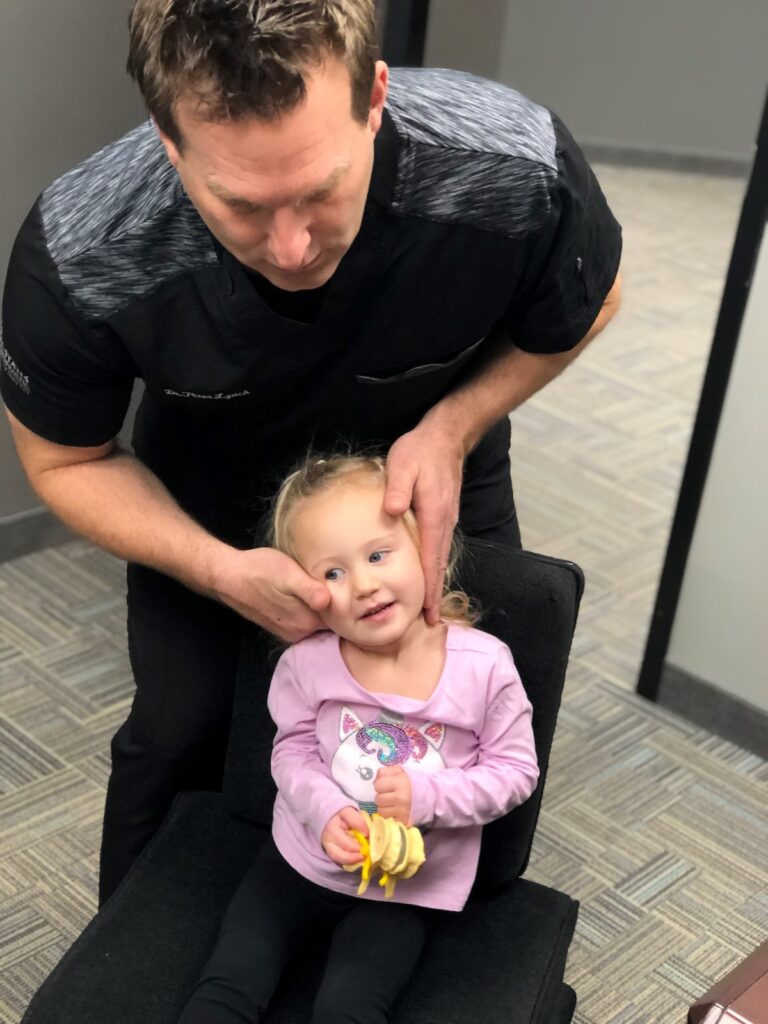
As a local chiropractor, I want to emphasize how crucial it is to strengthen your core and back to prevent back pain before it becomes an issue. Many people don't realize the connection between core stability and spinal health until they start experiencing discomfort. By incorporating specific exercises into your routine, you can significantly improve your overall spinal health and daily comfort.
Simple movements like planks and bridges are excellent for stabilizing your core, and there are many other exercises that can help maintain proper posture—something that is often overlooked. It's important to understand that there is a broader range of movements that can greatly enhance your routine and overall well-being.
So, what are the essential exercises that can truly transform how you feel and move? Let's explore these together, and I can guide you in finding the right exercises tailored to your needs, ensuring a stronger, healthier back and core. Remember, taking proactive steps now can lead to a life free from pain and discomfort later on.
Understanding Back Pain Causes
As a local chiropractor, I want to help you understand the various causes of back pain so that we can work together on effective management strategies. One of the most common culprits of back pain is poor posture. If you find yourself sitting at a desk for long periods without proper support, it can lead to misalignment of your spine, resulting in discomfort. It's important to be mindful of your posture throughout the day and make necessary adjustments to prevent strain on your back.
Injuries also play a significant role in back pain. Whether you've lifted something heavy incorrectly or experienced a sudden twist during physical activities, strains and sprains can lead to immediate and sometimes debilitating pain. Being aware of the risk factors in your daily routine and taking precautions can help prevent injuries before they occur.
Degenerative conditions, such as arthritis, can contribute to chronic back pain as well. As we age, our spinal discs may begin to wear down, leading to stiffness and discomfort. Proactively caring for your spinal health through chiropractic adjustments and lifestyle changes can help mitigate some of these age-related issues and improve your overall well-being.
Another factor to consider is muscle imbalances. When some muscles are weak while others are overactive, it can create uneven tension in the back, leading to discomfort. Engaging in balanced physical activity, including specific exercises recommended by your chiropractor, can help address these imbalances and promote a healthier spine.
Lastly, I want to emphasize the impact of stress on your physical health. Stress can manifest in your body, contributing to tension in your back. Incorporating stress management techniques such as mindfulness, yoga, or even regular chiropractic care can make a significant difference in how you feel.
Importance of Core Strength
As a local chiropractor, I want to emphasize the critical role that strong core muscles play in maintaining a healthy spine and preventing back pain. A robust core not only supports your spine but also stabilizes your body during everyday activities, protecting your lower back from unnecessary strain. Conversely, a weak core can lead to poor posture and increased pressure on your spine, making you more vulnerable to discomfort and injuries.
It's important to understand that your core is made up of more than just your abdominal muscles; it also includes your obliques, lower back, and pelvic floor. These muscle groups work together to maintain balance and stability, enabling you to perform movements like bending, lifting, and twisting safely. By engaging your core during these activities, you can distribute weight more evenly and reduce stress on your spine.
Incorporating core-strengthening exercises into your routine is essential for optimal spinal health. Simple exercises like planks, bridges, and bird-dogs effectively target various muscle groups within your core. These movements not only enhance strength but also improve your overall stability and coordination. You don't need any fancy gym equipment; often, your body weight can provide an excellent workout.
Additionally, a strong core is fundamental to better posture. When you maintain proper posture while sitting or standing, your spine aligns naturally, which significantly reduces the risk of back pain. By prioritizing core strength, you can enhance your physical performance and protect your spine for years to come.
I encourage you to make it a habit to incorporate core-strengthening exercises into your weekly routine. As you do so, you'll likely notice significant improvements in your back health and overall well-being.
Stretching for Flexibility
As a chiropractor, I often emphasize the importance of incorporating regular stretching into your daily routine to enhance flexibility. This is crucial not only for preventing back pain but also for maintaining overall mobility and well-being.
When your muscles are flexible, they provide better support to your spine, which can significantly reduce strain during everyday activities. Even a few simple stretches can lead to noticeable improvements in how your body feels and functions.
Let's start with a foundational stretch: the cat-cow stretch. To perform this, get down on all fours and alternate between arching your back upward (like a cat) and dipping it downward (like a cow). This gentle movement warms up your spine and promotes flexibility in your back muscles.
Hold each position for a few seconds and repeat several times, allowing your body to loosen up.
Next, I recommend trying the seated forward bend. Sit with your legs extended straight in front of you. As you exhale, lean forward and reach toward your toes. It's important not to strain yourself; go as far as you can while feeling a gentle stretch in your hamstrings and lower back.
Hold this position for 15-30 seconds, focusing on your breath to enhance relaxation.
Another effective stretch is the standing quadriceps stretch. Stand on one leg and gently pull the opposite foot toward your glutes. This not only stretches your quadriceps but also helps to open up your hips, which can alleviate tension in your lower back—a common area of discomfort for many.
I encourage you to incorporate these stretches into your routine at least three times a week. You'll likely notice a significant improvement in your flexibility and a reduction in the risk of back pain.
Strengthening the Back Muscles
As a chiropractor, I want to emphasize the importance of strengthening your back muscles to support your spine and reduce the risk of injury. A strong back is crucial not only for maintaining proper posture but also for enhancing your overall physical performance.
Incorporating a variety of exercises can help target different muscle groups in your back, allowing you to build a strong foundation for your health.
Here are some effective exercises you might consider:
- Superman Exercise: This is a great way to engage your back muscles. Lie face down on the floor, stretch your arms in front of you, and simultaneously lift your arms, chest, and legs off the ground. Hold this position for a few seconds before gently lowering back down.
- Bent-Over Rows: Using a dumbbell in each hand, hinge at your hips while keeping your back straight. Pull the weights towards your hips, squeezing your shoulder blades together as you do. This exercise helps strengthen the upper back and improve posture.
- Plank Variations: Planks are excellent for engaging your core and back. You can start with a standard plank position or mix it up with side planks to target your obliques and back stabilizers.
It's essential to perform these exercises with proper form to prevent injury and maximize their effectiveness. If you're new to strength training, begin with lighter weights or just your body weight, gradually increasing the resistance as you build strength.
Aim for two to three sets of each exercise, with 8 to 12 repetitions. Consistency is key; try to incorporate these exercises into your routine at least two to three times a week.
As you strengthen your back muscles, you may notice improvements in your posture and a reduction in discomfort. This can help you enjoy daily activities with greater ease and confidence.
Posture and Alignment Exercises
As your local chiropractor, I want to emphasize the importance of maintaining proper posture for a healthy spine and overall well-being.
Many people are unaware that poor posture can contribute to back pain and discomfort. By incorporating specific stretching and strengthening exercises into your daily routine, you can significantly enhance your alignment and core stability.
These simple practices not only help alleviate existing pain but also serve as preventative measures for a healthier, pain-free back.
I encourage you to explore these exercises, as they can be a vital part of your journey towards natural healing and improved quality of life.
Together, we can work towards a stronger, more aligned you!
Importance of Proper Posture
As a local chiropractor, I want to emphasize the importance of maintaining proper posture for your overall health and well-being. Many people experience back pain, which can often be alleviated through mindful body alignment. When you focus on your posture, you're not just standing tall; you're actively working towards better spinal health.
Proper posture helps redistribute your weight evenly, which reduces strain on your back muscles and ligaments, ultimately leading to less discomfort and more energy throughout your day.
Here are some key aspects to focus on in order to achieve and maintain good posture:
- Shoulders back and relaxed: Imagine gently rolling your shoulders back. This creates a straight line from your ears to your hips, promoting alignment in your spine.
- Engaged core: Think of your belly button pulling in toward your spine. This action helps to provide essential support to your lower back.
- Feet firmly planted: Visualize your feet being shoulder-width apart, ensuring that your weight is evenly distributed to create a stable foundation.
By incorporating these simple adjustments into your daily routine, you can greatly improve your posture, alleviate back pain, and enhance your overall quality of life.
If you have any questions or need further guidance on posture and spinal health, feel free to reach out during your next visit!
Stretching for Alignment
As a local chiropractor, I want to emphasize the importance of incorporating stretching into your daily routine to improve your posture and spinal alignment. Many people are unaware that regular stretching can significantly benefit their overall well-being. By lengthening tight muscles, stretching encourages proper positioning of the spine, which can help alleviate common issues such as back pain.
Let's start with a simple stretch known as the chest opener. Stand tall and clasp your hands behind your back. Gently pull your shoulders down and back while holding this position for 15-30 seconds, taking deep breaths. This stretch helps counteract the effects of sitting and hunching over devices, which many of us do daily.
Next, I recommend trying a standing forward bend. With your feet hip-width apart, hinge at your hips and reach toward the floor, allowing your head to hang heavy. This motion releases tension in your lower back, providing a gentle stretch that can be incredibly refreshing.
We often overlook the hip flexors, but they play a crucial role in our posture. To stretch them effectively, kneel on one knee, keeping the other foot in front. Gently shift your weight forward, feeling a stretch in the hip of your back leg. Hold this position for 15-30 seconds on each side to help open up the hips and improve mobility.
Lastly, consider incorporating a gentle spinal twist while seated. This simple move promotes spinal alignment and mobility, helping to maintain a healthy spine.
By integrating these stretches into your routine, you can enhance your posture and support your body's natural healing processes.
Strengthening Core Muscles
As a local chiropractor, I often emphasize the importance of strengthening your core muscles for achieving optimal posture and spinal alignment.
A robust core is vital in supporting your spine, maintaining proper posture, and minimizing the risk of back pain. If you're new to chiropractic care and natural healing, incorporating core-strengthening exercises into your routine can be a game-changer for your overall health.
Here are three essential exercises I recommend:
- Planks: This exercise involves holding your body in a straight line from head to heels while engaging your abdominal muscles. Planks are excellent for strengthening your entire core and promoting good posture, which can significantly impact your spinal health.
- Bridges: To perform this exercise, lie on your back with your knees bent and feet flat on the floor. By lifting your hips toward the ceiling and squeezing your glutes, you engage your core while strengthening your lower back and pelvic region. This exercise is particularly beneficial for those who may experience lower back discomfort.
- Bird-Dogs: Start on all fours and extend one arm and the opposite leg at the same time, focusing on maintaining balance. This exercise not only enhances stability and coordination but also reinforces your core, which is essential for overall body function.
Incorporating these exercises into your daily routine can help you achieve a healthier spine and reduce the likelihood of discomfort.
As always, I encourage you to consult with your chiropractor to tailor a program that suits your individual needs and goals.
Functional Movements for Daily Life
As a local chiropractor, I often emphasize the importance of functional movements in our daily lives. Understanding and mastering these movements can significantly alleviate back pain and enhance your overall mobility. Functional movements reflect the activities we perform every day, such as lifting, bending, and reaching. By integrating them into your daily routine, you can strengthen and increase flexibility in the muscles that support your spine, which is crucial for your overall health.
Let's start with squats. This exercise is essential for training your legs and core, which are vital for tasks like sitting down and standing up. To perform a squat, stand with your feet shoulder-width apart, bend your knees, and lower your body as if you were sitting in a chair. Remember to keep your chest lifted and distribute your weight in your heels. I recommend aiming for three sets of 10-15 repetitions to build strength.
Next, we've lunges. This movement is beneficial for improving balance and leg strength, both of which are essential when walking or climbing stairs. To do a lunge, step forward with one foot and lower your hips until both knees form approximately 90-degree angles. Then, push back to the starting position and switch legs. Performing three sets of 10-12 lunges on each leg can enhance your stability.
Lastly, don't overlook the deadlift, which mimics the action of picking up objects from the ground—something we do frequently. To execute a deadlift, stand with your feet hip-width apart, bend at your hips and knees while keeping your back straight, and lower your torso. Grasp a weight or any household object and stand back up while engaging your core. Aim for three sets of 8-10 repetitions for optimal results.
Incorporating these functional movements into your life can be a game-changer for your spinal health and overall well-being. If you're interested in learning more about how chiropractic care can complement your efforts in improving functional movements, please feel free to reach out. Your journey to a healthier, pain-free life can start today!
Creating a Consistent Routine
As a local chiropractor, I want to emphasize the importance of establishing a consistent routine to effectively manage back pain and enhance your overall fitness. By adhering to a structured schedule that incorporates specific exercises, you can't only strengthen your back but also improve your flexibility and resilience.
Here's how you can create a routine that works for you.
First and foremost, it's vital to set a specific time each day dedicated to your workouts. Whether you prefer mornings, lunchtime, or evenings, find a time that fits seamlessly into your lifestyle and commit to it. This regularity allows your body to adapt and helps solidify the habit of prioritizing your back health.
Next, it's important to select a variety of exercises that target different muscle groups for a comprehensive approach to your back care. I recommend including activities such as:
- Stretching: Gentle stretches can help release tension and enhance flexibility, which is crucial for alleviating discomfort.
- Strengthening: Engage in core-strengthening exercises that provide stability to your spine and offer vital support for your back.
- Low-impact cardio: Activities like walking or swimming can boost your overall fitness level while being gentle on your back.
Finally, I encourage you to track your progress. Keeping a journal or using an app to monitor your workouts can be incredibly beneficial. Record your improvements in strength and flexibility, as this not only keeps you motivated but also allows for adjustments to your routine as necessary.
By following this approach, you can take proactive steps toward managing your back pain naturally and improving your overall well-being.
Conclusion
As a local chiropractor committed to your well-being, I want to emphasize the importance of incorporating essential exercises into your routine to prevent back pain and enhance your overall mobility. Focusing on core strength, flexibility, and maintaining proper posture can significantly alleviate discomfort and provide vital support for your spine throughout your daily activities.
It's crucial to understand that these exercises are not just about alleviating pain; they play a key role in your overall health and wellness. Consistency is key—aim to practice these exercises two to three times a week. By doing so, you'll not only reduce your risk of back pain but also feel more active and energized in your everyday life.
Remember, your spine is the foundation of your body's structure. Taking proactive steps to strengthen and support it will pay off in the long run. Your body will thank you for the care you provide, and you'll likely notice a significant improvement in your quality of life. If you have any questions or need guidance on specific exercises, don't hesitate to reach out. Together, we can work towards a healthier, pain-free future!