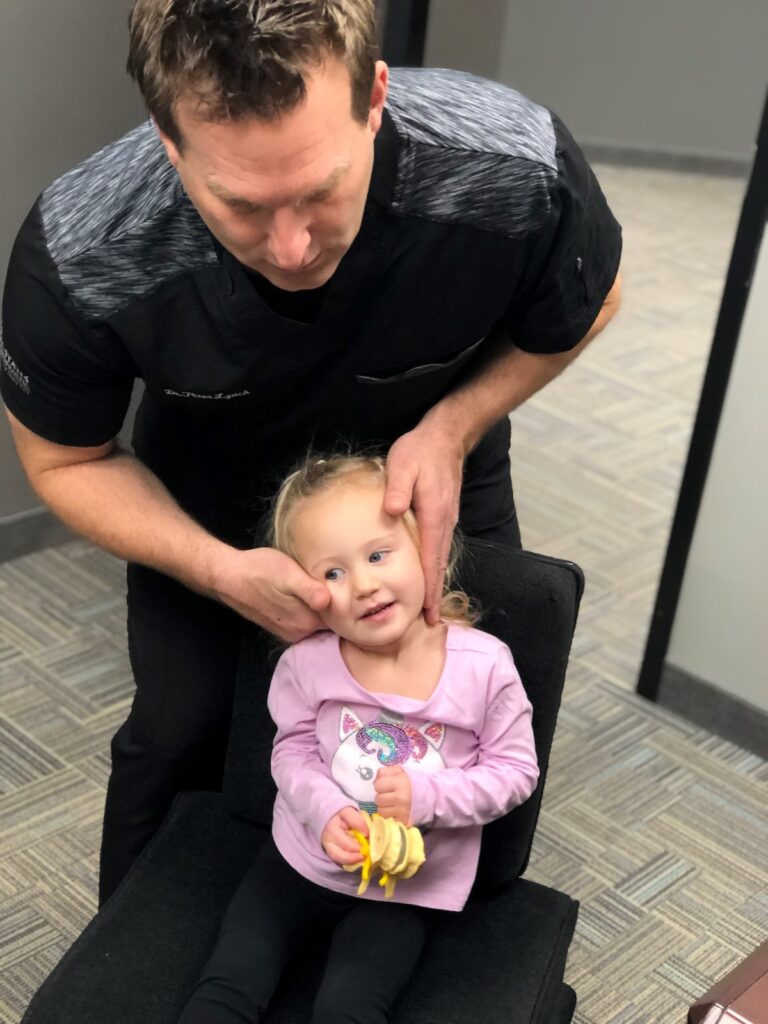
If you're experiencing sports-related back pain, know that you're not alone, and it's essential to seek effective solutions. As a local chiropractor, I want to introduce you to the various strategies we offer that are specifically designed to meet your needs. Chiropractic care encompasses a range of techniques, from spinal adjustments to nutritional guidance, all aimed at alleviating your immediate discomfort while promoting long-term health and enhanced athletic performance.
By exploring these seven trusted chiropractic solutions, you may find new pathways to recovery and ways to prevent future injuries. If you're curious about which method might be the best fit for you, I invite you to learn more about these options. Together, we can work towards improving your overall well-being and helping you get back to doing what you love.
Spinal Adjustments
As a local chiropractor, I want to help you understand the important role spinal adjustments can play in alleviating sports-related back pain. If you're someone who enjoys physical activities, it's essential to recognize that your spine endures significant stress and strain. Misalignments can occur during these activities, leading to discomfort, reduced mobility, and even potential injuries.
When you come to my office, I'll carefully evaluate your spine to identify any areas that may need attention. Using a variety of gentle and effective techniques, I'll perform spinal adjustments aimed at restoring proper alignment and function. These adjustments not only relieve pressure on nerves but also promote overall spinal health, enhancing your body's natural ability to heal and recover—a crucial factor for athletes who consistently push their limits.
You might experience immediate relief after your first adjustment, but the benefits extend far beyond just alleviating pain. Improved spinal alignment can significantly boost your athletic performance, increase your range of motion, and help prevent future injuries.
By incorporating regular chiropractic care into your routine, you can maintain your body in peak condition, allowing you to stay active and enjoy your favorite sports without being sidelined by nagging pain.
It's important to understand that seeking spinal adjustments isn't just about addressing existing pain; it's about optimizing your overall health and wellness. By prioritizing your spinal health, you're making a valuable investment in your performance and longevity in sports.
If you're currently experiencing back pain or simply want to learn more about how chiropractic care can benefit you, I encourage you to reach out and schedule a consultation. Together, we can explore how spinal adjustments can enhance your athletic journey and overall well-being.
Soft Tissue Therapy
As a local chiropractor, I want to help you understand the importance of soft tissue therapy in managing sports-related back pain. While many people are familiar with spinal adjustments, soft tissue therapy is equally crucial. This approach focuses on the muscles, tendons, ligaments, and fascia around your spine, ultimately helping to alleviate pain, enhance flexibility, and boost your overall athletic performance.
Soft tissue therapy techniques, such as massage and myofascial release, specifically target areas of tension or injury. Here are four significant benefits you can gain by incorporating soft tissue therapy into your treatment plan:
- Pain Relief: By relieving tension in the muscles and connective tissues, you can experience a notable decrease in pain. This makes it easier for you to return to your favorite sports activities without discomfort.
- Improved Range of Motion: Engaging in soft tissue therapy can enhance your flexibility, allowing for smoother movement and reducing the likelihood of future injuries during physical activity.
- Faster Recovery: After those intense training sessions or competitions, soft tissue therapy can speed up your healing process. It does this by promoting increased blood flow and decreasing inflammation in the affected areas.
- Enhanced Performance: With reduced pain and improved flexibility, you'll find that you can perform at your best—whether you're practicing or competing.
Integrating soft tissue therapy into your chiropractic care can truly be transformative. It works hand in hand with spinal adjustments to create a comprehensive approach to treating sports-related back pain.
Rehabilitation Exercises
As a local chiropractor, I want to share valuable insights on managing sports-related back pain through rehabilitation exercises. These exercises are crucial for your recovery and can significantly improve your performance in your chosen sport. They work by strengthening your back muscles, enhancing flexibility, and boosting stability, enabling you to return to your activities with confidence.
To start, let's focus on core strengthening exercises. A robust core is vital for supporting your spine and reducing pressure on your back. I often recommend exercises like planks, bridges, and bird-dogs to help build that core strength. Aim to include these exercises in your routine at least three times a week for the best results.
Next, we'll incorporate flexibility training into your regimen. Stretching your back, hips, and legs is essential to relieve tension and improve your range of motion. Simple stretches such as the cat-cow stretch, seated forward bend, and knee-to-chest stretch can be extremely beneficial. When doing these stretches, hold each position for 15-30 seconds and repeat them 2-3 times to maximize their effects.
Additionally, it's important to focus on functional movements that mimic the actions of your sport. This prepares your body for the specific demands of your activities. For example, if you're a runner, consider adding single-leg deadlifts or lateral lunges to your workout to enhance strength and coordination.
Lastly, always listen to your body. If any exercise causes discomfort or pain, please stop immediately and consult with me. I'm here to provide modifications or alternative exercises tailored to your individual needs.
Posture Correction
As a local chiropractor, I often see many athletes and individuals who underestimate the significance of posture correction in their overall health and well-being. Proper posture is crucial not only for athletic performance but also for preventing and relieving back pain.
When posture is neglected, it can lead to muscle imbalances, unnecessary strain on the spine, and an increased risk of injury. By prioritizing your posture, you can enhance your physical performance and minimize discomfort.
Here are some important points to consider regarding posture correction:
- Awareness: Begin by paying attention to your posture throughout your daily routines and exercise sessions. Notice if your shoulders tend to round or if your head leans forward. This awareness is the first step toward improvement.
- Alignment: Ensure that your head, shoulders, and hips are in alignment. Proper alignment helps evenly distribute weight along your spine, alleviating stress on your back muscles and promoting better overall health.
- Strengthening: Engage in exercises that focus on strengthening your core and back muscles. A robust core not only stabilizes your spine but also supports you in maintaining good posture during various physical activities.
- Stretching: It's essential to incorporate regular stretching into your routine, especially for tight areas such as the chest, shoulders, and hip flexors. Stretching helps maintain flexibility and effectively counteracts the negative effects of prolonged poor posture.
By understanding and addressing these aspects of posture, you can take proactive steps towards better health and injury prevention.
If you're interested in personalized guidance or exercises tailored to your specific needs, don't hesitate to reach out for a consultation. Together, we can work towards achieving optimal posture and overall well-being.
Kinesiology Taping
As a local chiropractor, I want to introduce you to the benefits of kinesiology taping, especially if you're dealing with sports-related back pain.
This technique can be a transformative approach to your recovery. Kinesiology taping provides the support you need while still allowing for a full range of motion, which is crucial for maintaining your active lifestyle.
Understanding how to properly apply the tape is key to unlocking its full potential. By learning the correct techniques, you can enhance your recovery process and improve your performance in your chosen sport.
I encourage you to explore how this innovative method can work in conjunction with other natural healing practices we offer at our clinic. Together, we can help you manage pain and promote overall well-being.
Benefits of Kinesiology Taping
As a local chiropractor, I want to share with you one of the remarkable tools we use in our practice: kinesiology taping. This innovative taping technique can significantly enhance your athletic performance while providing crucial support to areas that may be injured.
It not only aids in recovery but also helps maintain your mobility. Here are four key benefits you may experience with kinesiology taping:
- Pain Relief: Kinesiology tape works by lifting the skin slightly, which can relieve pressure on pain receptors, helping to reduce discomfort.
- Improved Circulation: The tape encourages better blood flow and lymphatic drainage. This can lead to reduced swelling and a faster recovery process.
- Enhanced Stability: Kinesiology tape provides essential support to your muscles and joints, allowing you to move confidently without limiting your range of motion.
- Injury Prevention: By offering proprioceptive feedback, kinesiology taping helps you maintain proper posture and alignment, which can be vital in preventing further injuries.
Incorporating kinesiology taping into your routine can be a transformative approach to managing sports-related back pain and other musculoskeletal issues.
It empowers you to push your limits while ensuring your body is protected and supported during training or competition.
With these benefits in mind, you'll be better equipped to pursue your athletic goals and maintain optimal health.
If you're interested in learning more about how kinesiology taping can fit into your wellness journey, I'm here to help!
Application Techniques Explained
As a chiropractor, I often emphasize the importance of mastering the application of kinesiology tape for my patients. It can be just as important as the tape itself in promoting healing and support.
To begin, it's crucial to clean the skin where the tape will be applied. This step enhances adhesion and reduces the likelihood of skin irritation.
When you're ready to apply the tape, first measure the length you'll need, and consider cutting the edges in a rounded shape to prevent peeling. As you apply the tape, remember to stretch it slightly while sticking it down. This technique allows the tape to provide necessary support without limiting your movement.
For a general application, start by anchoring one end of the tape without any stretch. Gradually apply the tape along the muscle or joint, increasing the tension as you go. It's important to finish by pressing down on the last section to ensure it adheres properly.
If you're focusing on specific areas of discomfort, you can adjust the tension of the tape according to your needs. Applying less stretch can help alleviate pain, while a tighter application can provide more support during physical activity.
Lastly, take a moment to test how well the tape holds; a properly applied strip should remain secure throughout your workout routine.
With practice, you'll find a technique that not only effectively supports your body but also enhances your overall performance. I encourage you to incorporate kinesiology tape as part of your natural healing journey, alongside the chiropractic care we provide.
Nutritional Support
As a local chiropractor, I want to emphasize the crucial role nutrition plays in your recovery from sports-related back pain.
When you're healing, the right nutrients, adequate hydration, and anti-inflammatory foods can significantly aid your recovery process.
It's not just about chiropractic adjustments; what you put into your body can enhance your overall wellness and performance.
By making mindful dietary choices, you can support your healing journey and potentially improve your outcomes.
Let's delve into how adjusting your diet can complement your chiropractic care and promote a healthier, more active lifestyle.
Essential Nutrients for Recovery
As a local chiropractor, I want to emphasize the importance of fueling your body with essential nutrients, especially when recovering from sports injuries like back pain. A well-balanced diet not only supports your overall health but can significantly speed up healing and help reduce inflammation.
Here are four key nutrients to focus on during your recovery:
1. Protein: This nutrient is vital for muscle repair and growth. To support your recovery, consider incorporating sources of lean protein such as chicken, fish, eggs, or plant-based options like beans and lentils into your meals. These will provide the building blocks your body needs to heal.
2. Omega-3 Fatty Acids: Known for their anti-inflammatory properties, omega-3 fatty acids can be incredibly beneficial in your recovery process. You can find these healthy fats in fatty fish like salmon, as well as in walnuts and flaxseeds. Including these in your diet may help alleviate pain and promote healing.
3. Vitamins C and D: Vitamin C is crucial for collagen production, which is essential for repairing tissues. You'll find this vitamin in citrus fruits, bell peppers, and leafy greens.
Vitamin D, on the other hand, is important for maintaining bone health and can be absorbed through sunlight or foods like fish and fortified dairy products.
4. Magnesium: This mineral is key for muscle function and recovery. Foods rich in magnesium, such as leafy greens, nuts, and whole grains, can help your muscles relax and recover more effectively after injury.
Understanding and incorporating these essential nutrients into your diet can greatly enhance your recovery journey.
Hydration's Role in Healing
As a local chiropractor, I want to emphasize the critical role that proper hydration plays in your recovery from sports-related back pain. Staying well-hydrated is vital for maintaining your body's optimal functions and supporting the healing process. When you drink enough water, your body can effectively transport necessary nutrients to injured tissues, aiding in a quicker recovery.
Additionally, hydration helps flush out toxins and alleviates muscle soreness, both of which are essential after engaging in intense physical activities.
Many people may not be aware that dehydration can actually exacerbate pain and stiffness in your back. Insufficient fluid intake can hinder your body's ability to lubricate joints and muscles properly, resulting in discomfort and restricted movement.
To support your recovery, I recommend drinking water consistently throughout the day—particularly before, during, and after exercise.
Paying attention to the color of your urine can also serve as a helpful hydration gauge; a light yellow color indicates that you're likely well-hydrated, while darker urine suggests that it's time to increase your water intake.
Moreover, incorporating electrolytes into your hydration routine can be particularly beneficial after heavy sweating or strenuous workouts, as they help maintain the fluid balance in your body.
Remember, hydration isn't solely about drinking water! Consuming fruits and vegetables with high water content can significantly boost your overall hydration levels.
Anti-Inflammatory Food Choices
As a chiropractor, I often emphasize the importance of a holistic approach to healing, especially when it comes to recovering from sports-related back pain.
While staying hydrated is crucial, your diet is equally important in reducing inflammation and aiding your recovery. By incorporating anti-inflammatory foods into your meals, you can manage pain effectively and support your healing process.
Here are four key food choices I encourage my patients to consider:
- Fatty Fish: Including fish like salmon and mackerel in your diet is beneficial due to their high omega-3 fatty acid content. These fats are known for their ability to reduce inflammation in the body, which can help alleviate pain.
- Leafy Greens: Vegetables such as spinach and kale aren't just nutritious but also rich in antioxidants and vitamins. These nutrients play a significant role in combating inflammation and enhancing overall health, which is vital for your recovery.
- Berries: Incorporating berries like blueberries and strawberries into your diet can be a delicious way to fight inflammation. They're packed with antioxidants that may help lower inflammation markers and support muscle recovery after physical activity.
- Nuts and Seeds: Foods like walnuts and flaxseeds are fantastic sources of healthy fats and fiber. They contribute to reduced inflammation and promote better digestive health, which is essential for overall well-being.
By making these simple dietary changes, you can complement your chiropractic care and enhance your recovery from back pain.
Preventive Care Strategies
As your local chiropractor, I want to emphasize the importance of taking proactive steps to prevent back pain, especially if you're active in sports. It's not about relying on luck; it's about making informed choices that protect your body. One of the most effective ways to do this is by establishing a consistent chiropractic care routine. Regular adjustments can help ensure that your spine and nervous system are functioning optimally, which significantly reduces your risk of injury during physical activities.
Before and after each workout, it's crucial to incorporate a thorough warm-up and cool-down routine. Engaging in dynamic stretches and mobility exercises prepares your muscles and joints for the demands of your sport. After your workout, static stretches help maintain your flexibility, which is vital for overall performance.
I also encourage you to focus on strengthening your core. A robust core supports your spine and helps distribute the forces exerted during sports, which can significantly minimize the likelihood of back pain.
Posture is another key element to consider. Whether you're at work or participating in sports, maintaining proper alignment can greatly reduce strain on your back. If you're lifting weights or participating in high-impact activities, ensure you're using the correct techniques to further decrease your risk of injury.
Choosing the right footwear is essential, especially for sports that involve running or jumping. Proper shoes can provide the necessary support for your feet and spine.
Additionally, it's important to listen to your body; if you experience pain or discomfort, don't ignore it. Rest and recovery are just as critical as your training routine.
Finally, consider cross-training to help balance muscle development and prevent overuse injuries. By integrating these preventive care strategies into your daily routine, you can enjoy your sporting activities while minimizing the risk of back pain.
Conclusion
As your local chiropractor, I'm here to help you understand how incorporating these seven trusted chiropractic solutions can significantly aid in managing and preventing sports-related back pain.
First, let's talk about spinal adjustments. These are gentle manipulations of the spine that help restore proper alignment, which is crucial for your overall mobility and comfort. In addition to adjustments, we also utilize soft tissue therapy, which focuses on relieving tension in your muscles and connective tissues. This combination not only alleviates pain but also restores balance and strength in your body.
Rehabilitation exercises play a vital role in your recovery and performance. We create personalized exercise plans that strengthen your back and core, helping to prevent future injuries. Another helpful technique is kinesiology taping, which supports your muscles and joints during activity without restricting your movement. Coupled with posture correction strategies, you can enhance your athletic performance and reduce the risk of injury.
Moreover, don't underestimate the value of nutritional support. Proper nutrition fuels your body and aids in recovery, while preventive care strategies keep you in optimal condition for your sport. By embracing these chiropractic techniques, you're not just treating pain; you're investing in a healthier, pain-free athletic experience. I'm here to guide you every step of the way toward achieving your wellness goals.