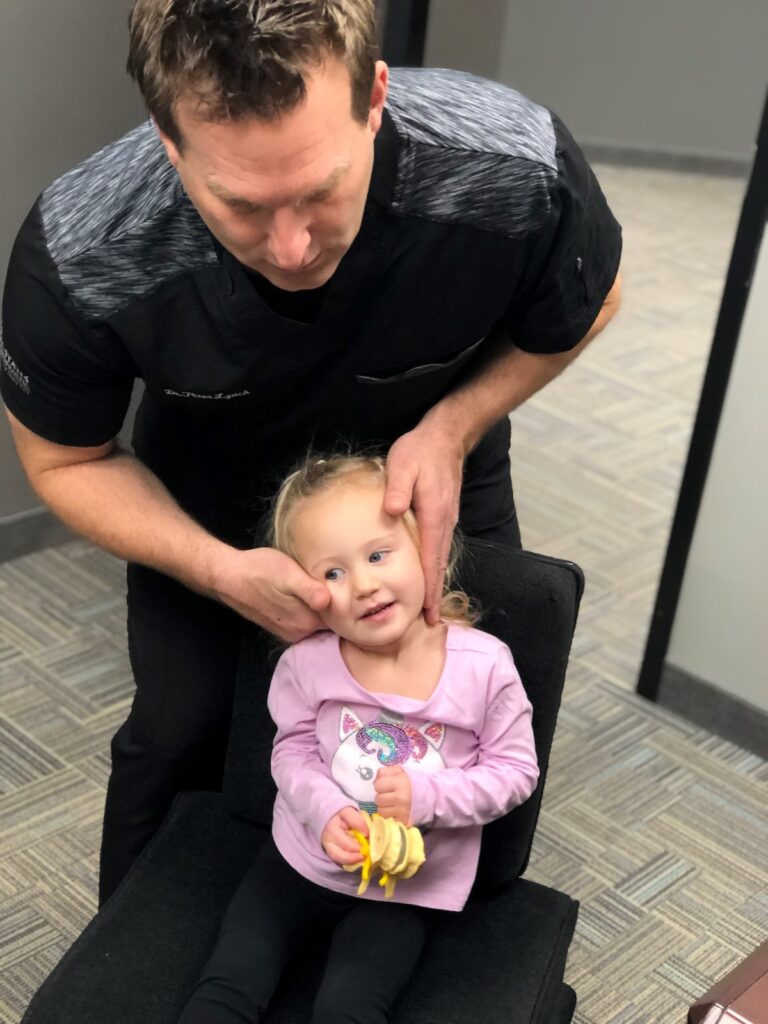
As a local chiropractor, I often notice how much posture can influence your overall health and well-being. Many people don't realize that even small adjustments to your posture can lead to significant relief from back pain. By learning some fundamental principles of posture and incorporating simple daily routines, you can experience improvements without the need for medication.
I encourage you to consider effective stretching techniques and how an ergonomic workspace can make a difference in your daily life. These natural solutions are readily available and can greatly enhance your comfort and mobility. If you're interested in discovering how these strategies can help alleviate discomfort and promote a healthier lifestyle, let's discuss the next steps for achieving lasting relief together. Your journey to better health starts with understanding the power of posture!
Understand Posture Basics
As your local chiropractor, I want to emphasize the importance of good posture for your overall health and well-being. Many people associate posture with simply standing tall or sitting up straight, but it encompasses much more than that. Proper body alignment is crucial; it helps distribute your weight evenly across your muscles and joints, which can significantly reduce the risk of back pain and other discomforts.
Let's start with your standing posture. When you stand, your ears should align with your shoulders, and your shoulders should line up with your hips. Stand with your feet shoulder-width apart, ensuring that your weight is evenly distributed between both feet. This simple adjustment can make a world of difference.
When it comes to sitting, it's essential to keep your back straight and well-supported. Your feet should be flat on the floor or on a footrest, and your knees need to be at or just below hip level to promote proper alignment. These adjustments can prevent unnecessary strain on your back over time.
I also encourage you to be mindful of your posture while walking. Engaging your core muscles and keeping your chin parallel to the ground can help maintain a neutral spine. It's essential to stay aware of your posture throughout the day, especially if you find yourself sitting for extended periods.
Daily Stretching Routines
As a local chiropractor, I want to emphasize the importance of incorporating daily stretching routines into your life. Not only can this significantly improve your posture, but it can also help alleviate back pain. Stretching is essential for lengthening tight muscles, increasing flexibility, and promoting better alignment of your spine and joints.
To get started, I recommend dedicating just 10 to 15 minutes each day to a focused stretching session that specifically targets your back, hips, and shoulders. This small investment of time can lead to meaningful improvements in how you feel.
Begin with a simple neck stretch. Gently tilt your head to one side, holding the position for 15 to 30 seconds, and then switch sides. This helps release tension that often accumulates in the neck and upper back.
Next, incorporate the cat-cow stretch into your routine to mobilize your spine. Start on all fours, arching your back upwards (like a cat) and then lowering it while lifting your head (like a cow). Repeat this flow several times to promote spinal flexibility.
Now, let's turn our attention to the hip flexors. Stand up and step one foot back while bending your front knee, ensuring that your back leg remains straight. This stretch is crucial for opening up your hips, which can become tight from sitting for long periods. Hold this position for 30 seconds before switching sides.
Don't overlook your hamstrings! Sitting on the floor with your legs extended, reach for your toes while keeping your knees straight. This stretch will significantly alleviate tension in your lower back, which is often a source of discomfort for many.
Lastly, I encourage you to include a gentle spinal twist in your routine. While seated, cross one leg over the other and twist your torso towards the bent knee. This movement promotes spinal mobility and can ease stiffness that builds up over time.
Throughout each stretch, remember to breathe deeply. This will help your body relax and enhance the effectiveness of the stretches. Consistency is essential, so aim to make these stretches a daily habit. Over time, you'll likely notice improvements in your posture and a reduction in back pain.
As your chiropractor, I'm here to support your journey towards better spinal health and overall well-being. Embrace these stretches, and feel the positive changes in your body!
Ergonomic Workspace Setup
As a local chiropractor, I want to emphasize the importance of creating an ergonomic workspace to support your overall health and well-being. A well-designed workspace can significantly contribute to maintaining good posture and preventing discomfort, particularly in the back, especially when paired with your daily stretching routines.
By taking the time to set up your workspace with your body's needs in mind, you can foster a more comfortable and productive environment that promotes healing and vitality.
Here are four crucial elements to consider for an ergonomic workspace setup:
- Chair Height: Your chair is a foundational element of your workspace. It should be adjusted so that your feet rest flat on the floor, and your knees form a 90-degree angle. This alignment is essential for reducing strain on your back and pelvis.
- Desk Height: The height of your desk is also vital. It should enable your elbows to remain at a 90-degree angle while you type. This proper positioning helps to alleviate strain on your shoulders and wrists, which can prevent discomfort and long-term issues.
- Monitor Position: Positioning your monitor correctly is key to avoiding neck strain. Ideally, your monitor should be at eye level and about an arm's length away. This encourages better posture and helps you maintain a neutral spine while working.
- Keyboard and Mouse Placement: Keep your keyboard and mouse within easy reach to avoid unnecessary stretching. Your wrists should remain straight, and your hands should hover comfortably above the keyboard. This practice can significantly reduce tension and prevent repetitive strain injuries.
By implementing these ergonomic principles in your workspace, you can help protect your body from the stresses of prolonged sitting and enhance your overall comfort and productivity.
Strengthening Core Muscles
As a local chiropractor, I often emphasize the importance of strengthening your core muscles for not only maintaining good posture but also for preventing back pain. Many people associate a strong core with the aesthetic of a six-pack, but it actually encompasses all the muscles surrounding your abdomen, back, and pelvis. These muscles work together to support your spine, and when they're strong, they help stabilize your body, allowing you to stand tall and move with greater efficiency.
To begin strengthening your core, I recommend incorporating exercises that engage all these muscle groups. One of the best exercises you can do is the plank. Simply hold a plank position, ensuring your body forms a straight line from head to heels. Start by aiming for 30 seconds and gradually increase your duration as your strength improves.
Another effective exercise is the bridge. Lie on your back with your knees bent and feet flat on the floor. Lift your hips toward the ceiling while squeezing your glutes, hold for a few seconds, and then lower back down.
Additionally, I encourage you to include exercises such as Russian twists and bird-dogs in your routine. For Russian twists, sit on the floor, lean back slightly, and rotate your torso from side to side. Bird-dogs involve balancing on your hands and knees while extending one arm and the opposite leg simultaneously. These movements challenge your balance and stability, which are crucial for a strong core.
It's important to practice these exercises regularly. Aim for at least two to three sessions a week, and you'll likely notice improvements in your posture and a reduction in back pain.
Mindfulness and Relaxation Techniques
As a local chiropractor, I often see patients who underestimate the profound impact that mindfulness and relaxation techniques can have on their posture and back pain.
Integrating these practices into your daily routine can significantly enhance your body awareness, foster a more relaxed mindset, and ultimately lead to improved posture and reduced discomfort.
Here are four accessible techniques that I recommend to my patients:
- Deep Breathing: I encourage you to take a few moments each day to focus on your breath. Inhale deeply through your nose, allowing your abdomen to expand fully, and then exhale slowly through your mouth. This simple yet powerful practice can calm your mind and help alleviate tension in your back.
- Progressive Muscle Relaxation: Find a comfortable position, either lying down or seated, and go through a process of tensing and relaxing each muscle group. Start from your toes and work your way up to your head. This technique not only promotes relaxation but also helps you identify areas where you might be holding tension.
- Mindful Stretching: Incorporating gentle stretches into your routine can be incredibly beneficial. While stretching, pay close attention to the sensations in your body. Notice how each stretch feels and aim to consciously release any tightness you may encounter. This awareness can help in aligning your posture more effectively.
- Meditation: I recommend dedicating a few minutes each day to meditation. Even a brief five-minute session can be impactful. This practice enhances your awareness of body alignment and can help manage stress—one of the common contributors to back pain.
By embracing these mindfulness and relaxation techniques, you can take proactive steps toward improving your overall well-being and reducing back pain.
Conclusion
As a local chiropractor, I'm here to share some insights on how you can naturally improve your posture and alleviate back pain. One of the most effective ways to do this is by being mindful of your posture throughout the day and incorporating daily stretching into your routine.
It's essential to set up your workspace in a way that supports your body. An ergonomic setup can help prevent strain and encourage proper alignment. Additionally, strengthening your core muscles is crucial; exercises like planks and bridges are excellent for building stability and support for your spine.
I also encourage you to practice mindfulness techniques, such as deep breathing exercises. These methods not only enhance relaxation but also improve your awareness of body mechanics, which can contribute to better posture over time.
By making these simple adjustments and incorporating these practices into your daily life, you can significantly improve your posture and overall well-being. This proactive approach can help prevent future discomfort and keep your spine healthy. If you have any questions or need guidance on specific exercises or ergonomic setups, feel free to reach out. Your health is my priority!