If you're dealing with chronic back pain, you may be feeling overwhelmed and unsure of where to turn for relief. As a local chiropractor, I want to share some practical techniques that can truly transform your daily experience. By focusing on natural healing methods, we can address the root causes of your discomfort and promote long-term wellness.
One of the fundamental principles I emphasize is the importance of good posture. Many people underestimate how much proper alignment can impact their back health. Additionally, exploring physical therapy and chiropractic adjustments can greatly enhance your recovery process. These tailored approaches not only relieve pain but also work to restore function and prevent future issues.
It's essential to understand that each technique can vary in effectiveness depending on your individual situation. By getting to know the specifics of each method, you can make informed choices about your path to a pain-free life. Together, we can navigate these options and find what works best for you. Your journey toward relief starts with understanding the power of chiropractic care and the natural healing it offers.
Practice Good Posture
As a local chiropractor, I want to emphasize the importance of practicing good posture for those of you managing chronic back pain. The way you sit, stand, and move can significantly impact your spine's health and the surrounding muscles. It's crucial to develop an awareness of your body positioning throughout the day, whether you're working at your desk, driving, or simply walking. Make a conscious effort to keep your head, shoulders, and hips aligned.
When seated, ensure that your feet are flat on the floor and your knees form a 90-degree angle. Choose a chair that provides support for your lower back, and position your computer screen at eye level. This will help you avoid the tendency to lean forward, which can exacerbate discomfort.
If you find yourself standing for prolonged periods, remember to distribute your weight evenly across both feet and refrain from locking your knees. These small adjustments can help prevent muscle fatigue in your back.
Additionally, lifting objects correctly is a vital part of maintaining good posture. Always bend your knees and keep the item you're lifting close to your body to minimize strain. Avoid twisting your torso while lifting, as this can place unnecessary pressure on your spine. Instead, pivot your feet to turn your body safely.
Engage in Regular Exercise
As a local chiropractor, I want to share with you how engaging in regular exercise can be a transformative approach to managing chronic back pain and promoting a healthier spine. Many people may not realize that it's not just about building muscle; it's also about enhancing flexibility, stability, and endurance.
By incorporating a consistent exercise routine into your life, you can significantly alleviate the discomfort associated with back pain. Here are four essential benefits of regular exercise that I encourage my patients to consider:
- Strengthens Core Muscles: A robust core is vital for supporting your spine. Exercises that focus on your abdominal and back muscles can help reduce strain on your lower back, making everyday movements easier and less painful.
- Improves Flexibility: Regular physical activity increases your flexibility, allowing your body to move more freely and with less discomfort. This increase in flexibility can significantly lower your risk of injury during daily tasks.
- Enhances Posture: Many exercises are designed to correct postural imbalances. Maintaining good posture is crucial, as it lessens the stress on your back and helps prevent pain from developing into a chronic issue.
- Boosts Mood and Reduces Stress: One of the wonderful benefits of exercise is its ability to release endorphins, which can elevate your mood and alleviate stress. Lower stress levels can lead to a reduced perception of pain, making it easier to manage discomfort.
To get started, I recommend opting for low-impact activities such as walking, swimming, or cycling. Aim for at least 150 minutes of moderate aerobic activity per week, along with strength training exercises at least twice a week.
Always listen to your body, and consider consulting with a healthcare professional, like myself, before embarking on any new exercise program. By making exercise a consistent part of your life, you can take significant steps toward relieving chronic back pain and improving your overall well-being.
Incorporate Stretching Routines
As a local chiropractor, I want to share how incorporating stretching routines into your daily life can significantly help manage chronic back pain. Many of my patients find that simple stretches not only improve flexibility but also reduce muscle tension and alleviate discomfort. By dedicating just a few minutes each day to stretch your back and the surrounding muscles, you can experience substantial benefits over time.
I recommend starting with gentle stretches such as the cat-cow pose or child's pose. These movements are excellent for mobilizing your spine and relaxing tight muscles. Aim to hold each position for 15-30 seconds while focusing on your breath, allowing your body to ease into the stretch.
Additionally, consider trying the seated forward bend or standing hamstring stretch, which specifically target areas that often contribute to back pain. It's important to listen to your body during these stretches. If you encounter sharp pain, gently ease out of the position and reassess your technique. Proper form is crucial to avoid injury and maximize the benefits of your stretching routine.
You can even incorporate these stretches during breaks at work or while watching TV, making them easily accessible to your daily life. If you're looking for a more structured approach, consider joining a yoga class. Not only does yoga enhance your stretching routine, but it also fosters a mind-body connection that many find helpful in managing pain more effectively.
Lastly, consistency is vital for success. I encourage you to set a daily reminder to stretch, as regular practice can lead to increased mobility and reduced discomfort. Your back will truly thank you for the attention and care you invest through these stretching routines.
Use Heat and Cold Therapy
As a local chiropractor, I want to share with you some effective strategies for managing back pain, particularly the use of heat and cold therapy alongside your stretching routine. Incorporating these therapies can significantly enhance your comfort and support your healing journey.
They work by reducing inflammation, easing muscle tension, and improving circulation—all crucial elements in alleviating chronic pain.
Here are some practical tips on how to effectively use heat and cold therapy:
- Heat Therapy: Applying a heating pad or a warm towel to your back for about 15-20 minutes can work wonders. The warmth increases blood flow, relaxes tight muscles, and provides soothing relief, which is especially beneficial for chronic pain.
- Cold Therapy: On the other hand, using an ice pack wrapped in a cloth for 15-20 minutes can help numb pain and reduce inflammation. Cold therapy is particularly effective after physical activity or during flare-ups of acute pain.
- Alternating Therapies: You might find that alternating between heat and cold offers the best results. Start with cold therapy to tackle inflammation, then switch to heat to promote relaxation and healing in the affected areas.
- Listen to Your Body: It's essential to pay attention to how your body responds to each type of therapy. If you notice an increase in pain or discomfort, consider adjusting the duration or frequency of your applications.
By integrating these therapies into your routine, you can take proactive steps toward managing your back pain naturally.
If you have any questions or need personalized guidance, feel free to reach out during your next visit!
Consider Physical Therapy
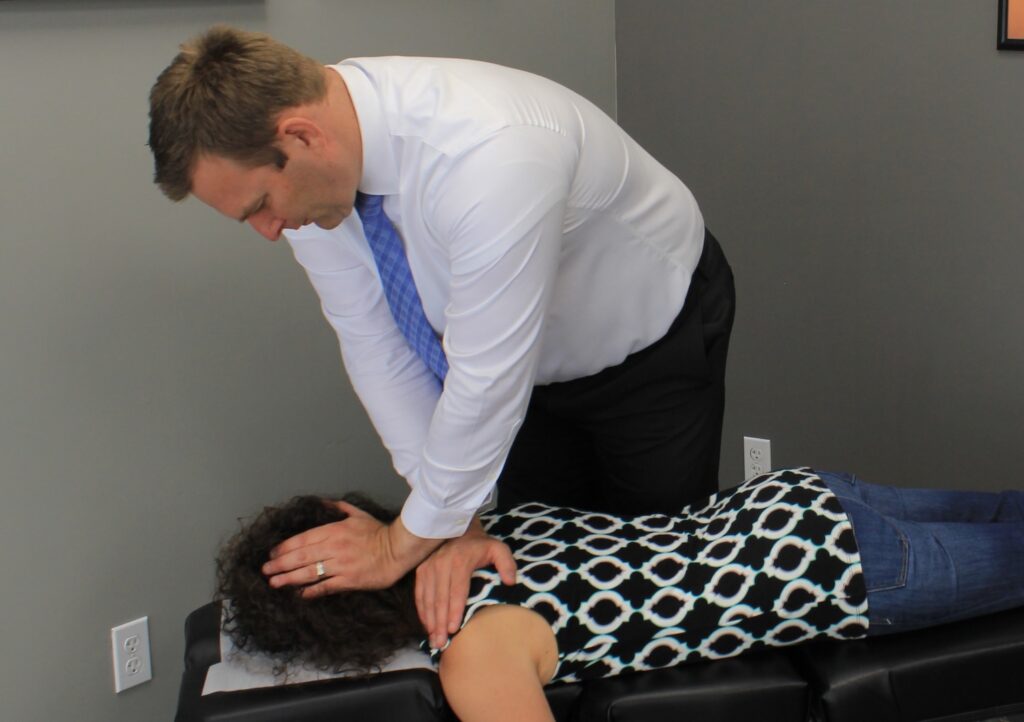
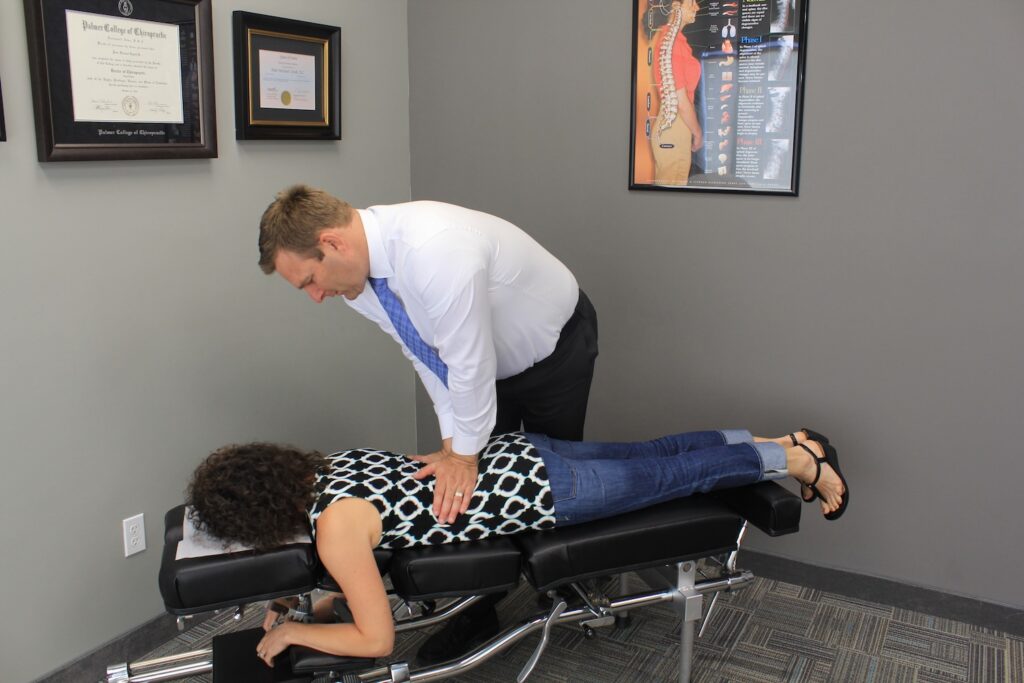
Many individuals discover that chiropractic care can be transformative in managing chronic back pain. This holistic approach focuses on restoring proper alignment to your spine and nervous system, which can significantly alleviate discomfort and enhance overall wellness.
When you visit a qualified chiropractor, they'll thoroughly assess your specific condition, pinpoint the underlying causes of your pain, and create a personalized treatment plan tailored to your needs.
During chiropractic sessions, you'll experience adjustments aimed at realigning the vertebrae in your spine, which can relieve pressure on nerves and reduce pain. These adjustments are often complemented by additional techniques such as soft tissue therapy, exercises, and lifestyle counseling to promote overall health and mobility.
Moreover, chiropractic care goes beyond just addressing immediate pain relief. It empowers you with the knowledge and tools to manage your condition effectively in the long term. You'll learn about maintaining proper posture and body mechanics, which can help prevent future injuries and ensure that your daily activities don't aggravate your condition.
Consistency is crucial in achieving optimal results, so committing to a regular chiropractic schedule can lead to significant improvements over time. Many patients report a noticeable reduction in pain and an enhancement in their quality of life after completing their chiropractic care plans.
If you're struggling with chronic back pain, exploring chiropractic care could be a vital step toward reclaiming your life and enjoying the activities you love once again.
Explore Mindfulness and Meditation
As a local chiropractor, I understand that many of you may be unfamiliar with the benefits of chiropractic care, especially when it comes to alleviating chronic back pain. While chiropractic adjustments can provide significant relief, I want to introduce you to the powerful combination of mindfulness and meditation, which can further enhance your overall well-being.
These practices not only help you connect with your body but also play a crucial role in reducing stress and improving mental health, all of which are important for managing back pain. Here's how integrating mindfulness and meditation into your routine can make a positive impact:
- Increased Body Awareness: Mindfulness encourages you to tune into your body's signals. Developing this awareness allows you to identify what triggers your pain and make necessary adjustments to your movements or posture.
- Lower Stress Levels: Engaging in meditation is a proven way to reduce stress. Since high stress can contribute to muscle tension and pain, managing it effectively can lead to a noticeable decrease in discomfort in your back.
- Enhanced Posture: Through mindfulness, you become more conscious of your posture throughout the day. By being aware of how you sit or stand, you can prevent unnecessary strain on your back muscles, which can help maintain proper alignment.
- Effective Pain Management: Regular meditation practice can alter the way your brain processes pain signals. By cultivating a different relationship with your discomfort, you can find ways to cope that make it feel more manageable.
Incorporating mindfulness and meditation into your daily life doesn't have to be time-consuming. Even dedicating just a few minutes each day can make a difference.
As you grow more accustomed to these practices, you can gradually increase the duration. You may discover that focusing on your breath and being present can transform your experience with chronic back pain.
Embracing these techniques alongside your chiropractic care can offer a holistic approach to your healing journey. I encourage you to explore these methods and see how they can complement the benefits of chiropractic adjustments for a healthier, more balanced life.
Maintain a Healthy Weight
As a local chiropractor, I want to emphasize the importance of maintaining a healthy weight, especially for those dealing with chronic back pain. Carrying excess weight can place extra strain on your spine and the surrounding muscles, leading to increased discomfort and reduced mobility. By losing those extra pounds, you can significantly alleviate pressure on your back, resulting in lower pain levels and an overall improvement in your quality of life.
To start on the path to a healthier weight, I encourage you to evaluate your eating habits. A balanced diet is key—focus on incorporating an abundance of fruits, vegetables, lean proteins, and whole grains into your meals. It's crucial to steer clear of processed foods that are high in sugars and unhealthy fats, as these can lead to weight gain and even increase inflammation in your body.
Additionally, practicing portion control is vital; be aware of serving sizes to better manage your caloric intake.
Incorporating regular physical activity into your daily routine can greatly enhance your weight management efforts. Aim for at least 150 minutes of moderate aerobic exercise each week—activities like walking, swimming, or cycling are excellent choices.
Don't forget the importance of strength training as well; it not only helps build muscle but also boosts your metabolism, allowing you to burn more calories even at rest. This combination of aerobic and strength training not only assists with weight loss but also strengthens the core muscles that provide vital support for your back.
Try Massage Therapy
If you're dealing with chronic back pain, I want to introduce you to the potential benefits of massage therapy as a complement to chiropractic care.
Many individuals find that massage therapy can effectively target specific areas of discomfort, alleviating tension and enhancing mobility.
As a chiropractor, I often recommend that patients consider how frequently they should schedule these sessions and what duration is most beneficial for their individual needs.
Understanding your body and how it responds to these therapies can significantly improve your overall wellness and pain management.
Benefits of Massage Therapy
As a local chiropractor, I want to share with you the incredible benefits of massage therapy, especially for those dealing with chronic back pain. This hands-on treatment isn't just about relaxation; it plays a crucial role in promoting your overall well-being.
When you include regular massage sessions in your wellness routine, you can experience a variety of positive outcomes:
- Pain Relief: Massage therapy effectively reduces muscle tightness and alleviates pain, offering both immediate comfort and long-lasting relief.
- Improved Flexibility: By addressing tight muscles, massage can increase your range of motion, making everyday activities easier and more enjoyable.
- Reduced Stress: The soothing effects of massage therapy can significantly lower stress levels, which is often a contributing factor to muscle tension and back pain.
- Enhanced Circulation: The increased blood flow generated by massage helps deliver essential oxygen and nutrients to your muscles, promoting healing and recovery.
Incorporating massage therapy into your healthcare routine can significantly enhance your quality of life.
It can help you manage chronic back pain more effectively, allowing you to enjoy your daily activities with greater ease.
I encourage you to consider this natural approach to healing—your back will definitely thank you!
Types of Massage Techniques
As a local chiropractor, I want to highlight the various massage techniques that can complement your chiropractic care and support your journey towards natural healing.
Understanding these methods can empower you to choose the right approach for your individual needs and pain relief goals.
One of the most widely recognized techniques is Swedish massage. This method uses long strokes, kneading, and circular movements to gently relax your muscles and improve blood circulation.
It's a fantastic way to unwind and can be a great addition to your chiropractic treatments.
If you're experiencing chronic pain or deep-seated tension, deep tissue massage may be the better option for you. This technique targets the deeper layers of muscle and connective tissue, utilizing firm pressure to relieve persistent discomfort.
It's particularly effective when combined with chiropractic adjustments, as it can help facilitate long-lasting relief.
For those interested in a more holistic approach, trigger point therapy is worth considering. This technique focuses on specific pressure points in your body, releasing tight knots that can contribute to referred pain.
It can work synergistically with chiropractic care to enhance your overall well-being.
Another effective method is hot stone massage, which utilizes heated stones to relax muscles and improve blood flow.
This treatment can be especially soothing and may complement the adjustments you receive in my office, promoting relaxation and recovery.
Lastly, if you're an athlete or someone with an active lifestyle, sports massage is tailored specifically for you.
It helps prevent injuries and improve performance, making it a valuable addition to your routine.
Frequency and Duration Recommendations
As a local chiropractor dedicated to your wellness, I want to share some insights on how incorporating massage therapy into your routine can significantly aid in your recovery from chronic back pain.
Understanding the right frequency and duration of your sessions is key to maximizing the benefits. Here are my recommendations to help you get started:
- Frequency: I suggest aiming for at least one massage session per week. This regularity is crucial as it allows your muscles to relax and recover effectively, promoting overall spinal health.
- Duration: Each massage session should ideally last between 60 to 90 minutes. This duration is perfect for targeting tight areas without putting too much strain on your body.
- Listen to Your Body: It's important to pay attention to how your back feels post-session. If you notice lingering pain, it may be beneficial to increase the frequency or duration of your massages; however, I recommend consulting with a professional before making any changes.
- Combine with Other Therapies: For optimal results, consider integrating massage therapy with other treatments, such as chiropractic adjustments, physical therapy, or stretching exercises. This holistic approach can enhance your healing process and improve your overall well-being.
Utilize Ergonomic Furniture
As a local chiropractor, I often see patients struggling with chronic back pain. One of the simplest yet most effective ways to alleviate discomfort is by incorporating ergonomic furniture into your workspace.
By adjusting the height of your desk, selecting a chair that provides proper support, and positioning your monitor at eye level, you can significantly enhance your comfort throughout the day. These adjustments not only help relieve pressure on your back but also encourage better posture, which is essential for long-term spinal health.
Creating an ergonomic environment can be a vital step toward managing your pain naturally and improving your overall well-being.
Desk Height Adjustments
As a local chiropractor, I want to emphasize how crucial it's to find the right desk height for your workspace. The way you set up your desk can significantly impact your comfort and overall productivity. An improperly adjusted desk can lead to unnecessary strain on your back, neck, and shoulders, which may contribute to chronic pain over time.
To create a workspace that works for your body, consider these essential guidelines for desk height adjustments:
- Elbow Angle: When you're seated at your desk, your elbows should form a 90-degree angle when your hands rest on the keyboard. This position helps minimize strain on your shoulders and back, promoting a more relaxed posture.
- Wrist Position: It's vital to keep your wrists straight and in line with your forearms. Avoid bending your wrists upward or downward, as this can lead to discomfort and potential repetitive strain injuries.
- Monitor Height: Adjust your monitor so that the top of the screen is at or slightly below eye level. This positioning encourages a neutral neck posture, which can significantly reduce strain on your neck and upper back.
- Feet Position: Your feet should rest flat on the ground or on a footrest, with your knees at or slightly below hip level. This alignment fosters proper posture and improves circulation, which is essential for overall well-being.
By paying attention to these simple desk height adjustments, you can create a healthier workspace that supports your body and enhances your productivity.
Supportive Seating Options
As a chiropractor, I often emphasize the importance of your workspace setup for your overall spinal health. After you've adjusted your desk height to support your body ergonomically, the next crucial step is selecting the right seating options. An ergonomic chair is vital for maintaining good posture and minimizing the risk of back pain.
When choosing a chair, look for one with adjustable features, such as seat height, lumbar support, and armrests. These adjustments allow you to customize the chair to fit your unique body shape and size, promoting better alignment of your spine.
Pay close attention to the lumbar support; it should contour to the natural curve of your lower back. This support alleviates pressure on your spine and encourages a healthy sitting posture. Additionally, opt for a chair with a seat cushion that evenly distributes your weight, helping to prevent discomfort during extended periods of sitting.
Mobility is another key factor. A chair equipped with wheels enables you to move freely, reducing the need to twist your back, which can lead to strain. If you frequently switch work locations, consider a portable ergonomic chair or a travel seat cushion that you can easily transport.
Lastly, even with the best ergonomic chair, it's crucial to incorporate regular breaks into your routine. Standing up and stretching periodically can greatly reduce the risk of chronic back pain.
Monitor Placement Guidelines
As a chiropractor dedicated to your overall well-being, I want to emphasize the importance of proper computer monitor placement in maintaining good posture and preventing chronic back pain.
Here are some key guidelines to help you create a workspace that supports your spine:
- Eye Level: Make sure the top of your monitor screen is at or just below eye level. This positioning encourages a neutral neck posture, which is crucial for preventing strain and discomfort.
- Distance: Aim to keep your monitor at about an arm's length away from your eyes. This distance not only minimizes eye strain but also promotes better alignment of your back.
- Tilt: Tilt the monitor slightly backward, ideally between 10 to 20 degrees. This small adjustment helps maintain a neutral position for your head, reducing tension in your neck and back.
- Lighting: To avoid glare, position your monitor away from direct light sources. Proper lighting can help prevent squinting and leaning, both of which can contribute to back discomfort over time.
By following these simple guidelines, you can create a healthier workspace that supports your spine and enhances your overall comfort.
Consult a Medical Professional
Chronic back pain can feel like an unwelcome companion, making daily activities a struggle. As a chiropractor, I understand how debilitating this discomfort can be, and I want to share how chiropractic care can offer a natural and effective solution.
If you're dealing with persistent pain, I encourage you to seek a consultation with a chiropractic professional. While it may be tempting to self-diagnose or rely on over-the-counter medications for temporary relief, these methods often fail to address the underlying issues contributing to your pain.
A thorough evaluation by a chiropractor can help you understand the root cause of your discomfort and develop a tailored treatment plan.
During your visit, we'll discuss your symptoms in detail—how long you've been experiencing pain, its specific location, and any activities that exacerbate it. This information is crucial in guiding us toward the best course of action.
Depending on your individual needs, I may recommend a combination of spinal adjustments, physical therapy techniques, or even advice on lifestyle changes that can support your healing process.
Don't hesitate to ask questions during your appointment. Gaining a clear understanding of your diagnosis and the various treatment options available is essential for effectively managing your pain.
I may also provide you with personalized exercises and lifestyle recommendations that can significantly enhance your quality of life.
Conclusion
As a local chiropractor, I want to share with you ten effective techniques that can help alleviate chronic back pain in a natural and holistic way. It's essential to start by focusing on your posture—good alignment is crucial for spinal health. Engaging in regular exercise tailored to your needs not only strengthens your back but also promotes overall well-being.
Incorporating ergonomic furniture into your daily life can provide the necessary support for your spine, reducing strain. Additionally, make sure to include stretching in your routine; it can significantly enhance flexibility and decrease tension in your back muscles.
Utilizing heat or cold therapy can also be beneficial; heat relaxes tight muscles while cold therapy can reduce inflammation. If you're still experiencing discomfort, seeking professional help, such as chiropractic adjustments, can be a vital step in your recovery journey.
Moreover, maintaining a healthy weight is important, as excess weight can put additional pressure on your back. I also encourage you to explore massage therapy, which can relieve tension and improve circulation to the affected areas.
Take charge of your back health today, and together, we can work towards a more active and pain-free life. Remember, chiropractic care is here to support you every step of the way!