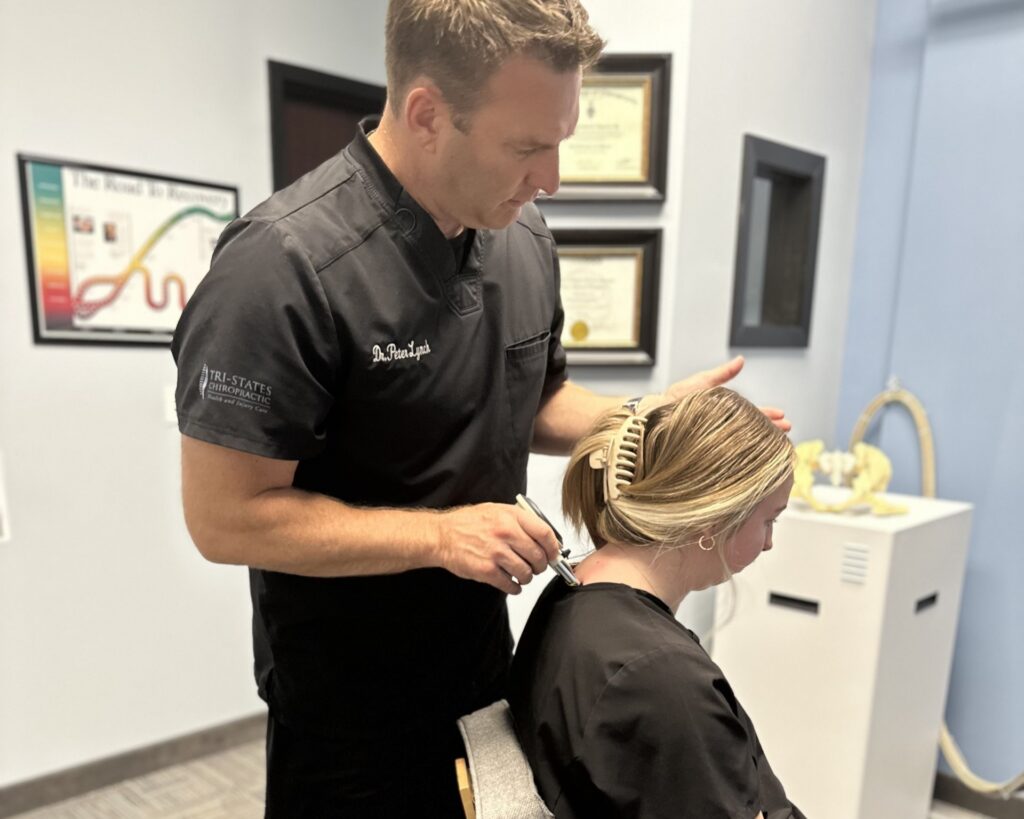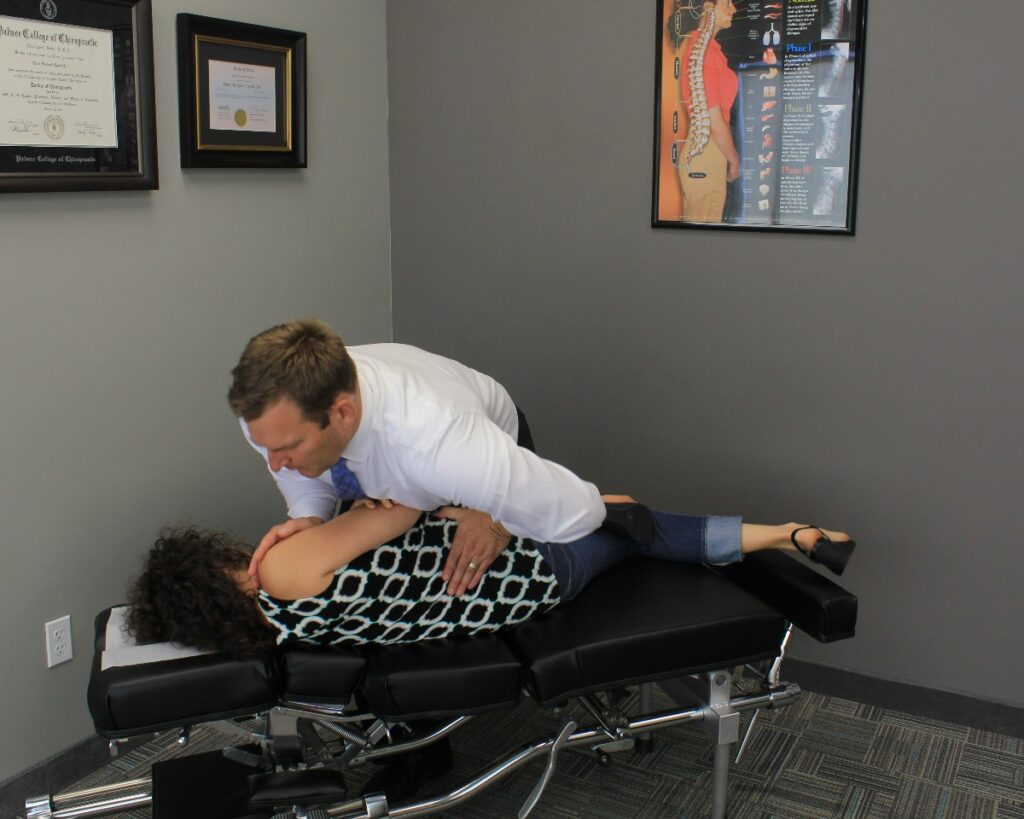
If you're experiencing lower back discomfort, you're certainly not alone. As a local chiropractor, I want to emphasize that managing this pain effectively can significantly enhance your overall quality of life. Often, simple adjustments to your daily routine—like maintaining proper posture and incorporating regular exercise—can lead to noticeable improvements. However, there's much more to relieving discomfort than just these fundamental practices.
It's essential to understand the right techniques and lifestyle choices that can help you confront your pain directly. For instance, chiropractic care focuses on the alignment of the spine and the musculoskeletal system, which can play a crucial role in alleviating lower back issues. By working together, we can explore specific strategies tailored to your needs, including spinal adjustments, targeted exercises, and education on body mechanics. Let's take a closer look at how these methods can bring you the relief you seek.
Maintain Good Posture
As a local chiropractor, I want to emphasize the importance of maintaining good posture for preventing and managing lower back discomfort. Proper posture aligns your body and helps distribute weight evenly, reducing unnecessary strain on your spine and muscles. Being mindful of your positioning throughout the day can make a significant difference in your overall well-being.
When seated, ensure that your feet are flat on the floor and your knees are at a right angle. It's crucial to use a chair that supports the natural curve of your lower back. If you find yourself needing extra support, consider adding a cushion. Remember to avoid slouching; keep your shoulders relaxed and your back straight.
If you work at a desk, adjusting your computer screen to eye level will help prevent unnecessary strain on your neck and back.
While standing, aim to distribute your weight evenly on both feet. Keep your shoulders back and your head aligned with your spine to maintain a healthy posture. Avoid locking your knees, as this can lead to discomfort; instead, engage your core muscles to support your lower back effectively.
Even while on the move, it's essential to maintain good posture. When lifting objects, always bend at your knees rather than your waist, and hold the item close to your body. This technique minimizes strain on your lower back and helps promote better body mechanics.
Incorporate Regular Exercise
As a local chiropractor, I want to emphasize the importance of regular exercise in managing lower back discomfort and promoting overall spinal health. Many people may not realize that engaging in physical activity can significantly strengthen the muscles that support your spine. When these muscles are strong, they improve stability and help reduce the risk of injury—something we often see in our practice.
It's essential to focus on exercises that enhance flexibility, strength, and endurance, as these components can alleviate tension and encourage better posture. I recommend starting with low-impact activities such as walking, swimming, or cycling. These exercises are gentle on your back while still providing excellent cardiovascular benefits.
Ideally, aim for at least 30 minutes of moderate activity on most days of the week, and remember, it's perfectly fine to break this down into shorter sessions if that feels more manageable for you.
In addition to general exercise, I encourage incorporating specific movements that target your core muscles. A strong core is vital as it helps support your spine and maintain proper alignment. Consider adding exercises such as planks, bridges, and pelvic tilts to your routine.
Stretching is also crucial; simple stretches like the cat-cow pose or knee-to-chest stretch can help improve flexibility and relieve muscle tension.
As you embark on your exercise journey, it's important to listen to your body. If you experience pain during any activity, be sure to stop and reassess. Gradually increase the intensity and duration of your workouts as your strength improves, and remember that consistency is key.
Making exercise a regular part of your lifestyle can greatly diminish lower back discomfort and contribute to long-term spinal health.
Use Proper Lifting Techniques
As your local chiropractor, I want to emphasize the importance of proper lifting techniques to protect your spine and overall health.
When you lift heavy objects, it's crucial to bend at your knees rather than your waist. This technique not only helps to maintain the natural alignment of your spine but also minimizes the risk of injury.
Additionally, keeping the load close to your body is vital. This practice significantly reduces the strain on your lower back, which is often the source of discomfort for many individuals.
By incorporating these simple yet effective lifting strategies into your routine, you can safeguard yourself from pain and injuries, allowing your body to function optimally.
Remember, taking care of your spine is essential for your overall well-being.
If you have any questions or would like to learn more about how to prevent injuries and promote natural healing, please feel free to reach out. Your health is our priority!
Bend at the Knees
As a local chiropractor, I want to emphasize the importance of using proper lifting techniques to prevent lower back discomfort, particularly by bending at the knees. This method isn't only effective but crucial for maintaining a healthy spine. When you bend at the knees, you lower your body while keeping your back straight, allowing the strong muscles in your legs to handle the load rather than straining your back.
Before you lift anything, it's important to stand close to the object you want to move. Position your feet shoulder-width apart; this provides a stable base. As you prepare to lift, bend your knees into a squat while keeping your torso upright. Grasp the object firmly, ensuring you have a secure grip. Engaging your core muscles will provide additional support as you prepare to lift.
When lifting, push through your heels and straighten your legs while keeping the object close to your body. It's essential to avoid twisting your torso during this process, as it can put unnecessary stress on your back. Instead, pivot your feet to change direction.
Keep Load Close
As a local chiropractor, I want to emphasize the importance of keeping the load close to your body when lifting. This is a crucial aspect of maintaining proper lifting techniques, and it can significantly impact your spinal health and overall stability.
By positioning the load near your center of gravity, you can minimize the strain on your back, which is key to preventing discomfort and injuries.
Here are some important tips to keep in mind while lifting:
- Stand close: Before lifting, make sure you're as close to the object as possible. This reduces the strain on your back.
- Use your legs: When lifting, engage your leg muscles rather than relying solely on your back. This technique not only protects your spine but also promotes better posture.
- Keep the load balanced: Ensure that the weight of the object is distributed evenly. This helps you maintain control and reduces the risk of injury.
- Avoid twisting: If you need to change direction, move your feet instead of twisting your torso. Twisting can put unnecessary pressure on your spine, leading to discomfort.
By following these guidelines, you can support your back health and reduce the risk of injury.
If you have any questions about lifting techniques or how to care for your spine, feel free to reach out for more information!
Invest in Ergonomic Support
As a local chiropractor, I often see patients struggling with lower back discomfort, and one of the most effective ways to alleviate this pain is by investing in ergonomic support within your workspace. If you spend long hours at a desk, it's crucial to have furniture that not only promotes good posture but also helps reduce strain on your back.
First and foremost, I recommend selecting a chair that provides adequate lumbar support. Look for chairs with adjustable features, such as seat height and backrest angle, which allow you to customize the fit to your body. This small change can make a world of difference in your comfort levels throughout the day.
Your desk setup is equally important. Ensure that your monitor is positioned at eye level to avoid hunching, which can lead to increased tension in your lower back. If you're working on a laptop, consider using a stand along with an external keyboard and mouse to achieve the proper height. This adjustment can significantly enhance your posture and overall comfort as you work.
Don't underestimate the value of using a supportive keyboard and mouse. Ergonomic designs can help reduce wrist strain and encourage proper hand positioning, which in turn benefits your back.
Additionally, incorporating a footrest can help maintain a comfortable position for your legs, providing further support for your spine.
Lastly, think about investing in a sit-stand desk. Alternating between sitting and standing while you work can help distribute your body weight more evenly, reducing pressure on your lower back.
By making these thoughtful adjustments to your workspace, you can create an environment that not only supports your back but also enhances your productivity and overall well-being.
As your chiropractor, my goal is to help educate you on the importance of these ergonomic practices. They're essential steps toward achieving better spinal health and overall wellness.
Stretch and Strengthen
As a local chiropractor, I understand that many of you may be new to the concepts of chiropractic care and natural healing. One effective way to manage lower back discomfort is by creating an ergonomic workspace, but it's equally important to incorporate regular stretching and strengthening exercises into your daily routine.
These practices can significantly enhance your efforts in alleviating discomfort and supporting your overall spinal health. Engaging in stretching and strengthening activities not only improves flexibility but also strengthens your core muscles and relieves tension in your lower back.
Dedicating just a few minutes each day to these exercises can lead to noticeable reductions in discomfort and promote a healthier spine.
Here are some simple yet effective stretches and strengthening exercises that I recommend for you to integrate into your routine:
- Cat-Cow Stretch: This gentle movement helps warm up your spine and relieve tension. While on your hands and knees, alternate between arching your back (like a cat) and rounding it (like a cow).
- Child's Pose: A wonderful restorative pose that stretches your lower back and hips. Begin by kneeling on the floor, sitting back on your heels, and reaching your arms forward while lowering your torso.
- Planks: To strengthen your core and back, hold a plank position. Start with 20-30 seconds, ensuring that your body forms a straight line from head to heels.
- Pelvic Tilts: Lie on your back with your knees bent. Gently tilt your pelvis upward, flattening your lower back against the floor. Hold this position for a few seconds before releasing.
Incorporating these exercises into your daily routine empowers you to take control of your lower back health. Remember to listen to your body as you start slowly, gradually building your strength and flexibility over time.
If you have any questions or need guidance, feel free to reach out. I'm here to help you on your journey to better health!
Apply Heat or Cold Therapy
As a local chiropractor, I often see patients struggling with lower back discomfort, and I want to share how applying heat or cold therapy can make a significant difference in your pain management journey. Each method has its unique benefits, and understanding when to use which can lead to effective relief.
If you're experiencing muscle spasms or acute pain, cold therapy is likely your best option. Utilizing ice packs or cold compresses can help reduce inflammation and numb the affected area, effectively addressing immediate pain.
When applying cold therapy, remember to wrap the ice in a cloth to safeguard your skin, and aim for sessions of about 15-20 minutes at a time. You can repeat this process every few hours as necessary to keep inflammation at bay.
Conversely, if your discomfort is due to stiffness or chronic pain, heat therapy could be incredibly beneficial. Options such as a heating pad, warm towel, or even a soothing hot bath can aid in relaxing tight muscles and enhancing blood circulation in your lower back.
I recommend applying heat for about 15-30 minutes, ensuring it's comfortably warm to avoid burns.
You might also find it helpful to alternate between heat and cold therapy. This combination can promote blood flow and alleviate muscle tension, providing a more holistic approach to pain management.
Always listen to your body and determine what feels best for you. Remember, chiropractic care is here to support your journey towards natural healing and overall well-being.
Stay Hydrated and Nourished
As a local chiropractor, I want to emphasize the importance of staying hydrated and nourished for your overall health, especially when it comes to alleviating lower back discomfort.
Many of my patients may not realize how crucial proper hydration and a balanced diet are in supporting muscle function and reducing inflammation.
When you drink enough water and consume nutrient-rich foods, you provide your body with what it needs to heal and function optimally.
By making hydration and nutrition a priority, you can significantly reduce the strain on your back and enhance the effectiveness of your chiropractic care.
Importance of Hydration
As a local chiropractor, I want to emphasize the crucial role hydration plays in alleviating lower back discomfort. Proper hydration is vital for your overall bodily function and is particularly important for the health of your intervertebral discs.
When you're well-hydrated, these discs can effectively absorb nutrients and maintain the moisture they need to remain flexible and cushion your spine during movement. Conversely, dehydration can lead to stiffness and heightened pain, exacerbating any existing lower back issues you may have.
To help you stay properly hydrated, here are some practical tips:
- Drink water regularly: Aiming for at least eight 8-ounce glasses a day is a good starting point, but feel free to adjust this based on your activity levels and the climate you're in.
- Listen to your body: Your thirst is a natural signal that your body needs more fluids, so it's important to pay attention to it.
- Limit caffeine and alcohol: These beverages can lead to dehydration, so consuming them in moderation is advisable.
- Incorporate hydrating foods: Including foods with high water content, like cucumbers and watermelon, can significantly contribute to your overall fluid intake.
By prioritizing hydration, you're not just supporting your spine; you're also enhancing your overall health and well-being.
If you have any questions about how hydration can benefit your specific situation, feel free to ask during your next visit!
Nutrient-Rich Foods
As a local chiropractor, I want to emphasize the importance of nutrition and hydration for maintaining a healthy spine and overall well-being. Eating a variety of nutrient-rich foods can significantly enhance your hydration levels while also supplying essential vitamins and minerals that are crucial for spine health.
Incorporating a colorful array of fruits and vegetables into your diet is key. These foods not only have high water content but are also packed with nutrients that support your body. For instance, watermelon, cucumbers, and oranges are fantastic choices. They help keep you hydrated and provide your body with vital vitamins and antioxidants.
Don't overlook the benefits of whole grains, lean proteins, and healthy fats. Including foods like quinoa, brown rice, fish, and nuts in your meals is beneficial for your overall health and can assist in reducing inflammation. Omega-3 fatty acids, which are found in fish, are particularly effective at alleviating pain and stiffness in the back.
Furthermore, magnesium-rich foods such as spinach, almonds, and black beans can play a significant role in helping to relax muscles and relieve tension in your lower back. I encourage you to create balanced meals that combine these nutrient-dense foods, as they can greatly improve your overall health and support your spine.
Lastly, it's essential to stay hydrated by drinking plenty of water throughout the day. Proper hydration aids digestion and helps maintain the elasticity of your spinal discs, which is vital for a healthy back.
Conclusion
As a local chiropractor, I want to share seven essential tips to help you manage lower back discomfort and enhance your overall well-being. First and foremost, maintaining good posture is crucial; it can significantly reduce strain on your spine. Staying active is also vital—engaging in regular physical activity keeps your muscles strong and supports your back.
When lifting objects, always use proper techniques to avoid injury. Additionally, investing in ergonomic support, such as chairs and cushions designed for spinal health, can make a world of difference. Incorporating stretching into your daily routine helps maintain flexibility and reduce tension in your back muscles.
For quick relief from discomfort, consider applying heat or cold therapy. Heat can soothe tight muscles, while cold can reduce inflammation. Staying hydrated and nourishing your body with healthy foods is essential for keeping your spine in optimal condition.
Lastly, don't underestimate the importance of prioritizing your health and managing stress effectively. By adopting these practices, you can cultivate a stronger and more resilient back. Remember, chiropractic care is here to support you on your journey to better health and wellness.