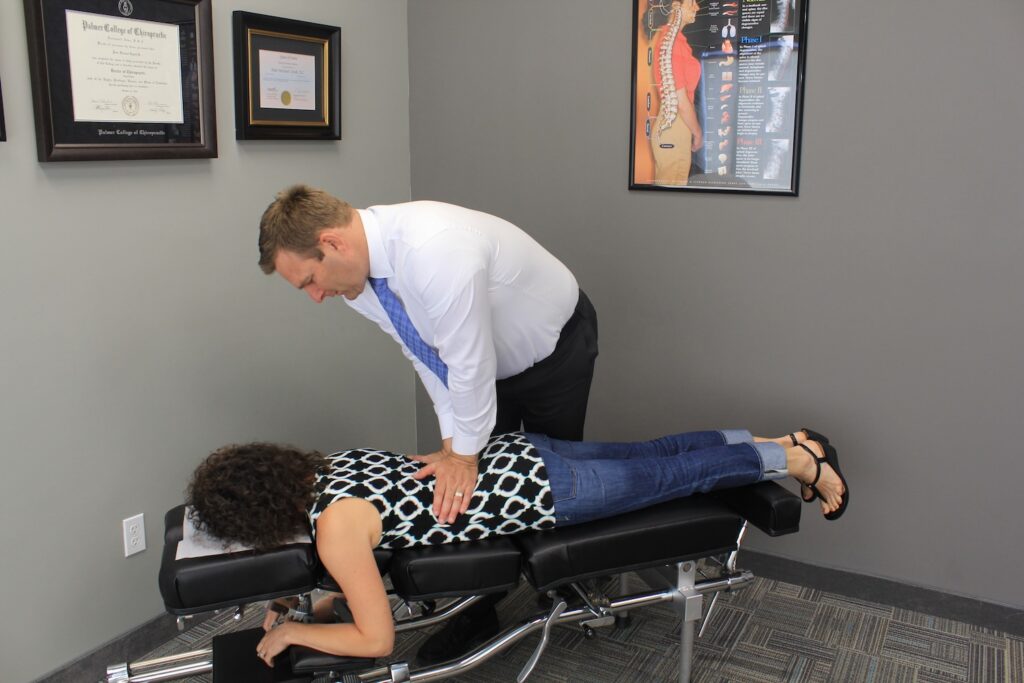
As a local chiropractor, I understand that many of you have likely experienced sports-related back pain at some point in your athletic journey. Finding relief can often feel daunting, but I want to assure you that there are effective, natural strategies we can employ together.
A holistic approach—incorporating stretching, strengthening exercises, and therapeutic interventions—can significantly alleviate your discomfort and promote healing. You might be surprised to learn how simple adjustments to your daily routine can enhance your recovery and prevent future issues.
As we work together, I encourage you to reflect on your current approach to back health. There may be valuable insights and techniques that you have yet to explore.
By focusing on your body's needs during and after your activities, we can uncover more effective ways to support your well-being and optimize your performance. Let's take this journey together toward a healthier, pain-free back!
Understanding Sports-Related Back Pain
As a local chiropractor, I often see athletes struggling with sports-related back pain, a common issue that can affect anyone, from casual weekend players to dedicated professionals. Understanding the underlying causes of this discomfort is key to managing and alleviating it effectively.
Many times, back pain arises from a mix of factors such as poor posture, muscle imbalances, and improper lifting techniques. These issues can sneak up on you, leading to pain that disrupts your performance. One significant contributor to back pain is overuse. When you push your body too hard without allowing for proper recovery, you can strain the muscles and ligaments that support your spine. Additionally, repetitive motions—like swinging a racket or throwing a ball—can create chronic strain, further contributing to back discomfort.
It's also important to recognize that sudden injuries can lead to acute back pain. An awkward twist or a fall during play can result in immediate pain, which you should never ignore. Listening to your body is crucial; ignoring discomfort can lead to more severe issues and longer recovery times.
Moreover, the strength of your core plays a pivotal role in supporting your spine. If your core is weak, it can increase the risk of injury during physical activities. To help protect your back, I encourage incorporating exercises that strengthen your core into your routine.
Importance of Proper Warm-Up
As a local chiropractor, I want to emphasize the importance of a proper warm-up for enhancing your physical performance and preventing injuries, particularly when it comes to back pain. Engaging in a thorough warm-up routine is crucial for preparing your body for the demands of any sport or physical activity. It increases blood flow to your muscles and enhances flexibility, which can significantly reduce the risk of strains and sprains, especially in the lower back, an area where many individuals experience discomfort.
When you take the time to warm up, you activate your core muscles, which are essential for supporting your spine. By focusing on strengthening your core, you create stability that can help alleviate the stress placed on your back during intense activities. I recommend incorporating dynamic movements that simulate the actions of your sport. This allows your body to adapt and respond more effectively, ultimately improving your performance and reducing the likelihood of injury.
I understand that skipping a warm-up may seem convenient, especially when you're pressed for time. However, this decision can lead to serious consequences, including a higher susceptibility to injuries that may sideline you for weeks or even months. Instead, I encourage you to take those extra minutes to perform a proper warm-up routine. This should include light aerobic activity followed by drills specific to your sport.
Stretching Techniques for Relief
As a local chiropractor, I'm here to share some effective stretching techniques that can truly help alleviate back pain and promote overall wellness. Incorporating these stretches into your daily routine can be transformative, enhancing flexibility and increasing blood flow to your muscles, which in turn helps relieve tension and discomfort.
Let's start with some gentle stretches that specifically target your back, hips, and hamstrings. One of my favorites is the cat-cow stretch. To perform this, get down on all fours. Begin by arching your back upwards like a cat, then gently lower your belly while lifting your head and tailbone. This movement is fantastic for mobilizing the spine and can be repeated several times to feel the benefits.
Another stretch I highly recommend is the child's pose. Kneel on the floor, sit back on your heels, and extend your arms forward on the ground. This position effectively lengthens the spine and helps to reduce stress. Aim to hold this stretch for at least 20-30 seconds while focusing on your breath to enhance relaxation.
You might also find relief from the standing forward bend. Stand tall, then slowly hinge at your hips, allowing your upper body to hang toward the floor. This stretch is beneficial for both the hamstrings and the lower back. Remember to avoid bouncing; instead, let gravity do its work as you deepen the stretch.
Lastly, consider incorporating the seated spinal twist into your routine. Sit with your legs extended in front of you, bend your right knee, and place your foot outside your left thigh. Gently twist your torso to the right, using your left elbow against your knee for support. This stretch promotes spinal mobility and can significantly alleviate lower back pain.
Strengthening Exercises to Prevent Pain
As a local chiropractor, I want to emphasize the importance of strengthening exercises in preventing back pain and enhancing your overall stability. Many people may not realize that focusing on core strength not only protects your back but also improves your athletic performance. A robust core provides support to your spine, which can significantly reduce the risk of injury during sports activities.
I recommend starting with foundational exercises like planks and bridges. These movements effectively target your abdominal muscles and lower back, establishing a solid base for your body. To perform a plank, begin by lying face down. Then, lift your body off the ground, balancing on your forearms and toes. Ensure your body forms a straight line; hold this position for 30 seconds, gradually increasing the duration as your strength improves. For bridges, lie on your back with your knees bent, then lift your hips towards the ceiling, squeezing your glutes at the top, before lowering back down. Aim for three sets of 10 to 15 repetitions to build strength.
Don't overlook the importance of your glutes and legs! Incorporating exercises like squats and lunges will further enhance your stability. When performing squats, keep your feet shoulder-width apart and lower your hips as if you are sitting back into a chair. For lunges, step forward with one leg, lowering your hips until both knees are bent at a 90-degree angle.
If you're ready for an added challenge, consider incorporating resistance bands or weights into your routine. By consistently integrating these strengthening exercises, you can build resilience against back pain and enjoy a more active and fulfilling sports experience.
As your chiropractor, I encourage you to make these exercises a part of your routine to support your overall health and well-being. If you have any questions or need guidance on how to perform these exercises correctly, don't hesitate to reach out!
Ergonomic Practices in Sports
As a local chiropractor, I want to share some insights on how applying ergonomic practices in sports can significantly aid in preventing injuries and improving your overall performance. Understanding the relationship between your body, your equipment, and your playing environment is crucial. Here are three essential ergonomic practices that I encourage you to consider:
- Proper Equipment Fit: It's vital to ensure that your sports gear is tailored to your specific body size and shape. Whether you're cycling, running, or using protective pads, having the right fit can greatly alleviate strain on your back and joints. For example, adjusting your bike seat to the correct height will help maintain a straight back while pedaling, which can prevent discomfort and injury.
- Body Mechanics: I cannot stress enough how important it is to be aware of your body mechanics during physical activities. Always use your legs to lift heavy objects rather than putting undue stress on your back. Be conscious of your posture; keeping a straight spine and engaging your core while performing activities can help distribute the load evenly across your body, significantly reducing the risk of injury.
- Rest and Recovery: As a chiropractor, I see many patients who underestimate the value of rest. Allowing your body adequate recovery time is essential for your muscles and joints to repair and adapt, ultimately reducing the risk of overuse injuries. Pay attention to your body's signals; if you're feeling fatigued, it's important to take a break to avoid straining your back or other areas.
Therapeutic Interventions and Treatments
As a local chiropractor, I want to share how effective therapeutic interventions and treatments can significantly help alleviate sports-related back pain. If you're experiencing discomfort, it's crucial to explore various natural options tailored to your specific needs.
One of the most beneficial approaches is chiropractic care. My focus is on spinal adjustments that can improve your alignment and reduce tension in your back. By regularly visiting a chiropractor, you can restore mobility, enhance your overall spinal health, and promote natural healing within your body.
In addition to chiropractic adjustments, physical therapy can be an excellent complement to your treatment. Physical therapists work on strengthening your core muscles and improving your flexibility through targeted exercises. These exercises not only help relieve pain but also play an essential role in preventing future injuries.
I also encourage incorporating massage therapy into your wellness routine. A skilled massage can alleviate muscle tightness, increase blood circulation, and provide you with immediate relief from pain, allowing you to feel more comfortable and relaxed.
Another simple yet effective method is heat or cold therapy. Applying a heat pack can help relax tight muscles, while cold packs can reduce inflammation and numb pain. Utilizing these techniques can be a great addition to your recovery plan.
If your pain persists, it's always wise to consult with a healthcare professional about medication options. While over-the-counter pain relievers can provide temporary relief, they should be used cautiously. In certain cases, your doctor might suggest stronger prescription medications or corticosteroid injections for severe pain management.
Lastly, I cannot stress enough how important rest is for your recovery. Giving your body the time it needs to heal is crucial, especially as you prepare to return to your sport. By addressing your back pain with these natural therapeutic interventions, you can regain your strength and continue enjoying the activities that you love. Remember, your health is a journey, and I'm here to support you every step of the way.
Tips for Long-Term Back Health
As a local chiropractor, I want to emphasize the importance of maintaining long-term back health, not just treating pain when it surfaces. By embracing proactive habits, you can prevent injuries and ensure your spine remains strong and flexible for years to come. Here are some essential tips I recommend to my patients:
- Strengthen Your Core: Your core plays a crucial role in supporting your spine and distributing weight evenly across your body. Engaging in exercises like planks, bridges, and targeted abdominal workouts can significantly enhance your core strength. I suggest incorporating at least two core workouts into your routine each week to reinforce your back health.
- Practice Good Posture: Many of my patients are surprised to learn how much poor posture can contribute to back pain over time. Whether you're sitting or standing, it's vital to keep your shoulders back and your spine aligned. If you spend long hours at a desk, consider investing in ergonomic furniture, and don't forget to take breaks to stretch and adjust your position. This simple adjustment can make a big difference in your comfort.
- Stay Active: Regular physical activity is not just beneficial for overall health; it's essential for your back as well. I recommend a balanced mix of aerobic exercises, strength training, and flexibility work. Gentle activities like swimming, yoga, and cycling can enhance your overall fitness while being easy on your back. Aim for at least 150 minutes of moderate exercise each week to keep your body moving and your back healthy.
Conclusion
As a local chiropractor, I want to emphasize the importance of taking a proactive approach to sports-related back pain. Many athletes, both amateur and professional, can benefit from understanding how to care for their backs naturally. One of the first steps is incorporating proper warm-ups before engaging in any physical activity. This not only prepares your muscles but also helps prevent injuries.
Effective stretching and strengthening exercises are crucial components of your routine. These practices can alleviate discomfort and enhance your overall performance. Additionally, I encourage you to consider the significance of ergonomic practices in your daily life. Whether you're training or simply going about your day, being mindful of your posture can make a significant difference.
Therapeutic interventions, such as chiropractic care, can also play a vital role in your recovery. We focus on natural healing techniques that address the root cause of your pain rather than just masking the symptoms. By prioritizing these strategies, you can promote long-term back health and enjoy a more fulfilling athletic experience.
Remember, staying informed and proactive about your spine health is key to achieving a pain-free lifestyle. Don't hesitate to reach out and learn more about how chiropractic care can support you in your journey toward optimal performance and wellness.