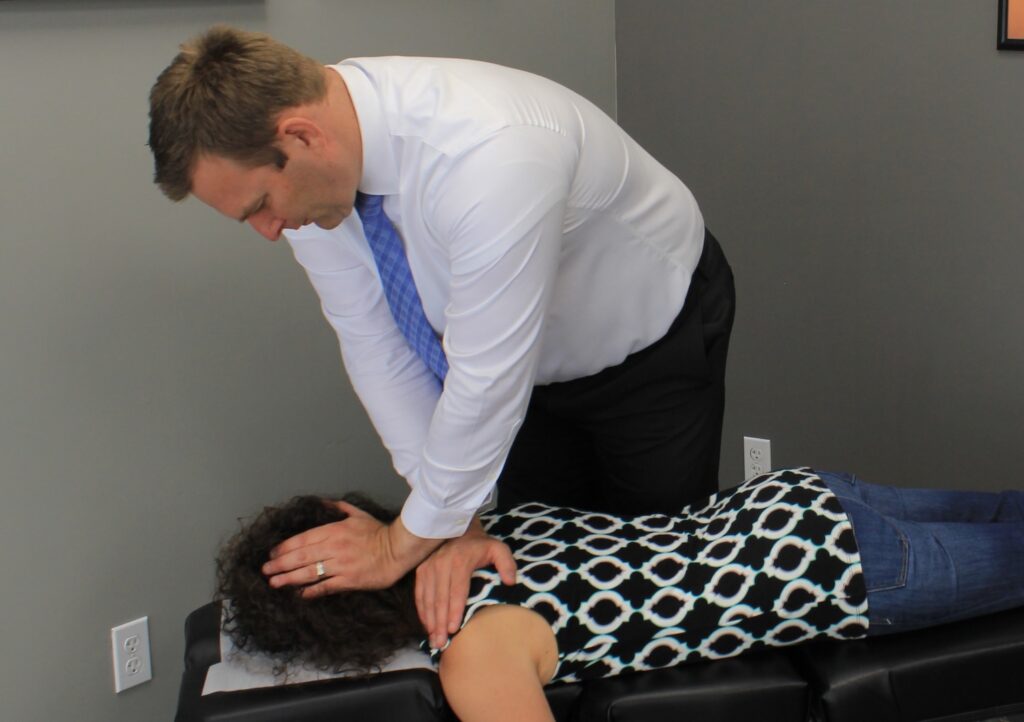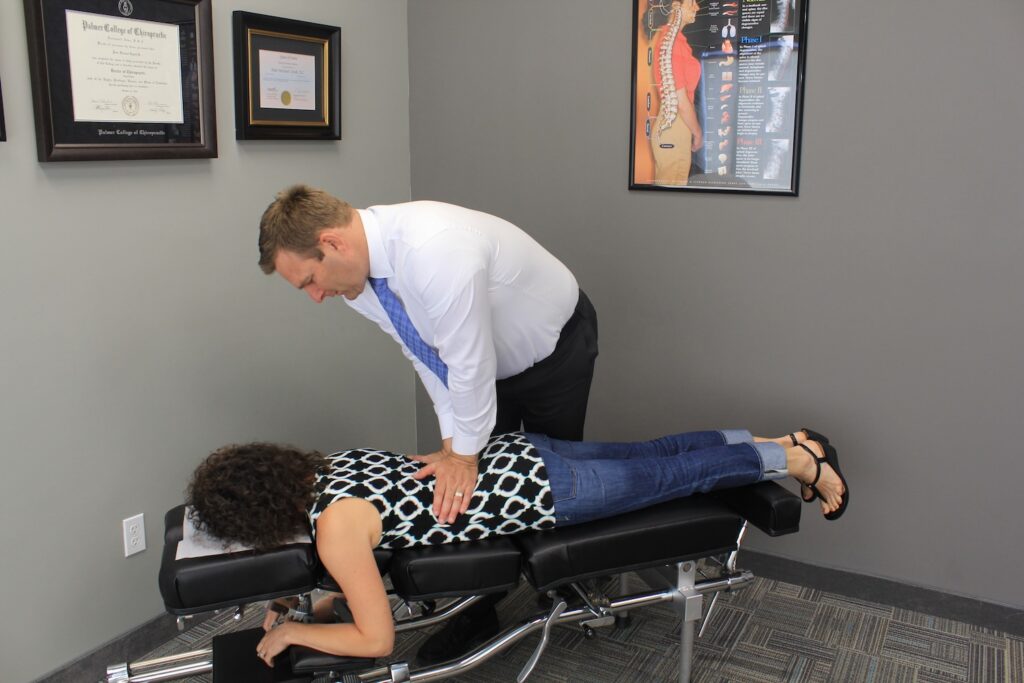
When it comes to recovering from sports injuries, many people may not immediately consider chiropractic care, but it can play a crucial role in your healing journey.
As a local chiropractor, I want to share how techniques such as spinal manipulation and Active Release Technique (ART) can provide significant benefits. These methods not only help alleviate pain but also enhance your mobility, allowing for a smoother recovery.
By integrating chiropractic techniques with targeted exercises, we can work together to optimize your recovery time and improve your overall performance.
If you're curious about which specific chiropractic approaches might be most effective for your particular situation, I'm here to help tailor a plan that meets your unique needs.
Let's delve into the details and explore how chiropractic care can support your path to recovery.
Understanding Sports Injuries
As a local chiropractor, I want to take a moment to educate you about sports injuries and the importance of understanding them for your recovery and prevention. Sports injuries can manifest in various ways, including sprains, strains, fractures, and tendonitis. Each type of injury requires a different approach for effective healing, and being informed can make a significant difference in your recovery journey.
When we engage in physical activities, our bodies undergo stress, which can lead to overuse injuries or trauma. For instance, sprains occur when ligaments—those fibrous tissues connecting bones—are overstretched or torn. Strains, on the other hand, affect muscles or tendons and can also result in pain, swelling, and restricted movement.
Fractures, which are breaks in the bone, often necessitate more intensive treatment and can arise from sudden impacts, falls, or repetitive stress. Meanwhile, tendonitis is marked by inflammation of the tendons and is frequently seen in athletes due to repetitive motions. Recognizing the early signs of these injuries is crucial, as it allows you to address them promptly and avoid further complications.
Several factors can contribute to the risk of sports injuries. Poor conditioning, improper technique, and inadequate warm-up routines can all elevate your chances of injury. Additionally, wearing inappropriate footwear or neglecting to use the right equipment can lead to problems. As your chiropractor, I emphasize the importance of being aware of your body's limits to prevent overexertion.
If you experience pain or discomfort, I encourage you to consult with a healthcare professional, such as myself. We can provide a thorough assessment, an accurate diagnosis, and a tailored treatment plan that promotes natural healing. Understanding sports injuries and how chiropractic care can support your recovery empowers you to take control of your health, enhance your performance, and continue enjoying your favorite activities safely. Remember, staying active is essential, and with the right knowledge and support, you can do so with confidence.
Benefits of Chiropractic Care
As a local chiropractor, I often encounter individuals who are unfamiliar with how chiropractic care can significantly enhance recovery from sports injuries. Allow me to share some insights into how our services can help you bounce back more effectively and efficiently.
One of the most immediate benefits of chiropractic care is pain relief. Through gentle, manual adjustments, I can realign your spine and joints, which alleviates the discomfort and tension that often accompany injuries. This relief not only helps you feel better but also lays a foundation for a more active recovery process.
Another key advantage of chiropractic care is improved mobility. After an injury, many people experience stiffness that can limit their range of motion. My goal is to help restore proper movement patterns, enabling you to regain flexibility and strength more quickly. This increased mobility not only supports your recovery but also plays a crucial role in preventing future injuries.
Furthermore, chiropractic care enhances blood circulation. Improved circulation is vital as it helps deliver essential nutrients and oxygen to the injured areas, speeding up the healing process. This increased blood flow can also assist in reducing inflammation and shortening your overall recovery time.
In addition to addressing immediate injuries, chiropractic care takes a holistic approach to wellness. During your visits, I will assess your overall physical health and may recommend personalized lifestyle changes, exercises, or stretches tailored to your specific needs. This comprehensive approach not only targets your current injury but also promotes long-term health, making you less susceptible to future issues.
Lastly, regular chiropractic visits can elevate your overall athletic performance. By maintaining optimal alignment and function, you'll be able to perform at your best, whether you're on the field, court, or track. If you're dealing with a sports injury, I encourage you to consider chiropractic care as an essential part of your recovery journey. Together, we can work towards not only healing but thriving in your athletic pursuits.
Common Chiropractic Techniques
As a local chiropractor dedicated to helping our community, I want to share some insights about how chiropractic techniques can significantly aid in recovering from sports injuries. One of the most effective methods we use is spinal manipulation, which helps to realign the body's structure and alleviate pain. This technique can enhance your overall mobility and function, making it easier for you to return to the activities you love.
Another valuable approach is the Active Release Technique, which targets and releases tension in muscles and soft tissues. This method can be particularly beneficial for athletes, as it addresses specific areas of discomfort and helps improve flexibility and performance.
Spinal Manipulation Benefits
As a local chiropractor, I want to share with you the incredible benefits of spinal manipulation, particularly for athletes who are recovering from injuries. Many people may not be familiar with how this technique works, but it plays a crucial role in addressing misalignments in the spine and enhancing your overall bodily function.
When we realign the spine through spinal manipulation, we can significantly boost your body's natural ability to heal itself. This often leads to a reduction in pain, allowing you to start your rehabilitation exercises sooner and with more comfort, which is essential for a successful recovery.
Furthermore, spinal manipulation promotes better circulation throughout your body. This means that oxygen and nutrients can reach your damaged tissues more effectively, potentially speeding up your recovery time. You might find that you can return to your sport feeling stronger and more capable than before.
In addition to these physical benefits, spinal manipulation can improve your range of motion and flexibility. This is vital for preventing future injuries, as a well-aligned spine allows for better movement mechanics.
Another key advantage of chiropractic care is its positive effect on your nervous system. Proper spinal alignment optimizes nerve function, which is essential for muscle control and coordination. As your strength and stability improve, you'll likely notice enhancements in your athletic performance as well.
Lastly, I want to emphasize how spinal manipulation can help alleviate stress and tension within your body. This can lead to a more focused mindset, which is invaluable during your recovery journey. Incorporating spinal manipulation into your recovery plan can truly be a transformative experience, helping you bounce back stronger and more resilient than ever. If you have any questions or would like to learn more about how chiropractic care can help you, please don't hesitate to reach out!
#
Active Release Technique
As your local chiropractor, I'm excited to share with you one of the valuable techniques we use in our practice: the Active Release Technique (ART). This method is particularly effective for addressing soft tissue injuries, such as muscle strains, tendonitis, and even scar tissue. By combining targeted pressure with specific movements, ART helps release tension and restore normal function to the affected areas of your body.
When you come in for an ART session, I'll start by assessing your range of motion and pinpointing any restrictions you may have. During the session, I will apply pressure to the affected muscle or tissue while guiding you through a series of movements. This active participation is essential as it helps break down adhesions and promotes healing.
One of the standout features of ART is its versatility. It can be adapted to suit various sports and injuries, making it an excellent option whether you're an athlete dealing with repetitive strain or recovering from an acute injury. The goal is to help you regain your strength and flexibility, allowing you to return to your activities with confidence.
Incorporating ART into your recovery plan not only accelerates the healing process but also helps prevent future injuries by addressing the root causes of your discomfort. If you're committed to getting back into your sport or simply want to improve your overall well-being, I encourage you to discuss the Active Release Technique during your next visit. Together, we can enhance your recovery and keep you moving towards your goals.
## Active Release Technique
As a local chiropractor, I want to introduce you to the Active Release Technique (ART), a highly effective method for addressing sports injuries and enhancing overall well-being. Many people may not be familiar with how chiropractic care can play a vital role in natural healing, so let me explain how ART works and how it can benefit you.
ART is a hands-on therapy that specifically targets muscle and soft tissue dysfunctions that often lead to pain and restricted movement. When you come in for an ART session, I will work closely with you to identify and correct the underlying issues that may be causing your discomfort. Through precise and targeted pressure, we aim to break up adhesions in your muscles and connective tissues, allowing them to function at their best.
During your ART session, I will assess your movement patterns and pinpoint areas of tightness or restriction. This is a collaborative process, and I'll ask you to actively participate by moving through various ranges of motion while I apply pressure. This dynamic interaction not only helps release tension but also improves blood circulation and promotes healing in any injured areas.
Whether you're struggling with a pulled muscle, tendonitis, or any other sports-related injury, ART is specifically designed to address these concerns effectively. Many athletes have found that incorporating this technique into their recovery routine not only aids in healing but also enhances their overall performance by improving flexibility and reducing the risk of future injuries.
If you're looking to recover quickly and get back to your favorite sport with confidence, I encourage you to consider ART as part of your recovery plan. By working together, we can create a customized treatment approach tailored to your specific needs. You'll likely notice significant improvements in your body's function and comfort, making ART an essential tool for anyone serious about their recovery and well-being.
Graston Technique
As a local chiropractor, I want to take a moment to introduce you to a remarkable healing technique that can significantly aid in your recovery from sports injuries: the Graston Technique. This innovative approach focuses on addressing soft tissue dysfunction and is a valuable tool in natural healing.
The Graston Technique utilizes specially designed stainless steel instruments to help detect and treat areas affected by scar tissue and fascial restrictions. By applying these tools to the injured areas, we can enhance your recovery process in a meaningful way.
How does it work, you might ask? Well, during your treatment sessions, I will carefully glide these instruments over your skin, using varying levels of pressure to target specific areas. This action helps break down the collagen cross-links that form in scar tissue, which in turn promotes increased blood flow and accelerates the healing process. While you may experience some discomfort, it's important to understand that this sensation indicates the technique is effectively releasing tension and restoring your body's natural movement.
One of the wonderful aspects of the Graston Technique is its versatility. It's effective for a wide range of injuries, including muscle strains, ligament sprains, and tendonitis. Many athletes who incorporate Graston into their rehabilitation programs report quicker recovery times, making it a fantastic addition to other therapies such as Active Release Technique and physical therapy.
After just a few sessions, you may notice improvements in your range of motion and a reduction in pain. As we embark on this journey together, I encourage open communication. Please feel free to discuss your specific goals and any concerns you may have. With commitment to the Graston Technique and your overall healing, you'll find yourself returning to your favorite activities stronger and more resilient than ever before.
Rehabilitation and Preventive Strategies
As your local chiropractor, I'm here to help you understand the importance of active rehabilitation techniques in your journey to recover from sports injuries. These methods are essential for regaining your strength and mobility after an injury. Additionally, it's crucial to implement injury prevention strategies to protect yourself from future setbacks.
Active Rehabilitation Techniques
As a local chiropractor dedicated to helping athletes recover from sports injuries, I want to emphasize the importance of active rehabilitation techniques in your healing journey. These methods are crucial for regaining strength and mobility, and they also play a key role in preventing future injuries. Unlike passive treatments, which may involve simply resting or receiving adjustments, active rehabilitation requires your participation through purposeful movements and exercises that foster healing and functional improvement.
To begin, consider engaging in low-impact activities such as swimming or cycling. These exercises can help you build cardiovascular fitness without placing undue stress on your injury. As you progress, we can introduce tailored strength training exercises that focus on the affected area while ensuring you maintain proper form. This approach not only aids in muscle repair but also enhances your overall stability, which is vital for a successful recovery.
Additionally, incorporating flexibility and balance exercises into your routine is essential. Stretching can significantly improve your range of motion, while balance drills will help you regain coordination and confidence in your movements. Consistency is key; I encourage you to practice these active techniques regularly for optimal results.
I recommend consulting with me or your physical therapist to create a personalized rehabilitation program that aligns with your specific recovery goals. By actively engaging in your rehabilitation process, you'll not only pave the way for a stronger comeback but also reduce the risk of re-injury. Remember, your active participation is a vital component of your healing journey, and I'm here to support you every step of the way.
Injury Prevention Methods
As a local chiropractor dedicated to your well-being, I want to share some valuable insights on how to effectively prevent sports injuries through a holistic approach that combines rehabilitation and preventive strategies tailored to your unique needs.
First and foremost, it's crucial to evaluate your current physical condition. A thorough chiropractic assessment can help identify any imbalances or weaknesses in your body that may increase your risk of injury. Understanding your body's mechanics is the first step towards achieving optimal performance and safety in your chosen sport.
Incorporating regular flexibility and mobility exercises into your routine is vital. Stretching not only helps maintain a healthy range of motion but also significantly reduces the likelihood of strains and sprains. I recommend dedicating time for proper warm-up techniques before engaging in any physical activity. A well-executed warm-up prepares your muscles and joints, making them more resilient to the demands of your sport.
Additionally, I cannot stress enough the importance of using proper technique in all activities, whether you're running, cycling, or participating in team sports. Utilizing correct form minimizes unnecessary stress on your body and can prevent injuries. If you're unsure about your technique, consider working with a coach or trainer who can provide guidance and help you refine your skills.
Lastly, always listen to your body. If you experience any pain or discomfort, it's essential not to ignore it. Pushing through pain can lead to more severe injuries. Instead, address these issues promptly with proper rest, and don't hesitate to seek chiropractic care for effective relief.
Strengthening and Conditioning Programs
As a local chiropractor, I want to share the importance of a well-structured strengthening and conditioning program in enhancing your overall athletic performance and aiding in recovery. These programs are not just about building muscle; they play a crucial role in preventing future injuries by targeting specific muscle groups and improving your endurance, flexibility, and strength.
Let's explore three essential components to consider when developing your program:
- Core Stability Exercises: A strong core is vital for almost all athletic activities. By strengthening your core, you create a stable foundation that helps maintain balance and reduces unnecessary strain on your spine, which can help prevent injuries.
- Functional Strength Training: It's beneficial to incorporate exercises that mimic the movements of your sport. For instance, squats and lunges can enhance your muscle memory and improve your performance when it matters most during gameplay. This specificity is key to effective training.
- Aerobic Conditioning: Building your cardiovascular endurance through activities like running or cycling is essential. A solid aerobic base not only supports faster recovery but also enables you to perform at higher intensities for extended periods, which is crucial in any athletic endeavor.
Conclusion
As a local chiropractor, I want to share how incorporating chiropractic techniques into your recovery routine can significantly benefit your healing process from sports injuries. Many people aren't aware that chiropractic care focuses on realigning your body, addressing soft tissue issues, and enhancing your flexibility and strength. This approach not only helps you recover more quickly but also plays a crucial role in preventing future injuries.
By embracing these holistic methods, you can return to your favorite activities feeling stronger and more resilient. It's essential to prioritize your body's health now, as this lays the groundwork for long-term athletic performance. If you're curious about how chiropractic solutions can aid your recovery, I encourage you to explore these effective options with me. Your journey to better health starts here!