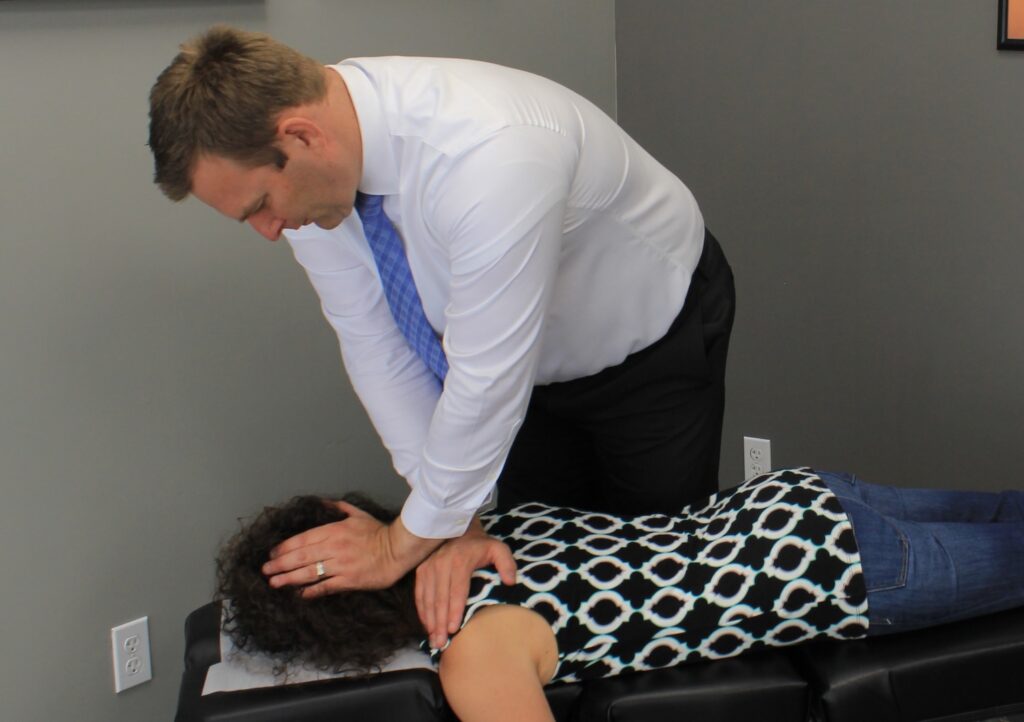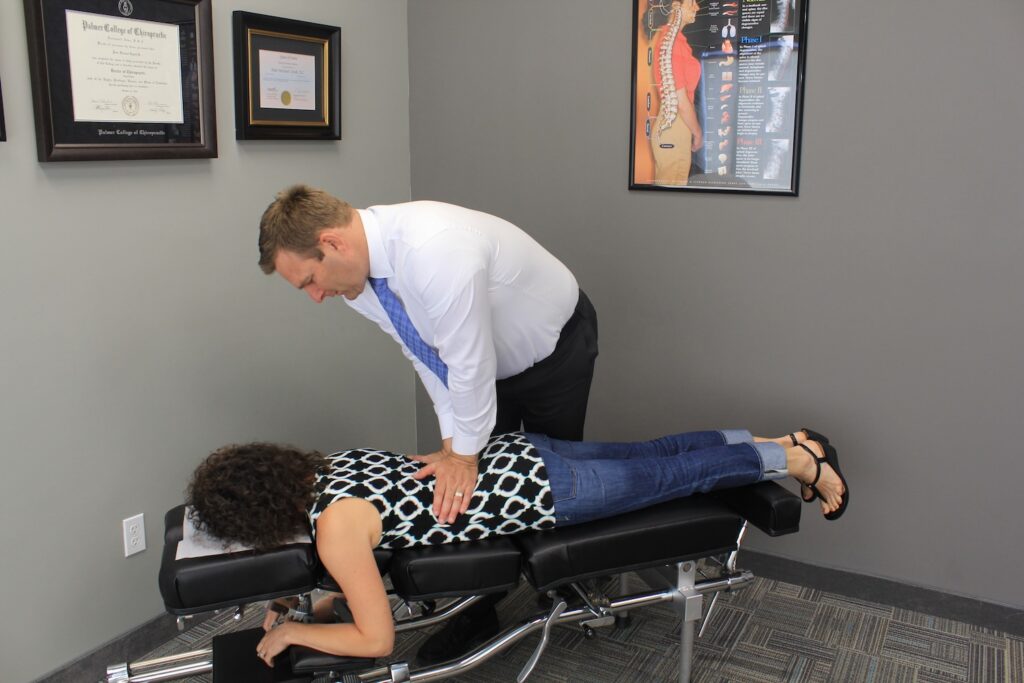
As a local chiropractor, I understand that dealing with a neck injury can be daunting. Many people find themselves overwhelmed by the various options available for relief. Chiropractic care is one of the most effective methods for addressing neck injuries, and I'm here to guide you through how it works and why it might be the best choice for you.
In addition to chiropractic adjustments, you might want to explore physical therapy, which can help strengthen the muscles around your neck and improve flexibility. Alternative treatments such as massage and yoga also offer unique benefits, promoting relaxation and enhancing your overall well-being.
The key to finding the right approach lies in understanding your individual needs and how these methods can work together. Chiropractic care not only alleviates pain but also focuses on promoting long-term neck health by addressing the root causes of your discomfort.
As we explore different techniques, you may discover effective solutions that not only relieve your pain but also support a healthier, more resilient neck. I'm here to help you navigate these options and find the best path to recovery.
Understanding Neck Injuries
As a local chiropractor, I want to help you understand neck injuries and the importance of recognizing their causes and symptoms for effective relief. Your neck is an intricate system composed of bones, muscles, nerves, and other tissues, all of which can be vulnerable to different types of injuries. These injuries often result from accidents, poor posture, or repetitive strain, and they commonly present as pain, stiffness, or a limited range of motion.
One prevalent cause of neck injuries that I often see in my practice is whiplash. This usually happens in car accidents when the head is suddenly thrown forward and then backward, leading to muscle strain and ligament damage. Symptoms can include not just neck pain but also headaches, dizziness, or tingling sensations in your arms. Another common issue is muscle strain, often stemming from poor ergonomics, especially if you spend long hours hunched over your computer or engaging in repetitive tasks. This can leave your neck feeling sore and fatigued.
It's crucial to identify these symptoms early. If you experience persistent neck pain, particularly if it's accompanied by numbness or weakness in your arms, I encourage you to consult with a healthcare professional like myself. Early intervention is key to preventing further complications. Moreover, understanding how your daily activities contribute to neck strain can empower you to make lifestyle changes that facilitate healing and help avert future injuries.
In my practice, I focus on natural healing techniques that can restore your neck's health and mobility. Together, we can develop a personalized plan that addresses your specific needs and promotes overall wellness.
Physical Therapy Techniques
As a local chiropractor, I want to help you understand how effective chiropractic care can be in relieving neck injuries and promoting overall wellness. Our approach emphasizes natural healing through techniques specifically designed to reduce pain, improve mobility, and support your body's innate ability to heal itself.
When you come to our clinic, we'll start with a thorough assessment of your condition to create a personalized care plan tailored to your unique needs. Here are some of the key chiropractic techniques you can expect during your treatment:
- Spinal Manipulation: This hands-on technique focuses on adjusting the spine to improve alignment, relieve pain, and enhance your range of motion. By addressing misalignments, we aim to alleviate tension and promote better circulation throughout your body.
- Soft Tissue Therapy: We often incorporate methods that target the soft tissues surrounding your spine and neck. Techniques such as myofascial release or massage can help reduce muscle tension, promote relaxation, and prepare your body for further healing.
- Patient Education and Postural Guidance: Understanding how to maintain proper posture and body mechanics is crucial for preventing future injuries. I will work with you to educate you on safe movement patterns and posture correction, which can significantly reduce strain on your neck.
Integrating these chiropractic techniques into your recovery plan can greatly enhance your healing journey. By actively participating in your care and following my recommendations, you'll be taking important steps toward regaining full function and comfort in your neck. Remember, consistency and commitment are essential, and with dedication, you can achieve lasting relief from your neck injury through natural healing.
Stretching and Strengthening Exercises
As a local chiropractor, I want to emphasize the importance of gentle neck stretches and strengthening exercises in alleviating neck injury pain. These practices are crucial in enhancing flexibility and building the supportive muscles around your neck. By integrating both stretching and strengthening into your routine, you not only promote healing but also reduce the risk of future injuries. Embracing these natural methods can significantly improve your overall neck health and well-being.
Gentle Neck Stretches
As a local chiropractor, I often see patients struggling with neck tension and discomfort. One effective way to alleviate these issues is through gentle neck stretches. Incorporating these stretches into your daily routine can significantly improve your neck's flexibility and help relieve tightness. Here are some simple stretches I recommend:
- Neck Tilts: Gradually tilt your head towards one shoulder, holding the position for 15-30 seconds before switching to the other side. This stretch helps target the muscles on the sides of your neck.
- Chin Tucks: While sitting or standing with your back straight, gently tuck your chin towards your chest. Hold for a few seconds before releasing. This exercise helps strengthen the muscles that support your neck.
- Shoulder Shrugs: Raise your shoulders up towards your ears, hold for a brief moment, and then relax them down. This stretch can relieve tension in your shoulders and upper back.
When performing these stretches, remember to move slowly and control your movements. Breathe deeply as you stretch to enhance relaxation and effectiveness. I recommend repeating each stretch a few times, and it's important to listen to your body—if you experience any discomfort, stop immediately.
Gentle neck stretches can play a vital role in regaining mobility and reducing discomfort, making them an integral part of your healing journey. However, I always advise consulting with a healthcare professional before starting any new exercise regimen, especially if you have existing injuries. With consistent practice, you can expect to see significant improvements in your neck's flexibility and overall comfort.
Strengthening Neck Muscles
As a local chiropractor, I want to emphasize the importance of strengthening the muscles in your neck for maintaining good posture and preventing discomfort. Many people are unaware of how vital these muscles are for overall spinal health, but incorporating specific exercises into your routine can build strength, improve stability, and significantly reduce the risk of injury.
Let's start with isometric exercises, which are a great way to engage your neck muscles without excessive movement. You can do this by pressing your forehead against your hands while resisting the pressure for about five seconds. Don't forget to repeat this by pressing your hands against the back of your head and each side. These simple exercises activate the muscles in your neck effectively.
Next, we have neck flexion and extension. Whether you're sitting or standing, start by gently lowering your chin to your chest and holding that position for a few seconds before returning to the starting position. For extension, tilt your head back slightly to look up at the ceiling, holding that for a few seconds as well. These movements help in maintaining flexibility and strength in your neck.
It's also essential to include lateral neck movements in your routine. Simply tilt your head toward one shoulder, hold for a few seconds, and then switch sides. This helps stretch the muscles on the sides of your neck, promoting balance and reducing tension.
Aim to incorporate these exercises into your routine two to three times a week. As you become more comfortable, gradually increase the number of repetitions. Always listen to your body, and if any movement causes pain, it's important to stop and consult with a healthcare professional. Strengthening your neck muscles can lead to better support for your spine and relief from discomfort, enhancing your overall well-being. Remember, chiropractic care can also complement these exercises by ensuring that your spine is properly aligned and functioning optimally.
Heat and Cold Therapy
As your local chiropractor, I want to share some valuable insights about managing neck injuries through natural healing methods, specifically heat and cold therapy. These therapies can significantly aid in your recovery journey.
Heat therapy is fantastic for relaxing tight muscles and increasing blood circulation, which can alleviate discomfort and promote healing. On the other hand, cold therapy is effective in reducing inflammation and numbing pain, providing quick relief when you're feeling uncomfortable.
Understanding how to properly utilize these therapies can greatly enhance your recovery process and support your overall well-being. If you have any questions or need guidance on how to implement these methods, don't hesitate to reach out. Your health is our priority!
Benefits of Heat Therapy
As a local chiropractor, I understand how frustrating neck injuries can be for my patients. One effective method I often recommend for relief is heat therapy. This natural approach can significantly reduce discomfort and help you regain mobility. When you apply heat to the affected area, it promotes increased blood flow, relaxes tight muscles, and alleviates pain. Here are some key benefits of using heat therapy for neck injuries that I want to share with you:
- Enhanced Blood Circulation: Heat therapy works by dilating blood vessels, which improves the delivery of oxygen and essential nutrients to the tissues in your neck. This increased circulation can accelerate the healing process.
- Muscle Relaxation: The warmth from heat therapy helps to ease muscle tension, making it easier for you to move your neck and reducing any stiffness you may be experiencing.
- Pain Relief: The soothing sensation of heat can effectively block pain signals, contributing to an overall sense of comfort and well-being.
Incorporating heat therapy into your routine is simple. You can use a heating pad, a warm towel, or a hot water bottle. I recommend applying heat for about 15-20 minutes at a time, allowing your skin to cool down between sessions. It's essential to monitor the temperature to avoid overheating, ensuring a safe and beneficial experience.
Advantages of Cold Therapy
As a local chiropractor, I want to share with you the benefits of cold therapy, especially when it comes to alleviating neck injuries. Applying ice or a cold pack to the affected area can be a highly effective way to reduce inflammation and numb pain. This approach is particularly advantageous right after an injury occurs, as it helps prevent swelling and limits the potential for further damage.
Cold therapy works by constricting blood vessels and decreasing metabolic activity in the area, which slows down the inflammatory process. If you're experiencing a sprain or strain, you may find that incorporating cold treatment can lead to quicker relief.
Additionally, cold therapy is fantastic for muscle soreness following physical activity. If you've pushed your limits, using a cold compress can help alleviate tightness and tension in your muscles. You can easily use ice packs, gel packs, or even frozen vegetables wrapped in a towel for a convenient option.
I recommend applying cold therapy for about 15-20 minutes at a time, ensuring you allow your skin to return to its normal temperature between sessions. It's important to never place ice directly on your skin to avoid the risk of frostbite. By incorporating cold therapy into your recovery routine, you may find significant relief from your neck pain and feel more comfortable in your daily activities. If you have any questions about how to integrate this into your healing process, don't hesitate to reach out!
Ergonomic Adjustments
As a local chiropractor, I want to emphasize the importance of making ergonomic adjustments in your workspace to alleviate neck strain and discomfort. Many people are unaware that their work environment plays a significant role in their overall health and well-being. By optimizing your workspace, you can support your body's natural alignment and significantly reduce the risk of injury. Here are some straightforward changes you can implement right away:
- Adjust your chair height: Ensure your feet rest flat on the floor, and your knees are at or slightly below hip level. This position helps maintain proper posture and reduces stress on your spine.
- Position your monitor: Your monitor should be at eye level and about an arm's length away. This arrangement prevents you from leaning forward or excessively tilting your head, which can lead to discomfort over time.
- Use a headset: If you find yourself on the phone frequently, using a headset can free your hands and prevent your neck from twisting or straining, which is crucial for maintaining a healthy spine.
In addition to these adjustments, I encourage you to pay attention to your overall posture. Sit back in your chair with your back fully supported, and keep your shoulders relaxed. Avoid hunching over your screen; instead, aim to maintain a neutral spine position. Remember, it's also vital to take regular breaks—every 30 minutes, stand up, stretch, and reposition yourself to prevent stiffness.
Implementing these ergonomic strategies can significantly reduce discomfort and improve your productivity. You'll likely find that a few simple tweaks in your workspace not only help your neck but also enhance your overall well-being. Remember, your comfort is essential for staying focused and effective throughout the day. Start making these adjustments today, and you may notice a positive difference in how you feel, reinforcing the benefits of natural healing and chiropractic care in your life.
Alternative Treatments
As a local chiropractor, I want to share how exploring alternative treatments can make a significant difference in alleviating neck pain and enhancing your overall well-being. Many patients find that holistic approaches can complement their recovery, especially when traditional methods don't fully address their concerns.
One of the most effective alternative treatments is chiropractic care. In our practice, we focus on assessing the alignment of your spine and addressing any misalignments that may be contributing to your neck pain. By using gentle spinal manipulation techniques, we can relieve tension and discomfort, helping you regain proper posture and prevent future injuries.
In addition to chiropractic adjustments, physical therapy plays a vital role in your recovery journey. Our team can work with you to create a personalized exercise program designed to strengthen your neck muscles, improve flexibility, and alleviate pain. Engaging in targeted exercises empowers you to take control of your healing process.
Moreover, I encourage you to consider mind-body techniques like yoga and meditation. These practices can help you manage stress, enhance body awareness, and promote relaxation, all of which can be beneficial for neck pain relief.
Massage therapy is another valuable tool in our holistic approach. A skilled massage therapist can work on releasing tight muscles and improving blood circulation, providing you with immediate relief and promoting overall relaxation.
With a variety of alternative treatments available, there are plenty of options for you to explore in your journey toward effective neck pain relief. As your chiropractor, I'm here to guide you through these options and help you find the best path for your health and wellness.
Medication Options
When it comes to managing neck pain, understanding your medication options is an important part of your overall relief strategy. As a chiropractor, I want to educate you on how these medications can complement the natural healing methods we utilize in our practice.
There are several medication options you might consider, each with its own benefits and potential side effects. It's essential to be informed about what works best for your particular situation as you pursue relief.
Here are some common medication choices you might discuss with your healthcare provider:
- Over-the-counter pain relievers: Nonsteroidal anti-inflammatory drugs (NSAIDs) such as ibuprofen or naproxen can reduce pain and inflammation, helping you feel more comfortable.
- Muscle relaxants: These medications can help alleviate muscle spasms that often accompany neck injuries. They usually require a prescription, so it's important to consult with your doctor.
- Topical analgesics: Creams or patches containing ingredients like lidocaine or menthol can provide targeted relief without the systemic side effects associated with oral medications.
Before starting any medication, I encourage you to have a conversation with your healthcare provider to ensure it's suitable for your condition. In many cases, a combination approach—utilizing both over-the-counter and prescription medications—can enhance your results.
As you explore these options, it's important to listen to your body and report any adverse effects to your doctor. While medications can provide significant relief, they are most effective when used in conjunction with other treatments, such as chiropractic adjustments, physical therapy, or natural healing methods. Our goal is not just to mask the pain, but to address the underlying issue that's causing it.
Lifestyle Modifications
As a local chiropractor, I want to emphasize the importance of lifestyle modifications in managing neck pain and promoting long-term relief. One of the first steps you can take is to be mindful of your posture throughout the day. Whether you're sitting at a desk, using your phone, or engaging in any daily activity, aligning your neck with your spine is crucial to reduce strain. It might be helpful to adjust your workspace; ensure that your computer screen is at eye level and that your chair provides adequate support for your back.
Incorporating regular exercise into your daily routine is another vital change that can benefit your neck. Strengthening your neck and upper back muscles can significantly alleviate tension and improve flexibility. Simple exercises such as neck stretches, shoulder rolls, and chin tucks can be easily integrated into your day. Aim for at least 30 minutes of moderate activity most days to keep your muscles active and engaged.
Additionally, let's talk about your sleeping habits. It's essential to use a supportive pillow that maintains the natural curve of your neck. Generally, sleeping on your back or side is more beneficial than on your stomach, which can lead to awkward neck positioning and discomfort.
Managing stress is another key factor in relieving neck pain. High stress levels can lead to muscle tension, worsening your discomfort. I encourage you to incorporate relaxation techniques such as deep breathing, meditation, or yoga into your daily routine to help manage stress effectively.
Finally, pay attention to your daily activities. If you frequently carry heavy bags or perform repetitive motions, consider alternating sides or taking breaks to avoid overstraining your neck. By implementing these lifestyle changes, you can create a healthier environment for your neck and support long-term relief from pain. Remember, chiropractic care can also play a crucial role in your healing journey, so don't hesitate to ask how we can work together to improve your overall well-being.
When to Seek Professional Help
Recognizing when to seek professional help for neck pain is crucial for your recovery, and as your local chiropractor, I want to guide you through this process. While many instances of neck discomfort can often be managed with at-home treatments, there are specific signs that indicate it's time to consult a healthcare professional like me.
Here are some key symptoms to watch out for:
- Severe or persistent pain that doesn't improve with rest or over-the-counter medications. If you find that your discomfort lingers or intensifies, it's a signal that you may benefit from a thorough chiropractic evaluation.
- Numbness or tingling in your arms or hands. These sensations could point to nerve involvement, which is an area where chiropractic care can provide effective relief and support healing.
- Difficulty moving your neck or engaging in your daily activities. If neck pain is limiting your range of motion or affecting your quality of life, I encourage you to reach out for help.
It's important not to ignore these indicators, as they may suggest a more serious underlying condition. If your neck pain arises after an injury, such as a fall or car accident, it's critical to seek immediate care. Chiropractic assessments can help rule out fractures or other significant injuries while promoting natural healing.
Additionally, if your neck pain is accompanied by headaches, fever, or unexplained weight loss, it's vital to consult a healthcare provider. These symptoms may indicate infections or systemic issues that require prompt attention, and I'm here to help you navigate these concerns.
Conclusion
As a local chiropractor, I want to emphasize the importance of finding relief from neck injuries through natural and effective methods that cater to your individual needs. Chiropractic care offers a holistic approach that can significantly improve your neck health.
Start by considering physical therapy and specific stretching exercises designed to enhance flexibility and strength in your neck. Additionally, incorporating heat and cold therapy can help reduce inflammation and alleviate pain. It's also essential to make ergonomic adjustments in your daily activities, whether at work or at home, to support proper neck alignment.
While chiropractic adjustments are a cornerstone of my practice, I encourage you to explore alternative treatments and discuss any medication options with your healthcare provider if necessary. Remember, making thoughtful lifestyle modifications plays a crucial role in achieving long-term relief and preventing future injuries.
If you find that your pain persists, I urge you to seek professional help. As a chiropractor, I am here to guide you on your journey to wellness and ensure you can enjoy a healthier, pain-free future. Taking action now is the first step towards reclaiming your neck health!