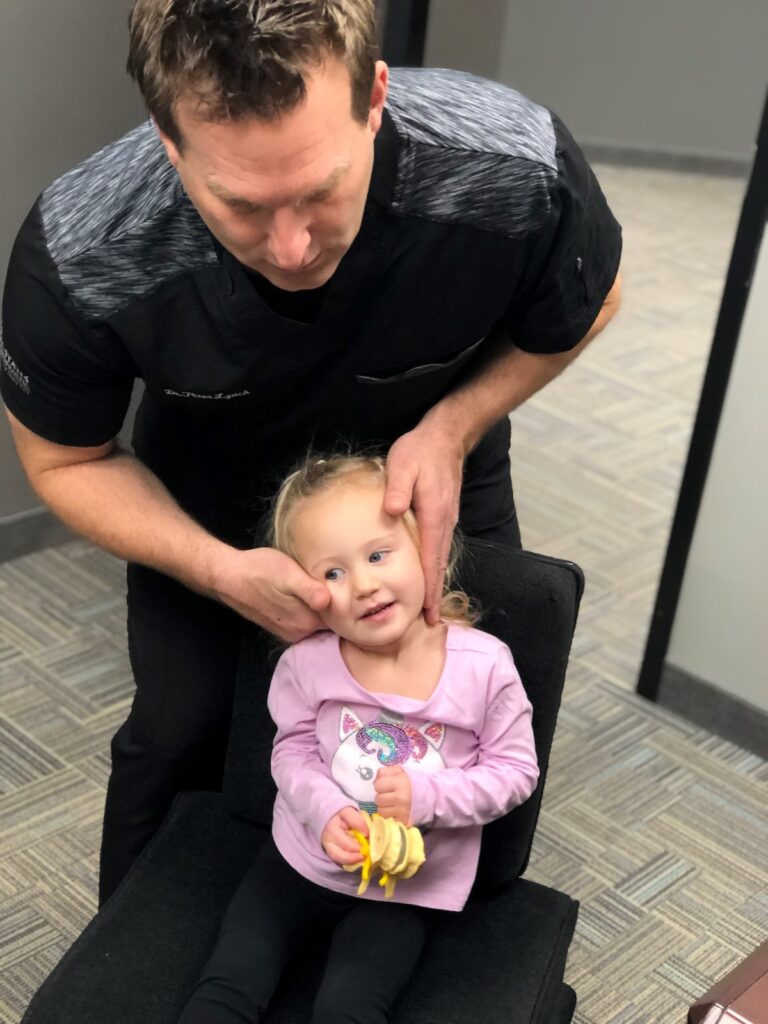
As a local chiropractor, I understand that many of you may be grappling with persistent back pain, and I want to reassure you that you're not alone in this journey.
There are trusted techniques within chiropractic care and natural healing that can offer you lasting relief. Chiropractic care focuses on aligning your spine and improving your body's overall function, which can significantly reduce pain and enhance your mobility.
Additionally, incorporating effective physical activities tailored to your needs can further support your recovery. You might be surprised to learn that simple lifestyle changes, such as improving your posture or incorporating regular stretching, can have a profound impact on your pain levels.
My goal is to help you understand the various strategies available to you, so you can take steps towards a more fulfilling, pain-free life.
So, what are these techniques, and how can you implement them effectively? Let's explore how chiropractic care can be a vital part of your wellness journey.
Understanding Back Pain Types
As a local chiropractor, I'm here to help you understand the different types of back pain and how they can impact your life. Gaining insight into these pain types can be a critical first step in identifying the source of your discomfort and finding the right natural relief.
Back pain generally falls into two main categories: acute and chronic. Acute pain often strikes suddenly, frequently as a result of an injury, strain, or muscle spasm. You may feel this sharp and intense pain after lifting something heavy, twisting your back awkwardly, or even following an accident. The good news is that acute pain usually resolves within a few days or weeks, allowing you to return to your regular activities.
Chronic pain, however, tells a different story. This type of pain persists for three months or longer and can arise from various underlying issues, such as arthritis, herniated discs, or spinal stenosis. While chronic pain may not always be as intense as acute pain, it can significantly affect your quality of life. You might experience persistent aches, stiffness, or a dull throbbing sensation that disrupts your daily routine.
Additionally, it's important to pay attention to the specific locations of your pain. For example, lower back pain is quite common and may result from muscle strain or degenerative disc disease, while upper back pain can often be linked to poor posture or muscle overuse, especially if you're sitting at a desk for long hours.
As your chiropractor, my goal is to provide you with natural healing options tailored to your unique situation. By understanding your pain and its causes, we can work together to develop a personalized plan that promotes healing, restores function, and enhances your overall well-being. Remember, you're not alone in this journey; I'm here to support you every step of the way.
Benefits of Physical Therapy
If you're dealing with back pain, exploring chiropractic care could provide you with effective tools for managing and alleviating your discomfort. One of the key benefits of chiropractic treatment is the personalized approach we take. As a chiropractor, I conduct a thorough assessment of your unique condition to develop a tailored plan that specifically addresses your needs. This ensures that you're not just following one-size-fits-all advice, but rather engaging in treatments that directly target the source of your pain.
A major advantage of chiropractic care is the focus on strengthening your musculoskeletal system. Weakness in certain muscle groups can exacerbate back pain, and chiropractic adjustments and exercises aim to enhance strength in your core and surrounding areas. By improving muscle balance and stability, you can provide better support for your spine and minimize the risk of injury.
Additionally, chiropractic care emphasizes the importance of flexibility. Enhancing your flexibility can relieve tension in your back and surrounding muscles, making daily activities more manageable. I will guide you through specific stretches and mobility exercises designed to promote a comfortable range of motion.
Moreover, understanding proper body mechanics is a crucial aspect of chiropractic care. Learning how to lift, bend, and move correctly can prevent future injuries and reduce strain on your back. This knowledge empowers you to make healthier choices in your everyday life, contributing to overall well-being.
Lastly, chiropractic care often includes education on natural pain management techniques, helping you comprehend the nature of your pain and how to effectively cope with it. By engaging in chiropractic treatment, you acquire tools and strategies for lasting relief, ultimately enhancing your quality of life. Embracing this holistic approach can lead to a healthier, more active lifestyle.
Effective Stretching Exercises
As a local chiropractor, I want to share how incorporating effective stretching exercises into your daily routine can significantly alleviate back pain and enhance your overall mobility. Stretching is a natural way to release tension in tight muscles, improve flexibility, and promote better posture, all of which can contribute to reducing discomfort in your back.
Let's start with a simple yet effective stretch called the cat-cow stretch. Begin by getting on all fours, ensuring your hands are placed under your shoulders and your knees are under your hips. As you inhale, arch your back, allowing your belly to drop toward the floor—this is the cat position. Then, exhale while rounding your back and tucking your chin—this is the cow position. Repeat this cycle for 5 to 10 breaths to help loosen your spine.
Next, I recommend the child's pose, which is excellent for elongating your spine and relaxing your back muscles. To do this, kneel on the floor, sit back on your heels, and stretch your arms forward on the ground. Hold this position for 20 to 30 seconds while focusing on deep, calming breaths.
Another beneficial stretch is the seated forward bend. Sit with your legs extended straight in front of you. Inhale and raise your arms overhead, then exhale as you hinge at your hips, reaching toward your toes. If you can't reach them at first, that's perfectly fine—just go as far as you comfortably can. Hold this stretch for 20 to 30 seconds to feel the benefits.
Lastly, I encourage you to try a standing quadriceps stretch. Stand tall and bend one knee, grabbing your ankle or foot behind you. Gently pull it towards your glutes to feel a stretch in your thigh. Hold this position for 20 seconds on each side. These stretches are excellent for easing tension and supporting a healthier back.
Strengthening Your Core
As a local chiropractor, I want to emphasize the importance of not only stretching but also strengthening your core for optimal back health. A strong core is essential as it supports your spine, stabilizes your movements, and can significantly decrease the likelihood of injuries. When the core muscles are weak, your back has to work harder, which can lead to strain and discomfort.
To effectively strengthen your core, I recommend starting with exercises that engage various muscle groups. One foundational exercise I often suggest is the plank. This exercise activates not just your abdominal muscles, but also your back, shoulders, and legs. Start by holding the plank position for 20-30 seconds, and as you build strength, gradually increase the duration.
Another fantastic exercise is the bridge. To perform this, lie on your back with your knees bent and feet flat on the floor. Lift your hips towards the ceiling, squeezing your glutes while engaging your core. Hold this position for a few seconds before lowering back down. Aim for 10-15 repetitions to start.
Additionally, exercises like dead bugs and bird dogs are excellent for enhancing core stability and promoting coordination. For the dead bug, lie on your back and alternate extending your arms and legs. For the bird dog, get on all fours and extend one arm and the opposite leg simultaneously.
I encourage you to incorporate these core-strengthening exercises into your routine at least two to three times a week. Consistency is vital for building strength and achieving lasting relief from back pain. Remember, a stronger core equates to better support for your spine, leading to improved overall health and well-being. If you have any questions or need guidance on these exercises, I'm here to help you on your journey to better health.
Mindfulness and Meditation
As a local chiropractor, I often encounter patients who are not familiar with the benefits of incorporating mindfulness and meditation into their daily routines, especially when it comes to enhancing overall well-being and alleviating back pain. These practices can significantly improve your awareness of your body and its sensations, which is vital for understanding and addressing discomfort.
Mindfulness teaches us to observe our thoughts and feelings without judgment. When applied to back pain, this approach allows you to reframe your relationship with discomfort. Instead of viewing pain with fear or frustration, you learn to acknowledge it. This shift in perspective can often reduce the pain's hold over you, leading to emotional and physical relief.
Meditation complements mindfulness by providing a structured practice to cultivate this awareness. Even dedicating just a few minutes each day to meditation can help calm your mind and reduce stress, both of which are known contributors to increased pain. To begin, find a quiet space, sit comfortably, and focus on your breath. As thoughts come to mind, gently return your focus to your breathing. With time, this simple practice can lead to a decrease in the severity of back pain.
Both mindfulness and meditation empower you to take an active role in your pain management. By integrating these techniques into your lifestyle, you create a holistic approach that not only alleviates back pain but also enhances your overall quality of life. Remember, start small, be patient with yourself, and observe how both your body and mind respond positively over time. As your chiropractor, I'm here to support you on this journey towards natural healing and improved well-being.
Importance of Good Posture
As a local chiropractor, I want to emphasize the importance of good posture in preventing and alleviating back pain. Proper alignment is crucial for your body's ability to distribute weight evenly, which reduces strain on your spine and muscles. By maintaining good posture, you not only help prevent discomfort but also enable your body to function more efficiently throughout the day.
Many people are unaware of how their daily habits—such as how they sit, stand, and move—can significantly affect their back health. Slouching or leaning forward can create unnecessary pressure on your spine, leading to pain and discomfort over time. By being mindful of your posture, you can take proactive steps to correct it. For example, when you're sitting, aim to keep your feet flat on the ground, your back straight, and your shoulders relaxed. This simple adjustment aligns your spine in a neutral position, providing better support for your back.
Good posture is not only beneficial for your physical health; it can also enhance your confidence and improve your mood. Standing tall and sitting upright can increase your energy levels and even promote better breathing. When you feel good about your posture, you're more likely to participate in physical activities that strengthen your back and core, which can further alleviate pain.
To help you develop good posture habits, I recommend setting reminders throughout your day. Whether it's a sticky note on your computer or an alarm on your phone, these cues can keep you mindful of your alignment. Ultimately, prioritizing good posture is a proactive approach to achieving lasting relief from back pain and enhancing your overall well-being. As your chiropractor, I'm here to support you on this journey to better health through natural healing practices.
Ergonomic Workspace Setup
As a chiropractor, I cannot stress enough the importance of an ergonomic workspace setup for your overall health and well-being. By making a few simple adjustments, you can significantly enhance your comfort and productivity while also reducing the risk of developing back pain and other musculoskeletal issues.
First, ensure that your chair is at the right height. Your feet should rest flat on the floor, with your knees at a 90-degree angle. Next, position your monitor at eye level, so you don't strain your neck while looking at it. This prevents unnecessary tension in your upper back and shoulders.
Additionally, keep your keyboard and mouse within easy reach to avoid overextending your arms, which can lead to discomfort in your wrists and arms. These adjustments may seem minor, but they can have a profound impact on your posture and, ultimately, your health. By incorporating these ergonomic principles into your daily routine, you'll not only feel better physically but also maintain your focus and productivity throughout the day.
Chair Height Adjustment
As a local chiropractor, I want to emphasize the importance of chair height adjustment for your overall well-being. An ergonomic workspace is essential in promoting comfort and preventing back pain, something I see frequently in my practice. When your chair is at the right height, your feet should rest flat on the floor, allowing for even weight distribution. This position alleviates strain on your lower back and encourages you to maintain proper posture throughout your day.
To determine the ideal chair height, take a moment to sit comfortably. Your knees should form a 90-degree angle, with your thighs parallel to the ground. If you notice your feet dangling or your knees sitting too high, it's time to make some adjustments. Most office chairs come equipped with height adjustment levers that make this process straightforward.
Additionally, it's crucial for your chair to provide support for your lower back. If you find it lacking, consider using a cushion for added support. Remember, it's also beneficial to incorporate regular breaks into your routine—stand up, stretch, and walk around. This movement keeps your muscles engaged and helps reduce stiffness, which is vital for your spinal health.
Investing time in finding the right chair height is not just about comfort; it plays a significant role in preventing chronic back pain. By making these adjustments, you can create a more productive and pain-free work environment. If you have any questions or need further guidance on maintaining your spinal health, don't hesitate to reach out!
Monitor Positioning Guidelines
As a chiropractor, I want to emphasize the importance of properly positioning your monitor to help prevent neck and back strain, which can lead to discomfort and affect your overall well-being. Start by adjusting your monitor's height so that the top of the screen is at or slightly below eye level. This position encourages a neutral spine and helps you avoid craning your neck, allowing your body to function optimally. When seated comfortably, your eyes should naturally fall about 1 to 2 inches below the top of the screen.
Next, make sure your monitor is placed about an arm's length away. This distance is crucial in reducing eye strain and supporting a relaxed posture. If you find yourself leaning forward or squinting, it may be time to adjust the distance to ensure your comfort.
It's essential to keep your monitor directly in front of you. Avoid any positioning that forces you to twist your torso, as this can lead to misalignments and discomfort over time. If you use multiple monitors, try to arrange them in a way that minimizes head movement—your primary screen should be directly in front of you, with any secondary screens positioned to the side.
Finally, consider investing in an adjustable stand or mount. This flexibility allows you to personalize your monitor setup, promoting comfort throughout your workday. By following these guidelines, you can create a workspace that not only reduces the risk of pain but also enhances your productivity and supports your overall health. Remember, proper ergonomics is key to maintaining a healthy spine and preventing future issues.
Keyboard and Mouse Placement
As a local chiropractor, I understand the importance of proper ergonomics in your daily activities, especially when it comes to your keyboard and mouse placement. Many of my patients are unaware that how you set up your workspace can significantly affect your comfort and overall well-being. By following these guidelines, you can help prevent strain and promote a healthier posture while you work:
- Height: Ensure your keyboard is positioned at elbow height. This allows your arms to rest comfortably at your sides, reducing the risk of tension in your shoulders and neck. Keep your wrists straight and relaxed as you type to avoid unnecessary strain.
- Distance: Place your keyboard about 1-2 inches from the edge of your desk. This setup enables your forearms to rest on the surface, which can alleviate pressure on your shoulders and create a more relaxed working position.
- Mouse Placement: Position your mouse at the same level and close to your keyboard. This arrangement minimizes excessive reaching and helps maintain a neutral wrist position, reducing the likelihood of repetitive strain injuries.
Heat and Cold Therapy
As a local chiropractor, I often see patients struggling with back pain, and I want to share how heat and cold therapy can be powerful tools in your pain management journey. These simple yet effective methods can significantly alleviate discomfort and support your healing process.
Heat therapy is a fantastic way to relax and loosen tight muscles. Whether it's using a warm compress, heating pad, or soaking in a hot bath, applying heat increases blood flow to the affected area. This surge of circulation delivers essential nutrients and oxygen that your body needs to recover. I recommend using heat therapy before engaging in physical activity to get your muscles ready or afterward to ease any stiffness.
Conversely, cold therapy is particularly beneficial for reducing inflammation and numbing painful areas. Using an ice pack or cold compress helps to constrict blood vessels, which decreases swelling and provides immediate relief. This method is especially effective after an injury or during flare-ups of chronic pain. Just a quick reminder: always wrap ice packs in a cloth to protect your skin from frostbite.
When you decide to use these therapies, it's crucial to listen to your body. Heat can be safely applied for about 15-20 minutes, while cold therapy should be limited to 10-15 minutes. Be sure to let your skin return to its normal temperature before reapplying either method.
For optimal relief, consider combining heat and cold therapy. Start with cold therapy to tackle inflammation, then follow up with heat to relax those muscles. By incorporating these techniques into your daily routine, you can experience notable improvements in your back pain and enhance your overall well-being. If you have any questions or need further guidance on how to integrate these methods, don't hesitate to reach out during your next visit!
Alternative Treatments Overview
As a local chiropractor, I'm here to help you explore alternative treatments that can effectively manage your back pain. Many patients have found relief through non-traditional methods that work alongside conventional therapies. By considering these options, you may uncover the right combination that suits your unique situation.
Let's take a look at three alternative treatments that can help alleviate your back pain:
- Acupuncture: This ancient practice involves inserting thin needles into specific points on the body. Many of my patients report experiencing significant pain relief and enhanced mobility following acupuncture sessions. It's believed that this therapy stimulates the body's natural painkillers and encourages healing.
- Chiropractic Care: As a chiropractor, I specialize in aligning the spine to improve overall function. Through hands-on spinal manipulation, I adjust misalignments that may be causing your pain. Regular adjustments can not only reduce pain but also enhance mobility and contribute to long-term spinal health.
- Massage Therapy: Therapeutic massage is another valuable tool in managing back pain. It helps relax tight muscles and improves circulation. By targeting specific areas of tension, massage can alleviate pain and promote relaxation. I often recommend exploring various techniques, such as deep tissue or myofascial release, to find what works best for you.
Incorporating these alternative treatments into your pain management plan can significantly enhance your overall well-being. Remember, it's crucial to consult with me or another healthcare professional before starting any new therapy to ensure it aligns with your individual needs and conditions. By embracing these methods, you're taking proactive steps toward regaining control over your life and reducing back pain.
Lifestyle Changes for Prevention
As a local chiropractor passionate about promoting spinal health, I want to share some valuable insights on preventing back pain through simple lifestyle changes. One of the most impactful steps you can take is to maintain a healthy weight. Carrying excess weight can put undue strain on your spine, which is why I encourage my patients to incorporate a balanced diet and regular exercise into their daily lives. This not only helps in weight management but also significantly reduces the risk of back pain.
Another vital aspect to consider is strengthening your core muscles. These muscles are crucial for supporting your spine and maintaining proper alignment. Engaging in activities such as yoga, Pilates, or targeted core exercises can enhance your stability and decrease the likelihood of injuries. Flexibility is equally important; regular stretching can improve your range of motion and alleviate muscle tension, making you less prone to discomfort.
I also cannot stress enough the importance of good posture, especially for those who spend long hours sitting. Ensuring your workspace is ergonomically designed can make a big difference. Position your chair and computer screen at the correct height to support your back. When lifting heavy items, always remember to bend your knees and keep your back straight to avoid unnecessary strain.
Lastly, staying active is key to maintaining a healthy spine. Engaging in regular physical activity boosts circulation and strengthens the muscles that support your spine. Aim for at least 30 minutes of moderate exercise most days of the week. By embracing these lifestyle changes, you can significantly lower your chances of experiencing back pain and improve your overall well-being. Remember, taking a proactive approach today can pave the way for a healthier back tomorrow! If you have any questions or would like personalized guidance, don't hesitate to reach out. I'm here to help you on your journey to better health!
Conclusion
As your local chiropractor, I want to share some trusted techniques that can help you achieve lasting relief from back pain. Understanding the nature of your pain is the first step. Many patients find that engaging in tailored physical therapy can significantly improve their condition. Additionally, committing to exercises that strengthen your core is vital for supporting your spine and preventing future issues.
Mindfulness is another crucial aspect of pain management that I encourage my patients to incorporate into their daily lives. It can help you develop a better awareness of your body and its signals. Creating an ergonomic workspace is essential, too; it can make a world of difference in your posture and overall comfort.
Don't overlook the importance of lifestyle changes, as they play a significant role in preventing back pain from recurring. Remember, every individual is different, so finding the right combination of strategies that works for you is key. Together, we can explore these options and help you enjoy a more active, pain-free life.