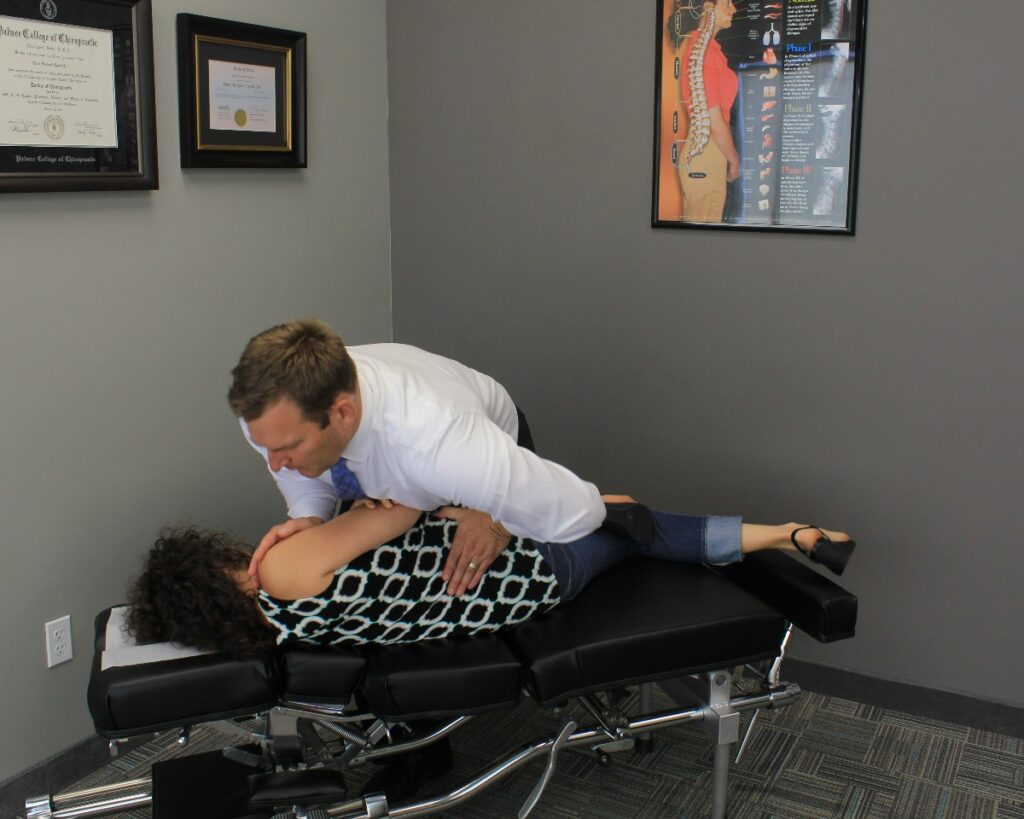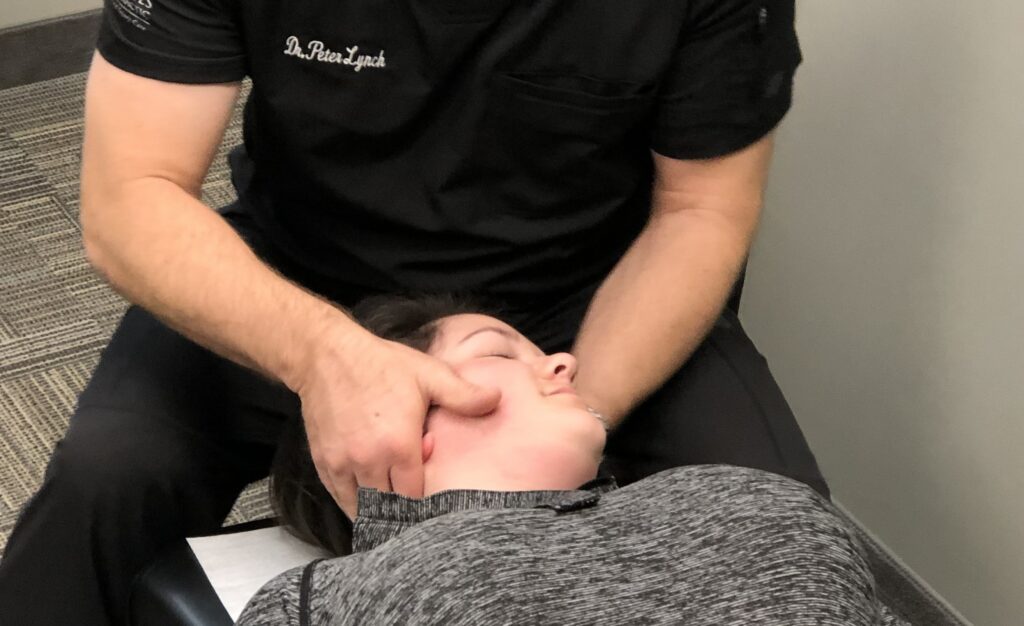
When you experience a sports injury, the path to recovery can seem daunting. However, chiropractic care offers invaluable support in numerous ways beyond just physical healing. It plays a vital role in enhancing your emotional resilience and provides effective coping strategies to help manage stress and anxiety during your recovery journey.
As a chiropractor, I emphasize the importance of setting SMART goals—specific, measurable, achievable, relevant, and time-bound—to keep you motivated and focused as you heal.
But there's much more to chiropractic care than you might realize. Through personalized treatment plans, we can help transform your mindset and improve your overall recovery experience.
Chiropractic adjustments not only relieve pain and restore mobility but also promote a holistic approach to healing that supports both your body and mind.
If you're curious about the specific techniques and strategies we use to facilitate a smoother recovery and get you back to peak performance, I invite you to learn more about how natural healing can make a significant difference in your sports injury recovery.
Emotional Resilience Building
As a local chiropractor, I want to emphasize the importance of emotional resilience building for athletes recovering from sports injuries. When faced with a setback like this, it's very common to feel overwhelmed, frustrated, or even hopeless. However, developing emotional resilience is crucial for navigating these feelings and focusing on your recovery and future goals.
To begin fostering emotional resilience, it's vital to acknowledge your emotions rather than pushing them aside. It's perfectly normal to experience disappointment and fear during your recovery. Accepting these feelings can actually empower you to move forward. Embracing self-compassion is key; remind yourself that setbacks are a natural part of any athlete's journey. Treat yourself with kindness and understanding as you work through this challenging time.
Setting realistic goals is another important aspect of building resilience. Break down your recovery process into manageable milestones. Celebrate the small victories along the way, whether it's regaining a certain range of motion or completing a specific rehabilitation workout. These achievements will help boost your confidence and give you a sense of purpose.
Additionally, surrounding yourself with supportive individuals is critical. Engage with your teammates, coaches, or even mental health professionals who can offer encouragement and empathy. Sharing your experiences with others can lighten your emotional burden and reinforce your resilience.
Lastly, I recommend practicing mindfulness techniques such as meditation or deep breathing exercises. These methods can help you remain present, reduce anxiety about the future, and enhance your focus on recovery. By actively incorporating these strategies into your routine, you will not only strengthen your emotional resilience but also pave the way for a successful return to the sport you love. Remember, chiropractic care can also support your physical and emotional well-being during this process, helping you heal holistically and naturally.
Coping Strategies Development
As your local chiropractor, I want to emphasize the importance of developing effective coping strategies while you recover from a sports injury. It's crucial for your emotional well-being during this time. I encourage you to focus on stress management techniques and to explore mindfulness and relaxation practices. These approaches can significantly help you navigate the challenges of recovery.
Emotional Resilience Building
As a local chiropractor, I want to emphasize the importance of building emotional resilience, especially for athletes recovering from sports injuries. It's crucial for you to bounce back stronger, not just in terms of physical healing but also mentally. Emotional resilience empowers you to confront challenges with confidence and maintain a positive mindset throughout your recovery process.
Here are some effective strategies to enhance your emotional resilience during this time:
- Practice mindfulness: Incorporate meditation or breathing exercises into your daily routine. This helps you stay grounded and focused, allowing you to better manage stress and anxiety.
- Set realistic goals: Break your recovery into achievable steps. This approach prevents feelings of being overwhelmed and allows you to track your progress in a manageable way.
- Seek social support: Reach out to your teammates, friends, or family members who understand what you're going through. Their encouragement can be invaluable during your recovery journey.
- Embrace a growth mindset: Instead of viewing setbacks as failures, see them as opportunities to learn and improve. This shift in perspective can greatly enhance your resilience.
- Celebrate small victories: Acknowledge and celebrate each step you take towards recovery, no matter how small. Recognizing these achievements can boost your motivation and strengthen your confidence.
Stress Management Techniques
Recovering from a sports injury can be a challenging experience, often accompanied by increased stress and anxiety. As a local chiropractor, I want to share some effective stress management techniques that can support your overall well-being during this time. First and foremost, it's crucial to identify your stress triggers. Understanding what causes your anxiety is a significant step toward managing it and can empower you to address these issues directly.
One beneficial practice I recommend is deep breathing exercises. By concentrating on your breath, you can achieve a state of calmness, alleviating tension in both your mind and body. Setting aside just a few minutes each day for this simple activity can lead to remarkable improvements in your stress levels.
Keeping a journal is another powerful tool. Writing about your feelings helps you process your emotions and gain a clearer perspective on your recovery journey. It's a wonderful way to reflect on your progress and express any fears or concerns.
Moreover, I cannot stress enough the importance of talking to someone who understands your situation. Engaging in open conversations with friends, family, or a therapist can provide much-needed support and validation. As a chiropractor, I am also here to listen and guide you through your healing process.
Lastly, creating a structured routine can significantly benefit your recovery. Establishing daily habits not only fosters a sense of control and stability but also complements the chiropractic care you may be receiving. By integrating these stress management techniques into your daily life, you'll not only enhance your mental health but also facilitate a smoother recovery process. Remember, taking care of your mind is just as important as taking care of your body.
Mindfulness and Relaxation Practices
As a local chiropractor, I want to emphasize the importance of incorporating mindfulness and relaxation practices into your recovery routine for better mental and emotional health. These techniques can significantly enhance not only your chiropractic care but your overall well-being. By focusing on the present moment, you can reduce stress and foster a more positive mindset during your healing journey. Here are some effective strategies to consider:
- Deep Breathing: Practicing deep breathing exercises can help calm both your mind and body. This simple technique is great for reducing anxiety and promoting relaxation, especially after an adjustment.
- Guided Imagery: Visualizing yourself achieving your recovery goals can be a powerful motivator. This practice can help reduce feelings of frustration and keep you focused on your healing process.
- Meditation: Setting aside time each day for meditation can enhance your focus and improve emotional regulation. This mindfulness practice can complement your chiropractic treatments and increase your resilience to stress.
- Progressive Muscle Relaxation: This technique involves systematically tensing and relaxing different muscle groups. It's an effective way to alleviate physical tension and promote a sense of calm, which is vital for recovery.
- Mindfulness Journaling: Writing down your thoughts and feelings can help you process your emotions. It's a wonderful tool for maintaining a positive outlook throughout your recovery and can enhance the benefits of chiropractic care.
Goal Setting and Motivation
Setting clear goals is crucial for anyone navigating the journey of sports injury recovery, especially when considering the benefits of chiropractic care. Goals act as a roadmap, helping you visualize your desired outcomes and the steps needed to achieve them. By establishing specific, measurable, achievable, relevant, and time-bound (SMART) goals, you can create a structured plan that not only keeps you focused but also enhances your motivation throughout the recovery process.
Begin by identifying what you aspire to achieve. Do you want to regain full mobility, return to your favorite sport, or simply alleviate discomfort? Having a clear target makes your recovery journey feel more tangible. Break these larger goals into smaller, more manageable milestones. Celebrate each achievement along the way, whether it's improved flexibility or reduced pain. For instance, if your ultimate goal is to run again, start with walking short distances, then gradually increase your pace and distance as your body allows.
Tracking your progress is another powerful motivator. I encourage you to keep a journal or use a mobile app to log your activities and improvements. This visual representation of your journey not only reinforces your commitment but also highlights how far you've come, even during moments when recovery seems slow.
Additionally, accountability plays a significant role in maintaining motivation. Share your goals with your chiropractor, friends, or family. Having someone to check in with can provide the encouragement you need and help keep you on track, especially during challenging times. Remember, chiropractic care is designed to support your healing journey, and by setting clear goals, you can maximize the benefits of our treatments and enhance your overall recovery experience.
Pain Management Techniques
As a local chiropractor, I want to share with you some effective techniques for managing pain from sports injuries that can truly make a difference in your recovery. Many people are not aware of the power of natural healing methods, but practices such as mindfulness and relaxation, cognitive behavioral strategies, and visualization can be incredibly beneficial.
Incorporating mindfulness can help you stay present and reduce anxiety about your injury, while relaxation techniques can ease tension in your body, promoting healing. Cognitive behavioral strategies allow you to reframe negative thoughts surrounding your pain, empowering you to take control of your recovery. Visualization practices can enhance your mental focus and motivate your body to heal.
Let's delve deeper into how these holistic approaches can support your journey towards regaining control and alleviating discomfort. Together, we can explore these techniques in conjunction with chiropractic care to optimize your healing process.
Mindfulness and Relaxation Techniques
As a local chiropractor, I want to share with you how mindfulness and relaxation techniques can play a crucial role in your recovery from sports injuries. These practices not only help manage pain but also support your overall healing journey. If you're new to chiropractic care and natural healing, integrating these techniques can make a significant difference in your recovery experience. Here are some effective strategies to consider:
- Deep Breathing: By focusing on your breath—taking deep inhales through your nose and slow exhales through your mouth—you can calm both your mind and body, which is essential in reducing pain levels.
- Progressive Muscle Relaxation: This technique involves tensing and then relaxing each muscle group in your body. It's an excellent way to release physical tension that may be contributing to your discomfort.
- Guided Imagery: Picture yourself in a serene environment or envisioning a successful recovery. This mental practice can serve as a powerful distraction from pain and help instill a sense of peace.
- Mindfulness Meditation: Spending just a few minutes each day to observe your thoughts and bodily sensations without judgment can significantly enhance your awareness and help reduce the perception of pain.
- Yoga and Stretching: Engaging in gentle movements and stretches can alleviate discomfort while also promoting relaxation and improved flexibility, which are essential for a full recovery.
Cognitive Behavioral Strategies
As a local chiropractor, I want to share with you how cognitive behavioral strategies can play a vital role in managing pain during your recovery from sports injuries. These strategies can truly make a difference by helping you transform your thoughts and behaviors, ultimately influencing how you perceive and cope with pain.
It's common to feel overwhelmed by pain, leading to negative thoughts like, "I can't do this." However, I encourage you to rephrase that thought to something more positive, such as, "This pain is temporary, and I'm actively taking steps to heal." By making this mental shift, you can reduce your emotional response to pain and stay focused on your recovery journey.
In addition, I recommend practicing problem-solving techniques to overcome any obstacles you may encounter during your healing process. Setting small, achievable goals can boost your motivation and give you a sense of accomplishment. Remember, it's essential to focus on progress rather than striving for perfection.
As your chiropractor, I'm here to guide you through this journey, providing support and natural healing techniques to help you regain your strength and mobility. Together, we can work towards a healthier, pain-free future.
Visualization and Imagery Practices
As a local chiropractor, I want to introduce you to the powerful benefits of visualization and imagery practices in your recovery from sports injuries. These techniques not only help manage pain but also greatly enhance your overall mindset during the healing process. By creating mental images, you can distract yourself from discomfort and foster a positive outlook on your journey to recovery. Engaging in visualization regularly can train your mind to focus on healing rather than pain.
Here are some key advantages of incorporating visualization and imagery into your recovery routine:
- Pain Reduction: By visualizing a calm and pain-free body, you can lower your perception of pain, which is essential for your healing.
- Enhanced Motivation: Imagining yourself successfully returning to your sport can significantly boost your commitment to your rehabilitation efforts.
- Improved Focus: Practicing mental imagery sharpens your concentration on your recovery goals, keeping you on track.
- Stress Relief: Visualization promotes relaxation, alleviating the anxiety that often accompanies injuries.
- Positive Mindset: Envisioning a successful recovery helps cultivate an optimistic attitude towards your healing journey.
Integrating these practices into your daily routine can make a remarkable difference in your recovery process. As you regain confidence and strength, you'll be well on your way to returning to the activities you love. Remember, chiropractic care combined with these visualization techniques can enhance your natural healing abilities. Let's work together to support your recovery!
Positive Self-Talk Practices
As a chiropractor, I want to emphasize the importance of positive self-talk during your recovery from a sports injury. The way you communicate with yourself can have a significant impact on your healing process. It's crucial to foster a mindset that supports recovery rather than one that brings you down. Instead of thinking, "I'll never return to my peak performance," try shifting that thought to, "I'm making progress every day." This change in perspective can enhance your motivation and resilience throughout your healing journey.
Start by being aware of any negative self-talk that might be creeping in. Do you often find yourself criticizing your progress? Recognizing these thoughts is the first step toward transforming your mindset. Once you identify them, it's time to replace those negative statements with positive affirmations. For instance, remind yourself, "I am strong," or "I can overcome this challenge." Writing these affirmations down and repeating them each day can help reinforce your commitment to recovery.
Additionally, it's essential to celebrate the small victories along your path to healing. Each step you take in your rehabilitation process is a win that deserves acknowledgment. Recognizing even minor progress can significantly boost your confidence and keep you focused on your goals. Surround yourself with supportive individuals who encourage this positive mindset, as their reinforcement can help strengthen your self-talk practices.
Ultimately, embracing positive self-talk not only aids in your recovery but also prepares you mentally for your return to the sport you love. Remember that your mind plays a powerful role in your healing journey, and nurturing it can lead to successful outcomes. As your chiropractor, I'm here to support you in this process and help you achieve the best results for your health and well-being.
Visualization and Mental Imagery
As a local chiropractor, I want to introduce you to an incredible tool that can significantly enhance your recovery from sports injuries: mental imagery. This technique allows you to visualize yourself performing at your peak, even if you're currently sidelined due to an injury. While you may think this approach is just for athletes, I assure you that anyone can harness its benefits to aid in their healing process.
Here are some of the key advantages of incorporating visualization into your recovery journey:
- Boosted Healing: By envisioning your injury healing, you can stimulate positive physiological responses in your body that may enhance recovery.
- Pain Relief: Imagining a state free from pain can help alleviate discomfort and reduce anxiety surrounding your injury.
- Retention of Skills: By picturing your movements and techniques, you can maintain your muscle memory, ensuring that you're ready to return to your sport when the time comes.
- Confidence Building: Visualizing your success can significantly increase your confidence, making your transition back to the field or court smoother and more assured.
- Enhanced Concentration: Visualization helps train your brain to focus on your goals and the specific techniques you need to excel in your sport, setting you up for better performance.
To get started with this powerful practice, I recommend finding a quiet and comfortable space where you can close your eyes and visualize yourself actively engaging in your sport. Concentrate on the specific movements, feelings, and sensations you experience. The more detailed and vivid your imagery, the more impactful it will be.
Enhancing Focus and Concentration
As a local chiropractor, I want to emphasize the importance of focus and concentration in both sports performance and recovery from injuries. When dealing with an injury, maintaining a clear and sharp mental state can significantly influence your healing process. That's why we incorporate various therapeutic techniques to help enhance these cognitive skills, ensuring you remain present and engaged throughout your recovery journey.
One effective approach we utilize is mindfulness training. By practicing mindfulness, you learn to focus your attention on the present moment, which can help alleviate anxiety and minimize distractions. This increased awareness not only assists in pain management but also allows you to become more attuned to your body's needs as you heal.
Another powerful tool in our arsenal is cognitive-behavioral therapy (CBT). This method encourages you to identify and challenge any negative thought patterns that may be obstructing your ability to concentrate. By reframing these thoughts, you can cultivate a more positive mindset, which directly enhances your focus on rehabilitation exercises and your overall recovery goals.
Setting specific and achievable goals is also crucial for improving concentration during your recovery. By breaking down the rehabilitation process into smaller, manageable milestones, you create a clear roadmap that keeps your focus directed toward the end result. Don't forget to celebrate each small victory along the way; this reinforces your motivation and commitment to the recovery process.
We also incorporate techniques like deep breathing and visualization to further sharpen your focus. These practices help to calm your mind, making it easier to concentrate on your recovery tasks. By actively engaging in these therapeutic approaches, you can significantly boost your focus and concentration, paving the way for a smoother rehabilitation process. Remember, as your chiropractor, I'm here to support you every step of the way on your journey to recovery.
Conclusion
As a local chiropractor, I want to emphasize how incorporating therapy into your sports injury recovery can significantly enhance your healing process. By developing emotional resilience and effective coping strategies, you'll be better prepared to tackle the challenges that come with recovery.
Utilizing positive self-talk and visualization techniques can greatly improve your confidence, while maintaining focus allows you to stay committed to your rehabilitation goals. It's also vital to have a robust support system, including therapists and chiropractors like myself, who are dedicated to guiding you through this journey.
With these holistic tools at your disposal, you can approach your recovery with strength and determination, paving the way for a smoother and more effective healing experience. Remember, natural healing is not just about the physical aspect; it's about nurturing your mind and spirit as well.