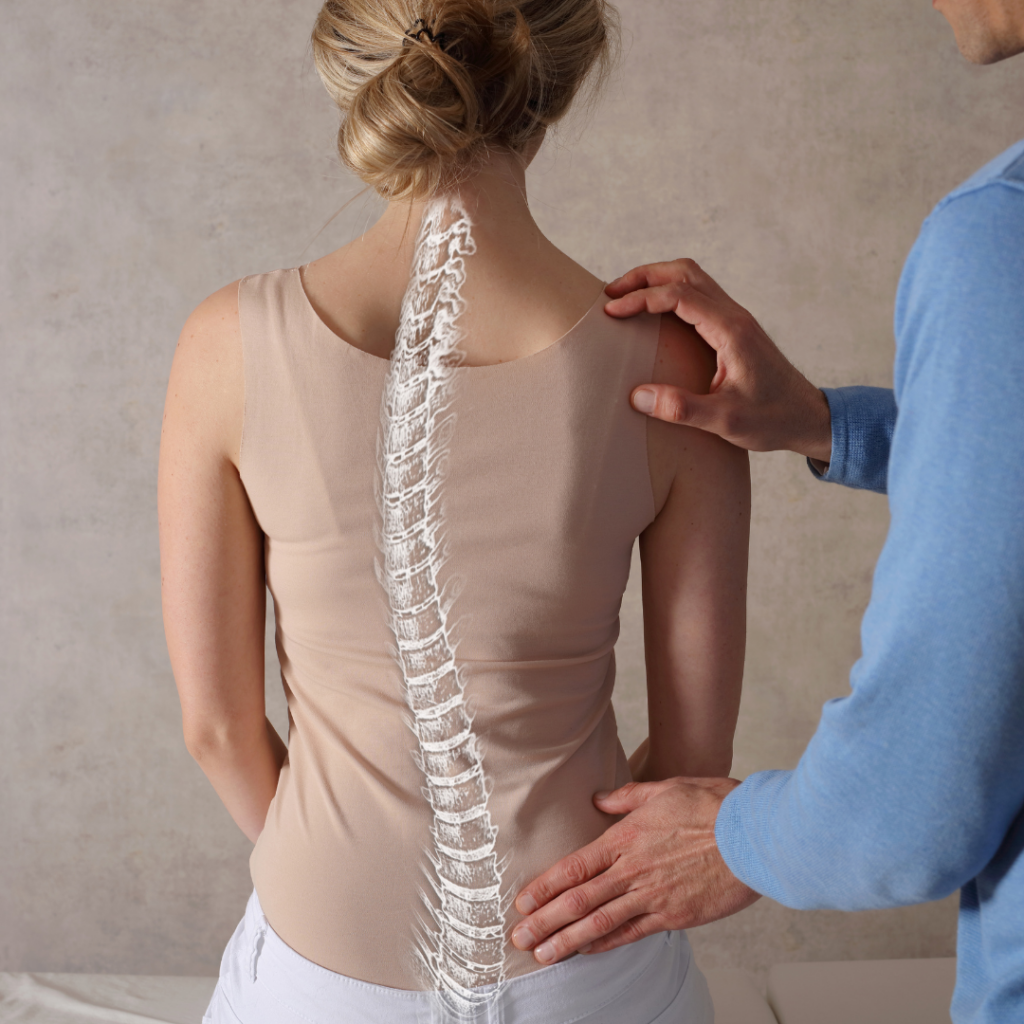
As a local chiropractor, I understand how overwhelming it can be to cope with a neck injury. Many of my patients are surprised to discover that a holistic approach combining gentle stretching, heat therapy, and self-massage can significantly alleviate their discomfort.
It's essential to recognize that we're not just looking for quick fixes; improving your posture and incorporating relaxation techniques can lead to lasting relief.
While home remedies can be beneficial, I encourage you to consider professional treatment options. Chiropractic care offers tailored support that addresses the root causes of your pain, rather than just the symptoms.
Would you like to learn more about how these techniques can work in harmony to support your recovery? Let's delve into the specifics that can help guide you towards a more comfortable and healthier path.
Gentle Stretching Exercises
As a local chiropractor, I want to emphasize the importance of gentle stretching exercises when it comes to alleviating neck pain. Many of my patients find that these simple movements can provide significant relief. Stretching not only improves flexibility but also reduces tension and enhances blood flow to the muscles involved. The good news is that you don't need any special equipment or a lot of time—just a calm space and a few minutes each day can make a difference.
Let's start with a basic neck tilt. You can do this while sitting or standing comfortably. Gently tilt your head to one side, allowing your ear to move toward your shoulder. Hold this position for about 15 to 30 seconds, and you should feel a nice stretch along the side of your neck. Afterward, switch sides and repeat. This stretch is particularly effective for alleviating tightness and enhancing your range of motion.
Another beneficial exercise is the chin tuck. While seated, draw your chin in towards your chest without tilting your head down. Hold for a few moments before releasing. This stretch plays a crucial role in strengthening the muscles that support your neck and can help correct posture issues—often a major contributor to neck pain.
Don't overlook the shoulder roll, either. While seated or standing, let your arms hang relaxed at your sides. Begin rolling your shoulders forward in a circular motion, then reverse the direction. This exercise not only stretches your neck but also helps release built-up tension in your shoulders.
Incorporating these gentle stretches into your daily routine can significantly diminish neck pain over time. Always remember to listen to your body; if a stretch feels uncomfortable, ease back. With regular practice, you may notice improved flexibility and a reduction in pain, making your daily activities much more manageable. As your chiropractor, I encourage you to consider these stretches as part of a holistic approach to your well-being.
Heat Therapy
As a local chiropractor, I want to share some valuable insights about heat therapy and its significant role in alleviating neck pain and tension. This natural approach can be a game-changer for many of my patients. By increasing blood flow to the affected areas, heat therapy helps to relax tight muscles and promotes healing.
Understanding how to effectively apply heat can enhance your relief. Whether it's a warm compress, heating pad, or a hot bath, the key is to ensure that the heat is comfortable and not too intense. Gentle heat can soothe discomfort and improve mobility. I encourage you to incorporate this simple yet effective method into your self-care routine, especially if you're experiencing neck pain.
If you're new to chiropractic care, know that we prioritize natural healing techniques, and heat therapy is just one of the many tools we use to support your overall wellness. Let's work together to explore the best strategies for your path to recovery!
Benefits of Heat Therapy
As a local chiropractor, I want to share some valuable insights about managing discomfort from neck injuries, particularly through the use of heat therapy. Many of my patients have found significant relief by incorporating heat into their recovery process. Here's how it works and the benefits you can expect:
- Muscle Relaxation: When you apply heat to your neck, it elevates the temperature of the muscles in that area. This warmth promotes relaxation and reduces stiffness, which can be particularly beneficial if you're experiencing tension. By easing tight muscles, you may find that your range of motion improves, allowing you to move more freely.
- Enhanced Blood Flow: Heat therapy encourages increased blood circulation to the injured area. This boost in blood flow is crucial because it delivers vital nutrients and oxygen, which support the healing process. Additionally, improved circulation helps to flush out toxins that may be contributing to your discomfort.
- Pain Relief: The soothing warmth of heat therapy can serve as a distraction from pain signals your brain is receiving. Many patients report immediate comfort when using heat, and it can even stimulate the release of endorphins—your body's natural pain relievers.
Incorporating heat therapy into your recovery routine can truly be transformative. As you begin to understand its benefits, you can take a proactive approach to managing your neck injury and improving your overall well-being. Always remember to listen to your body and adjust your therapy as necessary. If you have any questions or need guidance on how to effectively use heat therapy, feel free to reach out during your next visit!
Application Techniques Explained
As your local chiropractor, I'm here to help you understand how to effectively apply heat therapy for your neck injury, a natural healing method that can significantly enhance your recovery. Let's go through some straightforward techniques to ensure you get the most out of this treatment.
First, you'll want to select a suitable heat source. Options include a hot water bottle, a heating pad, or a warm towel. It's important that the heat is warm enough to be soothing but not so hot that it could burn your skin.
Next, prepare your neck for treatment. Find a comfortable position, whether sitting or lying down, to allow your muscles to relax fully. Gently apply your chosen heat source to your neck for about 15 to 20 minutes. This timeframe is ideal for increasing blood circulation and promoting healing, while also minimizing the risk of skin damage.
For enhanced relief, consider incorporating gentle movement while using the heat. Lightly stretching your neck during this time can help loosen tight muscles and improve your overall flexibility, making the heat therapy even more effective.
If you're utilizing a heating pad, please be sure to adhere to the manufacturer's instructions to ensure safe use. Always check the temperature before applying it to your skin to prevent any discomfort. I recommend repeating this process several times a day, particularly during flare-ups, to achieve optimal relief. Consistency is crucial in your healing journey, and integrating heat therapy into your daily routine can make a significant difference in your recovery process.
Cold Therapy
As your local chiropractor, I want to share with you the benefits of cold therapy, a natural and effective method for managing neck injuries and alleviating pain. When you apply cold therapy, it works by constricting blood vessels, which helps to reduce swelling and inflammation—key factors in the healing process. Here are some advantages you can expect from incorporating cold therapy into your recovery routine:
- Decreases Inflammation: One of the primary goals in treating injuries is to manage inflammation. Cold therapy is particularly effective in doing so. By placing ice or a cold pack on your neck, you can help limit swelling and discomfort associated with injuries, allowing your body to heal more efficiently.
- Numbs Pain: Cold temperatures have a numbing effect on the affected area, providing immediate relief from sharp or throbbing pain. This can greatly enhance your daily activities and contribute to a better quality of life as you recover.
- Enhances Recovery Time: By integrating cold therapy into your injury management, you may find that your recovery time is shortened. The combination of reduced inflammation and pain can help you return to your regular activities more quickly.
To use cold therapy safely and effectively, remember to wrap ice or a cold pack in a towel to protect your skin. Apply it to the injured area for about 15-20 minutes at a time, ideally every hour, particularly within the first 48 hours following your injury. It's important to avoid placing ice directly on your skin to prevent frostbite.
Cold therapy is an excellent first step in addressing neck injuries, helping you regain comfort and mobility. Always pay attention to how your body responds, and if your symptoms persist, don't hesitate to reach out for professional guidance. As your chiropractor, I'm here to support you on your journey to natural healing and wellness.
Massage Techniques
As a local chiropractor, I want to share how massage techniques can significantly aid in relieving neck injuries and promote healing. Many individuals may not be familiar with the benefits of chiropractic care and natural healing methods, so let's explore some effective options.
First, self-massage techniques can be a great way to manage discomfort from the comfort of your home. Simple methods, such as gentle kneading of the neck muscles or using your fingers to apply pressure to sore spots, can help alleviate tension and improve blood flow.
In addition to self-care, professional massage therapy can provide deeper relief. A trained massage therapist can identify specific areas of tension and utilize various techniques to target those areas, ultimately enhancing your recovery process.
Furthermore, you might consider using specialized tools designed for massage. These can offer targeted relief and are often easy to use on your own. Whether it's a foam roller, massage ball, or electronic massager, these tools can complement your healing journey.
Self-Massage Techniques
As a local chiropractor, I often see patients struggling with neck pain, and I want to share some self-massage techniques that can be incredibly helpful in relieving discomfort and promoting relaxation. These methods can be easily incorporated into your daily routine, even if you're not familiar with chiropractic care or natural healing. Here are three effective self-massage techniques you can try:
- Kneading: With your fingers, gently knead the muscles located at the base of your skull and along your neck. Apply firm pressure in a circular motion for about 30 seconds on each specific area. This technique is great for releasing tension that accumulates in those tight muscles.
- Squeezing: Position your thumb and fingers on either side of your neck and gently squeeze the muscles, moving down toward your shoulders. This action can help increase blood flow, which is essential for alleviating tightness and promoting healing in the area.
- Rolling: You can use a tennis ball or a massage ball against a wall to perform this technique. Place the ball at the base of your neck and roll it gently up and down. Focus on any areas that feel particularly tense, and spend extra time on those spots to encourage relaxation.
Incorporating these self-massage techniques into your routine can significantly help manage neck pain. It's important to listen to your body and adjust the pressure as needed. With a little practice, you can find relief and enhance your overall neck health. If you have any questions or need further guidance, feel free to reach out to me or schedule an appointment for personalized care.
Professional Massage Benefits
As a local chiropractor, I want to share with you the significant benefits that professional massage therapy can offer, particularly for neck pain relief and your overall wellness. When you work with a skilled massage therapist, you're utilizing techniques specifically designed to alleviate tension and improve circulation in the neck and surrounding areas. A good therapist will assess your individual needs and target specific tight muscles and knots that you may not be able to address through self-massage.
Different massage styles, such as deep tissue or trigger point therapy, can effectively reduce inflammation and promote relaxation, both of which are crucial for recovery. You may notice immediate relief as the therapist carefully works through the various layers of muscle and connective tissue. Moreover, regular massage sessions can help maintain flexibility and prevent future injuries, which is something I emphasize in my own chiropractic practice.
Beyond the physical benefits, professional massage also contributes to your mental well-being. Many patients report feeling more relaxed and less stressed after a session, as the soothing environment fosters a sense of calm. This holistic approach aligns perfectly with chiropractic care, promoting overall wellness and enhancing your mood and energy levels.
Tools for Neck Relief
As a local chiropractor, I want to share some effective tools and techniques that can significantly enhance your neck relief routine, particularly between your visits to our clinic. Understanding how to care for your neck at home can help you manage tension and maintain overall neck health.
Here are three essential tools that I recommend for neck relief:
- Massage Balls: These small, portable tools are excellent for applying targeted pressure on knots and tight areas in your neck and upper back. To use them, simply position a massage ball against a wall and lean into it. Your body weight will help relieve tension effectively.
- Neck Massager: An electric neck massager can provide soothing vibrations and gentle heat, making it a wonderful option for relaxation. You can easily use it while sitting at your desk or during your leisure time at home to help alleviate discomfort.
- Foam Roller: While foam rollers are often used for larger muscle groups, they can also be beneficial for your upper back and neck. By lying on the roller and gently rolling back and forth, you can release tight muscles and improve your range of motion.
Incorporating these tools into your self-care routine can complement the benefits of the chiropractic care you receive and support your journey toward natural healing.
Posture Correction
As a local chiropractor, I want to emphasize the importance of good posture for preventing neck injuries and alleviating discomfort. Many of my patients don't realize that how they sit, stand, or move plays a crucial role in their overall spinal health. Proper alignment can significantly reduce strain on your neck, promoting a more comfortable and pain-free lifestyle.
When you're sitting, it's vital to ensure your back is well-supported and that your feet are resting flat on the floor. Adjust your chair so your knees are positioned at or just slightly below hip level. If you're working at a computer, make sure the screen is at eye level. This keeps your neck in a neutral position and helps prevent the tendency to crane your neck forward, which can lead to tension and pain.
For standing, I encourage you to distribute your weight evenly across both feet and engage your core muscles. Keeping your ears aligned with your shoulders and avoiding locked knees not only supports your neck but also fosters overall body alignment.
If you find it challenging to maintain good posture, consider implementing reminders throughout your day. A simple sticky note on your computer can prompt you to check your posture and make necessary adjustments. Additionally, incorporating exercises that strengthen your back and neck muscles can be incredibly beneficial for improving your posture over time.
Relaxation Techniques
As a local chiropractor, I often emphasize the importance of incorporating effective relaxation techniques into your daily routine to alleviate neck pain. These methods not only help relieve tension in your neck but also enhance your overall well-being. Here are three simple techniques that you can easily practice at home:
- Deep Breathing: Start by taking a moment to connect with your breath. Inhale deeply through your nose for a count of four, hold that breath for four counts, and then exhale slowly through your mouth for a count of six. Repeat this cycle several times. Deep breathing is a powerful tool that calms the mind and relaxes muscle tension, which is essential for neck pain relief.
- Progressive Muscle Relaxation: This technique is highly beneficial for understanding where you hold tension in your body. Begin at your toes by tensing the muscles for five seconds and then relaxing them. Gradually work your way up through your legs, abdomen, arms, and finally to your neck. This practice not only soothes discomfort in your neck but also increases your awareness of muscle tightness, allowing you to address it more effectively.
- Gentle Stretching: Incorporating gentle neck stretches into your relaxation routine can be very effective. Slowly tilt your head side to side and forward and backward, holding each position for a few deep breaths. This not only helps release tightness but also improves flexibility, which is crucial for pain relief and overall neck health.
Professional Treatment Options
As a local chiropractor, I want to share insights about managing neck pain beyond just relaxation techniques. If you're experiencing persistent discomfort, there are professional treatment options that can help you find relief and promote healing.
First and foremost, it's essential to consult with a healthcare professional who can diagnose your condition accurately. Once we understand the root cause of your neck pain, we can explore effective treatment strategies tailored to your needs.
One of the primary methods I recommend is chiropractic care, which focuses on spinal alignment and joint function. Through gentle manipulation techniques, we can relieve tension in your neck and improve your range of motion. Many of my patients experience significant relief from regular chiropractic adjustments, which not only address pain but also support overall wellness.
In addition to chiropractic care, I often suggest incorporating physical therapy into your treatment plan. A physical therapist can work with you on specific exercises designed to enhance strength and flexibility in the neck, helping to alleviate pain and restore mobility. Together, we can guide you through targeted stretches and movements that fit your unique situation.
If you are dealing with severe pain or inflammation, it may be appropriate to discuss medication options with your doctor. Nonsteroidal anti-inflammatory drugs (NSAIDs) can be effective in reducing both swelling and discomfort. In some cases, muscle relaxants may be necessary to ease tightness in your neck muscles, while corticosteroid injections can provide temporary relief by reducing inflammation.
Moreover, for those seeking alternative therapies, acupuncture and massage therapy can also be beneficial. These holistic approaches help release tension and improve circulation, contributing to the healing process.
Conclusion
As a local chiropractor, I want to share with you seven soothing techniques that can significantly aid in your neck injury recovery. First and foremost, gentle stretches are essential—they help to relieve tension and enhance your flexibility. Additionally, utilizing heat or cold therapies can be incredibly beneficial; heat can relax tight muscles, while cold therapy can reduce inflammation.
Self-massage is another effective method you can incorporate at home to alleviate discomfort. It's also crucial to pay attention to your posture throughout your daily activities, as maintaining good alignment can greatly influence your healing process. Don't underestimate the power of relaxation techniques, as they can help reduce stress and tension in your neck.
If you're feeling overwhelmed or unsure about how to proceed, I encourage you to seek professional help. A chiropractor can provide you with tailored care that addresses your specific needs. By taking these steps, you can work towards achieving a healthier, pain-free neck!