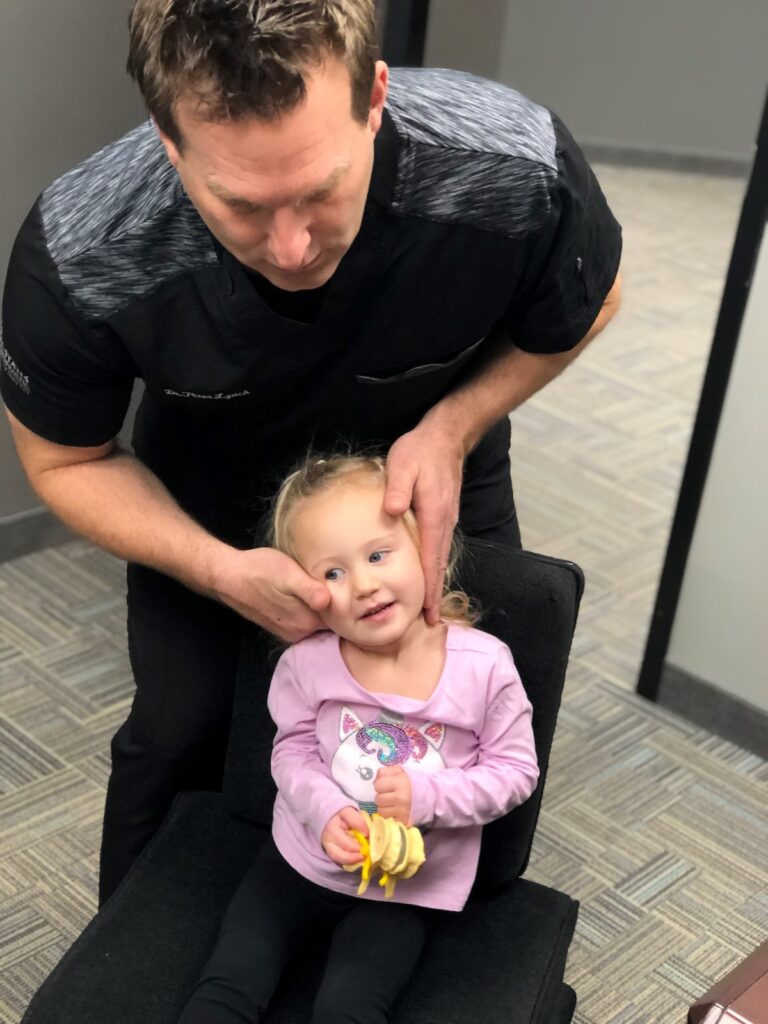
As a local chiropractor, I've seen many patients who struggle with back pain, especially those who are active in sports. If you've ever found yourself sidelined by discomfort during your favorite activities, you know how disheartening it can be.
It's essential to recognize the underlying causes of your back pain so that we can develop effective strategies for relief and allow you to fully enjoy your sports again.
One of the first steps in addressing back pain is understanding the importance of proper warm-ups. Engaging in appropriate stretching and mobility exercises can prepare your muscles and joints for the demands of your sport.
Additionally, strengthening your core is vital. A strong core supports your spine and can help prevent injuries.
As we delve into effective strategies for relief, remember that chiropractic care offers a natural approach to healing. We can work together to identify any misalignments in your spine that may be contributing to your discomfort.
Through gentle adjustments and personalized care plans, we can help restore proper function and alleviate pain.
So, what should you prioritize to achieve the best results? Let's explore these strategies together, focusing on how they can help you regain both comfort and performance in your athletic pursuits.
Your journey to a pain-free experience starts here!
Understand Your Pain
Understanding your pain is a vital first step toward finding effective relief, especially when it comes to sports-related back pain. As a local chiropractor, I want to help you pinpoint the source of your discomfort. Are you experiencing a sharp pain when you twist your body, or is it a dull ache that lingers after your games? Each type of pain can signal different underlying issues, and recognizing these patterns is crucial for addressing them effectively.
Take a moment to reflect on when your pain occurs. Does it flare up during specific activities, or does it become more noticeable after sitting for long periods? You might find that lifting weights or sprinting on the field brings it on. By identifying these triggers, you can make more informed decisions about your training and recovery practices.
Next, consider where the pain is located. Is it centralized in your lower back, or does it radiate down to your legs? Lower back pain is often linked to muscle strains or poor posture, while pain that travels into the legs may suggest nerve involvement. This distinction is significant in determining the best course of action for your recovery.
Be mindful of any accompanying symptoms as well. If you notice numbness, tingling, or weakness, it's important to seek a professional evaluation. Even seemingly minor issues can escalate if left unaddressed, and as your chiropractor, I can help guide you through these concerns.
Lastly, I encourage you to keep a journal of your pain patterns. Document the intensity, duration, and any activities that worsen or alleviate your discomfort. This record can be incredibly helpful during our consultations, allowing me to tailor a treatment plan specifically for your needs. Understanding your pain is the first step toward relief and getting you back to the activities you love—naturally and effectively. Let's work together to achieve your wellness goals!
Prioritize Proper Warm-Up
As a local chiropractor, I want to emphasize the importance of a proper warm-up before you engage in any sports activity. Many people underestimate how crucial it is to prepare your body for the physical demands ahead. Incorporating stretching and dynamic warm-up techniques can significantly decrease your risk of experiencing back pain during sports. By prioritizing this essential step, you'll not only get your muscles ready but also enhance your overall performance. Taking the time to warm up properly is a key part of maintaining a healthy spine and avoiding injuries, allowing you to enjoy your favorite activities with greater ease and confidence.
Importance of Stretching
As a local chiropractor, I want to stress the importance of a proper warm-up for anyone engaging in physical activity, particularly to prevent sports-related back pain and enhance overall performance. One of the most effective ways to prepare your body is through stretching. By integrating stretching into your routine, you are not only readying your muscles, tendons, and ligaments for the demands of exercise but also enhancing your flexibility and overall range of motion.
When you take the time to stretch before sports, you significantly lower your risk of injury. Stretching helps your muscles become more pliable, which reduces their susceptibility to strains and tears. Furthermore, it increases blood flow to your muscles, which enhances the delivery of oxygen and nutrients. This boost can lead to improved endurance and better performance during your activities.
It's crucial to pay special attention to the muscles that support your back. Stretching your hamstrings, hip flexors, and abdominal muscles can alleviate tension on your spine. A healthy spine is key to avoiding discomfort or pain during and after physical activity.
Dynamic Warm-Up Techniques
As a chiropractor, I often emphasize the importance of preparing your body for physical activity, not just through static stretching but with dynamic warm-up techniques. These methods are essential for getting your muscles ready, promoting flexibility, and reducing the risk of back pain. By incorporating these exercises into your routine, you are setting yourself up for better performance and a healthier spine.
Here are four dynamic warm-up techniques I recommend you try before engaging in any physical activity:
- Leg Swings: Find a wall or sturdy surface for support. Swing one leg forward and backward, then switch to the other leg. This exercise is fantastic for opening up your hips and warming up your legs, which is crucial for proper movement.
- Torso Twists: Stand with your feet shoulder-width apart and twist your torso side to side, allowing your arms to follow through. This motion helps to loosen your spine and engages your core, which is vital for stability during activity.
- Walking Lunges: Step forward into a lunge position, ensuring that your knee aligns properly and doesn't extend past your toes. Alternate legs as you walk forward. Walking lunges not only engage your legs but also strengthen your back, promoting better posture.
- High Knees: Jog in place while lifting your knees towards your chest. This exercise elevates your heart rate and activates your lower back, preparing your entire body for the demands of physical activity.
Incorporating these dynamic warm-up techniques into your routine can significantly decrease the risk of back pain and enhance your athletic performance. Remember, taking the time to warm up properly is an investment in your health and well-being. If you have any questions or need further guidance, feel free to reach out during your next visit!
Strengthen Core Muscles
Strengthening your core muscles is an essential aspect of alleviating sports-related back pain, and I want to share some valuable insights on this topic with you. A strong core plays a crucial role in providing stability and support to your spine, which helps reduce the strain on your back during physical activities.
To get started on your journey to a stronger core, it's important to focus on exercises that engage not only your abdominal muscles but also your lower back, hips, and pelvic floor. These areas work together to support your body, especially during sports.
One of the most effective exercises for this is the plank. Beginning with a basic plank position, aim to hold for 20-30 seconds. As you build strength, you can gradually increase your hold time. Side planks are also excellent for targeting your obliques, which enhances overall core stability.
Another fantastic exercise is the bridge. For this, lie on your back with your knees bent and feet flat on the ground. Lift your hips toward the ceiling while squeezing your glutes at the top. This movement not only strengthens your core but also engages your lower back and glutes, which are vital for overall stability.
Let's not forget about your lower back! Superman exercises are highly beneficial for this region. Lie face down, extend your arms and legs, and lift them off the ground simultaneously, holding for a few seconds before lowering them back down. This exercise can help strengthen the muscles that support your spine.
I recommend incorporating these exercises into your routine two to three times a week. Consistency is crucial, and over time, you will likely notice improved core strength and a reduction in back pain during sports activities. Remember, developing a strong core is not just about aesthetics; it's about enhancing your performance and protecting your back.
At our clinic, we emphasize the importance of natural healing and holistic approaches to health. Strengthening your core can be a significant step toward better overall wellness. If you have any questions or need further guidance, feel free to reach out. Your health is our priority!
Incorporate Stretching Routines
As a local chiropractor passionate about natural healing, I want to share how incorporating stretching routines into your regular workout can significantly improve your flexibility and help alleviate sports-related back pain. Many of my patients discover that prioritizing stretching not only enhances their range of motion but also reduces muscle tightness, which can lead to discomfort.
Here are some effective stretches that I recommend:
- Cat-Cow Stretch: This dynamic stretch is fantastic for warming up your spine and relieving tension in your back. By alternating between arching your back (cat) and dipping it (cow), you promote flexibility throughout your spine.
- Child's Pose: As a restorative stretch, Child's Pose is excellent for releasing lower back tension. Simply sit back on your heels, extend your arms forward, and relax your forehead on the ground. This pose encourages deep relaxation and can be particularly soothing.
- Hamstring Stretch: Many people are unaware that tight hamstrings can pull on the pelvis and strain the lower back. To perform this stretch, stand and gently reach for your toes, keeping your knees slightly bent to avoid injury. This will help alleviate any tension in your back.
- Hip Flexor Stretch: Tight hip flexors are another common contributor to back pain. To stretch them, step one foot forward into a lunge position, keeping your back leg straight. Gently push your hips forward to feel a nice stretch in the front of your hip.
I recommend holding each stretch for at least 20-30 seconds while breathing deeply. Consistency is crucial; aim to incorporate these stretches into your routine at least three times a week. Remember, stretching is not merely a warm-up; it is an integral part of your recovery process that can keep you moving pain-free in your favorite sports. As your chiropractor, I encourage you to embrace these stretches to foster a healthier, more flexible body.
Use Correct Posture
As your local chiropractor, I want to emphasize the importance of using correct posture to prevent back pain, especially during sports activities. Maintaining proper alignment and strengthening your core muscles are crucial steps in supporting your spine and minimizing strain. When your spine is aligned, your body can move more efficiently, which not only enhances your performance but also helps in reducing discomfort.
Additionally, the choice of ergonomic equipment plays a vital role in how your body feels both during and after physical activity. The right gear can help you maintain a healthy posture, further protecting your back and overall well-being. Remember, taking these steps can lead to a more enjoyable and pain-free experience in sports and daily activities. If you have any questions about posture or how chiropractic care can support your active lifestyle, please don't hesitate to reach out!
Importance of Alignment
As a local chiropractor, I want to emphasize the vital role that proper alignment plays during sports activities, not just for performance but also for preventing discomfort and pain, particularly in the back. When you maintain good posture, you minimize strain on your spine and surrounding muscles, allowing your body to function optimally. Here are four essential aspects to keep in mind:
- Head Position: It's important to keep your head in line with your spine. Avoid pushing your chin forward, as this can place unnecessary strain on your neck and back. Proper alignment helps reduce tension and promotes a healthier posture.
- Shoulder Alignment: Relaxing your shoulders is crucial. Hunched shoulders can lead to misalignment and discomfort. Aim to keep your shoulders down and back, which supports a neutral spine position and enhances your athletic performance.
- Hip Position: Ensuring your hips are level during any sports activity is key. This balance helps evenly distribute your weight and prevents excessive pressure on your lower back, reducing the risk of injury.
- Knee Tracking: Be mindful of your knees while engaging in movements. They should align with your toes to maintain proper alignment throughout your legs and back. This attention to detail can help prevent misalignments that may lead to pain or injury.
Strengthening Core Muscles
As a local chiropractor, I want to emphasize the importance of strengthening your core muscles for not only supporting your spine but also enhancing your overall athletic performance. A robust core acts as a stabilizer for your body during various movements, significantly reducing the risk of injury and alleviating back pain. When your core muscles are engaged, they play a crucial role in maintaining proper posture, which is essential for anyone involved in sports or physical activities.
To effectively strengthen your core, I recommend focusing on exercises such as planks, bridges, and abdominal crunches. Aim to incorporate these exercises into your routine at least three times a week. While performing these movements, be mindful of your posture—keep your back straight, shoulders relaxed, and actively engage your abdominal muscles. This proper alignment not only maximizes the benefits of your workouts but also fosters good habits in your everyday life.
In addition to these specific exercises, consider integrating core strength training into your regular sports practice. Whether you enjoy running, swimming, or playing basketball, consistently engaging your core will enhance your performance and protect your back from potential injuries.
It's also crucial to listen to your body during your exercises. If you experience pain, take a moment to assess your form and make adjustments as needed. Strengthening your core muscles is a journey that requires time and commitment, but the long-term benefits in injury prevention and athletic performance are well worth the effort. Remember, as your chiropractor, I am here to support you on this journey to better health and wellness.
Ergonomic Equipment Choices
As your local chiropractor, I want to emphasize the importance of choosing ergonomic equipment to help prevent sports-related back pain. Proper posture and comfort during physical activity are crucial for maintaining a healthy spine and overall well-being. Here are four ergonomic equipment choices that I recommend to support your body:
- Ergonomic Sports Chairs: If you find yourself sitting for extended periods—whether during practice, games, or even watching—invest in a chair that offers lumbar support. This type of chair encourages good posture and helps keep your spine aligned, reducing the risk of discomfort.
- Supportive Footwear: The shoes you wear play a significant role in your overall body mechanics. Select footwear specifically designed for your sport, ensuring they provide adequate arch support and cushioning. This will help absorb impact and lessen the stress on your back while you engage in your favorite activities.
- Adjustable Workstations: For those of you who work at a desk, I highly recommend considering a sit-stand workstation. Being able to alternate between sitting and standing can significantly relieve pressure on your spine, promoting better posture throughout your workday.
- Ergonomic Backpacks: When carrying your gear, opt for a backpack with padded straps and compartments that help distribute weight evenly. This design not only helps maintain your posture while you carry it, but it also minimizes strain on your back.
Apply Ice and Heat
As a local chiropractor dedicated to helping you alleviate sports-related back pain, I want to share some valuable insights on how applying ice and heat can significantly aid in your recovery. Understanding the proper use of these methods can be transformative in your healing journey.
When you experience acute pain or swelling from a recent injury, I recommend starting with ice. Ice therapy is effective in reducing inflammation and numbing the area, which can provide immediate relief. To apply ice, simply wrap an ice pack in a thin towel and place it on the affected area for about 15-20 minutes. It's important to allow your skin a break by removing the ice for at least an hour before reapplying. This approach can help minimize swelling and dull the pain, making you feel more comfortable as you recover.
Once the initial inflammation has subsided, transitioning to heat therapy can be highly beneficial. Heat promotes blood flow and relaxes tight muscles, making it particularly effective for chronic pain and muscle stiffness. You can use a heating pad or a warm towel, applying it to the sore area for 15-20 minutes. Just be sure to check that the heat isn't too intense to avoid burns, as your safety is paramount.
For those experiencing ongoing discomfort, alternating between ice and heat is a great strategy. This combination addresses both inflammation and muscle tension, providing a comprehensive approach to your treatment. Remember to listen to your body; if something doesn't feel right, don't hesitate to adjust your methods.
Incorporating these techniques into your routine can enhance your healing process and support your overall well-being. As your chiropractor, I'm here to guide you in exploring natural healing methods that work best for you. If you have any questions or need further assistance, please feel free to reach out.
Seek Professional Help
As a local chiropractor, I want to emphasize how crucial it is for athletes to seek professional help for sports-related back pain. Many individuals underestimate the impact that proper care can have on their performance and overall well-being. Ignoring pain or attempting to manage it on your own can lead to more serious complications later on. Here are four compelling reasons to consider chiropractic care:
- Accurate Diagnosis: As a chiropractic professional, I can provide a thorough assessment of your back pain. This allows us to pinpoint the exact causes and any underlying issues that you may not even be aware of, ensuring you receive the right care.
- Personalized Treatment Plans: Every athlete is unique, and so are their needs. I will work with you to create a tailored treatment plan that may include spinal adjustments, therapeutic exercises, and lifestyle modifications to enhance your recovery process.
- Prevent Further Injury: Early intervention is key. By addressing your back pain promptly, we can help you avoid chronic issues or more serious injuries that could keep you off the field or court for an extended period.
- Expert Guidance: In addition to treatment, I provide valuable insights on proper body mechanics, injury prevention strategies, and techniques to improve your performance. My goal is to help you excel while minimizing the risk of future injuries.
Don't allow back pain to become a barrier in your athletic career. Recognizing when to seek chiropractic care can significantly impact your recovery and overall athletic performance. Your health is an investment in your future success in sports, and you deserve to perform at your best without pain. Let's take that step together towards a pain-free athletic journey!
Conclusion
As a local chiropractor, I want to share some effective strategies for managing sports-related back pain that can help you experience relief naturally. It's essential to begin any activity with a proper warm-up to prepare your muscles and joints. Strengthening your core is vital, as it provides the support your back needs during physical activities. Additionally, maintaining good posture is crucial—whether you're playing a sport or simply going about your day.
Don't overlook the importance of stretching; it's a simple yet powerful way to enhance flexibility and reduce tension in your back. Applying ice or heat can also provide relief when you're feeling discomfort. Always pay attention to what your body is telling you; if something doesn't feel right, make the necessary adjustments to your routine.
If your pain continues despite these efforts, it's wise to seek professional help. As a chiropractor, I can tailor a treatment plan specifically for you, focusing on natural healing methods to address your back pain effectively. By implementing these steps, you'll be taking significant strides toward a healthier, pain-free sporting experience. Remember, your well-being is my priority, and I'm here to help you every step of the way!