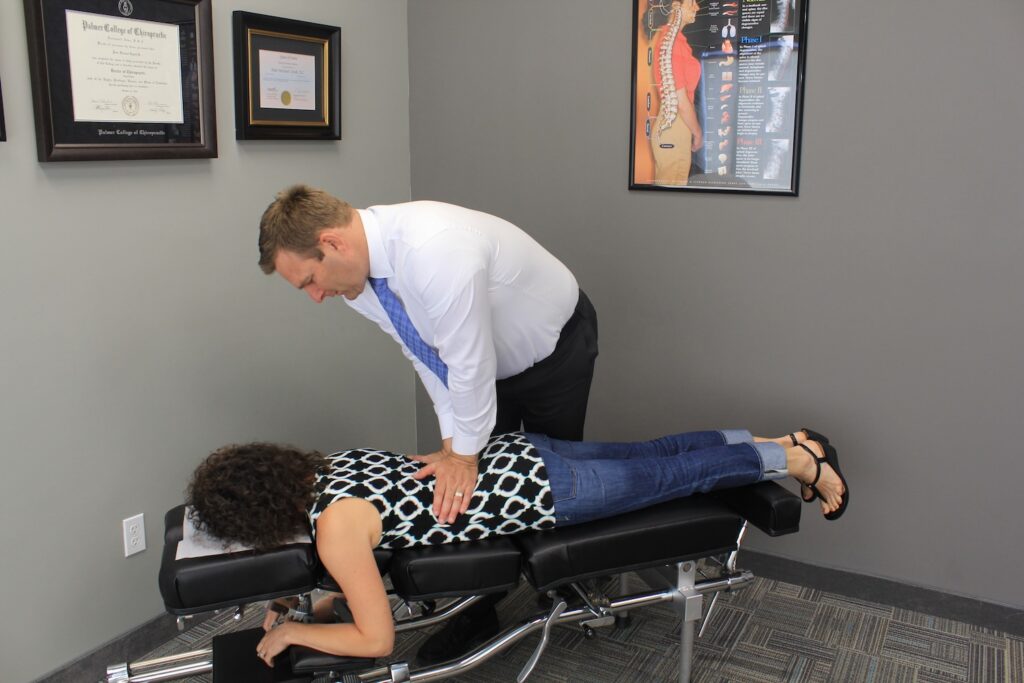
As a local chiropractor, I understand that many of you may be struggling with back pain and seeking effective relief. It's important to know that there are natural methods you can adopt to alleviate discomfort.
Three key techniques that I often recommend are gentle stretching, core strengthening, and proper posture maintenance.
Incorporating gentle stretches into your daily routine can significantly enhance your spinal flexibility, which is crucial for reducing tension in your back. Additionally, focusing on strengthening your core will provide your spine with the essential support it needs. A strong core not only helps stabilize your back but also aids in preventing future injuries.
Moreover, maintaining good posture during your daily activities plays a critical role in minimizing strain on your spine. By being mindful of your posture, whether sitting, standing, or lifting, you can significantly reduce the risk of aggravating your back pain.
Now, you may wonder how to seamlessly integrate these techniques into your lifestyle. Don't worry; I'm here to guide you through personalized stretches and exercises that fit your unique needs.
Together, we can explore these methods further to discover what works best for you and your journey toward relief and healing.
Stretching and Flexibility Exercises
As a local chiropractor, I want to share with you how stretching and flexibility exercises can significantly alleviate back pain and enhance your overall mobility. By integrating these exercises into your daily routine, you can improve your range of motion and reduce muscle tension, making daily activities more manageable.
I recommend starting with gentle stretches that target your back, hips, and legs. One of my favorite stretches is the cat-cow stretch, which promotes spinal flexibility and helps relieve tension. To perform this stretch, get on your hands and knees. Arch your back upward like a cat, then dip it down like a cow. Repeat this motion several times while breathing deeply—this can really help to synchronize your breath with your movements.
Another great option is the child's pose. Kneel on the floor, resting back on your heels, and extend your arms forward, lowering your chest toward the ground. Hold this position for several breaths, and you'll feel a soothing stretch in your lower back.
Don't overlook the importance of the hamstring stretch. Whether standing or sitting, extend one leg straight out in front of you while keeping the other leg bent. Reach for your toes and feel the stretch in the back of your thigh. Hold this position for 20 to 30 seconds before switching to the other leg.
Additionally, incorporating practices like yoga or Pilates into your routine can be highly beneficial. These forms of exercise focus on flexibility and body awareness, which are crucial for preventing future injuries.
Strengthening Core Muscles
As a local chiropractor, I want to emphasize the importance of strengthening your core muscles in conjunction with your chiropractic care. Many people often think of their core as just their abdominal muscles, but it actually encompasses a network of muscles in your back, hips, and pelvis. These muscles are crucial for supporting your spine and maintaining proper posture, which can significantly reduce back pain.
To enhance your core strength, consider incorporating exercises that engage all areas of your core. One excellent exercise is the plank. This movement activates multiple muscle groups and builds endurance. Start with a basic plank, holding the position for 20-30 seconds, and gradually increase the duration as your strength improves.
Another beneficial exercise is the bridge. By lying on your back with your knees bent and lifting your hips toward the ceiling, you engage your glutes and lower back. This exercise strengthens your entire posterior chain, which is essential for back support.
Additionally, rotational exercises like Russian twists can improve your core's stability and flexibility, providing crucial support during everyday activities. I recommend aiming for three sets of 10-15 repetitions to help build your endurance.
Proper Posture Techniques
As a local chiropractor, I want to share with you how important your posture is for maintaining spinal health and preventing back pain. Many people aren't aware that the way you sit, stand, or move has a significant impact on the alignment of your spine, which in turn affects how much strain is placed on your back.
Let's start with your stance. When standing, it's important to keep your feet shoulder-width apart and distribute your weight evenly. Be sure to keep your knees slightly bent—this helps avoid locking them and promotes better balance.
When you sit, aim to keep your back straight with shoulders relaxed, but not slouched. Ideally, you should choose a chair that supports the natural curve of your spine. Adjust the height of your chair so that your feet rest flat on the floor and your knees are at the same level as your hips. If you're working on a computer, position your screen at eye level to prevent leaning forward, which can strain your neck and back.
While standing, remember to engage your core muscles by tightening your abdominal area. This action provides essential support for your spine's natural curve. Keep your shoulders back and down; avoid letting your head jut forward, as this can lead to discomfort over time.
When lifting objects, always bend at your hips and knees instead of your waist. This technique allows you to use the strength of your legs to lift, which is much safer for your back. Keep the item close to your body to further reduce strain.
If you find yourself sitting for extended periods, it's critical to take regular breaks. Stand up, stretch, and walk around every 30 minutes to keep your muscles engaged and prevent stiffness. By incorporating these proper posture techniques into your daily routine, you can enhance your spinal health and significantly reduce your risk of back pain. Remember, taking care of your posture is a key step toward overall wellness.
Conclusion
As a local chiropractor, I want to share some effective techniques that can help relieve your back pain and enhance your overall comfort. One of the best approaches you can take is to incorporate gentle stretching, core strengthening exercises, and proper posture into your daily routine.
Regularly practicing stretches such as the cat-cow and child's pose can significantly benefit your spine. These stretches help to increase flexibility and reduce tension in your back muscles. Additionally, incorporating core-strengthening exercises like planks and bridges can provide essential support to your spine, improving your stability and reducing pain.
Furthermore, it's crucial to pay attention to your posture while sitting and standing. Maintaining proper alignment will help alleviate unnecessary strain on your back, promoting overall health. By embracing these techniques, you'll be well on your way to achieving a healthier, pain-free back. Remember, small changes can lead to significant improvements in your well-being!