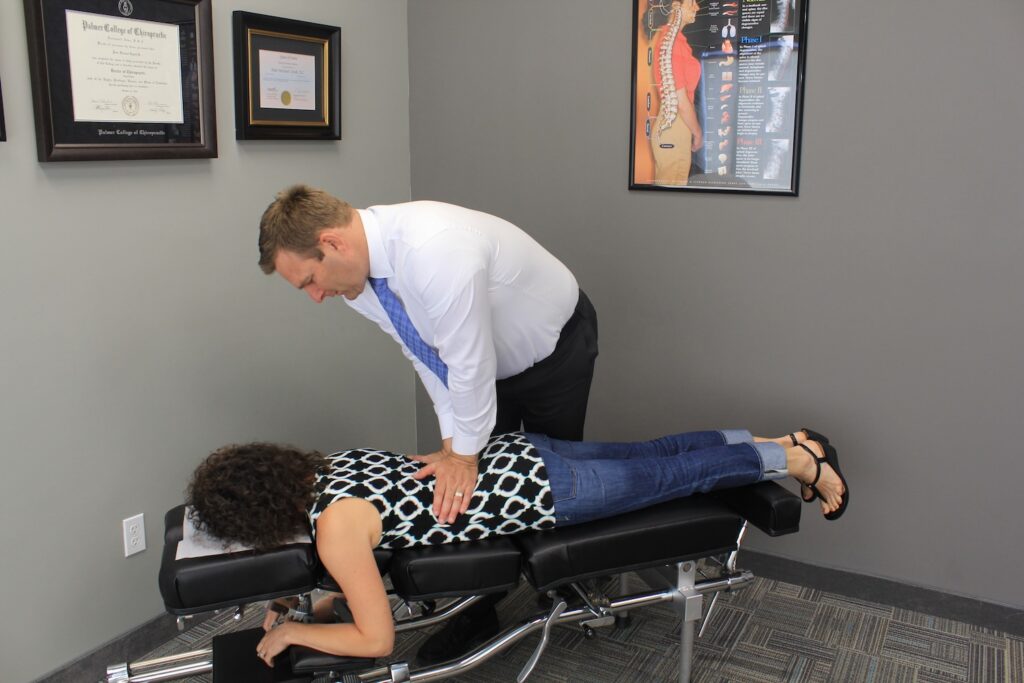
As a local chiropractor dedicated to your health and well-being, I want to share with you how managing neurological disorders naturally can be both effective and empowering. You may be surprised to learn that even small adjustments in your daily routine can lead to remarkable improvements in your condition.
By prioritizing a balanced diet, regular exercise, and effective stress management techniques, you can lay a strong foundation for your overall health.
Chiropractic care is not just about spinal adjustments; it plays a vital role in supporting your nervous system and enhancing your body's natural healing abilities. It's essential to find a holistic approach that resonates with you, and I am here to guide you in exploring various strategies that fit your lifestyle.
So, what specific steps can you take in your journey toward better health? The following tips are designed to assist you in making impactful changes that align with the principles of natural healing and chiropractic care.
Together, we can work towards a healthier, more balanced life.
Embrace a Balanced Diet
As a local chiropractor dedicated to holistic health and wellness, I want to emphasize the importance of a balanced diet in managing neurological disorders. The way you nourish your body can significantly impact your brain health, and it's crucial to consider the foods you consume.
Start by incorporating a wide variety of fruits and vegetables into your meals. These vibrant foods are full of antioxidants, which are essential in fighting oxidative stress and inflammation—key factors that can worsen neurological conditions.
Don't overlook the significance of healthy fats in your diet. Foods like avocados, nuts, seeds, and fatty fish such as salmon should become staples in your meals. Omega-3 fatty acids, in particular, are beneficial for supporting brain health and can enhance cognitive function.
Whole grains are another important component to include in your daily intake. They provide a consistent source of energy and deliver essential vitamins that help support overall brain activity.
We must also discuss the role of protein in your diet. Lean meats, legumes, and dairy products not only help keep you satisfied but are also vital for supplying amino acids that are necessary for the production of neurotransmitters. These neurotransmitters are crucial for regulating mood and cognitive function.
Lastly, I encourage you to be mindful of your portion sizes and the timing of your meals. Eating regular, balanced meals can help stabilize your blood sugar levels, which may positively influence your mood and energy. By focusing on these dietary principles, you can lay a solid foundation for better management of neurological disorders. Remember, it's not just about what you eat; it's about nourishing your brain with the right nutrients to support your overall health and well-being.
Stay Hydrated
As a local chiropractor, I want to emphasize the importance of staying hydrated for your overall health, particularly when it comes to managing neurological disorders. Many people may not realize that inadequate water intake can lead to dehydration, which can adversely affect brain function. By understanding the crucial connection between hydration and brain health, you can make informed choices that benefit your well-being. Remember, proper hydration is a simple yet powerful way to support your body's natural healing processes and enhance your chiropractic care experience. Let's work together to ensure you're not only aligned physically but also nourished from within.
Importance of Water Intake
As a chiropractor dedicated to your overall well-being, I want to emphasize the crucial role hydration plays in managing your health, especially when it comes to neurological function. Every part of your body, including your nervous system, relies on adequate water intake to perform optimally. Staying hydrated not only supports cognitive function and mood stability but also promotes overall brain health. Water is essential for transporting nutrients to your brain and flushing out toxins, which is vital for maintaining peak neurological performance.
Many people don't realize that even mild dehydration can affect mental clarity and focus. This aspect is particularly important for those dealing with neurological conditions, as your brain truly needs all the support it can get. I encourage you to make it a habit to drink water throughout the day, aiming for at least eight 8-ounce glasses, or more if you're active or live in a warmer climate.
Additionally, incorporating hydrating foods into your diet—such as fruits and vegetables—can significantly boost your fluid intake. Consider snacking on refreshing options like watermelon, cucumbers, or oranges. These not only provide hydration but also come packed with essential vitamins and minerals that contribute to your overall health. Remember, proper hydration is a simple yet powerful step towards enhancing your health and well-being!
Signs of Dehydration
As a local chiropractor, I want to take a moment to discuss an often-overlooked aspect of our overall health: hydration. Many people may not realize how crucial it is to stay adequately hydrated, and dehydration can sneak up on you, presenting subtle signs that shouldn't be ignored.
One of the first indicators of dehydration is thirst. If you're feeling thirsty, that's your body's way of signaling that it needs water. You may also notice your mouth or skin feeling dry, which are clear signs that your hydration levels are dropping.
It's important to pay attention to the color of your urine; if it appears darker than pale yellow, that could be a sign that you're not drinking enough fluids. Fatigue is another common symptom of dehydration. If you find yourself feeling unusually tired or sluggish, it might be time to reach for a glass of water. Moreover, headaches can also be a signal of dehydration, so it's essential not to dismiss them as mere stress-related issues.
Dizziness or lightheadedness, especially when standing up quickly, can also indicate that your body isn't getting enough fluids. This is a red flag that should be taken seriously. Additionally, you may experience muscle cramping, particularly during exercise, which can be linked to dehydration.
As your chiropractor, I emphasize the importance of being proactive about your hydration. Staying well-hydrated can significantly improve how you feel on a daily basis and support your overall health and wellness. So, please keep an eye out for these signs of dehydration, and remember to drink water regularly to meet your hydration needs. Your body will thank you!
Hydration and Brain Health
As a local chiropractor dedicated to promoting overall health and wellness, I want to highlight the crucial connection between hydration and brain health. Many people may not realize that water is vital for maintaining optimal brain function. Did you know that your brain is composed of approximately 75% water? Even minor dehydration can lead to cognitive challenges such as forgetfulness, a shortened attention span, and poor decision-making.
When you ensure proper hydration, your brain can communicate more effectively, which can significantly enhance your cognitive abilities. This is particularly important for those of you who may be dealing with stress or discomfort, as staying hydrated can help support your body's natural healing processes.
To maintain adequate hydration, I recommend aiming for at least eight 8-ounce glasses of water each day. However, it's essential to listen to your body; factors like physical activity, the weather, and your personal health needs may require you to drink more. Additionally, incorporating hydrating foods such as fruits and vegetables into your diet can further boost your water intake.
I encourage you to monitor your hydration levels throughout the day. Consider carrying a reusable water bottle and setting reminders to take regular sips. If you experience symptoms of dehydration—such as a dry mouth, fatigue, or headaches—it's important to act quickly to rehydrate. By prioritizing hydration, you're not only supporting your physical well-being but also enhancing your brain function, which can alleviate some symptoms associated with neurological disorders.
Stay proactive about your hydration, and you may notice a positive difference in your cognitive health and overall wellness. Remember, at our chiropractic office, we believe in a holistic approach to health, and proper hydration is a key component of that philosophy.
Incorporate Regular Exercise
Incorporating regular exercise into your daily routine can be incredibly beneficial for managing neurological disorders, and as your local chiropractor, I want to emphasize how this practice aligns with natural healing and holistic health. Exercise is not merely about maintaining physical health; it has a direct positive impact on your brain's function and emotional well-being. Engaging in physical activity stimulates the release of endorphins, which can significantly help in reducing anxiety and enhancing your mood. This is particularly crucial for individuals dealing with neurological conditions, as emotional stability is essential for overall health.
I recommend aiming for at least 150 minutes of moderate aerobic activity each week. This can include enjoyable activities such as walking, swimming, or cycling. Remember, you don't need to jump into high-intensity workouts right away; even gentle exercises like yoga or tai chi can greatly improve your balance, flexibility, and strength. Enhancing these aspects of your physical health can lead to better coordination and a lower risk of falls, which is particularly important for those with certain neurological disorders.
Moreover, regular exercise plays a vital role in boosting cognitive function. Research has demonstrated that physical activity encourages neuroplasticity, which is the brain's remarkable ability to adapt and reorganize itself. This is critical for recovery and rehabilitation, especially in the context of chiropractic care. To help you stay motivated, I suggest setting realistic goals and tracking your progress. Finding an exercise buddy or joining a local class can also transform your exercise routine into a more enjoyable and social experience.
As your chiropractor, I am here to support you in establishing a well-rounded approach to health that includes regular exercise, as it complements the benefits of chiropractic care and promotes a holistic path to wellness.
Practice Mindfulness and Meditation
As a local chiropractor, I want to emphasize the importance of incorporating mindfulness and meditation into your daily routine, especially if you're managing neurological disorders. These practices can complement your chiropractic care by enhancing your ability to focus on the present moment and reducing the stress and anxiety that often accompany these conditions.
By integrating mindfulness into your life, you can train your mind to recognize thoughts and feelings without judgment, which fosters a greater sense of calm. I encourage you to start with just a few minutes each day. Find a quiet spot where you can sit comfortably, close your eyes, and focus on your breath. When distractions arise—and they will—gently redirect your attention back to your breathing. This simple practice not only brings tranquility but also heightens your awareness of bodily sensations, helping you to connect with your body in a meaningful way, which is vital in the healing process.
Meditation can also be incredibly beneficial and comes in various forms. You might explore guided meditations, where an instructor leads you, or practice silent meditation, where you sit in stillness. I recommend experimenting with different styles to discover what resonates with you. Even a few minutes of meditation can have a profound impact, enhancing your emotional resilience and mental clarity, complementing the physical adjustments you receive in chiropractic care.
As you establish a consistent mindfulness and meditation practice, you may notice significant improvements in your overall well-being. These techniques can serve as powerful tools to help you manage the challenges associated with neurological disorders, allowing you to regain a sense of control and peace in your life. Remember, the goal is not perfection but progress—every moment dedicated to mindfulness contributes to your healing journey.
Explore Herbal Remedies
As a local chiropractor dedicated to holistic health, I want to share how herbal remedies can be a valuable part of managing neurological disorders. These natural options can complement your chiropractic care and support your overall well-being.
One herb you might consider is Ginkgo biloba. It's well-regarded for its potential to enhance cognitive function and memory, which can be particularly beneficial for those experiencing neurological challenges. If you find yourself dealing with anxiety or stress, ashwagandha is an adaptogenic herb that may assist your body in coping with these stressors, promoting a sense of balance.
Turmeric is another powerful herb to explore. It contains curcumin, a compound known for its anti-inflammatory properties that could help alleviate neurological inflammation. Additionally, herbs like peppermint and rosemary can support mental clarity and focus, which might help sharpen your cognitive abilities.
If sleep disturbances or anxiety are part of your experience, consider incorporating chamomile into your routine. Its calming effects can be beneficial for promoting restful sleep and reducing anxiety linked to neurological conditions.
I encourage you to consult with a healthcare professional before starting any herbal remedies. They can guide you on the appropriate dosages and check for any possible interactions with medications you may be taking. Remember, everyone's body is different, so it may take some time to discover the right combination of herbs that works for you. Together with chiropractic care, these natural remedies can enhance your journey toward improved health and well-being.
Prioritize Sleep Hygiene
As a local chiropractor dedicated to your overall well-being, I want to emphasize the vital role quality sleep plays, especially for those managing neurological disorders. Adequate rest is crucial for maintaining cognitive function and emotional balance. Here are some practical tips to enhance your sleep hygiene and support your health naturally.
First, it's important to establish a consistent sleep schedule. Aim to go to bed and wake up at the same time every day, including weekends. This routine helps regulate your body's internal clock, making it easier for you to fall asleep and wake up feeling refreshed.
Creating a calming bedtime routine is also essential. Engage in relaxing activities, such as reading a book, taking a warm bath, or practicing gentle stretches. It's beneficial to avoid screens—like phones, tablets, and televisions—at least an hour before bed. The blue light emitted from these devices can interfere with your natural sleep cycle, making it harder for you to drift off.
Your sleep environment should promote restfulness. Keep your bedroom dark, cool, and quiet. Consider using blackout curtains, earplugs, or a white noise machine to minimize distractions. Additionally, investing in a comfortable mattress and supportive pillows can significantly enhance your sleep quality.
Pay attention to your diet and caffeine intake as well. It's wise to limit caffeine, particularly in the afternoon and evening. Avoid heavy meals right before bedtime, as they can cause discomfort and disrupt your ability to sleep soundly. If you find yourself hungry before bed, opt for a light snack.
Lastly, incorporating regular physical activity into your daily routine can greatly improve your sleep. Exercise helps you fall asleep faster and enjoy deeper rest. However, be cautious about engaging in vigorous workouts too close to bedtime, as they can leave you feeling energized rather than relaxed.
Manage Stress Effectively
As a local chiropractor, I believe that managing stress effectively is crucial for your overall well-being, particularly for those dealing with neurological disorders. High stress levels can worsen symptoms and diminish your quality of life. By incorporating effective stress management techniques into your routine, you can achieve a more balanced and peaceful state of mind. Here are some practical strategies that I often share with my patients:
- Practice Mindfulness: Taking just a few minutes each day to focus on your breath or engage in mindfulness meditation can be incredibly beneficial. This practice helps to center your thoughts and alleviate anxiety, making it easier for your body to heal.
- Engage in Physical Activity: Regular exercise is not only great for your physical health, but it also serves as a powerful stress reliever. Activities like brisk walking, yoga, or even dancing can release endorphins, which are natural mood lifters. As a chiropractor, I often recommend gentle exercises that promote flexibility and strength, supporting your body's overall function.
- Limit Exposure to Stressors: It's important to identify what triggers your stress. Once you recognize these stressors, you can take steps to limit your exposure. This might involve setting boundaries with certain individuals or reducing your screen time, especially on social media, to create a more peaceful environment.
- Cultivate Hobbies: Engaging in activities that you love is a wonderful way to channel your energy positively. Whether it's painting, gardening, or diving into a good book, hobbies provide a healthy distraction and help you relax. As part of your holistic care, I encourage you to explore what brings you joy and make time for it in your life.
Establish a Support Network
As a local Chiropractor, I want to emphasize the importance of establishing a robust support network to help you manage neurological disorders effectively. It's crucial to seek professional guidance, not just from healthcare providers like myself, but from a range of specialists who understand your condition. Connecting with support groups can also be invaluable; these groups can offer shared experiences and insights that can lighten your emotional load. Additionally, fostering strong relationships with family members can create a nurturing environment where you feel understood and encouraged. Together, these connections form a holistic support system that can significantly enhance your journey toward better health and well-being. Remember, you don't have to navigate this path alone!
Seek Professional Guidance
Navigating the complexities of neurological disorders can be daunting, but building a strong support network is essential for your healing journey. As a local chiropractor, I want to emphasize the importance of seeking professional guidance, which is a vital step towards managing your condition naturally.
Here are four ways to ensure you're receiving the right support through chiropractic and holistic care:
- Consult a Chiropractor: Reach out to a chiropractor who specializes in neurological health. They can assess your spinal alignment and nervous system function, providing tailored adjustments and therapies that may alleviate symptoms associated with your disorder.
- Mind-Body Therapists: Consider working with a mental health professional who understands the connection between physical health and emotional well-being. Techniques like mindfulness and stress management can be incredibly beneficial in your overall treatment plan.
- Nutrition Guidance: A nutritionist who focuses on natural healing can help you create a dietary plan that supports your neurological health. Eating the right foods can have a profound impact on your brain function and overall vitality.
- Rehabilitation Specialists: Collaborating with physical and occupational therapists can help you regain mobility and improve daily functioning. They can design exercises that not only enhance your physical capabilities but also complement chiropractic care.
Connect With Support Groups
Connecting with support groups can be a vital part of your journey in managing neurological disorders, and as your local chiropractor, I want to emphasize the importance of community in your healing process. When you engage with others who share similar experiences, it creates a sense of belonging and understanding that can be incredibly beneficial for your overall health.
Support groups offer a unique platform where you can openly express your feelings, share the challenges you face, and celebrate your victories, no matter how small they may seem. As a chiropractor, I often see the positive impact that emotional and mental well-being has on physical health. By connecting with others, you can gain practical advice and coping strategies that align with holistic approaches to wellness, which I advocate in my practice.
Listening to the stories of others can inspire hope and resilience, reminding you that you're not alone on this journey. It's also a great way to reduce feelings of isolation and anxiety that can accompany neurological conditions. This emotional support can complement the physical adjustments and care I provide, creating a more comprehensive approach to your well-being.
Finding these supportive communities is more accessible than you might think. Many groups are available online, allowing you to connect with others from the comfort of your home. Additionally, local organizations often host regular meetings, which can foster deeper, face-to-face connections and enhance your support network.
I encourage you to reach out and actively participate in a support group. Engaging with others who understand your experiences can empower you, improve your emotional well-being, and enhance your overall quality of life as you navigate the complexities of your condition. Together, we can work towards a healthier, more balanced life.
Foster Family Relationships
While connecting with support groups is incredibly valuable, nurturing relationships with family can significantly enhance your overall support network, especially when it comes to health and wellness. As a chiropractor, I understand the importance of having a reliable family support system, particularly when addressing neurological disorders or other health issues. Here are some ways to strengthen those family ties and improve your well-being:
- Communicate Openly: Encourage open dialogue with your family about your health concerns and experiences. Sharing your feelings can help them understand your challenges, fostering empathy and a stronger connection.
- Educate Your Family: Provide them with information about chiropractic care and how it can assist in your healing process. The more they understand about natural healing methods and your specific condition, the better they can support your journey to wellness.
- Create a Wellness Plan Together: Collaborate with your family to develop a holistic wellness plan. This could include scheduling chiropractic appointments, discussing exercise routines, or planning healthy meals—all of which ensure everyone is aligned in supporting your health.
- Engage in Healthy Activities Together: Spend quality time with your family engaging in activities that promote health and well-being. Whether it's practicing yoga, going for a nature walk, or preparing nutritious meals together, these shared experiences can strengthen your bond and contribute to a healthier lifestyle for everyone.
Limit Alcohol and Caffeine
As a local chiropractor, I want to share some important insights about how limiting alcohol and caffeine can significantly benefit your overall health, particularly when it comes to managing neurological disorders. Many people may not realize that both alcohol and caffeine can have profound effects on the nervous system, leading to increased anxiety, poor sleep quality, and exacerbated symptoms of various conditions.
Let's start with alcohol. While it may seem like a way to unwind, alcohol acts as a depressant and can interfere with your body's natural healing processes. It can worsen mood swings, disrupt cognitive function, and even interact negatively with medications you may be taking. Instead of reaching for a drink, consider healthier alternatives such as herbal teas or sparkling water. These options can help promote relaxation without the adverse effects associated with alcohol consumption.
Caffeine is another substance to be mindful of. As a stimulant, it can heighten anxiety levels and disturb your sleep patterns. If you're someone who regularly consumes coffee or energy drinks, I encourage you to gradually reduce your intake. You can start by replacing one caffeinated drink each day with a decaffeinated option or a soothing herbal infusion. This gradual approach can help ease any withdrawal symptoms while still allowing you to enjoy your favorite beverages.
Additionally, it's essential to be aware of hidden sources of caffeine, which can be found in foods like chocolate and certain medications. Keeping a food diary may be beneficial in tracking your consumption and recognizing any patterns. Remember, even small adjustments can lead to significant improvements in your overall well-being. By limiting alcohol and caffeine, you're taking a proactive step towards better managing your neurological health and enhancing your quality of life.
At our chiropractic practice, we believe in a holistic approach to wellness, and making these lifestyle changes can complement the care you receive. If you have any questions or need support in making these changes, feel free to reach out. Your health journey is important to us!
Consider Acupuncture and Massage
As a local chiropractor, I want to share some insights on how natural therapies like acupuncture and massage can be beneficial in managing neurological disorders. Acupuncture works by stimulating specific points on your body, promoting pain relief and enhancing overall function. It's a gentle yet effective method that can complement your chiropractic care.
Similarly, various massage techniques are excellent for targeting tension in the body and can significantly enhance your overall well-being. Incorporating these therapies into your wellness routine can provide you with valuable tools for improving your health naturally. If you have any questions about how these treatments can work alongside chiropractic care, feel free to ask during your next visit!
Benefits of Acupuncture
As a local chiropractor, I want to share valuable insights about acupuncture and its role in natural healing, especially for those managing neurological disorders. Many individuals have found that acupuncture serves as an excellent complementary therapy alongside chiropractic adjustments and massage. This ancient technique involves the insertion of fine needles into specific points on the body, which can help promote healing and restore balance. Here are some key benefits you might experience from acupuncture:
- Pain Relief: Acupuncture has been shown to effectively alleviate pain, making it a great option for managing discomfort related to neurological conditions.
- Improved Circulation: This practice can enhance blood flow, which is crucial for delivering oxygen and essential nutrients to your nervous system, supporting overall function.
- Reduced Stress and Anxiety: The calming effects of acupuncture can significantly lower stress levels, which is particularly important as stress can worsen neurological symptoms.
- Enhanced Overall Well-Being: Regular acupuncture sessions can boost your mood and energy, leading to a more balanced and fulfilling life.
Incorporating acupuncture into your wellness routine, especially in conjunction with chiropractic care and massage, can provide a holistic approach to managing your symptoms and enhancing your quality of life. If you're curious about how acupuncture can fit into your health journey, I encourage you to consult a licensed practitioner who can tailor the treatment to your specific needs and goals.
Massage Techniques for Relief
As a local chiropractor, I want to share how massage techniques can be a powerful addition to your journey towards relief and overall well-being, especially when managing neurological disorders. While many people are familiar with acupuncture, incorporating massage therapy into your treatment plan can enhance your results significantly.
Massage therapy is known for its ability to reduce muscle tension, improve circulation, and alleviate anxiety—benefits that can complement chiropractic care beautifully. There are various types of massage you might consider, including Swedish, deep tissue, and myofascial release. Each type serves a specific purpose: for example, Swedish massage is excellent for relaxation and can help relieve stress-related symptoms, while deep tissue massage focuses on the deeper layers of muscle tissue to alleviate chronic tension.
When seeking relief, it's important to pay attention to areas that commonly hold stress, such as the neck, shoulders, and lower back. Be sure to communicate openly with your massage therapist about your specific neurological condition and any areas of discomfort. This allows them to customize your session to better suit your individual needs.
Incorporating regular massage sessions into your routine can significantly enhance your overall sense of well-being and complement the benefits of chiropractic adjustments. The combination of chiropractic care and massage therapy not only helps in managing symptoms but also fosters a deeper connection to your body, promoting healing and balance. Always remember to consult with your healthcare provider before embarking on any new treatment plan. Together, we can work towards your health goals in a holistic manner.
Conclusion
As a local chiropractor, I want to share some valuable insights on managing neurological disorders through natural methods. By incorporating these strategies into your daily routine, you can take proactive steps toward supporting your brain health.
First and foremost, maintaining a balanced diet is crucial. Eating nutrient-rich foods can provide your brain with the essential vitamins and minerals it needs to function optimally. Regular exercise is equally important; it not only boosts your physical health but also enhances your mental well-being.
Mindfulness practices, such as meditation and yoga, can significantly improve your mental clarity and reduce stress, which is vital for neurological health. Additionally, staying well-hydrated and limiting your intake of alcohol and caffeine can make a noticeable difference in how you feel.
I encourage you to explore herbal remedies that may offer support for your condition, and don't overlook the benefits of building a supportive network of friends and family. This emotional support can be a game-changer in your healing journey.
Lastly, consider incorporating alternative therapies, such as acupuncture, which can complement chiropractic care and may further enhance your overall well-being. Remember, it's all about taking small, consistent steps that can lead to meaningful improvements in your health. I'm here to help you navigate this path toward natural healing.