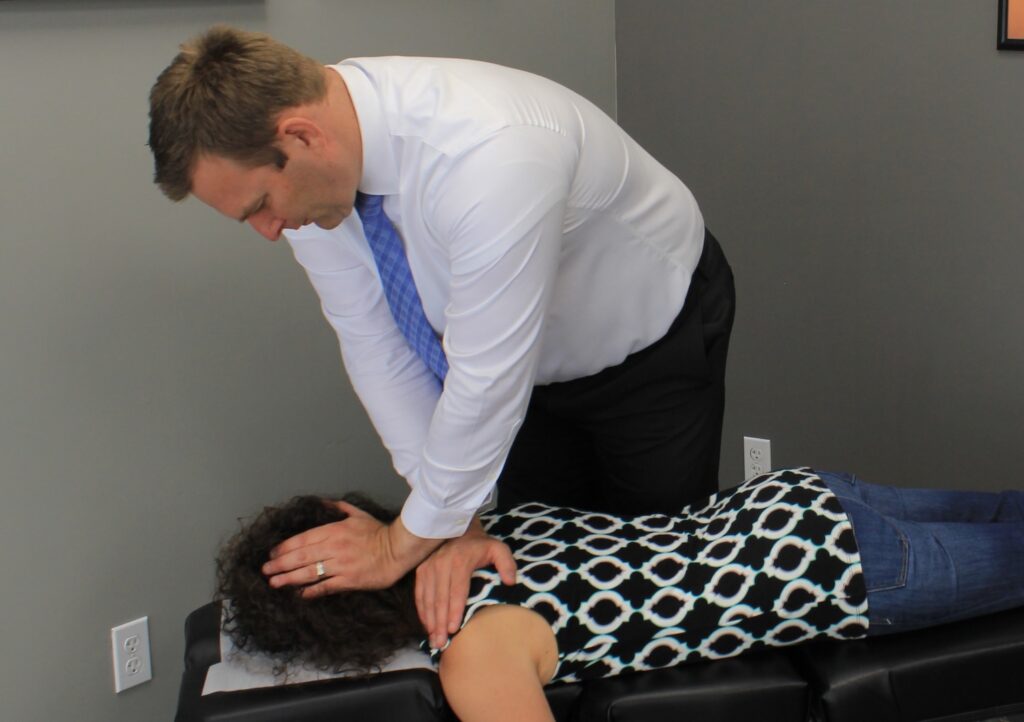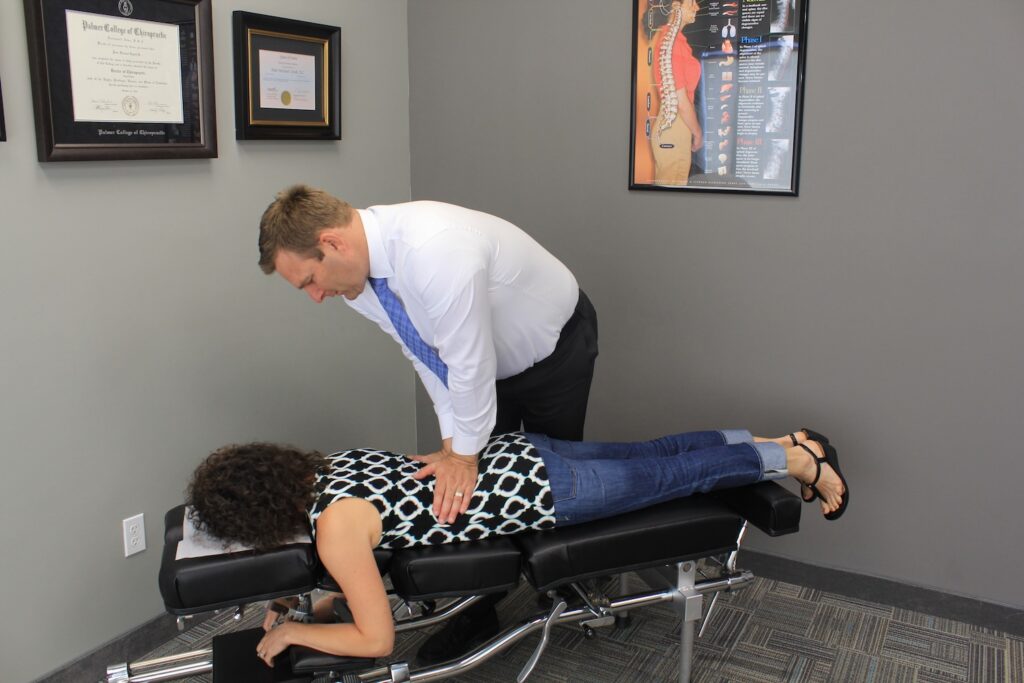
As a local chiropractor, I understand that living with chronic back pain can be incredibly challenging and can significantly impact your everyday activities. It's crucial to recognize that finding relief often involves a comprehensive approach tailored to your unique needs.
To begin, we can focus on improving your posture and incorporating specific exercises that strengthen your back and core. However, these initial steps are just the foundation. Exploring additional techniques, such as heat therapy or stress management strategies, can further enhance your recovery.
It's important to remember that the journey to alleviating back pain can be complex, but knowing the right steps to take can truly make a difference. So, what are the ten actionable steps you can implement to start your healing process and improve your quality of life? Let's work together to find the best path for you.
Understand Your Pain
Understanding your pain is essential for finding effective relief from chronic back issues, and as a chiropractor, I'm here to help you navigate this journey. The first step is to identify the specific characteristics of your pain. Is it sharp, dull, or throbbing? Does it radiate to other parts of your body? Recognizing these details can aid both you and me in developing a tailored treatment plan that addresses your unique situation.
Next, let's examine when your pain tends to occur. Do you notice it worsening after long periods of sitting or standing? By tracking these patterns, we can identify activities or postures that may be contributing to your discomfort. I encourage you to keep a pain journal where you can note the intensity, duration, and triggers of your pain. This information will be invaluable when we discuss your treatment options.
It's also crucial to understand the underlying causes of your chronic back pain. Common issues I encounter in my practice include muscle strain, herniated discs, and conditions like arthritis. Knowing the root cause of your pain enables us to create an effective treatment plan that may include chiropractic adjustments, lifestyle changes, or other natural therapies that can promote healing.
Lastly, I want to emphasize the emotional component that often accompanies chronic pain. Many patients experience anxiety and depression as they cope with ongoing discomfort, which can create a challenging cycle. Recognizing this connection can motivate you to explore holistic approaches, such as mindfulness techniques or cognitive-behavioral therapy, alongside chiropractic care.
Together, we can work towards a comprehensive understanding of your pain and develop a natural healing approach that paves the way for relief and improved well-being.
Maintain Good Posture
As a local chiropractor, I want to emphasize the importance of maintaining good posture for preventing and alleviating chronic back pain. Many people may not realize that simple adjustments to how you sit and stand can have a profound impact on your overall health.
While using ergonomic furniture is certainly beneficial, it's equally crucial to regularly check in on your posture throughout the day.
Here are some practical tips to help you stay aligned and comfortable:
- Mind Your Sitting Position: When seated, ensure that your back is straight, shoulders relaxed, and feet flat on the floor. Consider using a small cushion to support your lower back.
- Stand Tall: When standing, distribute your weight evenly on both feet and engage your core muscles. Imagine a string pulling you upward from the crown of your head.
- Take Breaks: If you're sitting for long periods, make it a point to stand up, stretch, and walk around every hour. This helps maintain blood circulation and keeps your muscles active.
- Stay Aware: Throughout your day, take a moment to check in with your body. Are your shoulders hunched? Is your head jutting forward? Being mindful of your posture can prevent bad habits from forming.
- Seek Professional Guidance: If you're experiencing discomfort or chronic pain, I encourage you to schedule a consultation with me. Together, we can develop a personalized plan to improve your posture and overall well-being.
Remember, good posture isn't just about looking confident; it's a vital component of your health.
Let's work together to keep your spine aligned and your body feeling its best!
Importance of Ergonomic Furniture
As a chiropractor, I often see the impact that long periods of sitting can have on your spinal health. That's why I emphasize the importance of ergonomic furniture to my patients. Investing in ergonomic chairs and desks isn't just a luxury; it's a vital step toward maintaining proper posture and supporting your spine.
Take, for example, the ergonomic chair. It should offer lumbar support that aligns with the natural curve of your lower back. This support encourages you to sit upright, which can prevent slouching and the discomfort that often accompanies it.
Features such as adjustable seat height and armrests are essential—they allow you to tailor the chair to your specific needs, ensuring that your feet remain flat on the ground and your knees are at a right angle.
Similarly, an ergonomic desk is crucial for positioning your computer monitor at eye level. This adjustment helps to reduce neck strain, allowing you to work more comfortably and focus on your tasks without the distraction of pain.
Incorporating ergonomic furniture into your workspace isn't merely a passing trend; it's a proactive approach to your overall health and well-being. By making these thoughtful adjustments, you can alleviate chronic back pain and enhance your daily comfort, paving the way for a healthier lifestyle.
Daily Posture Check Tips
As a local chiropractor, I want to emphasize the importance of maintaining good posture for your overall health and well-being. While ergonomic furniture can certainly help, it's only one piece of the puzzle. To truly support your spine and prevent discomfort, it's essential to be proactive about posture checks throughout your day.
I recommend setting reminders on your phone or computer to prompt you every hour to assess your posture. When the alarm goes off, take a moment to sit or stand up straight, ensuring that your ears, shoulders, and hips are aligned. This simple adjustment can make a significant difference in how your body feels.
It's also important to evaluate the height of your screens. Your monitor should be positioned at eye level to prevent unnecessary strain on your neck. If you're working on a laptop, consider investing in a stand or using an external keyboard and mouse to create a more ergonomic setup.
When seated, keep your feet flat on the floor and your knees at a right angle. If you notice yourself slouching or leaning forward, gently correct your posture. Remember, each time you make these small adjustments, you're contributing to your spinal health.
Incorporating stretching into your daily routine can also be incredibly beneficial. Simple neck and shoulder stretches can help relieve tension and keep your muscles engaged.
By consistently checking your posture and making these small changes, you're not only fostering a healthier spine but also significantly reducing your risk of chronic back pain.
As your chiropractor, I encourage you to take these steps seriously. Your posture is a key player in your health, and together we can work towards a more balanced and pain-free life.
Incorporate Regular Exercise
As a local chiropractor, I often see patients who are struggling with chronic back pain. One of the most effective ways to manage and alleviate this discomfort is by incorporating regular exercise into your daily routine. Engaging in physical activity not only strengthens the muscles that support your spine but also improves flexibility and enhances your overall body mechanics.
To experience the benefits of exercise, consistency is essential. Aim for at least 150 minutes of moderate aerobic activity each week, making sure to include exercises that specifically target your back and core muscles.
Here are some practical ways to seamlessly integrate exercise into your lifestyle:
- Walking: This is a simple yet powerful way to stay active. Regular walking can enhance circulation and help strengthen your back muscles without putting undue strain on them.
- Swimming: The buoyancy of water supports your body, alleviating pressure on your joints and back while allowing for a comprehensive workout that engages multiple muscle groups.
- Cycling: Whether you prefer a stationary bike or cycling outdoors, this activity helps to strengthen your legs and core, which are crucial for providing support to your back.
- Yoga: A wonderful low-impact exercise, yoga promotes flexibility and strengthens core muscles. It also teaches you proper alignment and breathing techniques that can contribute to better posture and reduced pain.
- Pilates: This form of exercise focuses heavily on core strength, which is vital for stabilizing your spine and improving your posture, ultimately leading to a reduction in back pain.
By incorporating these activities into your routine, you can take significant steps toward improving your spinal health and overall well-being.
Stretch and Strengthen
As a local chiropractor, I want to share some important insights about managing chronic back pain through natural healing methods.
One of the most effective ways to do this is by focusing on flexibility and core strength. By incorporating a daily stretching routine and targeted exercises into your life, you can significantly improve the resilience of your back muscles.
It's essential to understand that by prioritizing these elements, you not only reduce pain but also enhance your overall mobility. Regular stretching can help to relieve tension and improve your range of motion, while strengthening your core provides the support your spine needs to function optimally.
Importance of Flexibility
As a local chiropractor, I want to emphasize the vital role that flexibility plays in managing chronic back pain. Flexibility directly affects your range of motion and overall strength, which is crucial for maintaining a healthy spine.
When your muscles, tendons, and ligaments are flexible, they provide better support for your spine, helping to minimize the risk of injury and discomfort. I encourage you to incorporate stretching routines into your daily life, as they can lead to significant improvements in your overall well-being.
Here are some key benefits of enhanced flexibility that I often share with my patients:
- Increased Range of Motion: When your muscles are looser, you'll find that movements become smoother and daily activities, such as bending and lifting, become easier.
- Reduced Muscle Tension: Regular stretching can alleviate tightness in your back and surrounding areas, promoting relaxation and comfort.
- Improved Posture: Flexible muscles support better alignment, which is essential for maintaining a healthy posture and reducing strain on your spine.
- Enhanced Circulation: Stretching increases blood flow to your muscles, providing essential nutrients and helping to speed up recovery from any discomfort you may be experiencing.
- Lower Risk of Injury: When your muscles and joints are flexible, they're less susceptible to strains and sprains during physical activities, making it safer for you to engage in exercise or everyday tasks.
By focusing on flexibility as part of your holistic approach to health, you can empower yourself to manage chronic back pain more effectively.
If you have any questions or would like personalized guidance, feel free to reach out!
Core Muscle Exercises
As a local chiropractor, I want to emphasize the importance of strengthening your core muscles for enhancing your overall health and well-being. A strong core not only provides stability and support to your spine but can also significantly alleviate chronic back pain that many of my patients experience.
By improving your core strength, you can maintain proper posture and reduce the strain on your back during everyday activities.
I recommend starting with fundamental exercises like planks, bridges, and pelvic tilts. These exercises engage multiple muscle groups, contributing to better stability in your body.
For example, when performing a plank, position yourself face down with your forearms resting on the ground. It's crucial to keep your body in a straight line from your head to your heels while contracting your core. Aim to hold this position for 20 to 30 seconds, and as you build strength, gradually increase your hold time.
Another effective exercise is the bridge. To perform this, lie on your back with your knees bent. Lift your hips toward the ceiling by squeezing your glutes and engaging your core, then lower them back down. This movement is fantastic for building strength in your lower back and abdominal muscles.
Incorporating these core exercises into your routine two to three times a week can lead to significant improvements in your core strength. As you build endurance, you may notice a decrease in back pain and an increase in your ability to perform daily tasks with greater ease.
Always remember to listen to your body and modify exercises as necessary to avoid any strain. If you have any questions or need guidance on how to safely incorporate these exercises into your routine, feel free to reach out to me for personalized advice.
Your journey to a healthier spine starts with a strong core!
Daily Stretching Routine
As a local chiropractor dedicated to your health, I want to share the importance of incorporating a daily stretching routine alongside core muscle exercises. Stretching plays a vital role in enhancing your back health and overall flexibility.
Not only does it help alleviate muscle tension, but it also promotes better blood circulation, which can speed up recovery and improve mobility. By dedicating just a few minutes each day to stretching, you can significantly lower your chances of experiencing back pain flare-ups.
Here are some effective stretches I recommend including in your daily routine:
- Cat-Cow Stretch: This gentle movement warms up your spine and helps relieve tension in your back.
- Child's Pose: A calming pose that lengthens your spine and relaxes your back muscles, providing a soothing relief.
- Seated Forward Bend: This stretch targets your hamstrings and lower back, easing tightness and promoting relaxation.
- Torso Twist: A fantastic way to enhance spinal flexibility while releasing built-up tension in your back and hips.
- Knee-to-Chest Stretch: This stretch elongates your lower back and alleviates pressure on your spine.
I recommend holding each stretch for 15-30 seconds, focusing on deep, calming breaths throughout the process.
By committing to this daily practice, you'll not only cultivate a more resilient back but also improve your overall physical well-being.
Apply Heat or Cold
As a local chiropractor, I want to share some valuable insights on managing chronic back pain through natural methods, specifically the application of heat and cold. Understanding how to use these therapies effectively can greatly enhance your comfort and overall well-being.
Heat therapy is a fantastic tool for promoting healing in the body. By increasing blood flow to the affected area, heat helps to relax tight muscles and alleviate stiffness. You can easily apply heat using a heating pad, a hot water bottle, or even by enjoying a warm bath.
Just remember, it's important to keep the heat at a comfortable level to prevent any burns. Applying heat for about 15 to 20 minutes can significantly soothe your pain and improve your flexibility.
In contrast, cold therapy is particularly effective for reducing inflammation and numbing sharp pain. Ice packs or even a bag of frozen vegetables wrapped in a cloth can serve as great options. When you apply cold for around 15 to 20 minutes, it helps constrict blood vessels and reduce swelling, making it especially beneficial after any strenuous activity.
Many of my patients find that alternating between heat and cold provides optimal relief. For instance, you might start with cold therapy to address inflammation and then switch to heat to relax any tense muscles.
It's essential to listen to your body; if one method offers more relief than the other, it's perfectly fine to stick with what feels best for you.
Consistency is crucial in managing back pain, so I encourage you to incorporate these techniques into your daily routine. By doing so, you can help keep your back pain at bay and support your journey toward better health.
If you have any questions or need personalized advice, don't hesitate to reach out during your next visit!
Explore Physical Therapy
As a local chiropractor, I want to highlight the transformative benefits of exploring chiropractic care for those struggling with chronic back pain. This holistic approach not only targets pain relief but also equips you with essential strategies to prevent future discomfort.
When you visit a chiropractor, you'll receive a tailored treatment plan that addresses your unique needs and concerns. We focus on identifying the underlying causes of your pain to provide effective solutions.
In chiropractic care, you'll likely experience a variety of techniques aimed at realigning your spine and enhancing your overall mobility. By actively participating in your healing journey, you'll gain a deeper understanding of your body and how to maintain its health.
Here are some key advantages of chiropractic care:
- Pain Relief: Discover natural methods to alleviate pain without relying heavily on medications or invasive procedures.
- Strength Support: Strengthening your core and back muscles provides essential support for your spine.
- Enhanced Mobility: Improve your range of motion and reduce stiffness, allowing for greater flexibility in your daily life.
- Postural Improvement: Learn effective strategies to develop better posture, minimizing strain on your back in everyday activities.
- Comprehensive Education: Gain valuable knowledge about body mechanics and ergonomics that can enhance your daily living and overall well-being.
Consider Alternative Therapies
As a local chiropractor, I want to share with you how exploring alternative therapies can significantly improve your chronic back pain. Many of my patients have found that these holistic approaches offer relief when traditional treatments haven't worked, and they often promote overall well-being.
One of the key methods we utilize in chiropractic care is spinal manipulation. This technique involves adjusting your spine and other joints to restore alignment, alleviate discomfort, and improve your body's function. Regular chiropractic visits can lead to long-term benefits, particularly if your pain is related to poor posture or spinal misalignments.
In addition to chiropractic adjustments, I often recommend incorporating massage therapy into your routine. Massage can help relieve muscle tension and enhance circulation, making a big difference in how you feel. Whether you prefer deep tissue or Swedish massage, the right technique can complement your chiropractic care effectively.
I also encourage my patients to explore mind-body practices such as yoga and meditation. These techniques not only increase flexibility and strength but also cultivate mindfulness, which can be crucial in managing pain. Learning to listen to your body and focus your mind can lead to a better quality of life.
Herbal remedies and supplements can also be beneficial for pain management. However, it's essential to consult with me or another healthcare professional before starting any new treatment to ensure it aligns with your overall health strategy.
Lastly, don't underestimate the effectiveness of heat and cold therapy. Applying a heating pad or ice pack can provide quick relief and help reduce inflammation in affected areas.
Stay Hydrated and Eat Well
As a local chiropractor dedicated to helping you find relief from chronic back pain, I want to emphasize the importance of staying hydrated and eating well. Proper hydration and a balanced diet can significantly support your healing journey and enhance the effectiveness of your chiropractic care.
When your body is well-hydrated, your muscles and joints function optimally, which helps to alleviate strain on your back. Dehydration can lead to muscle cramps and stiffness, worsening your discomfort. Therefore, I encourage you to drink plenty of water throughout the day—aim for at least eight 8-ounce glasses, adjusting based on your activity level and the climate you live in.
In addition to hydration, fueling your body with nutrient-rich foods is vital for maintaining muscle strength and overall health, which plays a crucial role in alleviating pressure on your spine. Here are some food categories to consider incorporating into your meals:
- Leafy Greens: Vegetables like spinach and kale are loaded with vitamins and minerals that support bone health, which is essential for a strong spine.
- Lean Proteins: Foods such as chicken, fish, and legumes are important for building and repairing muscles, providing the support your back needs.
- Whole Grains: Opt for brown rice and whole-grain bread, which offer essential energy without causing inflammation that can lead to discomfort.
- Healthy Fats: Incorporating avocados and olive oil into your diet can help lubricate your joints and promote overall wellness.
- Fruits: Enjoy berries and oranges, as they're rich in antioxidants that can help reduce inflammation and support your body's healing processes.
By focusing on hydration and nutrition, you'll be taking important steps towards managing your back pain and supporting your overall health naturally.
Manage Stress Effectively
As a local chiropractor, I want to emphasize the importance of managing stress effectively, especially when it comes to alleviating chronic back pain. Many of my patients don't realize that stress can physically manifest in the body, often leading to muscle tension in areas like your back. This tension can exacerbate your pain, making it crucial to address stress as part of your healing journey.
The first step in managing stress is to identify your personal stress triggers. These may include work pressures, personal challenges, or daily responsibilities. By understanding what specifically causes your stress, you can take proactive steps to manage it. Techniques such as deep breathing, meditation, and mindfulness can be incredibly beneficial. These practices help you stay calm and centered, which in turn reduces the physical stress on your body.
Incorporating regular physical activity into your lifestyle is another effective way to relieve stress. Exercise is known to release endorphins, which not only elevate your mood but also promote relaxation. Even gentle exercises like walking or yoga can be particularly helpful in alleviating both stress and back pain.
Don't overlook the importance of social support, either. Spending time with friends or family who understand your situation can provide emotional relief and lower your stress levels. Sharing your feelings can lighten the emotional burden you may be carrying.
Lastly, I encourage you to dedicate time to hobbies or activities that bring you joy. Engaging in pleasurable activities can serve as a positive distraction and help you unwind.
Seek Professional Help
As a local chiropractor, I want to help you understand the importance of recognizing when it's time to seek professional assistance for chronic back pain. While self-care strategies can be beneficial, there may come a point when they don't provide the relief you need.
That's where chiropractic care can step in with personalized treatments designed for your specific situation. Here are some key signs that indicate it's time to reach out for help:
- Persistent pain: If your back pain has lingered for more than a few weeks and is interfering with your daily activities, it's crucial to consult a chiropractor. We can assess your condition and recommend effective treatment options.
- Worsening symptoms: If your pain is becoming more intense or radiating to other areas, such as your legs or neck, it's important to seek our expertise. We can identify the underlying issues and provide targeted care.
- Numbness or tingling: Any loss of sensation or unusual feelings in your limbs may suggest nerve involvement. This is a sign that you should have a professional evaluation to determine the best course of action.
- Loss of bowel or bladder control: This is a serious condition that requires immediate medical attention. If you experience this symptom, please seek help right away.
- Inability to stand up straight: If you struggle to maintain an upright posture, it's time for a professional assessment. We can help identify the root cause of your discomfort and develop a tailored treatment plan to restore your mobility.
At our chiropractic clinic, we're dedicated to guiding you on your journey to better health through natural healing methods.
Don't hesitate to reach out if you recognize any of these signs—we're here to help!
Conclusion
As a local chiropractor, I want to empower you to take charge of your chronic back pain and enhance your overall well-being. It's essential to listen to your body and establish healthy habits that support your healing journey. Chiropractic care, complemented by regular exercise and proper nutrition, can be a game-changer in managing pain naturally. Remember, even the smallest adjustments in your lifestyle can lead to significant improvements. Don't hesitate to reach out for guidance and support; I'm here to help you navigate your path toward a pain-free life through holistic approaches and personalized care. Let's work together to restore your health and vitality!