If you're dealing with back pain, you understand how it can impact every facet of your daily life. As a local chiropractor, I want to emphasize how integrating various therapeutic approaches can significantly enhance your recovery and overall wellness. Chiropractic care, along with other natural healing methods, can provide you with unique benefits that, when combined, promote more effective relief from discomfort.
You might be wondering which combinations of therapies are most effective for your particular circumstances. That's where we come in! By exploring these ten strategies, you can discover the right balance that will lead you toward a more comfortable and fulfilling life. Let's take a closer look at each approach and how they can support your journey to better health.
Physical Therapy Exercises
If you're experiencing back pain, exploring chiropractic care and incorporating physical therapy exercises might be just what you need. These exercises do more than just strengthen your back; they focus on enhancing flexibility, improving posture, and easing discomfort. By collaborating with a knowledgeable chiropractor, you can discover the specific exercises that cater to your unique needs and facilitate your recovery.
A fundamental aspect of chiropractic care is stretching. Gentle stretches can help alleviate tightness in your back and surrounding muscles, ultimately improving your overall mobility. Simple stretches like the cat-cow or child's pose can be incredibly beneficial in relieving tension and promoting blood circulation.
Strengthening exercises are equally crucial. Concentrating on your core muscles can provide vital support for your back. Engaging in exercises such as bridges or planks can help you build strength without placing excessive strain on your back. Consistently performing these exercises can lead to lasting relief from pain.
Posture is another critical factor to consider. Your chiropractor can guide you through exercises that encourage proper alignment, which is essential for preventing future discomfort. Maintaining good posture while sitting, standing, or lifting can significantly influence your back health.
Remember, consistency is essential. It's important to stick to your exercise routine, even on days when you feel your pain is manageable. Over time, you may notice improvements in your strength and flexibility, making daily activities easier and more enjoyable.
With commitment to chiropractic care and physical therapy exercises, you can take control of your back pain and enhance your overall quality of life.
Mindfulness and Meditation
As a local chiropractor, I want to share how mindfulness and meditation can play a significant role in your journey toward alleviating back pain.
Many of my patients aren't familiar with these practices, but incorporating them into your daily routine can help manage stress and enhance your overall well-being.
By learning specific techniques, you can support your body's natural healing processes and complement your chiropractic care.
Let's delve into how you can integrate mindfulness and meditation into your life for lasting relief from back pain.
Benefits of Mindfulness Practice
As a local chiropractor, I want to share with you the incredible benefits of mindfulness practice, especially when it comes to managing back pain. Many of my patients have found that incorporating mindfulness into their daily routine not only helps with pain relief but also enhances their overall well-being.
Here are some key advantages of mindfulness that you may find valuable:
- Reduced Pain Perception: Mindfulness allows you to shift your attention away from discomfort, helping you to reframe how you perceive pain. This can be a crucial step in your healing journey.
- Improved Emotional Resilience: Engaging in mindfulness practices can strengthen your ability to cope with the stress and anxiety often associated with chronic pain. This resilience can empower you to face daily challenges with greater ease.
- Enhanced Body Awareness: Mindfulness encourages you to listen to your body's signals more attentively. By becoming more aware, you can identify movements or activities that might exacerbate your back pain and make informed choices to protect your spine.
- Better Sleep Quality: A calm mind is key to restful sleep. Mindfulness can help you achieve this tranquility, which is essential for recovery and effective pain management.
Integrating mindfulness into your life can truly transform your experience with back pain. It empowers you to take control of your healing process while also nurturing your mental and emotional health.
If you're interested in exploring mindfulness and its benefits alongside chiropractic care, I encourage you to start your journey towards relief today!
Meditation Techniques for Relief
As a local chiropractor, I want to share how incorporating meditation techniques into your wellness routine can significantly support your journey in managing back pain. These practices not only help in focusing your mind but also play a crucial role in reducing stress and promoting relaxation, which can ease discomfort in your back.
Let's start with deep breathing exercises. Find a comfortable seated position, gently close your eyes, and take a deep breath in through your nose, allowing your abdomen to rise. Then, exhale slowly through your mouth. Repeat this process for several minutes, concentrating on your breath. This simple yet powerful technique can create a sense of calm and help reduce tension in your body.
Another beneficial practice is body scan meditation. Lie down comfortably and mentally check in with each part of your body, beginning from your toes and moving all the way up to your head. Acknowledge any areas of tension or pain without judgment. This practice enhances your body awareness, which can be instrumental in releasing physical tension that may be contributing to your back pain.
Guided imagery is also an excellent technique to try. Picture a serene scene, such as a tranquil beach or a lush forest, and immerse yourself in that environment by engaging all your senses. This visualization can serve as a distraction from your pain and promote a deeper state of relaxation.
Incorporating Mindfulness Daily
As a local chiropractor dedicated to your well-being, I want to highlight the transformative benefits of mindfulness in your daily life, especially as you navigate your journey toward managing back pain.
Mindfulness is a powerful tool that fosters awareness, alleviates stress, and enhances your overall health. By integrating mindfulness practices into your daily routine, you create a nurturing environment that supports your healing process.
Here are four practical ways to weave mindfulness into your everyday life:
- Morning Check-in: Begin your day with a few minutes dedicated to mindful breathing. Focus on each breath as you inhale and exhale, setting a positive and intentional tone for the day ahead. This simple practice can help you start your day grounded and aware of your body's needs.
- Mindful Movement: Incorporate gentle stretching or yoga into your routine. As you move, pay close attention to the sensations in your body. This awareness allows you to move with intention and ease, which can be particularly beneficial for maintaining spinal health and reducing discomfort.
- Mindful Breaks: Throughout your day, take brief moments to practice mindfulness. Step away from your tasks, close your eyes, and take deep breaths. This practice can help you reset your mind and body, reducing tension and enhancing your focus.
- Gratitude Reflection: Before you drift off to sleep, take a moment to reflect on three things you're grateful for from your day. This practice shifts your mindset toward positivity and promotes a sense of calm, helping you release any residual tension and prepare for restorative sleep.
By incorporating these mindfulness techniques into your daily life, you not only support your back pain management but also enhance your overall well-being.
Chiropractic Adjustments
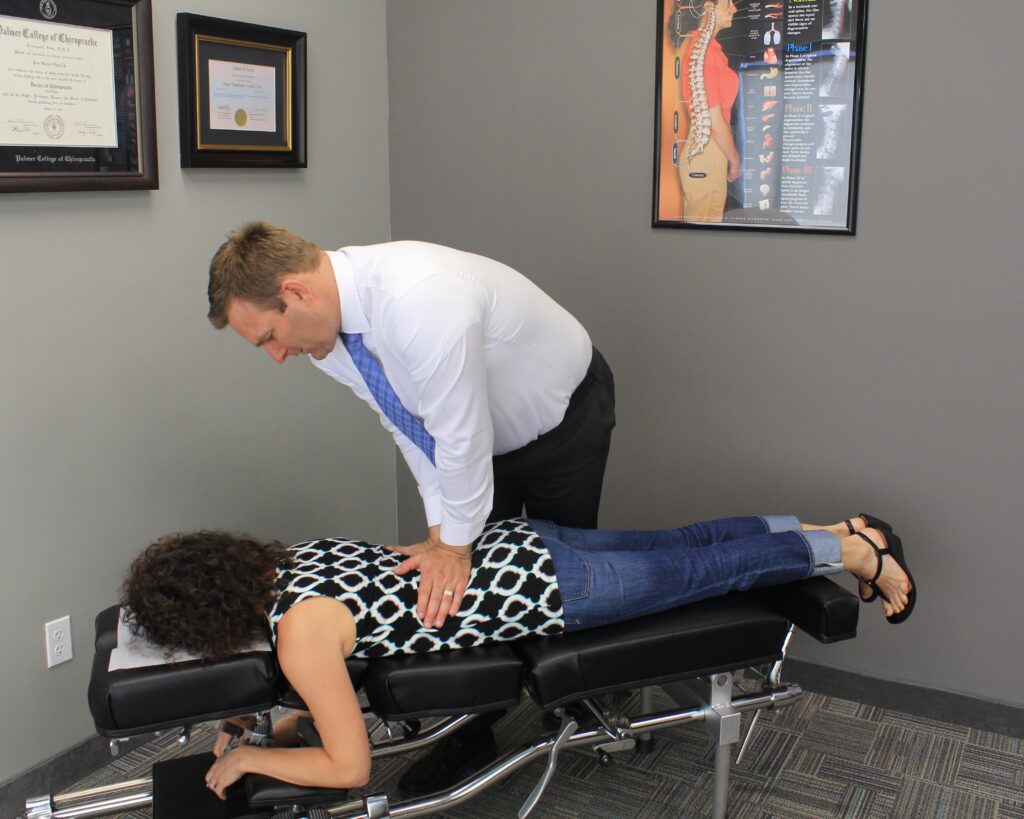
As a local chiropractor, I want to share with you how chiropractic adjustments can truly transform your experience with back pain. Many people are unaware that these treatments are designed to realign your spine and enhance your body's overall function. When your spine is misaligned, it can result in discomfort, tension, and restricted mobility. By visiting a chiropractor like myself, you can experience immediate relief as we apply targeted pressure to specific areas of your back.
During your initial visit, you can expect a comprehensive assessment. I'll evaluate your posture, range of motion, and any particular areas of pain you may be experiencing. This thorough evaluation allows me to create a personalized treatment plan that's tailored specifically to your needs.
Typically, you'll undergo a series of adjustments, which may include gentle thrusts or stretching techniques aimed at restoring proper alignment. It's important to note that you might experience some discomfort during the adjustment process; however, most patients report feeling instant relief afterward.
These adjustments work to reduce inflammation, relieve muscle tension, and improve circulation—all crucial elements for your body's healing process. Additionally, regular visits can help maintain your spine's alignment, effectively preventing future episodes of back pain.
After your sessions, I'll provide you with recommendations for exercises and stretches to help maintain your spine's health. Incorporating these practices into your daily routine can significantly enhance the benefits of your chiropractic adjustments and support long-term relief.
I'm here to guide you on your path to better health and well-being!
Massage Therapy Techniques
As a local chiropractor, I often see patients who are exploring various ways to alleviate their back pain. After experiencing the benefits of chiropractic adjustments, you may want to consider complementary therapies that can further enhance your healing journey.
One effective option is massage therapy, which can significantly reduce muscle tension, improve blood circulation, and foster deep relaxation. Let me introduce you to four massage therapy techniques that can be beneficial for your back pain:
- Swedish Massage: This technique employs long, flowing strokes designed to ease muscle tension and promote relaxation. It's an excellent choice for those seeking a gentle method to unwind and release stress.
- Deep Tissue Massage: If you're dealing with chronic pain or persistent tightness, deep tissue massage may be ideal for you. This technique targets deeper layers of muscle and connective tissue, helping to break up scar tissue and relieve tension in specific areas.
- Trigger Point Therapy: This specialized technique zeroes in on tight areas within muscle tissue that can cause pain in other parts of the body. By applying pressure to these trigger points, you can experience significant pain relief and regain flexibility.
- Myofascial Release: This approach involves gentle, sustained pressure on the connective tissue surrounding your muscles. It aids in releasing restrictions and enhancing movement, making it a wonderful option for tackling back pain.
Integrating these massage techniques into your wellness routine can complement your chiropractic care and support your overall recovery.
Whether you choose the soothing effects of a Swedish massage or the targeted relief of a deep tissue session, I believe you'll find that massage therapy can provide substantial relief and contribute to a healthier back.
If you have any questions or would like to learn more about how these therapies can work alongside chiropractic care, feel free to reach out!
Acupuncture Benefits
As a local chiropractor, I want to introduce you to the incredible benefits of acupuncture for managing back pain.
This ancient practice can truly be transformative, as it effectively targets specific pressure points to provide significant pain relief. Not only does acupuncture help alleviate discomfort, but it also enhances your range of motion, allowing you to move more freely and comfortably.
If you're seeking a holistic approach to your back pain, incorporating acupuncture into your wellness routine could be a valuable option worth considering alongside chiropractic care.
Together, these natural healing methods can support your overall health and well-being.
Pain Relief Mechanism
As a local chiropractor, I want to introduce you to a holistic approach to pain relief that many of my patients find beneficial, particularly for back pain—acupuncture.
This ancient practice involves the insertion of thin needles into specific points on your body, and it can trigger various physiological responses that help alleviate discomfort.
Here are some key benefits you might experience from acupuncture:
- Endorphin Release: Acupuncture can stimulate your body to release endorphins, the natural pain-relieving chemicals. This process helps to lessen your perception of pain, providing you with a more comfortable experience.
- Increased Blood Flow: The insertion of needles can enhance circulation in the affected areas of your back. Improved blood flow promotes healing and helps reduce inflammation, which is crucial for relieving back pain.
- Nerve Signal Modulation: Acupuncture may influence nerve signaling pathways. By interrupting the pain signals that travel to your brain, this therapy can effectively decrease the sensations of pain you feel.
- Stress Reduction: Many people don't realize how stress can exacerbate back pain. Acupuncture promotes relaxation and helps lower stress levels, which can lead to a significant reduction in your overall pain experience.
As you explore options for managing your back pain, consider incorporating acupuncture as part of a comprehensive chiropractic care plan.
It could be a valuable addition to your journey towards natural healing and pain relief.
Improved Range of Motion
As a local chiropractor, I want to share with you the incredible benefits of acupuncture, particularly for those dealing with back pain. Many of my patients have found that acupuncture not only helps alleviate their discomfort but also significantly enhances their range of motion.
This ancient practice focuses on specific points throughout the body, effectively releasing tension and reducing muscle stiffness around the spine. When the acupuncture needles are applied, they stimulate these targeted areas, promoting increased blood flow that encourages healing and flexibility.
One of the remarkable aspects of acupuncture is its ability to stimulate your body's natural response. When you undergo this treatment, your body releases endorphins and other natural healing substances, which serve as effective pain relievers. This can help you feel more at ease and allow for more freedom in your movements.
As your back pain diminishes, you'll likely find that you're able to engage in daily activities with greater ease and without restrictions.
Additionally, acupuncture can contribute to improved posture by helping to realign the spine and balance muscle tension. With better alignment, you'll develop healthier movement patterns, which can lower the risk of future injuries.
Incorporating acupuncture into your back pain management plan can lead to remarkable improvements in your range of motion. If you're looking for relief and enhanced mobility, I encourage you to consider trying acupuncture.
You might be pleasantly surprised by how much better you feel and how much more you can accomplish in your daily life. Remember, natural healing options like acupuncture can complement chiropractic care, providing a holistic approach to wellness.
Yoga for Flexibility
As a local chiropractor, I often emphasize the importance of flexibility in maintaining a healthy spine and alleviating back pain. Integrating yoga into your routine can be a powerful natural approach to enhance your mobility, strengthen your muscles, and promote relaxation.
Here are four key benefits of practicing yoga for flexibility that I encourage my patients to consider:
- Increased Range of Motion: Regular yoga practice can help loosen tight muscles and joints, significantly improving your movement potential. This increased flexibility can lead to reduced discomfort and stiffness in your back, making daily activities more enjoyable.
- Improved Posture: Yoga teaches body awareness and alignment, which are crucial for developing better posture. A properly aligned spine minimizes strain on your back and can prevent pain from arising, which is essential for overall spinal health.
- Strengthened Core Muscles: Many yoga poses engage the core muscles, providing vital support and stability to your spine. A strong core is a key component in protecting your back during everyday movements and can greatly reduce your risk of injury.
- Stress Relief: The relaxation and mindfulness promoted by yoga can significantly lower stress levels. Since stress often leads to muscle tension, incorporating yoga into your routine can help you release that tension and alleviate back pain.
If you're interested in exploring yoga, I recommend starting with a local class or following beginner-friendly online tutorials.
It's important to listen to your body and modify poses as necessary to prevent any strain. With consistent practice, you may notice significant improvements in your flexibility and a decrease in back pain.
Embrace the journey of healing, and experience the many benefits yoga can offer to your overall health and well-being!
Heat and Cold Therapy
As a local chiropractor dedicated to helping you manage back pain, I want to share the incredible benefits of heat and cold therapy.
Heat therapy is excellent for relaxing tight muscles and enhancing blood circulation, which can alleviate discomfort and promote healing.
On the other hand, cold therapy is effective in reducing inflammation and numbing sharp pain, providing immediate relief in acute situations.
Benefits of Heat Therapy
As a local chiropractor, I want to share the incredible benefits of heat therapy for managing back pain, especially if you're new to chiropractic care and natural healing methods.
Heat therapy is a simple yet effective way to alleviate discomfort and promote overall wellness. When you apply heat to your back, it works wonders by enhancing circulation and relaxing tight muscles. This increase in blood flow not only promotes healing but also helps to reduce pain.
Here are some of the key benefits you can expect from incorporating heat therapy into your routine:
- Muscle Relaxation: The application of heat can help ease tight muscles, providing relief from discomfort and allowing for improved mobility. This is especially helpful if you're feeling stiff or tense.
- Increased Flexibility: Warmth can help loosen stiff joints, making it easier to move and engage in daily activities. This is vital for maintaining an active lifestyle and preventing further injury.
- Pain Relief: Heat has the ability to dull the sensation of pain, making daily tasks more manageable. It's a natural way to cope with back pain throughout your day-to-day life.
- Stress Reduction: The soothing effects of heat therapy can help you relax and unwind, which is important as stress can often contribute to muscle tension and discomfort.
Incorporating heat therapy into your self-care routine can significantly improve your back pain management. You can use heating pads, warm towels, or enjoy a warm bath to experience these benefits.
Just a friendly reminder: always listen to your body and avoid excessive heat to prevent burns.
If you're interested in exploring more natural healing methods or have questions about how chiropractic care can support your overall well-being, feel free to reach out. We're here to help you on your journey to a pain-free life!
Advantages of Cold Therapy
As a local chiropractor, I want to share with you the incredible benefits of cold therapy in managing back pain and reducing inflammation. Many of my patients have found that using cold packs or ice on their affected areas can be a transformative experience. When applied correctly, cold therapy works by constricting blood vessels, which helps to minimize swelling and numb sharp pain. This immediate relief can provide a much-needed respite from the discomfort that often accompanies back pain.
One of the most significant advantages of cold therapy is its effectiveness in lowering inflammation. After an injury or during a flare-up, inflammation can intensify your pain and hinder your recovery. By incorporating cold therapy into your routine, you can significantly reduce inflammation, allowing your body to heal more efficiently. This approach is particularly beneficial within the first 48 hours following an injury.
What I appreciate most about cold therapy is its simplicity and ease of use. All you need is a bag of ice or a cold pack, a towel to wrap it in, and you can apply it to the affected area for 15-20 minutes. It's a non-invasive, drug-free method for finding relief, making it a safe and accessible option for most individuals.
I encourage you to consider integrating cold therapy into your overall back pain management strategy. When combined with other therapeutic methods, such as chiropractic adjustments or physical therapy, you can create a comprehensive approach to alleviate your pain and improve your quality of life.
Ergonomic Adjustments
As a local chiropractor dedicated to your health and well-being, I want to share some valuable insights that can help alleviate back pain and enhance your overall comfort in your workspace.
By making a few ergonomic adjustments, you can create an environment that supports your body's natural posture, reducing strain on your back and improving your productivity. Here are four essential adjustments to consider:
- Chair Height: It's crucial to ensure your chair is at the correct height. Your feet should rest flat on the floor, and your knees should be at or slightly below hip level. This simple adjustment helps maintain the natural curve of your spine and can significantly reduce discomfort.
- Desk Setup: Positioning your desk and monitor at eye level, about an arm's length away, is vital for reducing neck strain and promoting proper alignment of your back. If you're using a laptop, I recommend using a stand to elevate the screen, which encourages a healthier posture.
- Keyboard and Mouse Placement: Keeping your keyboard and mouse within easy reach is essential. They should be positioned so you can use them comfortably without stretching. Your elbows should remain close to your body, forming a 90-degree angle, which helps to minimize tension in your shoulders and arms.
- Frequent Breaks: I encourage you to implement a schedule for regular breaks every 30 to 60 minutes. Standing, stretching, or taking a short walk can relieve tension in your back and promote circulation, which is key for maintaining your health.
By incorporating these adjustments into your daily routine, you can take significant steps toward a more comfortable and healthier work environment.
If you're experiencing persistent pain, don't hesitate to reach out for professional guidance and support. Your body deserves the best care!
Cognitive Behavioral Therapy
As a local chiropractor, I want to share with you the benefits of Cognitive Behavioral Therapy (CBT) in managing back pain. While chiropractic care focuses on physical adjustments to align your spine and alleviate discomfort, it's also important to consider the mental and emotional aspects of your pain. CBT offers a powerful approach that complements our physical treatments by helping you understand and change the way you think about your pain.
Many people fall into negative thought patterns about their discomfort, believing things like, "I will never escape this pain." These thoughts can lead to feelings of discouragement and may cause you to avoid activities that you once enjoyed. Through CBT, we can work together to reframe these thoughts into more positive and constructive ones, such as, "I can manage my pain and still lead a fulfilling life." This shift in perspective can significantly reduce your perception of pain and enhance your overall quality of life.
In our practice, we recognize that your mental state plays a crucial role in your physical health. By collaborating with a trained therapist, you can explore the connection between your thoughts, feelings, and behaviors. CBT provides you with practical coping strategies, including relaxation techniques, mindfulness practices, and problem-solving skills.
These tools not only help you manage your back pain more effectively but also build your emotional resilience, equipping you to handle challenging moments with greater ease. Engaging in CBT alongside chiropractic care can lead to lasting improvements in how you perceive and cope with your back pain.
Lifestyle Changes and Habits
As a local chiropractor, I want to emphasize that addressing back pain involves more than just the treatments we provide in our office; your daily habits and lifestyle choices are crucial to your recovery and overall well-being.
Making mindful changes in your routine can help alleviate pain and prevent future issues. Here are some key lifestyle adjustments to consider:
- Stay Active: It's important to engage in regular physical activity to strengthen your back muscles and improve flexibility. I recommend low-impact activities such as walking, swimming, or yoga, as they're gentle on the body yet effective in promoting strength and mobility.
- Maintain Good Posture: Being aware of your posture is essential, especially when sitting at a desk or lifting objects. Keep your back straight, shoulders relaxed, and avoid slouching. This simple adjustment can significantly reduce strain on your back.
- Ergonomic Workspace: If you find yourself spending long hours at a desk, consider investing in ergonomic furniture. A chair with proper lumbar support can make a substantial difference in managing and reducing back pain.
- Healthy Weight Management: Carrying excess weight can place added pressure on your spine. By focusing on a balanced diet and incorporating regular exercise into your routine, you can maintain a healthy weight, which will help reduce strain on your back.
Incorporating these habits into your daily life can greatly enhance your recovery from back pain.
Remember, consistency is key! By making these lifestyle changes, you'll not only address your current discomfort but also lay the groundwork for a healthier, pain-free future.
If you have any questions or need guidance on these changes, feel free to reach out to us! Your journey to better health is our priority.
Conclusion
As a local chiropractor, I want to help you understand how integrating a variety of therapies can create a comprehensive approach to managing back pain. It's not just about alleviating physical discomfort; we also need to consider the emotional aspects that often accompany it.
In our practice, we utilize chiropractic adjustments to realign your spine and improve your overall function. Coupled with physical therapy exercises, we can strengthen the muscles that support your back. Massage therapy is another important tool in our arsenal, as it can relieve muscle tension and promote relaxation.
However, managing back pain goes beyond just physical treatments. Techniques such as mindfulness and cognitive behavioral therapy can help build mental resilience, allowing you to better cope with the challenges of chronic pain.
Additionally, I encourage my patients to make ergonomic adjustments in their daily lives, whether at work or home. Small changes can make a significant difference. Lifestyle modifications, such as regular exercise and a healthy diet, are also essential components of your healing journey.
With consistent effort and the right strategies tailored to your needs, you can effectively manage your back pain and enhance your overall quality of life. Remember, we're here to support you every step of the way on your path to wellness.