If you're dealing with lower back pain, I want you to know that you're not alone, and relief is possible.
As a local chiropractor, I understand that navigating through various treatment options can be overwhelming, especially if you're new to chiropractic care and natural healing.
Chiropractic treatment focuses on spinal alignment, which can significantly alleviate discomfort and improve your overall function. Additionally, incorporating massage therapy can help relieve muscle tension, providing further relief to your lower back.
I encourage you to explore other natural options such as acupuncture and specific targeted exercises that can be tailored to your individual needs.
These treatments can work synergistically to enhance your recovery and promote overall well-being.
As you consider these methods, remember that understanding how they complement one another is key.
Together, we can find the best approach for your unique situation.
Let's delve into each treatment option and discover the most effective strategies for your healing journey.
Physical Therapy
When it comes to alleviating lower back pain, many patients find that chiropractic care plays a vital role in their recovery journey. As a local chiropractor, I emphasize the importance of a thorough assessment to understand your unique situation. During your first visit, I will evaluate your posture, spinal alignment, and overall mobility to identify the specific factors contributing to your discomfort.
Chiropractic treatment often involves a combination of spinal adjustments, therapeutic exercises, and lifestyle recommendations tailored to your needs. These adjustments help to restore proper alignment to your spine, which can alleviate pain and improve your overall function. You may be surprised to learn how effective these adjustments can be in reducing pain and enhancing your mobility.
In addition to spinal care, I may incorporate other natural healing techniques such as soft tissue therapy and stretching exercises. These approaches can help relieve tension in your muscles, improve circulation, and promote faster healing. You will also receive guidance on proper body mechanics and movement patterns, which can make a significant difference in managing pain during daily activities.
Consistency in chiropractic care is essential for achieving lasting results. By following your personalized treatment plan and incorporating recommended exercises at home, you will gradually notice improvements in both your pain levels and overall quality of life. Open communication is key; I encourage you to share your experiences and any concerns so we can make necessary adjustments to optimize your recovery.
Embracing chiropractic care empowers you to take control of your lower back pain and supports your journey toward a healthier, more active lifestyle. Together, we can work toward restoring your well-being naturally.
Chiropractic Care
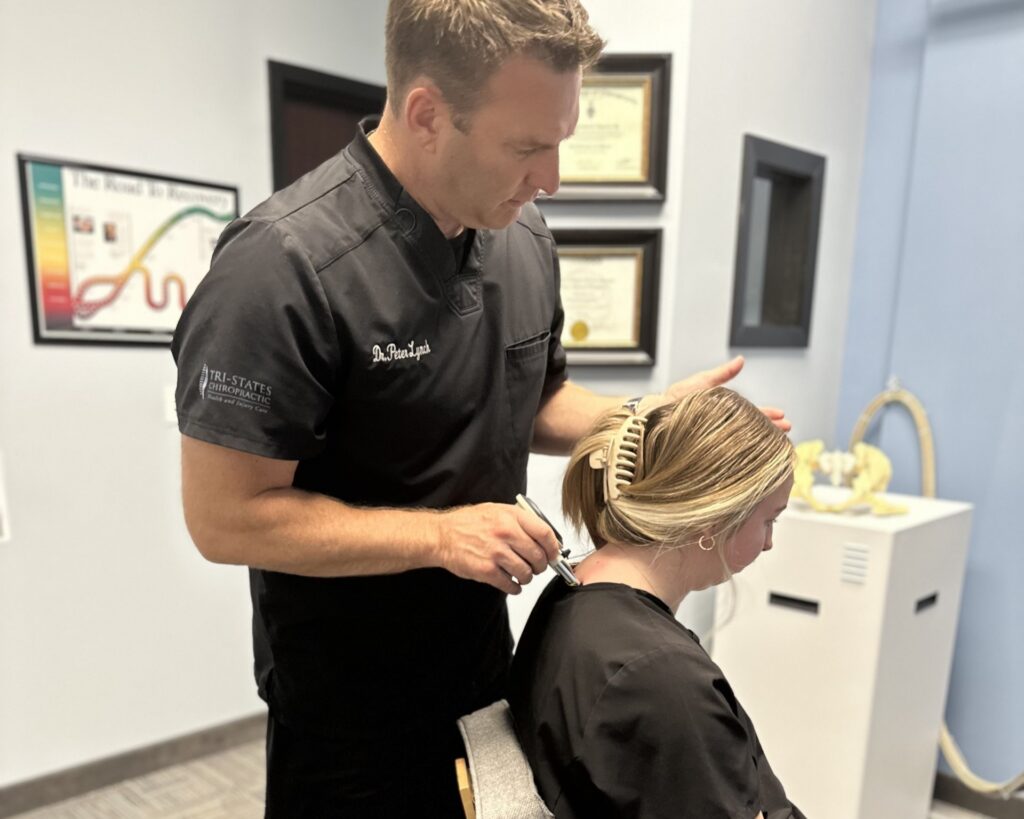
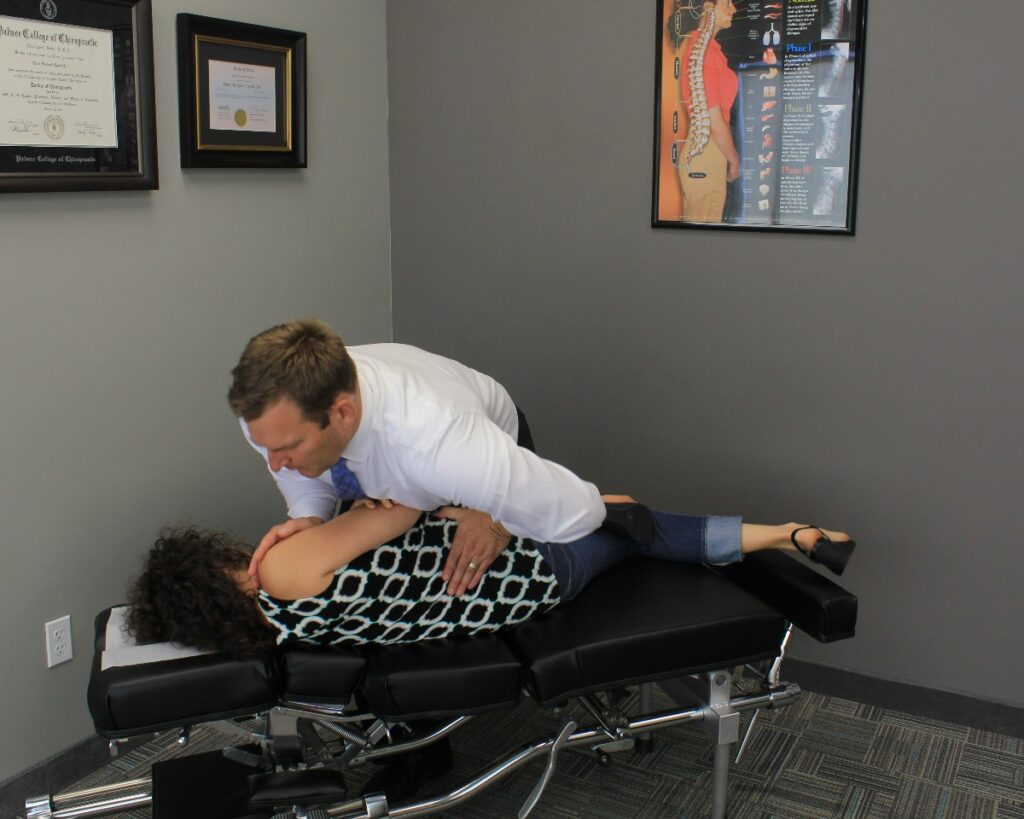
As a local chiropractor, I want to take a moment to share how chiropractic care can provide effective relief for lower back pain, especially for those who may not be familiar with our practices and the natural healing benefits we offer. When you visit my office, I will conduct a thorough assessment of your spine and overall body alignment to pinpoint any misalignments or issues contributing to your discomfort.
One of the key techniques I use is spinal manipulation, which helps improve spinal function and reduce nerve irritability. Many of my patients experience immediate relief following an adjustment, while others notice gradual improvements over a series of visits. To ensure long-term relief, I may recommend a structured plan that includes multiple sessions tailored to your specific needs.
Beyond spinal adjustments, I also incorporate various treatment methods like therapeutic exercises, stretching, and lifestyle advice. These holistic approaches not only enhance your recovery but also help prevent future occurrences of back pain. By strengthening your core and improving flexibility, you can better support your spine in your daily activities.
It's crucial for me to understand your symptoms and any previous treatments you've undergone. This information allows me to customize my approach to fit your unique situation. Rest assured, chiropractic care is generally safe, but it's important to choose a licensed and experienced practitioner like myself to ensure optimal results.
If you're dealing with lower back pain, I encourage you to explore chiropractic care. With the right treatment plan, we can work together to help you feel better and lead a more active, fulfilling life. Your journey to wellness starts here!
Massage Therapy
As a local chiropractor, I want to share how massage therapy can be an effective tool in alleviating lower back pain. Many of my patients experience discomfort due to tightness and inflammation in the muscles surrounding the spine, which can hinder mobility and overall quality of life. By incorporating massage therapy into your care plan, we can target this tension and promote relaxation in a way that complements chiropractic adjustments.
Here are some key benefits of massage therapy for those struggling with lower back pain:
- Reduced Muscle Tension: Massage effectively addresses tight muscles, relieving stress and discomfort that can be contributing to your pain.
- Improved Circulation: Enhanced blood flow from massage helps to promote healing and reduce inflammation in the affected areas of your back.
- Enhanced Flexibility: Regular massage sessions can improve your range of motion, making daily activities more manageable and enjoyable.
- Stress Relief: Beyond the physical benefits, massage therapy aids in reducing mental stress, which often exacerbates muscle tension and pain.
Whether you prefer deep tissue, Swedish, or trigger point techniques, each method can provide relief tailored to your unique needs. I encourage you to communicate openly during your sessions about your pain levels and any areas of concern, so we can work together to create a personalized treatment plan.
Incorporating massage therapy into your routine not only supports your recovery from lower back pain but also enhances your overall well-being. By addressing the root causes of your discomfort, you can achieve a more active lifestyle and a better quality of life. I invite you to explore this holistic treatment option, and I assure you that your back will appreciate the care!
Acupuncture
As a local chiropractor, I want to take a moment to educate you about the benefits of acupuncture, especially when it comes to alleviating lower back pain. Acupuncture works by targeting specific points on your body, which can help stimulate your natural healing processes.
You might be curious about how often you should undergo treatment to achieve optimal results. Understanding the mechanism behind acupuncture's effectiveness can provide clarity on this. Typically, a series of sessions is recommended to ensure you gain the most benefit. By integrating acupuncture with chiropractic care, we can create a comprehensive approach to managing your pain and enhancing your overall well-being. Let's work together to find the right treatment plan for you!
Mechanism of Action
As a local chiropractor, I want to share with you a natural approach to relieving lower back pain that many people may not be familiar with: acupuncture. This ancient practice can complement chiropractic care by focusing on stimulating specific points in the body to promote healing and alleviate discomfort.
Acupuncture works through several key mechanisms, primarily involving the nervous system and the release of the body's natural pain-relieving chemicals. When fine needles are inserted into targeted areas, your body responds in a way that can significantly reduce pain and enhance recovery. Here's how it works:
- Increased Blood Flow: The insertion of needles enhances circulation in the affected areas, which is essential for healing.
- Neurotransmitter Release: Acupuncture encourages the release of endorphins—your body's natural painkillers—providing relief from discomfort.
- Muscle Relaxation: This technique helps to ease muscle tension, which can alleviate pain and improve flexibility.
- Pain Gate Control: By activating certain nerve fibers, acupuncture can effectively block pain signals from reaching the brain, reducing your perception of pain.
These mechanisms work together to create a holistic effect that addresses both the physical sensations of pain and the emotional components associated with it. If you're exploring natural methods for lower back pain relief, I encourage you to consider acupuncture as a valuable option that can work alongside chiropractic care for optimal results.
Treatment Frequency Recommendations
To make the most of chiropractic care for lower back pain relief, it's essential to understand the recommended frequency of treatments. Typically, I advise starting with one to two sessions per week for the first month. This approach helps your body adapt and respond positively to the adjustments. After this initial phase, we can reassess your progress and, if all goes well, reduce your visits to once every two weeks or even monthly.
Communication is crucial in this process. I encourage you to share how you're feeling after each session. If you experience significant improvement, we can space out your appointments. Conversely, if your pain continues, we can discuss the option of increasing the frequency of your visits. Some patients may need more frequent adjustments initially, especially if they are dealing with chronic pain or specific conditions.
Additionally, consider the length of each session, which usually lasts between 30 to 60 minutes. This time allows me to assess your specific pain areas and provide targeted treatment. Remember, finding the right treatment frequency is a personalized journey. Consistency in your visits can lead to better long-term relief. Patience and persistence are vital when it comes to managing lower back pain naturally through chiropractic care.
Heat and Cold Therapy
As a local chiropractor, I want to share the benefits of heat and cold therapy for managing lower back pain, especially for those who may not be familiar with chiropractic care and natural healing. These methods can significantly enhance your recovery by addressing inflammation, muscle tension, and improving blood circulation in the affected areas.
Here are some essential tips to help you understand when to utilize each therapy for optimal results:
- Heat for muscle relaxation: Applying heat can help ease tight muscles and increase flexibility, making it particularly beneficial for those with chronic pain.
- Cold for inflammation reduction: Cold therapy, such as ice packs, can numb the painful area and reduce swelling, which is especially useful immediately after an injury.
- Know the timing: Use heat when dealing with ongoing discomfort and opt for cold therapy during acute injuries or flare-ups.
- Limit your application time: For both heat and cold, aim for 15-20 minutes of application, and remember to give your skin a break between sessions to prevent irritation.
You can easily apply heat using a heating pad, hot water bottle, or a warm towel—just be sure it's comfortable and not too hot to avoid burns. For cold therapy, use ice packs or a bag of frozen vegetables wrapped in a towel, and always avoid placing ice directly on your skin to prevent frostbite.
Integrating heat and cold therapy into your daily routine can provide substantial relief from lower back pain. Whether you're managing chronic issues or recovering from a recent strain, these natural methods can help restore your mobility and comfort. It's an accessible, effective way to take control of your pain relief and enhance your overall well-being. If you have questions or would like personalized advice, don't hesitate to reach out to our office for guidance.
Over-the-Counter Medications
As a local chiropractor, I want to emphasize that while heat and cold therapy can provide immediate relief for lower back pain, over-the-counter medications can also play a significant role in managing your discomfort effectively. These medications are available without a prescription and can help you find relief as you explore more natural healing options.
The most commonly used over-the-counter medications for lower back pain are nonsteroidal anti-inflammatory drugs (NSAIDs) and acetaminophen. NSAIDs, such as ibuprofen and naproxen, are particularly beneficial if your pain stems from muscle strain or inflammation, as they work to reduce inflammation and alleviate pain. However, it's crucial to adhere to the recommended dosage and consult with a healthcare provider if you have any underlying health conditions or if you're taking other medications, as this can ensure your safety and well-being.
On the other hand, acetaminophen, commonly known as Tylenol, is another option that can effectively manage pain, although it does not specifically target inflammation. Many people find it to be gentler on the stomach compared to NSAIDs, making it a suitable choice for those who may have sensitivities.
As you consider using over-the-counter medications, I encourage you to pay close attention to how your body responds. It's beneficial to integrate these medications with other holistic treatments, such as chiropractic adjustments, heat therapy, or gentle stretching exercises. These methods can enhance your healing process and provide more comprehensive relief.
If you notice that your pain persists or intensifies, please don't hesitate to reach out for professional help. A chiropractor can provide personalized guidance and explore a range of treatment options tailored to your needs. Remember, while over-the-counter medications can offer temporary relief, they should be part of a broader approach to managing your lower back pain through natural healing methods. Your journey to wellness is important, and I'm here to support you every step of the way.
Prescription Medications
When lower back pain becomes severe or persistent, it's important to explore all potential avenues for relief, including chiropractic care and natural healing methods. While many people find some relief with over-the-counter options, more comprehensive approaches may be needed to effectively manage your discomfort. Here's an overview of how chiropractic care can help alleviate lower back pain:
- Muscle Relaxation Techniques: Through targeted adjustments and spinal manipulation, chiropractors can help relieve muscle spasms and tension in the muscles surrounding your lower back, promoting relaxation and reducing pain.
- Pain Management Strategies: While some may turn to narcotic pain relievers for quick relief, chiropractic care offers a holistic alternative that focuses on addressing the root cause of pain rather than just masking it.
- Anti-Inflammatory Approaches: Our treatment plans often incorporate natural anti-inflammatory strategies, such as dietary recommendations and therapeutic exercises, to help reduce swelling and pain without the need for prescription-strength medications.
- Mind-Body Connection: Some chiropractic practitioners also integrate techniques that address the mind-body connection. This can include stress management practices that help alter how your brain processes pain signals, potentially providing relief even if you're not experiencing depression.
Before starting any treatment, it's crucial to consult with a chiropractor who can assess your specific condition. We take the time to discuss your symptoms, explain potential side effects of any recommended therapies, and tailor a treatment plan that best suits your needs. Remember, while chiropractic care can provide significant relief, it often works best in conjunction with other natural healing therapies, such as physical therapy, exercise, or lifestyle modifications.
Always follow your chiropractor's guidance closely and communicate openly about any changes you experience. This partnership will ensure you're on the right path to recovery and help you regain your quality of life. Don't hesitate to ask questions; understanding your treatment options empowers you on your journey to wellness.
Exercise and Stretching
As your local chiropractor, I want to emphasize the importance of exercise and stretching in alleviating lower back pain. Strengthening your core muscles is essential, as it provides much-needed support for your spine. Additionally, incorporating flexibility and mobility exercises into your routine can help maintain a healthy and functional back. Let's discuss how these practices can positively impact your overall well-being and enhance your recovery journey. By focusing on natural healing methods, we can work together to improve your quality of life and reduce discomfort.
Strengthening Core Muscles
As a local chiropractor, I want to emphasize the importance of a strong core for your overall health, especially when it comes to alleviating lower back pain and enhancing stability. Your core muscles are crucial in supporting your spine, which helps reduce strain and discomfort. To build a stronger core, I recommend incorporating these exercises into your routine:
- Planks: This exercise engages multiple core muscles and helps build endurance.
- Bridge: By lifting your hips, you not only strengthen your glutes but also support your lower back.
- Dead Bug: This movement promotes coordination and stability, making it a great challenge for your core.
- Bicycle Crunches: This exercise focuses on rotating your torso, effectively targeting your oblique muscles.
By integrating these exercises into your lifestyle, you can significantly improve your core strength. A stronger core can lead to better posture and a reduced risk of injury, making daily activities, such as lifting groceries or participating in sports, much easier.
It's essential to prioritize proper form during these exercises. Remember, it's better to perform fewer repetitions with correct technique than to do many incorrectly. Start at a comfortable pace, gradually increasing the intensity and duration as you gain confidence.
Additionally, always listen to your body. If you experience any pain while exercising, it's important to stop and assess your technique. Building a strong core not only alleviates back pain but also enhances your overall physical wellbeing. If you have any questions or need guidance on these exercises, feel free to reach out during your next visit. Your health is our priority!
Flexibility and Mobility Exercises
As a local chiropractor, I want to emphasize the importance of flexibility and mobility for your overall spinal health and to help prevent lower back pain. Many people may not realize that incorporating specific exercises into your daily routine can significantly improve your range of motion and reduce stiffness in key areas.
To get started, I recommend beginning with gentle stretches that target your hamstrings, hip flexors, and lower back. These areas are often prone to tightness, which can lead to discomfort and pain if not addressed.
One effective exercise you can try is the cat-cow stretch. To perform this, get on your hands and knees, and as you inhale, arch your back gently, creating a slight curve. Then, as you exhale, round your back, tucking your chin to your chest. This fluid movement warms up your spine and enhances its flexibility.
Another beneficial stretch is the child's pose. By sitting back on your heels and extending your arms forward, you can stretch your lower back and promote a sense of relaxation. Hold this position for a few deep breaths to really feel the release.
In addition to static stretches, incorporating dynamic movements such as leg swings or torso twists can further improve your mobility. These exercises are not only great for preparing your body for more intense physical activities but also play a crucial role in maintaining a healthy spine.
I encourage you to establish a consistent routine—spending just 10-15 minutes daily on these exercises can yield significant benefits for your spinal health. Remember, taking care of your body through these natural healing practices can help you feel your best and keep discomfort at bay.
Mindfulness and Relaxation Techniques
As a local chiropractor, I want to share how mindfulness and relaxation techniques can play a significant role in alleviating lower back pain. These practices not only help to address discomfort but also contribute to your overall wellness. By incorporating them into your daily routine, you can enhance your mental clarity and physical ease. Here are some effective techniques that I often recommend to my patients:
- Deep Breathing: This technique involves focusing on your breath. Inhale deeply through your nose and exhale slowly through your mouth. It may seem simple, but this practice can help reduce tension throughout your body and promote a sense of relaxation.
- Progressive Muscle Relaxation: Start from your toes and work your way up, tensing and then relaxing each muscle group. This method helps you identify areas of tension in your body and encourages relaxation, which can be particularly beneficial for those experiencing chronic pain.
- Guided Imagery: Picture a serene scene or a place where you feel at ease. By engaging your imagination in this way, you can distract yourself from pain and cultivate a sense of calm, aiding in your recovery process.
- Mindfulness Meditation: I encourage my patients to set aside a few minutes each day for mindfulness practice. Focus on the present moment and acknowledge any pain without judgment. This approach can help lessen the emotional impact of pain and improve your overall mental state.
Incorporating these mindfulness and relaxation techniques into your routine can complement your chiropractic care and help you manage lower back pain more effectively.
Lifestyle Modifications
As a local chiropractor, I want to share some valuable insights on how you can manage lower back pain effectively through lifestyle modifications. Many people may not realize that their daily habits play a significant role in their back health. By making a few changes, you can enhance your overall well-being and find long-term relief from discomfort.
First and foremost, it's essential to maintain a healthy weight. Carrying excess weight can place unnecessary stress on your spine, leading to increased pain and discomfort. Focus on incorporating a balanced diet into your daily routine, rich in fruits, vegetables, whole grains, and lean proteins. Regular exercise is also crucial. Aim for a combination of strength training, flexibility exercises, and aerobic activities. Engaging in yoga and stretching can significantly improve your flexibility and strengthen the muscles that support your back.
Paying attention to your posture is another key factor in alleviating back strain. Whether you're working at a desk or lifting heavy objects, practicing good posture can make a world of difference. Consider using ergonomic furniture and make it a habit to take breaks to stand or stretch throughout your day.
Sleep quality is often overlooked, but it's vital for your overall health. Ensure that you're getting restorative sleep by investing in a supportive mattress and pillow that help keep your spine aligned. Establishing a calming bedtime routine can also contribute to improved sleep quality.
Lastly, don't underestimate the impact of stress on your body. Chronic stress can lead to muscle tension, which can exacerbate back pain. Incorporating stress-reducing activities into your life, such as meditation, deep breathing, or hobbies you enjoy, can be beneficial.
Conclusion
As a local chiropractor, I want to share how incorporating various treatments into your daily routine can significantly alleviate lower back pain and enhance your overall well-being. Many people are unfamiliar with chiropractic care, but it offers unique benefits that can be tailored to your specific needs. Alongside chiropractic adjustments, I also encourage exploring other options like massage therapy and simple lifestyle changes that can complement your healing journey.
Mindfulness and relaxation techniques are vital as well, as they can help you manage stress, which often contributes to pain. Taking a proactive approach to your health is essential, and I am here to guide you through the various options available. By prioritizing your back health and exploring these natural healing methods, you can find relief and greatly improve your quality of life. Don't hesitate to reach out and start your journey toward better back health today!