If you're dealing with lower back pain, I want you to know that you're not alone, and finding the right relief can sometimes feel daunting. As a local chiropractor, I encourage you to consider a variety of licensed techniques that have proven effective in easing discomfort. Chiropractic adjustments, for instance, can realign your spine and improve your overall function, while other approaches such as mindfulness practices can help manage stress and promote relaxation.
It's important to recognize that there are multiple options available, each with its own unique benefits. What might surprise you is how combining different methods can enhance your overall well-being and lead to more significant improvements in your pain levels. Let's delve deeper into these techniques together and explore which ones may be the best fit for your individual needs. My goal is to empower you with knowledge and support as you navigate your journey to better health.
Chiropractic Adjustments
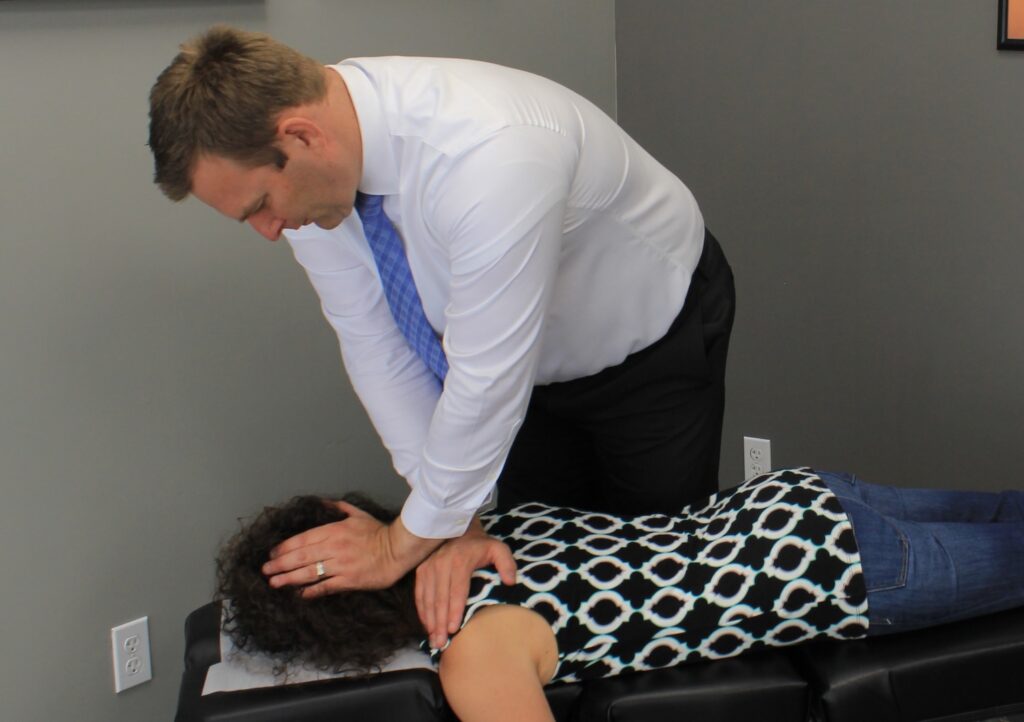
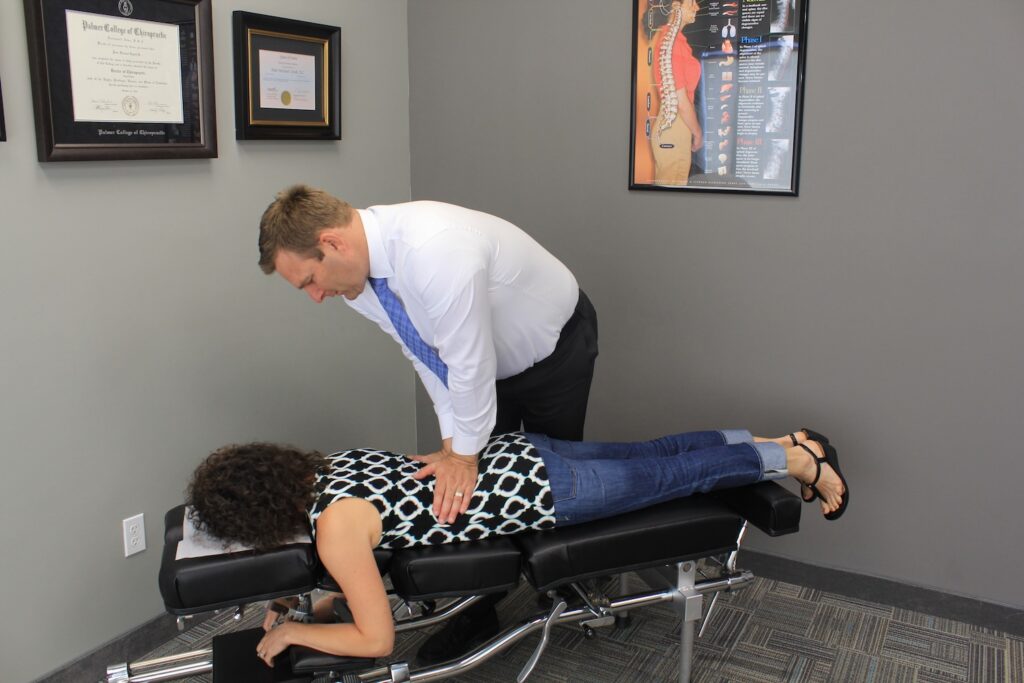
As a local chiropractor, I want to share how chiropractic adjustments can be a transformative solution for those experiencing lower back pain. If you've been enduring discomfort, reaching out to a chiropractor could be one of the most beneficial steps you take for your health. Our hands-on techniques are designed to realign your spine and enhance your overall bodily function.
When your spine is properly aligned, it alleviates pressure on your nerves and muscles, which can significantly reduce pain and improve your mobility. During your initial visit, I'll take the time to thoroughly assess your condition. This involves discussing your medical history and conducting a comprehensive physical examination.
By identifying any misalignments or dysfunctions contributing to your lower back pain, I can create a personalized treatment plan that's tailored specifically to your needs. Chiropractic adjustments typically involve gentle thrusts aimed at correcting spinal alignment. Many patients report feeling immediate relief after their adjustments; however, it's essential to recognize that the true benefits often accumulate with consistent sessions.
Over time, many individuals experience diminished pain, an increased range of motion, and an overall enhancement in their well-being. In addition to these adjustments, my approach to chiropractic care emphasizes holistic healing. I may provide guidance on posture, ergonomics, and lifestyle modifications to support your recovery journey and help prevent future issues.
Physical Therapy
As a local chiropractor, I want to share how our approach can effectively manage lower back pain through natural healing.
Chiropractic care focuses on restoring proper alignment and function to your spine, which can significantly alleviate discomfort. We utilize targeted adjustments and therapies designed to strengthen your core and improve mobility.
Additionally, we emphasize the importance of proper posture and ergonomics to prevent future issues and promote overall health.
Targeted Exercise Programs
As a local chiropractor, I want to emphasize the importance of targeted exercise programs in alleviating lower back pain. Through chiropractic care and physical therapy, we can help you strengthen the muscles that support your spine, enhance your flexibility, and improve your overall mobility.
By committing to these exercises, you're not only addressing your pain but also taking significant steps toward long-term relief.
Here are some key components to consider incorporating into your routine:
- Strength Training: Focus on exercises that target your core and back muscles. Building strength in these areas provides critical support to your spine, helping to prevent future discomfort.
- Stretching: Regular stretching routines are essential for improving flexibility. This can help relieve tension in your muscles and reduce stiffness, making daily activities easier and more comfortable.
- Aerobic Conditioning: Engaging in activities like walking or swimming can enhance your circulation and overall fitness. These exercises play a vital role in managing pain and promoting overall well-being.
By integrating these elements into your lifestyle, you can experience not just immediate relief, but also a path towards sustained health and vitality.
Manual Therapy Techniques
As a local chiropractor, I want to share how manual therapy techniques can play a crucial role in your recovery from lower back pain. These hands-on methods focus on gently manipulating your muscles, joints, and soft tissues to help alleviate tension and enhance your mobility.
One effective approach we use is spinal mobilization, where I carefully move your spine to increase its range of motion. This technique can be incredibly beneficial for restoring flexibility and reducing discomfort.
You may also find myofascial release helpful; this technique targets the fascia, the connective tissue surrounding your muscles, to relieve pain and tightness.
Another valuable method is soft tissue mobilization, in which I apply pressure to specific areas to release muscle knots and improve blood circulation. This not only helps to reduce inflammation but can also accelerate your healing process.
Additionally, joint manipulation involves applying controlled force to a joint, which can help restore its proper alignment and function.
During your visits, open communication is essential. I encourage you to share your feelings about the treatment—what feels good and what doesn't—so I can customize your care to meet your individual needs.
Posture and Ergonomics
As a local chiropractor, I want to emphasize the importance of good posture and proper ergonomics in preventing and managing lower back pain. Many people aren't aware that maintaining the right alignment while sitting, standing, or moving can significantly reduce the strain on your back.
Here are some essential points to consider for your everyday life:
- Chair Height: It's crucial that your chair provides adequate support for your lower back and allows your feet to rest flat on the floor. This will help you maintain a neutral spine position while seated.
- Screen Position: Position your computer screen at eye level to avoid leaning forward or straining your neck. This simple adjustment can make a big difference in your overall comfort.
- Lifting Techniques: When lifting heavy objects, always bend at the knees and keep your back straight. This technique helps protect your spine and prevents injuries that might lead to chronic pain.
By incorporating these practices into your daily routine, you can significantly alleviate discomfort and promote a healthier spine.
Remember, it's also important to take regular breaks and change your position frequently, especially if you spend long hours sitting. Stretching your back and legs can enhance your flexibility and reduce tension.
If you have any questions about how to implement these tips or if you're experiencing ongoing pain, don't hesitate to reach out. Chiropractic care and natural healing methods can provide additional support on your journey to better health.
Acupuncture
As a local chiropractor, I want to share with you a fascinating approach to alleviating lower back pain that many of my patients have found beneficial—acupuncture. This ancient practice, which originates from Traditional Chinese Medicine, involves the insertion of thin needles into specific points on the body. This technique is designed to stimulate energy flow and promote the body's natural healing processes.
Many individuals experiencing chronic pain have turned to acupuncture as a natural alternative to medication. When you visit a professional acupuncturist, they'll assess your condition and customize the treatment to meet your unique needs.
While you may feel a slight prick when the needles are inserted, most people report finding the experience quite relaxing. The acupuncture process can encourage your body to release endorphins, which are natural pain relievers that can enhance your overall sense of well-being.
Research indicates that acupuncture can be effective in managing lower back pain, especially for those who haven't found relief through traditional medical treatments. It's also a low-risk option with minimal side effects, provided it's performed by a licensed practitioner.
If you're considering this treatment, think about how frequently you'd like to have sessions, as many individuals discover that regular visits can yield the most favorable outcomes.
I encourage you to engage in open communication with your acupuncturist regarding your pain levels and any changes you experience. This dialogue is crucial, as it allows them to adjust your treatment plan for optimal results.
If you're seeking a holistic method to manage your lower back pain, acupuncture could be a valuable part of your healing journey alongside chiropractic care.
Massage Therapy
As a local chiropractor, I want to share how massage therapy can significantly alleviate lower back pain.
By focusing on specific muscle groups, massage helps to release tension and enhance blood flow, which are essential for healing.
You'll find that there are various techniques available that not only ease your discomfort but also promote a deep sense of relaxation.
It's important to understand how these natural healing methods can complement chiropractic care, offering a holistic approach to your wellness journey.
Benefits of Massage Therapy
As a local chiropractor, I want to share with you the incredible benefits of massage therapy, especially for those who suffer from lower back pain. Many of my patients have found that incorporating massage into their wellness routine has significantly alleviated their discomfort.
This gentle manipulation of muscles and soft tissues not only helps reduce tension but also improves circulation and promotes overall relaxation.
When you visit a skilled massage therapist, you can expect to experience several key benefits:
- Reduced muscle tension: A therapist's expertise can effectively target knots and tight areas, leading to more relaxed and flexible muscles.
- Improved circulation: Enhanced blood flow means your body receives more oxygen and nutrients, which can aid in recovery and decrease pain.
- Enhanced relaxation: Massage therapy stimulates your body's natural relaxation response, lowering stress hormones and elevating your overall mood.
With consistent sessions, many of my patients report a significant reduction in discomfort and an increase in mobility.
It's important to understand that this holistic approach not only addresses physical pain but also fosters emotional well-being.
By prioritizing massage therapy alongside chiropractic care, you're taking a proactive step toward effectively managing your lower back pain and improving your quality of life.
Techniques for Pain Relief
As a local chiropractor, I want to share with you some effective techniques that can significantly enhance pain relief, particularly for lower back discomfort.
One method I often recommend is deep tissue massage. This approach targets the deeper layers of muscle and connective tissue, helping to release chronic tension and improve circulation and flexibility in the affected areas.
Another technique to consider is trigger point therapy. This involves identifying specific points within tight muscles and applying pressure to them. By releasing these knots, you can alleviate localized pain in your lower back, which can be incredibly beneficial if you're experiencing discomfort in that area.
Swedish massage is another option worth exploring. Known for its long, flowing strokes, this technique promotes relaxation and reduces muscle tension, making it a wonderful choice if stress is a factor in your pain.
Additionally, myofascial release is a gentle technique that applies sustained pressure to the fascia, which can help ease stiffness and improve your range of motion. This can be particularly helpful if you find that tightness in your body is contributing to your discomfort.
It's essential to find a licensed massage therapist who's skilled in these techniques. When you communicate your specific discomforts, the therapist can tailor the session to your needs, enhancing your experience and the effectiveness of the treatment in alleviating lower back pain.
Yoga and Stretching
As a local chiropractor, I often emphasize the importance of incorporating yoga and stretching into your morning routine, especially for those dealing with lower back pain.
These gentle, mindful movements can significantly enhance your overall well-being by improving flexibility and strengthening the muscles that support your spine. Just dedicating a few minutes each day to these practices can lead to noteworthy improvements in your comfort and mobility.
Here are three effective stretches I recommend that you can easily integrate into your morning routine:
- Cat-Cow Stretch: This dynamic movement is excellent for mobilizing your spine. By transitioning between the arched and rounded positions, you can ease tension and promote better blood flow, which helps alleviate stiffness in your back.
- Child's Pose: This restorative pose offers a gentle stretch for your lower back and hips, providing a soothing release. It also encourages deep breathing, allowing you to connect with your body and promote relaxation.
- Seated Forward Bend: In this stretch, sit with your legs extended and reach for your toes. This movement stretches both your hamstrings and lower back, which can help relieve tightness and enhance your overall flexibility.
As you practice these stretches, it's crucial to listen to your body. Avoid pushing yourself beyond your limits; instead, aim for gradual progress.
Holding each position for 15-30 seconds while focusing on deep, calming breaths will allow your body to relax and release tension. Over time, you may notice a reduction in pain and improved function in your lower back.
Embracing these simple yet powerful techniques can be an excellent way to start your day with a renewed sense of relief and well-being.
Mindfulness and Meditation
As a local chiropractor, I'd like to share how mindfulness and meditation can serve as effective complementary practices for managing lower back pain. These techniques can be a vital part of your overall treatment plan, helping to create a sense of calm and reduce tension in your body.
Incorporating breathing exercises and guided visualization into your daily routine can enhance your well-being and support the healing process.
Mindfulness encourages you to connect with your body, promoting awareness of any discomfort and allowing you to respond with relaxation techniques that can ease tension.
By understanding and embracing these practices, you can take an active role in your recovery journey and find relief from lower back pain in a natural and holistic way.
Let's work together to explore how mindfulness and meditation can complement your chiropractic care and improve your overall health.
Breathing Techniques
As a chiropractor, I often emphasize the importance of holistic approaches to managing and alleviating lower back pain. One effective method that can complement your chiropractic care is incorporating breathing techniques into your daily routine.
These methods, grounded in mindfulness and meditation, promote relaxation and help reduce tension in the body, which is crucial for easing discomfort. Here's how you can utilize these techniques:
- Deep Belly Breathing: Begin by inhaling deeply through your nose, allowing your belly to rise fully. Hold your breath for a moment, and then exhale slowly through your mouth, letting your stomach fall. This simple practice activates your body's relaxation response, making it easier for your muscles and spine to find relief.
- 4-7-8 Breathing: This technique involves inhaling for a count of 4, holding your breath for a count of 7, and then exhaling for a count of 8. This rhythmic breathing not only calms your nervous system but also alleviates stress, which can be a significant contributor to back pain.
- Progressive Muscle Relaxation: While focusing on your breath, try systematically tensing and then relaxing different muscle groups throughout your body, beginning from your toes and moving up to your head. This practice can help release built-up tension and make you more aware of tightness in your back.
By incorporating these breathing techniques into your daily routine, you may experience a notable improvement in your lower back pain. This not only enhances your comfort but also complements the chiropractic care you receive, promoting overall relaxation and well-being.
Guided Visualization
As a chiropractor, I want to introduce you to the powerful technique of guided visualization, which can be an incredibly effective tool for managing lower back pain. This method utilizes mental imagery to create a calming and healing environment, helping you focus on relaxation while diverting your attention from discomfort. By visualizing a peaceful landscape or a soothing light, you can alleviate tension in both your body and mind.
To begin practicing guided visualization, find a quiet space where you can relax without interruptions. Close your eyes, take several deep breaths, and start to envision a place that brings you tranquility. Picture the sights, sounds, and scents in vivid detail, allowing yourself to fully immerse in this mental retreat. You might visualize a warm, gentle light enveloping your lower back, soothing pain and encouraging healing.
By incorporating guided visualization into your regular routine, you may notice a reduction in your pain perception and an increase in relaxation. This technique not only offers immediate relief but also empowers you to take control of your pain management.
I encourage you to make guided visualization a part of your daily practice, as you'll discover just how impactful your mind can be in supporting your body's natural healing processes. As we explore chiropractic care together, remember that holistic approaches like this can complement your treatment and enhance your overall well-being.
Pain Management Programs
As a local chiropractor, I want to introduce you to the benefits of pain management programs specifically designed to help you tackle lower back pain naturally. These programs offer a structured approach that combines various techniques tailored to your unique needs, empowering you to regain control over your pain and enhance your quality of life.
When you join a pain management program, you can expect to experience:
- Personalized exercise routines: These routines are crafted to strengthen your core and improve flexibility, making everyday activities feel easier and more enjoyable. Incorporating exercises that focus on alignment and posture can also support your spine's health.
- Mindfulness and relaxation techniques: We'll teach you how to manage stress and anxiety, which can often worsen your pain. Learning these techniques allows you to cultivate moments of calm and ease, even during difficult times.
- Nutritional guidance: Discover how the right foods can aid in your healing process and reduce inflammation. Proper nutrition is key to giving your body the support it needs for recovery.
Through a pain management program, you'll develop a toolkit of skills to address your back pain effectively. Together, we'll set realistic goals, track your progress, and celebrate the small victories along the way.
You'll also have the opportunity to connect with healthcare professionals who understand your struggles and can provide valuable insights into your journey toward wellness.
With commitment and the right support, you can shift your experience with lower back pain into one of empowerment and resilience. If you're ready to take the first step towards relief and embrace natural healing, I encourage you to consider enrolling in a pain management program that aligns with your needs.
Let's work together to restore your health and well-being!
Osteopathic Manipulative Treatment
As a local chiropractor, I want to introduce you to an effective approach for managing lower back pain: Osteopathic Manipulative Treatment (OMT). While OMT is typically associated with osteopathic physicians, many principles overlap significantly with chiropractic care, making it a valuable option for those seeking relief from discomfort.
OMT is a hands-on technique that focuses on the body's musculoskeletal system. It aims to diagnose and treat various conditions by restoring balance and function. This approach can be particularly beneficial for individuals experiencing lower back issues, as it emphasizes the importance of aligning the body for optimal performance.
During an OMT session, your provider will evaluate your posture, movement patterns, and any physical restrictions. They may utilize gentle stretching, pressure, or resistance to manipulate your muscles and joints. The ultimate goal is to alleviate tension, enhance mobility, and improve circulation in the affected area. Many patients report not only a reduction in pain but also an overall boost in their sense of well-being after treatment.
One of the standout features of OMT is its holistic perspective, which considers the entire body rather than merely addressing isolated symptoms. This comprehensive approach can lead to improved function and pain relief that extends beyond the lower back.
OMT can also work harmoniously with other treatment modalities, such as chiropractic adjustments, physical therapy, or medication, creating a synergistic effect that enhances your recovery.
If you're interested in exploring OMT as part of your pain management strategy, I encourage you to consult with a licensed osteopathic physician or a chiropractor who's knowledgeable about these techniques. They can customize the treatment to cater to your specific needs, ensuring the best possible outcome for relieving your lower back pain.
Embracing natural healing methods like OMT could be a significant step toward reclaiming your comfort and mobility.
Biofeedback Techniques
As a local chiropractor, I want to introduce you to the incredible benefits of biofeedback techniques for managing lower back pain. This approach empowers you to gain awareness and control over your body's physiological functions, allowing you to take an active role in your healing process.
Biofeedback involves the use of sensors that monitor various bodily processes, providing you with real-time feedback. This feedback helps you understand how tension and stress can impact your pain levels, giving you valuable insights into your body.
Here's how biofeedback can change the way you approach lower back pain:
- Muscle Tension Awareness: By visualizing muscle tension, you'll be able to recognize when you're holding stress in your back. This awareness is the first step toward relieving pain.
- Breathing Techniques: Through guided breathing exercises, you'll learn how to reduce pain and promote relaxation whenever you feel tension building in your body. These techniques can be incredibly effective in managing discomfort.
- Mindfulness Training: Participating in mindfulness sessions will help you learn to stay present and centered, which can significantly reduce anxiety and improve your overall ability to manage pain.
By incorporating biofeedback into your routine, you can enhance your understanding of your body and develop strategies to alleviate lower back pain naturally.
Cognitive Behavioral Therapy
As a local chiropractor, I want to help you understand how your body's responses can play a significant role in managing lower back pain. One effective approach we often incorporate is biofeedback, which allows you to become more aware of how your thoughts and emotions can influence your physical discomfort.
In addition to chiropractic adjustments, we may also utilize Cognitive Behavioral Therapy (CBT) principles. CBT is designed to help you identify and change the negative thought patterns and behaviors that might be contributing to your pain. Through this process, you can learn to recognize how stress, anxiety, and fear can intensify your discomfort.
During our sessions, I'll guide you in becoming more mindful of those negative thoughts and encourage you to challenge them. For example, if you find yourself thinking, "I can't do anything because of my back pain," we'll work together to reframe that thought into something more empowering, like, "I can take small steps to manage my pain and remain active."
We will also focus on developing practical coping strategies to help you handle pain more effectively. This may include techniques for relaxation, mindfulness practices, or even gradually reintroducing activities that you've been avoiding.
As you start to implement these strategies, you may notice an improvement in your emotional response to pain, which can lead to a reduction in physical discomfort.
Remember, our approach isn't solely about managing pain; it's about enhancing your overall quality of life. By actively engaging in your healing process, you'll gain valuable tools that empower you to address not only your lower back pain but also other stressors in your life.
Ultimately, our chiropractic care, combined with these techniques, can be a vital part of your journey toward relief and well-being.
Conclusion
As a local chiropractor, I want to emphasize that managing lower back pain effectively involves exploring a variety of licensed techniques tailored to your individual needs. Chiropractic adjustments are at the forefront of natural healing, helping to realign the spine and relieve tension. Additionally, physical therapy can strengthen your core and improve flexibility, while massage therapy helps to release muscle tightness and promote relaxation.
You may also benefit from biofeedback, a technique that teaches you how to control physiological functions, ultimately reducing pain. Incorporating practices like yoga can enhance your overall well-being, promoting both physical and mental health. Cognitive behavioral therapy can further aid in managing the emotional aspects of pain.
By taking a proactive approach and seeking professional guidance, you empower yourself to alleviate pain and improve your quality of life. I encourage you to explore these strategies and see how they can work for you. Remember, there's no one-size-fits-all solution, so let's find the best path to relief together!