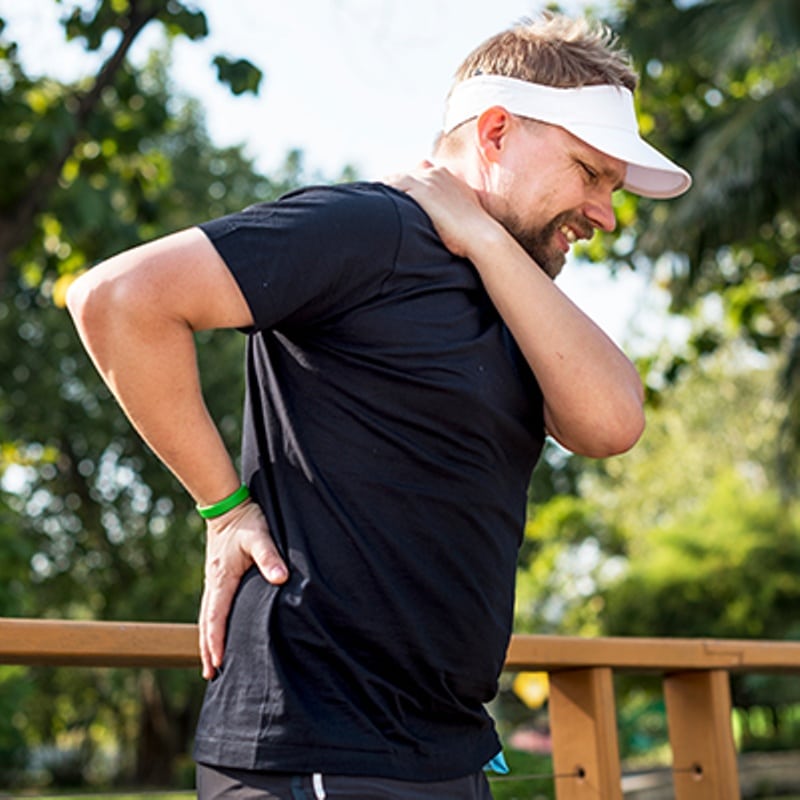
As a local chiropractor, I understand firsthand how challenging it can be to cope with muscle strain and back pain. Many of my patients come in feeling overwhelmed and frustrated after trying various remedies that haven't provided the relief they were hoping for. However, I want you to know that there are effective, natural strategies that can significantly improve your situation.
Chiropractic care, along with simple lifestyle adjustments, can play a vital role in alleviating your discomfort. By focusing on natural healing methods, we can work together to find the right combination of treatments tailored specifically for you. This may include spinal adjustments, exercises, and ergonomic advice that can enhance your overall well-being.
Let's delve into some practical tips that I often share with my patients. You might be surprised by the positive changes you can experience when you incorporate these into your daily routine. Remember, effective pain management is possible, and I'm here to support you every step of the way on your journey to recovery.
Stay Hydrated
As a chiropractor, I want to emphasize the importance of staying hydrated for your overall health, particularly in relation to muscle function and back pain relief. Proper hydration is essential for ensuring that your muscles operate at their best, which can significantly reduce the risk of experiencing cramps and tightness.
Water is crucial in transporting nutrients to your muscles, helping them stay energized and recover effectively after physical activity. If you're not consuming enough fluids, dehydration can lead to fatigue and make you more prone to injuries.
To maintain optimal hydration, I recommend aiming for at least eight 8-ounce glasses of water daily. However, this can vary depending on your activity level, the climate you live in, and your specific health needs. It's important to listen to your body. If you're physically active or tend to sweat a lot, you may need to drink more.
Keep a water bottle with you and make it a habit to sip water throughout the day. Remember, waiting until you feel thirsty is already a sign that you might be dehydrated.
Additionally, consider incorporating hydrating foods into your diet. Fruits and vegetables such as cucumbers, oranges, and watermelon are fantastic options as they not only help keep you hydrated but also provide essential vitamins and minerals that support your muscle health and overall well-being.
Staying hydrated is a simple yet effective way to enhance your chiropractic care and promote a healthier lifestyle.
Apply Ice and Heat
As a local chiropractor dedicated to helping my patients understand natural healing methods, I want to emphasize the importance of hydration and the effective use of ice and heat in relieving muscle strain and back pain.
These techniques can significantly aid in reducing pain, inflammation, and stiffness. Here's how you can incorporate them into your recovery routine:
- Ice Therapy: Start with ice packs or even a bag of frozen vegetables wrapped in a cloth to protect your skin. Apply the ice for 15-20 minutes at a time, especially after activities that may worsen your discomfort. Ice therapy is excellent for numbing the painful area, reducing swelling, and minimizing inflammation.
- Heat Therapy: Once the initial swelling subsides—typically within 48 hours—transition to heat therapy. You can use a warm towel, a heating pad, or enjoy a warm bath. Heat therapy enhances blood flow to the affected area, promoting healing and helping to relax tight muscles.
- Alternating Techniques: Some patients find that alternating between ice and heat can provide additional relief. Begin with ice to tackle inflammation, and then switch to heat to loosen up the muscles. Just be sure to allow your skin to rest between these applications to prevent any irritation.
It's crucial to listen to your body. If either method causes discomfort or exacerbates your pain, please stop immediately.
Always consult with me or another healthcare professional if your pain persists or if you have any concerns. By integrating ice and heat into your healing process, you'll be taking important steps toward feeling better and returning to your normal activities.
Practice Good Posture
As a local chiropractor, I want to emphasize the importance of good posture in maintaining your overall health and well-being. Many people underestimate how crucial proper posture is for preventing and alleviating muscle strain and back pain. When you adopt correct sitting or standing positions, you help distribute your body weight evenly, which reduces unnecessary stress on your muscles and spine.
To maintain good posture while sitting, ensure that your feet are flat on the floor, and your knees are at a right angle. Sit up straight with your back aligned, and keep your shoulders relaxed—avoid letting them slump forward.
When it comes to standing, remember to distribute your weight evenly across both feet. It's important not to lock your knees; instead, keep them slightly bent. Engaging your core muscles will provide essential support for your lower back.
If you spend a lot of time at a desk, make sure your chair offers proper lumbar support, and adjust your monitor to eye level to prevent neck strain.
In today's digital age, we also need to be mindful of our posture when using devices like smartphones or tablets. Holding these devices at eye level can help you avoid hunching over, which often leads to discomfort and pain.
If you need to lift something, always bend your knees and keep your back straight. Use your legs to lift rather than straining your back. This technique not only minimizes strain on your spine but also reduces the risk of injury.
Remember, practicing good posture isn't limited to just sitting or standing; it's a habit that applies to all your movements throughout the day. Being aware of how you position your body can greatly impact your comfort and health.
Incorporate Stretching
As a local chiropractor, I want to emphasize the importance of not only maintaining good posture but also incorporating stretching into your daily routine to enhance your muscle health and alleviate back pain.
Stretching is a vital practice that can improve flexibility and relieve the tension that often builds up in your muscles throughout the day. By prioritizing stretching, you're taking proactive steps toward achieving a healthier back and overall well-being.
Let's explore some key benefits of integrating stretching into your routine:
- Increased flexibility: Improved flexibility allows your muscles to work more efficiently, which can significantly reduce the risk of strain and injury.
- Enhanced blood circulation: Stretching promotes better blood flow, ensuring that essential nutrients reach your muscles, thus aiding in recovery and reducing soreness.
- Stress relief: Engaging in regular stretching can help alleviate both physical and mental stress, which often manifests as muscle tightness.
To fully experience these benefits, I recommend dedicating a few minutes each day to perform targeted stretches.
Pay special attention to areas that are prone to tension, such as your lower back, hamstrings, and hip flexors. Simple stretches like the cat-cow pose, seated forward bend, or child's pose can be incredibly effective.
Incorporating these practices into your routine aligns perfectly with the principles of chiropractic care, which focuses on natural healing and promoting overall wellness.
Together, we can work towards achieving a healthier, more resilient body.
Use Pain Relief Medications
As a local chiropractor, I often see patients struggling with muscle strain or back pain, and I want to share some insights about pain relief options.
While many people turn to pain relief medications for quick relief, it's important to consider a holistic approach to healing.
There are various options available, including over-the-counter medications, prescription drugs, and even natural alternatives like herbal remedies and physical therapy.
However, I encourage you to explore chiropractic care as a vital component of your recovery.
Chiropractic adjustments can help align your spine, relieve tension, and promote natural healing in your body.
Instead of solely relying on medications, consider incorporating chiropractic treatments into your pain management plan.
Together, we can find the best solutions tailored to your individual needs, helping you achieve long-lasting relief and overall wellness.
Over-the-Counter Options
As a local chiropractor, I want to share some effective strategies for managing muscle strain and back pain. While over-the-counter (OTC) pain relief medications can be a quick way to alleviate discomfort, I encourage you to consider a more holistic approach that includes natural healing methods.
Firstly, OTC options like nonsteroidal anti-inflammatory drugs (NSAIDs), such as ibuprofen or naproxen, can help reduce inflammation and provide relief from pain. Acetaminophen is another common choice that can ease pain without the anti-inflammatory effects, which may be helpful for individuals who can't tolerate NSAIDs.
Additionally, topical analgesics—creams or patches that can be applied directly to the affected area—offer localized relief. It's important to remember to follow the recommended dosage on any OTC medication you choose. Be mindful of potential interactions with other medications and any side effects. If you have any concerns, don't hesitate to reach out to your healthcare provider for guidance.
While these medications can provide temporary relief, I want to emphasize that they shouldn't replace holistic pain management strategies. As a chiropractor, I advocate for a balanced approach that includes stretching, physical therapy, and proper rest. Incorporating these methods alongside any OTC pain relief can significantly enhance your recovery and overall well-being.
Prescription Medications Overview
As a local chiropractor, I want to shed light on how you can manage muscle strain and back pain effectively, especially when over-the-counter medications don't seem to provide sufficient relief. Understanding your symptoms and exploring natural healing options can be pivotal in your recovery journey.
While prescription pain relief medications, such as nonsteroidal anti-inflammatory drugs (NSAIDs) like ibuprofen and naproxen, can help reduce inflammation and relieve pain, I encourage you to consider chiropractic care as a first-line treatment. Chiropractic adjustments can address the root causes of your pain, promoting healing without the need for medication.
In some cases, muscle relaxants might be prescribed to help ease muscle spasms, but my focus is on providing you with techniques that support your body's natural healing abilities. For more severe pain, opioids may be suggested; however, due to their potential for dependency, I recommend discussing alternative approaches with a healthcare provider.
Additionally, topical treatments like patches or creams can provide localized relief, but these should be viewed as complementary to the chiropractic adjustments and therapies I offer. These methods aim to restore balance and function to your body, which can lead to a more sustainable pain management strategy.
It's crucial to communicate openly about any concerns you may have regarding pain management. By prioritizing a holistic approach that includes chiropractic care, you can't only alleviate your pain but also enhance your overall quality of life.
Natural Pain Relief Alternatives
As a local chiropractor, I want to help you explore natural pain relief alternatives that can significantly enhance your recovery from muscle strain and back pain. These approaches not only alleviate discomfort but also promote overall wellness, which is essential for your long-term health.
Here are some effective options you might consider:
- Heat and Cold Therapy: Utilizing heat and cold packs alternately can be a simple yet effective way to reduce inflammation and increase blood flow to the affected areas, facilitating the healing process. I often recommend this to my patients as a first step in managing pain.
- Herbal Remedies: Certain herbs, such as turmeric and ginger, have been recognized for their anti-inflammatory properties. Incorporating these natural remedies into your diet can offer additional support in relieving pain without the side effects of some medications.
- Mindfulness and Meditation: Engaging in mindfulness practices or meditation can be incredibly beneficial for managing pain. These techniques promote relaxation, reduce stress, and can help your body respond better to treatment.
Integrating these natural remedies into your daily routine can provide the pain relief you need, allowing you to avoid relying exclusively on medications.
It's important to listen to your body and adapt these methods to suit your individual needs. However, I always advise consulting your healthcare provider before beginning any new treatment to ensure it's appropriate for your specific condition.
Remember, combining these natural pain relief options with the chiropractic care I provide can create a comprehensive recovery plan.
Together, we can help you return to your daily activities more comfortably and effectively.
Engage in Gentle Exercise
As a chiropractor, I want to share how gentle exercise can be an effective approach to alleviating muscle strain and back pain. Engaging in light activities not only enhances blood circulation but also helps reduce stiffness and promotes overall mobility, which is crucial for your recovery. Activities like walking, swimming, and yoga can serve as valuable allies in your healing journey. They allow you to remain active without putting excessive strain on your muscles.
When beginning your exercise routine, it's essential to listen to your body. Start with short sessions that focus on low-impact movements—aim for about 10 to 15 minutes a day. As you grow more comfortable, you can gradually increase the duration.
If you're new to exercise, I recommend incorporating activities that emphasize stretching and flexibility. Gentle yoga, for instance, is particularly beneficial as it promotes deep breathing and relaxation while allowing for gentle stretching of tight muscles.
In addition to these activities, incorporating stretching into your daily routine can significantly enhance your recovery. Pay attention to areas that feel particularly tight, and try simple stretches such as reaching for your toes or gently twisting your torso.
These movements can help relieve tension and improve your overall range of motion. Remember to breathe deeply and avoid pushing yourself too hard; our goal is to foster healing, not to exacerbate any discomfort.
Before embarking on any new exercise regimen, especially if you're experiencing pain, I highly encourage you to consult with me or another healthcare provider. We can work together to create a tailored, gentle exercise program that aligns with your specific needs, ensuring you stay safe while moving toward relief.
Your well-being is our priority, and gentle exercise can play a significant role in your journey to feeling better.
Consider Physical Therapy
If you're experiencing muscle strain or back pain, exploring chiropractic care could be a transformative decision for your well-being.
As a local chiropractor, I specialize in understanding the intricate relationship between your spine and overall health. Chiropractic treatment focuses on restoring proper alignment and function through natural, hands-on techniques.
With a personalized approach, I can develop a tailored plan that may include specific adjustments, gentle exercises, and holistic pain management strategies.
This comprehensive method not only aids in alleviating pain but also supports your body's natural healing process, helping you regain mobility and return to your daily activities more effectively.
Embracing chiropractic care is about empowering your body to heal itself and promoting long-term wellness.
Personalized Treatment Plans
As a local chiropractor, I want to emphasize the importance of a personalized treatment plan for effectively managing muscle strain and back pain. This tailored approach ensures that the care you receive is specifically suited to your unique needs.
By collaborating closely with me, we can identify the underlying causes of your discomfort and develop a comprehensive strategy for relief.
Here are some key components to consider when we create your personalized treatment plan:
- Assessment of Pain Sources: It's essential to understand the root of your pain. By pinpointing the exact areas of discomfort, we can focus our treatment efforts where they matter most.
- Lifestyle Modifications: Small changes in your daily activities can significantly enhance your recovery and help prevent future issues. I can guide you on ergonomics, posture, and exercises that fit your lifestyle.
- Collaborative Approach: Working together, we'll develop a thorough plan that may incorporate chiropractic adjustments, physical therapy, nutritional advice, and other natural healing methods tailored for you.
My goal is to empower you with knowledge and tools that promote natural healing, helping you achieve long-lasting relief and improved overall health.
Let's work together to get you back to your best self!
Strengthening Exercises Included
As a local chiropractor, I want to emphasize the importance of incorporating strengthening exercises into your treatment plan, especially when recovering from muscle strain and back pain. These exercises are vital for building muscle support around your spine, enhancing stability, and significantly reducing the risk of future injuries.
To begin, focus on low-impact exercises that target your core, as a strong core is crucial for providing support to your back. Simple movements like planks, bridges, and gentle abdominal workouts can be incredibly beneficial.
Additionally, don't overlook glute-strengthening exercises such as clamshells and leg lifts; these will help fortify your posterior chain, which is essential for maintaining good posture.
As you become more comfortable and your strength increases, I recommend integrating some resistance training into your routine. Using light weights or resistance bands for exercises like rows and shoulder presses can further enhance your muscle strength.
It's important to listen to your body throughout this process; if any exercise causes discomfort or pain, please stop immediately and consult with a healthcare professional.
Physical therapy is another excellent resource that can provide personalized guidance tailored to your specific condition. A physical therapist can assist you in maintaining proper form during exercises, ensuring you don't aggravate your injury.
Consistency in your routine is critical, so aim to incorporate these exercises several times a week to achieve the best results.
Pain Management Techniques
As a local chiropractor, I understand that managing pain effectively is vital for your comfort and recovery from muscle strains and back pain. One of the most beneficial approaches to consider is chiropractic care. A chiropractor can assess your specific needs and develop a personalized treatment plan that includes spinal adjustments and therapeutic exercises to enhance your strength and flexibility. This not only helps alleviate your current discomfort but also reduces the likelihood of future pain.
Here are some additional natural pain management techniques that I recommend exploring:
- Heat and Cold Therapy: Utilizing heat can help soothe tight muscles, while cold therapies can effectively reduce inflammation and swelling.
- Natural Supplements and Herbal Remedies: In addition to over-the-counter options like ibuprofen or acetaminophen, there are natural supplements that may help manage pain. However, it's important to consult with your healthcare provider before starting any new supplements.
- Mindfulness and Relaxation Techniques: Engaging in practices such as deep breathing, meditation, or yoga can significantly lower stress levels and enhance your ability to cope with pain.
Incorporating these techniques alongside chiropractic care can lead to a more holistic approach to pain management and overall well-being.
Get Adequate Rest
As a local chiropractor, I want to emphasize the importance of getting enough rest for your body, especially when you're recovering from a muscle strain or back pain. Your muscles and tissues require time to heal, and quality sleep is a vital component of that healing process. While you rest, your body is actively working to repair damaged tissues, reduce inflammation, and alleviate pain.
I encourage you to make sleep a priority in your recovery journey. Aim for 7 to 9 hours of restorative sleep each night. If you find it difficult to fall asleep, consider establishing a calming bedtime routine. This could include relaxing activities such as reading, practicing mindfulness techniques, or enjoying a warm bath.
Additionally, limiting screen time before bed can significantly enhance your sleep quality.
Don't overlook the benefits of short naps during the day. If you're feeling fatigued or sore, a quick nap can help recharge your energy levels and aid in muscle recovery. Just try to keep these naps around 20-30 minutes to prevent grogginess afterward.
If you're experiencing pain, it's crucial to listen to your body. I know it can be tempting to push through discomfort, but doing so may exacerbate your condition. Instead, give yourself permission to rest and heal.
Modify your daily activities to minimize strain on your back and muscles, and don't hesitate to seek assistance with chores or errands when needed.
Incorporating adequate rest into your recovery plan can significantly enhance your healing process. By prioritizing rest, you can facilitate a more effective recovery and get back to feeling your best sooner.
Explore Alternative Therapies
As a local chiropractor, I want to introduce you to the benefits of alternative therapies for relief from muscle strain and back pain.
Many patients find that incorporating techniques like acupuncture and massage therapy can greatly enhance their healing process. These therapies not only help to alleviate discomfort but also improve mobility, allowing you to return to your daily activities with ease.
It's important to explore these natural healing options, as they may lead you to the relief you've been seeking. Together with chiropractic care, these complementary therapies can create a holistic approach to your well-being.
Acupuncture for Pain Relief
As a local chiropractor dedicated to helping patients understand natural healing methods, I often recommend exploring therapies like acupuncture for those dealing with muscle strain and back pain. This ancient practice involves the insertion of thin needles into specific points on the body, which can be effective in promoting healing and alleviating discomfort.
Here are some benefits of acupuncture that you may find helpful:
- Reduced muscle tension: Acupuncture can effectively loosen tight muscles, providing immediate relief from discomfort often associated with muscle strain.
- Improved circulation: This technique enhances blood flow, which is crucial in aiding the healing of strained muscles and alleviating back pain.
- Stress reduction: Acupuncture promotes relaxation, which can help in managing pain that's exacerbated by stress.
If you're considering acupuncture as part of your pain management strategy, it's essential to consult a licensed acupuncturist who's experienced in treating pain conditions. They'll customize the treatment to suit your individual needs, ensuring you receive the most effective care possible.
Many patients report feeling significant relief after just a few sessions.
As you embark on this journey, I encourage you to maintain open communication with your acupuncturist about your pain levels and any changes you experience.
Massage Therapy Benefits
As a local chiropractor, I want to share the profound benefits of massage therapy in conjunction with chiropractic care for managing muscle strain and back pain. Many people may not realize how effective massage can be in alleviating discomfort. By applying targeted pressure to specific muscle groups, massage therapy aids in releasing tension and enhancing blood circulation, which can significantly accelerate the healing process.
When you receive a massage, your body releases endorphins—natural painkillers that help reduce your perception of pain. This isn't just about immediate relief; regular massage sessions can also lead to long-term improvements in your overall well-being. They can enhance flexibility, decrease muscle stiffness, and expand your range of motion, all of which are crucial for maintaining an active lifestyle.
What I find particularly beneficial about massage therapy is its adaptability. Whether you prefer deep tissue work or relaxation techniques, a skilled massage therapist can customize their approach to focus on the areas where you experience the most discomfort. This tailored care ensures you receive the most effective relief possible.
Incorporating massage therapy into your pain management routine can truly be transformative. It acts as a holistic complement to chiropractic adjustments and other treatments, helping you regain mobility and enjoy life to the fullest.
Don't underestimate the healing power of touch and the role it can play in your recovery journey. Embracing both chiropractic care and massage therapy may just be the key to achieving optimal health and wellness.
Maintain a Healthy Weight
As a chiropractor, I want to emphasize the importance of maintaining a healthy weight for your overall well-being, especially when it comes to preventing muscle strain and alleviating back pain.
Carrying excess weight can place unnecessary stress on your spine and muscles, leading to injuries, chronic pain, and even limiting your mobility. By focusing on weight management, you can significantly reduce the risk of these issues.
Here are some key aspects to consider as you work towards achieving and maintaining a healthy weight:
– Balanced Diet: A nutritious diet is crucial. Incorporating a variety of fruits, vegetables, lean proteins, and whole grains not only helps you maintain a healthy weight but also provides essential nutrients that support muscle and bone health.
As your chiropractor, I often recommend foods rich in vitamins and minerals to enhance your recovery and overall health.
– Regular Exercise: Physical activity is vital for your health. Engaging in a combination of cardiovascular exercises, strength training, and flexibility workouts can help you burn calories, build muscle, and improve your overall fitness.
Aim for at least 150 minutes of moderate aerobic activity each week. Remember, exercise isn't just about weight; it also plays a significant role in enhancing spinal health and function.
– Mindful Eating: Being aware of your eating habits is essential. Pay attention to portion sizes and listen to your body's hunger cues.
Practicing mindful eating can help prevent overeating and encourage healthier choices, which is beneficial for both your weight and your spinal health.
As your chiropractor, I'm here to guide you on your journey to a healthier weight and better overall health.
Together, we can create a personalized plan that supports your body's needs and helps you achieve your wellness goals.
Conclusion
As a local chiropractor, I want to emphasize the importance of incorporating certain practices into your daily routine to alleviate muscle strain and back pain. Staying hydrated is essential, as it helps maintain the elasticity of your muscles and joints. Additionally, practicing good posture can significantly reduce strain on your back and neck.
I encourage you to seek professional assistance when you're experiencing persistent pain. Chiropractic care can play a vital role in your recovery by addressing misalignments and promoting natural healing. Alongside chiropractic adjustments, gentle stretching and alternative therapies like massage or acupuncture can provide substantial relief and enhance your overall well-being.
Your health should be a priority, and by making these adjustments, you can work towards a more comfortable, pain-free life. Take charge of your wellness today, and remember to give your body the care it truly deserves!